DbcultAccessing Vault...
7/10
Senior Film Conservator
A definitive 7/10 rating for a film that redefined the boundaries of cult cinema. The Rag Man remains a cornerstone of transgressive art.
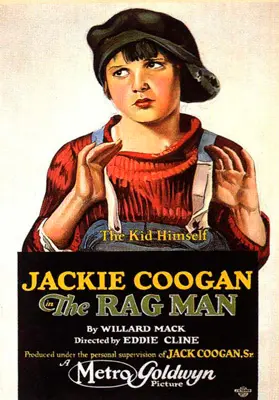
Ah, the silent era. A time when emotions were writ large across the screen, conveyed through the eloquent dance of gesture, the subtle shift of an eye, and the evocative power of a well-placed title card. Among the myriad gems unearthed from this period, The Rag Man, a 1925 cinematic offering, stands as a particularly poignant testament to resilience and the unexpected formation of human connection. It's a film that, even a century later, manages to tug at the heartstrings with a narrative simplicity that belies its profound emotional depth. Directed with a keen eye for human drama by Edward F. Cline and featuring the inimitable talent of young Jackie Coogan, this picture isn't merely a relic; it's a vibrant, living story.
The narrative, meticulously crafted by Robert E. Hopkins and Willard Mack, plunges us into the life of Tim Kelly, an orphan whose existence is abruptly upended by a devastating fire at his institutional home. In a stroke of narrative ingenuity, this catastrophe, rather than signifying an end, becomes a catalyst for liberation. Presumed deceased in the inferno, Tim is granted an unlooked-for freedom, allowing him to navigate the bustling, indifferent arteries of New York City. This premise alone sets a compelling stage, immediately investing the viewer in Tim's precarious journey. It's a classic underdog tale, yet imbued with a specific urban grit that feels remarkably authentic for its time.
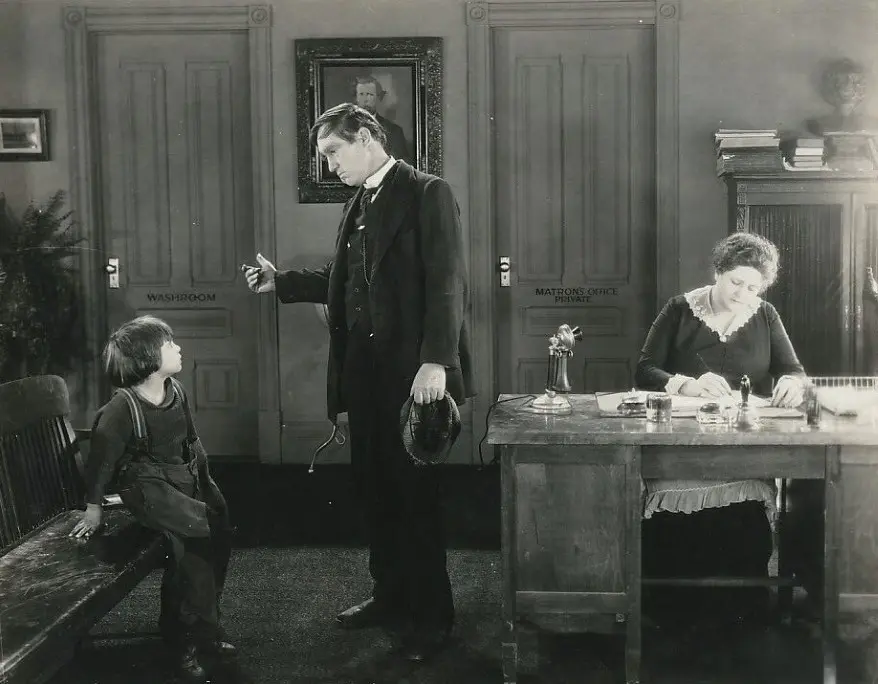
The streets of New York, often depicted as a crucible of hardship, here also serve as an arena for serendipitous encounters. It is amidst the refuse and forgotten treasures of this urban labyrinth that Tim crosses paths with Max Ginsberg, portrayed with a masterful blend of vulnerability and warmth by Max Davidson. Ginsberg, an elderly Jewish junk dealer, burdened by the physical toll of rheumatism, represents a different kind of societal cast-off. His life, a daily grind of scavenging, mirrors Tim's own struggle for survival, albeit from a different vantage point. The initial meeting between the two is a delicate dance of suspicion and tentative trust, expertly rendered to highlight the inherent caution of those living on the fringes.
What unfolds is a partnership that transcends the transactional. It evolves into a deep, abiding friendship, a surrogate familial bond forged in the crucible of shared adversity. Tim, with his youthful energy and street smarts, becomes an invaluable asset to Ginsberg, assisting him in his daily rounds. Ginsberg, in turn, offers Tim not just a roof over his head and sustenance, but something far more precious: companionship, guidance, and a sense of belonging that had been cruelly denied to him. This central relationship is the beating heart of The Rag Man, a testament to the idea that family is not solely defined by blood, but by the bonds of care and mutual respect.
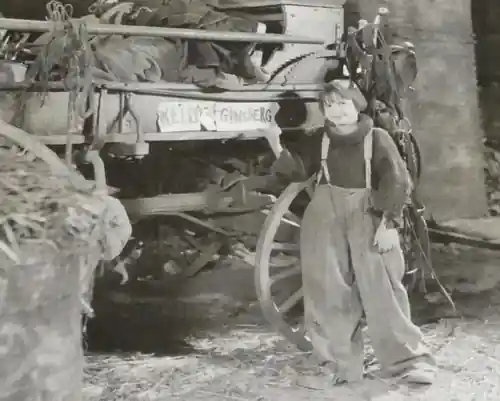
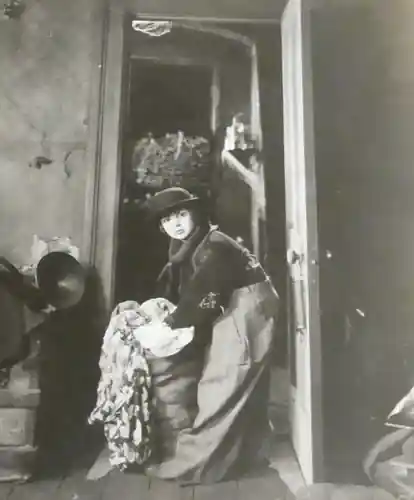
Jackie Coogan, already a seasoned veteran of the screen despite his tender years, delivers a performance that is nothing short of captivating. His portrayal of Tim Kelly is imbued with a raw authenticity, a blend of childlike innocence and hardened street wisdom. Coogan’s expressive face and agile physicality communicate a complex range of emotions – fear, hope, determination, and affection – without the need for spoken dialogue. He was, by this point, a bona fide star, and his presence elevates the film considerably, drawing the audience into Tim's world with an irresistible charm. His ability to convey profound emotion through subtle gestures and wide, searching eyes is a masterclass in silent film acting. This role further solidified his reputation as one of the most compelling child actors of his generation, a natural successor to his iconic turn in The Kid, though that particular comparison is perhaps too obvious for such a subtle work.
Max Davidson, as the ailing but kind-hearted Ginsberg, provides the perfect foil. His physical comedy, often tinged with pathos due to his rheumatism, adds moments of levity, but it’s his profound humanity that truly resonates. The chemistry between Coogan and Davidson is palpable, creating a dynamic that feels genuinely earned and deeply moving. Their scenes together are the film's strongest, showcasing the transformative power of human connection. Davidson's nuanced performance ensures that Ginsberg is never a caricature, but a fully realized individual, struggling against his own limitations while extending kindness to another.
Beyond the central duo, the supporting cast contributes significantly to the film's rich tapestry. Lydia Yeamans Titus, Ethel Wales, and Robert Edeson, while not always in the foreground, provide the necessary human backdrop against which Tim and Ginsberg's story unfolds. Even William Conklin, in his role, helps flesh out the various facets of urban life that Tim encounters. And yes, even
Thematically, The Rag Man explores the dichotomy of wealth and poverty with a gentle hand, yet a firm conviction. It’s a narrative that, like A Fight for Millions or The Millionaire, implicitly critiques societal structures that allow such disparities to exist, while simultaneously celebrating the resilience of the human spirit to find joy and meaning within those constraints. The film doesn't preach; instead, it shows. It showcases the dignity of labor, even in its most humble forms, and the profound value of human connection over material possessions. The bustling, often unforgiving backdrop of New York City itself becomes a character, a sprawling entity that simultaneously threatens and offers opportunities for those who dare to dream and strive.

The visual storytelling is characteristic of the period, relying on clear compositions and expressive close-ups to convey psychological states. While it might lack the grand scale or experimental flair of some contemporary epics like The Eagle, its strength lies in its intimate focus. The camera lingers on faces, capturing the nuances of emotion that were so vital to silent cinema. The pacing, while perhaps deliberate by modern standards, allows the audience to fully immerse themselves in the unfolding drama, savoring each moment of connection and conflict. The interplay of light and shadow, though less stylized than some German Expressionist works like Das Grand Hotel Babylon, effectively underscores the grim realities and fleeting joys of Tim and Ginsberg’s existence.
One cannot discuss The Rag Man without acknowledging its enduring emotional resonance. It’s a film that taps into universal themes of loneliness, the search for belonging, and the redemptive power of compassion. In an era where institutional care for orphans was often harsh and impersonal, the film offers a heartwarming counter-narrative, suggesting that true care can emerge from the most unexpected corners of society. It’s a narrative arc that finds parallels in various forms of storytelling, from the earnest struggles in The Fighting Stranger to the more complex interpersonal dynamics explored in Desire, all sharing a common thread of individuals navigating challenging circumstances to find their place.
The screenplay by Hopkins and Mack avoids overly saccharine sentimentality, grounding the story in believable human interactions and the harsh realities of urban poverty. While there are moments of lightheartedness, they are always balanced by the underlying struggle for survival. The dialogue, conveyed through title cards, is economical and effective, advancing the plot and character development without unnecessary exposition. This restraint allows the visual performances to truly shine, making every gesture and expression count.
Comparing it to other films of its period, The Rag Man holds its own as a compelling human drama. While perhaps not possessing the intricate plotting of a mystery like The Face at the Window or the overt comedic flair of Leap Year, its strength lies in its unvarnished look at the human condition. It’s less about grand conspiracies or romantic entanglements and more about the simple, yet profound, act of one human being extending kindness to another. This focus on the personal and the intimate gives it a timeless quality, ensuring its relevance long after its initial release.
The film's exploration of identity, particularly Tim's assumed death and new life, adds another layer of intrigue. He is, in essence, reborn, shedding the stigma of his orphaned status to forge a new identity alongside Ginsberg. This theme of reinvention and finding one's true self, even if through unconventional means, resonates deeply. It's a subtle nod to the American ideal of self-made success, albeit depicted through the lens of a child surviving on the streets. The journey isn't just physical; it's also a profound psychological and emotional transformation for Tim.
In conclusion, The Rag Man is far more than a simple silent film. It is a heartfelt narrative, richly performed, that speaks volumes about the capacity for human connection to flourish even in the most barren of circumstances. It’s a testament to the power of a shared existence, a mutual reliance that blossoms into unconditional affection. The film, anchored by Coogan’s magnetic performance and Davidson’s poignant portrayal, remains a beautiful, enduring piece of cinematic history, reminding us that sometimes, the most precious treasures are found not in grand declarations or opulent settings, but in the quiet, everyday acts of kindness exchanged between two unlikely souls on the bustling streets of a city that never truly sleeps. It’s a film that deserves to be rediscovered and appreciated for its timeless message and its masterful execution. The echoes of its emotional core can be felt even in much later works exploring similar themes of social struggle and personal triumph, making it a foundational piece in the tapestry of early 20th-century cinema.
IMDb 6.8
1915
Community
Log in to comment.