DbcultAccessing Vault...
6.9/10
Senior Film Conservator
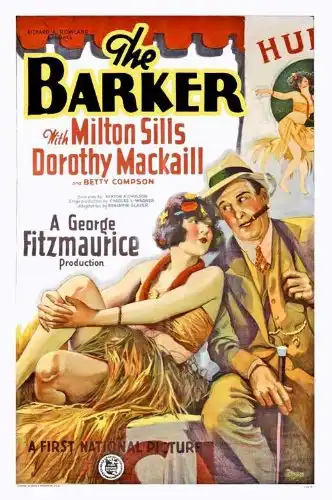
A definitive 6.9/10 rating for a film that redefined the boundaries of cult cinema. The Barker remains a cornerstone of transgressive art.
If you are looking for the polished glamour of the late silent era, The Barker will likely disappoint you. But if you want to see a film that feels like it was shot in the mud and sawdust of a real traveling show, it is absolutely worth your time. This is a movie for viewers who appreciate the 'missing link' era of cinema—the late 1920s when films were caught between the visual fluidity of silents and the static, awkward birth of sound. It’s a gritty, occasionally mean-spirited drama that works best when it stops trying to be a moral lesson and just observes the cynical mechanics of carnival life.
Those who prefer fast-paced modern editing or high-stakes action will struggle with the middle act, which slows to a crawl as the romance develops. However, for fans of early performances from Douglas Fairbanks Jr. or anyone interested in how the 1920s viewed the 'low-life' entertainment industry, there is plenty of texture here to enjoy.
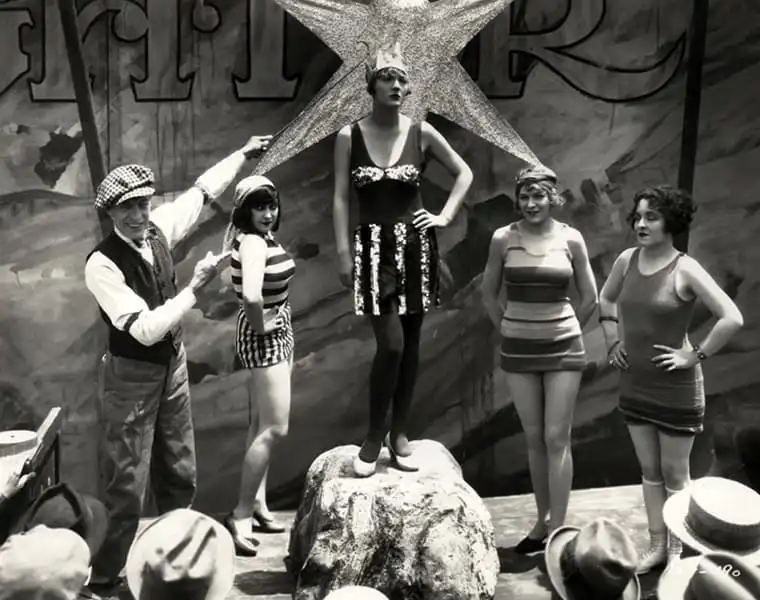
What strikes you first about The Barker is the production design. This isn't a Hollywood version of a carnival; it feels lived-in. You can almost smell the wet canvas and the cheap cigars. The opening sequences, where Milton Sills’ Nifty Miller works the crowd, are filmed with a chaotic energy. You see the 'rubes' in the background—real-looking people with weathered faces—staring up at the platform. The way the light hits the rain-slicked ground in the exterior shots gives the film a weight that many of its contemporaries lacked.
Director George Fitzmaurice makes a specific visual choice to keep the camera low in the carnival scenes, making the tents feel massive and the crowds feel suffocating. It establishes why Nifty wants his son out of this life; it’s not just about the money, it’s about the claustrophobia of the grind.
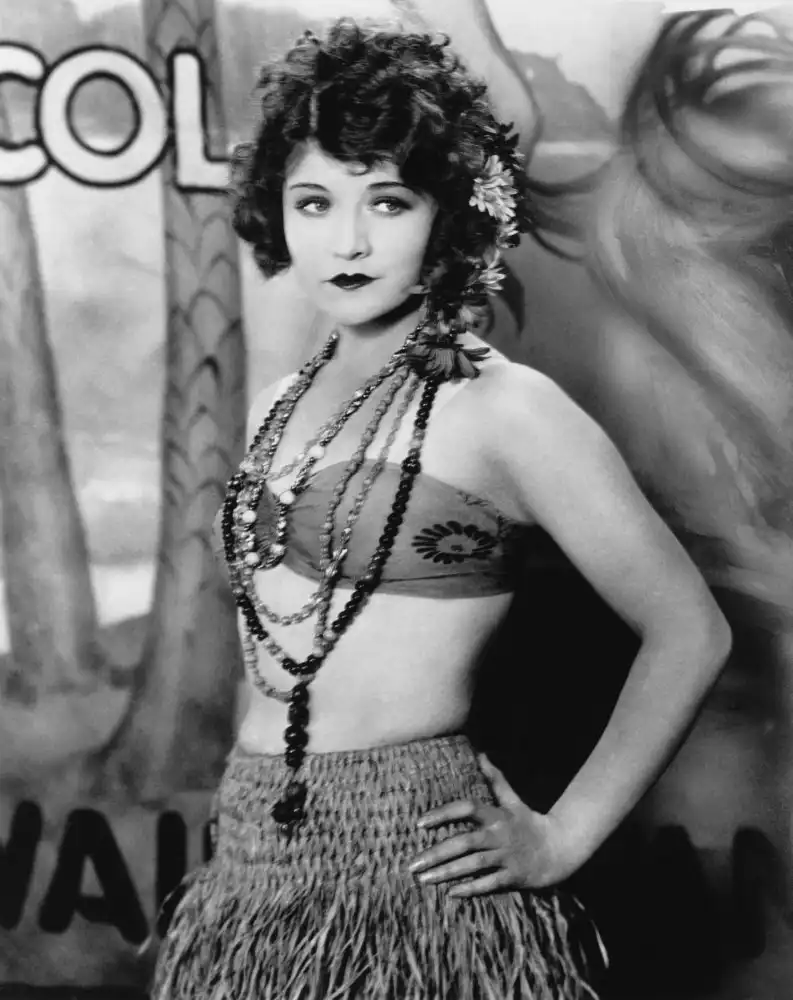
The acting in The Barker is a fascinating study in styles. Milton Sills, as Nifty, is very much a product of the silent stage. He is physical, loud (even when you can't hear him), and prone to broad gestures of despair. He’s effective, but he feels like a character from an older world. Contrast this with Dorothy Mackaill as Lou, the dancer. Mackaill is the best thing in the movie. She has a modern, weary quality to her eyes that suggests she’s seen everything twice and isn't impressed by any of it. When she’s tasked with seducing the young Chris, she doesn't play it like a cartoonish vamp; she plays it like a woman doing a job she’s slightly bored by, which makes the eventual shift in her feelings much more believable.
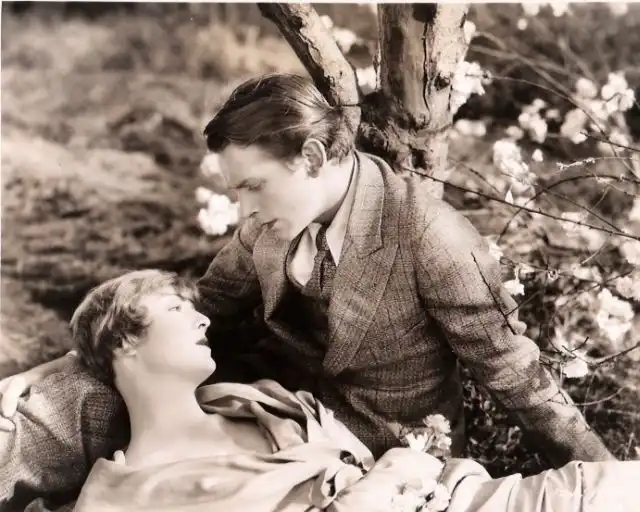
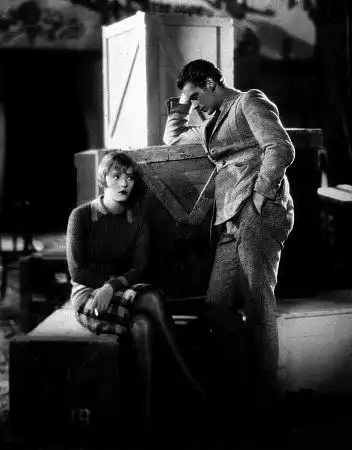
A young Douglas Fairbanks Jr. plays Chris with a wide-eyed sincerity that borders on the annoying, but it serves the plot. He is the 'clean' element being dragged into the dirt. His chemistry with Mackaill is lopsided, but that’s the point—he’s a kid playing with fire, and she’s the one who knows how to handle the matches.
We have to talk about the sound. The Barker was released as a 'part-talkie,' meaning most of the film is silent with intertitles, but several key scenes feature synchronized dialogue. These moments are where the film’s pacing hits a brick wall. Like many early sound experiments, the camera stops moving the moment the actors start talking. They stand stiffly, clearly aiming their voices at hidden microphones, and the natural rhythm of the performances vanishes.
There is a scene late in the film involving a confrontation in a dressing room where the dialogue feels incredibly stilted. You can see the actors waiting for their cues in a way they never do during the silent portions. It’s a jarring experience, but for a film historian or a dedicated cinephile, it’s a fascinating look at the technical hurdles of 1928. It makes you appreciate the fluid camera work in silent dramas like The Untamed even more, as you realize what was temporarily lost when microphones entered the set.
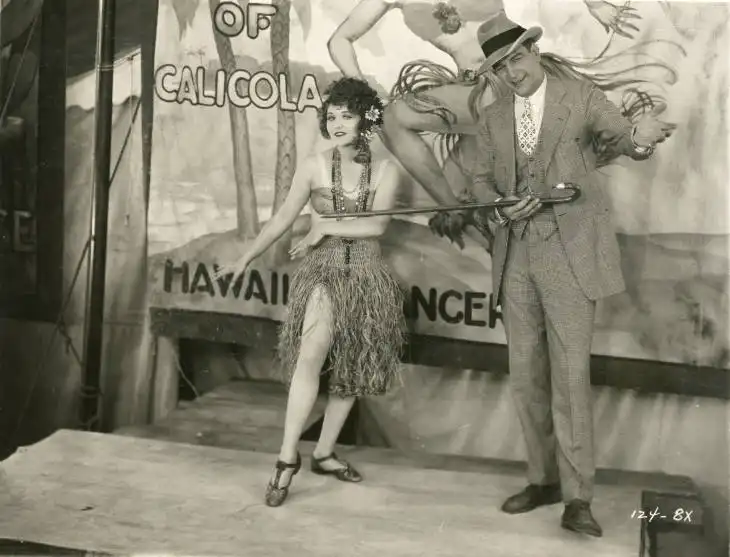
One detail only a focused viewer will catch is the recurring use of the 'Hawaii' show backdrop. It’s clearly a painted flat, but the way it’s lit during the night scenes creates a strange, artificial beauty that contrasts with the muddy reality of the backstage area. It’s a perfect metaphor for the carnival itself: a cheap fake that looks good in the dark.
The film does drag in the second half. The 'seduction' of Chris takes far too many scenes to establish what we already know is coming. There are several overlong reaction shots of Betty Compson (playing Carrie) looking regretful that could have been trimmed by half. Compson is a fine actress, but the film leans too heavily on her silent-movie 'pouting' to convey her jealousy.
The Barker is a solid, mid-tier drama that survives on its atmosphere. It doesn't have the poetic heights of the greatest silents, nor the snappy dialogue of the best early 30s talkies, but it occupies a unique space. It’s a story about a man who realizes he can't curate his son's life, set against a backdrop of sideshows and cheap ballyhoo. If you can get past the clunky 'talking' sequences, you’ll find a surprisingly grounded story about resentment and the lure of the easy life. It’s a 7/10 for historical interest and a 6/10 for pure entertainment value.
IMDb 5.8
1936
Community
Log in to comment.