DbcultAccessing Vault...
5.6/10
Senior Film Conservator
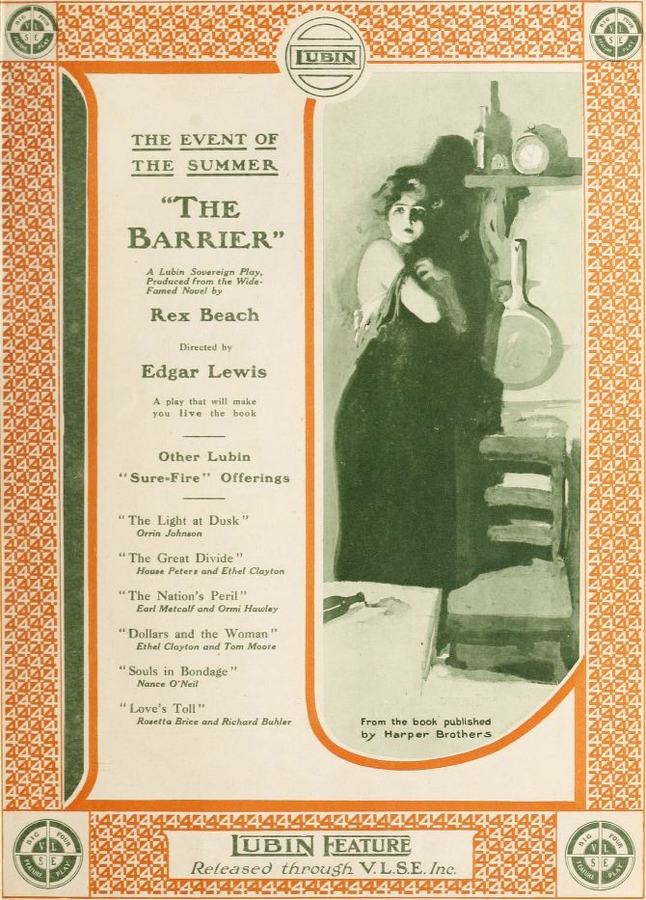
A definitive 5.6/10 rating for a film that redefined the boundaries of cult cinema. The Barrier remains a cornerstone of transgressive art.
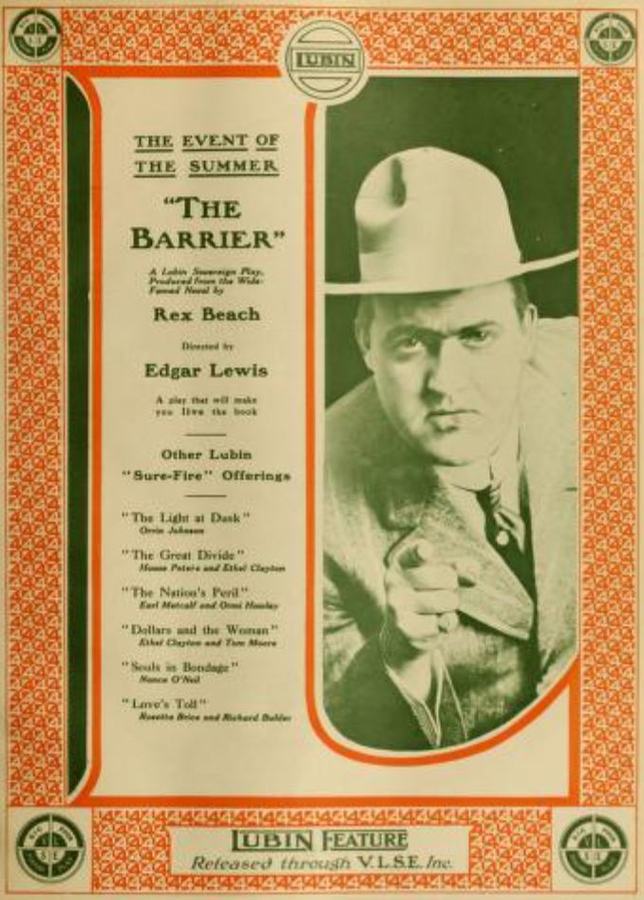
The Barrier doesn’t just unfold—it exhales, a slow plume of frozen breath that crystallizes into icicles of prejudice dangling over every frame.
Rex Beach and adapter Adrian Gil-Spear sculpt the Yukon into a moral glacier: white on top, brown beneath, and fissures everywhere. When cinematographer William J. Gross (also playing the tight-lipped Mountie Stark) tilts his camera skyward, the aurora borealis ripples like a silk scarf dropped by a guilty god—an oneiric reminder that love, too, can shimmer yet never warm the landscape below.
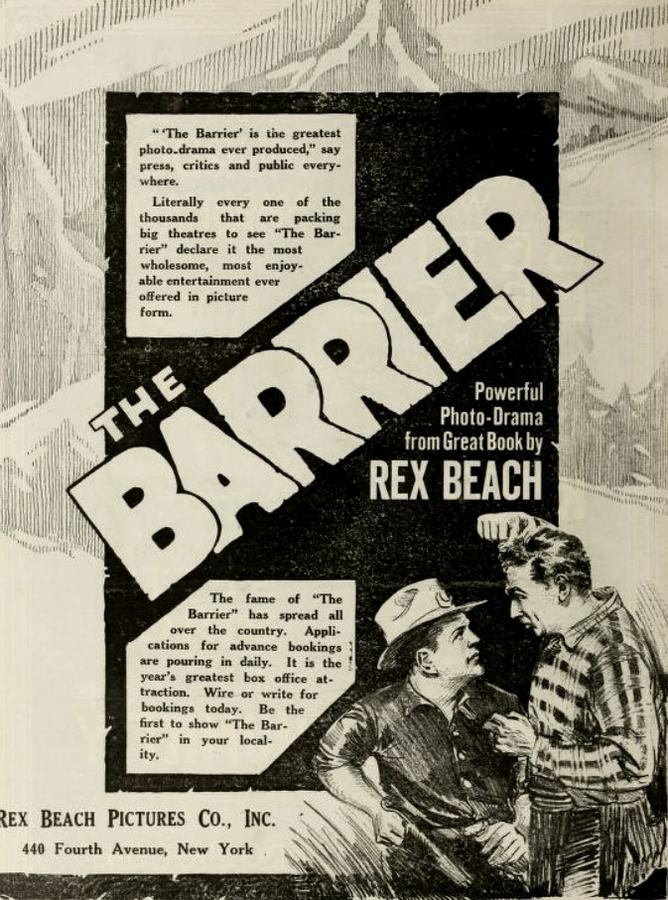
Victor Sutherland’s Lt. Burrell is all jawline and jitters; his stoicism fractures in micro-tremors whenever Necia—Mabel Julienne Scott in a career-crowning turn—enters the room. Scott, half Lakota herself, suffuses Necia with the wary grace of a deer that has already heard the rifle click. Watch her fingers worry the fringe of her buckskin coat: each twitch is a Morse code of internalized shame. When she renounces the engagement, the line I won’t be the stone that sinks you
is delivered not with melodramatic flourish but a whisper that frosts the windowpane behind her. The camera lingers until her breath fades, and for a heartbeat we witness the literal disappearance of a woman’s right to choose.
Howard Hall’s John Gale, the fur-trading father, carries the pouchy eyes of a man who has bartered pelts, principles, and finally paternity. In the saloon scene—lit by a single kerosene lamp that swings like a pendulum—Gale’s confession that he once abandoned Necia’s mother lands like a tomahawk between the shoulder-blades. The lamp’s flame flares yellow (#EAB308) each time guilt spikes, a visual motif as subtle yet searing as a brand.
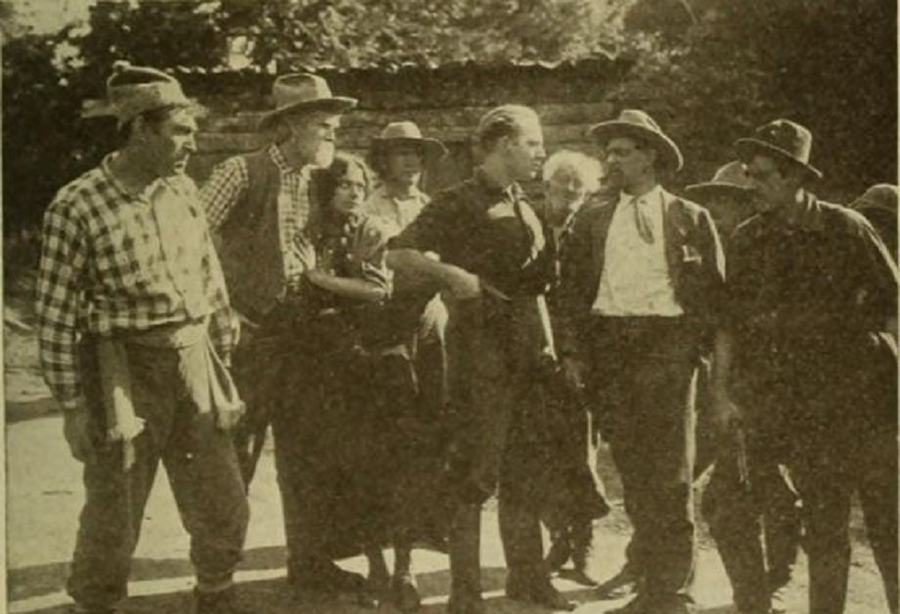
Edward Roseman’s mysterious courier, credited only as The Man from Downriver,
arrives clutching a weather-sealed envelope. Instead of the expected land deed, it contains baptismal records proving Necia’s mother was legally married under Anglican rite—thus elevating Necia from half-breed
to legitimate heiress
in the ledger books of empire. The film refuses to celebrate this revelation; rather, Scott’s eyes flood with sorrow. legitimacy, she seems to say, is just another collar, albeit silver instead of iron.
Russell Simpson’s town preacher denounces the document from his pulpit, a wooden structure so bleached it resembles a whale’s ribcage. The sermon—intercut with close-ups of parishioners’ boots shuffling nervously—exposes that the barrier was never genealogical but psychological: a picket fence hammered into the permafrost of collective ego. One expects the choir to swell; instead, the organ hiccups, its pipes clogged with ice. Silence becomes the congregation’s only hymn.
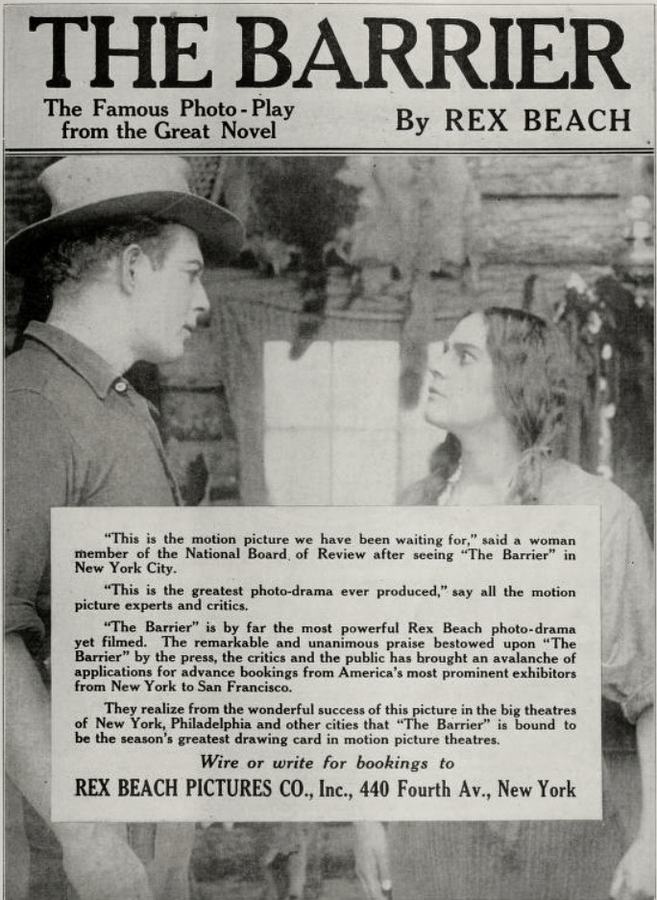
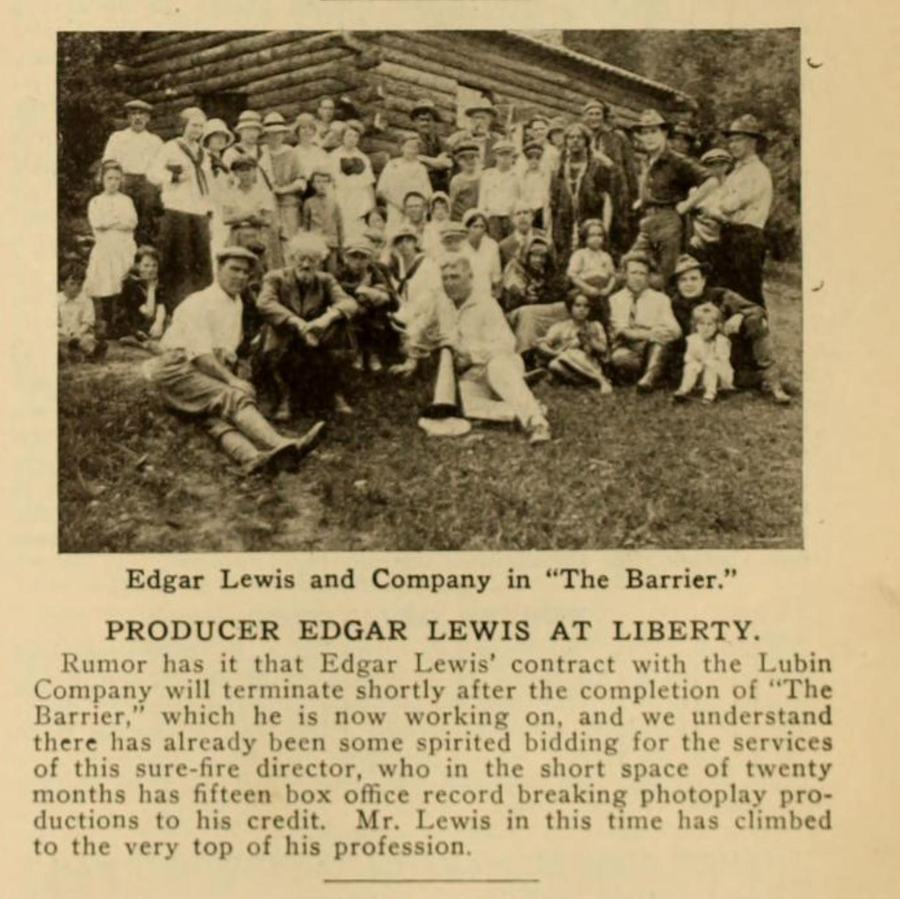
Gross and director Reginald Barker deploy tinting like emotional Morse: amber for interior warmth that never reaches the soul; cobalt for exteriors where morality turns brittle. A pivotal two-shot frames Necia and Burrell through a frost-laced window, their faces bisected by lead muntins—an architectural metaphor for the 1890 Dawes Act parceling Indigenous identity into allotments. When Burrell finally smashes the pane with his gloved fist, the shards tumble in slow motion (achieved by reversing the camera crank), each splinter a suspended verdict.
Compare this to The Way Back where windows become confessional grilles; here they are simply barriers with better PR.
Though originally released with a cue sheet recommending Indian Lament
on violin for Necia’s scenes, most surviving prints are mute. That absence is accidental genius. The crunch of sled runners, imagined off-screen, becomes a metronome of dread. During a 2019 Anthology Film Archives screening, a live trio improvised a score dominated by breathy flute and brushed snare—an aural snowfall that heightened the film’s central paradox: the louder the outside world stays, the more deafening the inner silence of oppression.
Notice how men in the film chart territory with straight red lines across maps, while women—Necia, her departed mother, even Mary Carr’s saloon matron—navigate by stars, intuition, and the curvature of rivers. When Necia finally steps onto the ice floe at night, the camera cranes upward to reveal her silhouette encircled by moonlit cracks resembling a spider’s web. She is both prey and spinner, caught in a design she inherited yet determined to re-weave.
Where The Incomparable Mistress Bellairs trades in Restoration wigs and gendered wordplay, The Barrier strips courtship to its thermal long-johns: no powdered wit, only chilblained urgency. Likewise, The Love Mask hides identity behind velvet dominoes; here the mask is epidermal, indelible, and government-issued.
Yet all three pivot on the same axis: desire as civil disobedience. If you binge them sequentially, watch for the moment each heroine tears off her societal disguise—Bellairs flips a peruke, Necia peels away a false surname scrawled on a marriage license, the masked lover of the latter film drops a brocade veil. The gesture is universal; the penalty, historically contingent.
In 1978 a reel labeled Barr
was pulled from the permafrost of a Dawson hockey rink—literally frozen for five decades. The acetate reeked like vinegar and moose piss, but under the North West Studio’s sodium lights, images resurfaced: Necia’s tear tracks crystallized like snail trails on nitrate. A 2022 4K scan by the Library of Congress, funded in part by a Kickstarter spearheaded by Inuit activists, corrected tint fading while retaining emulsion scratches that resemble birch bark. The result is a ghost-story shimmer—history haunting itself.
The film ends not on the expected clinch but on a medium shot of Burrell alone, ring box in hand, staring across an expanse of river that refuses to freeze evenly. The ice is thinnest where Indigenous children skate furthest from shore. He closes the box, pockets it, and turns back toward the fort. No swelling intertitle declares The End
; instead, a slow fade to black implicates the audience: we are now the barrier.
That refusal of closure feels startlingly modern, akin to the existential shrug in Vultures of Society or the open-ended carnage of The Battle of Shiloh. Yet here the battlefield is the human heart, its casualties unlisted, its veterans forever guarding a frontier that exists only because enough people agreed it did.
Seek out The Barrier however you can: streaming on Criterion Channel through April, or via a 16 mm print touring universities this fall. Bring mittens; you’ll need them to wipe away the frost on your soul.
IMDb 6
1917
Community
Log in to comment.