DbcultAccessing Vault...
Cult Review
Senior Film Conservator
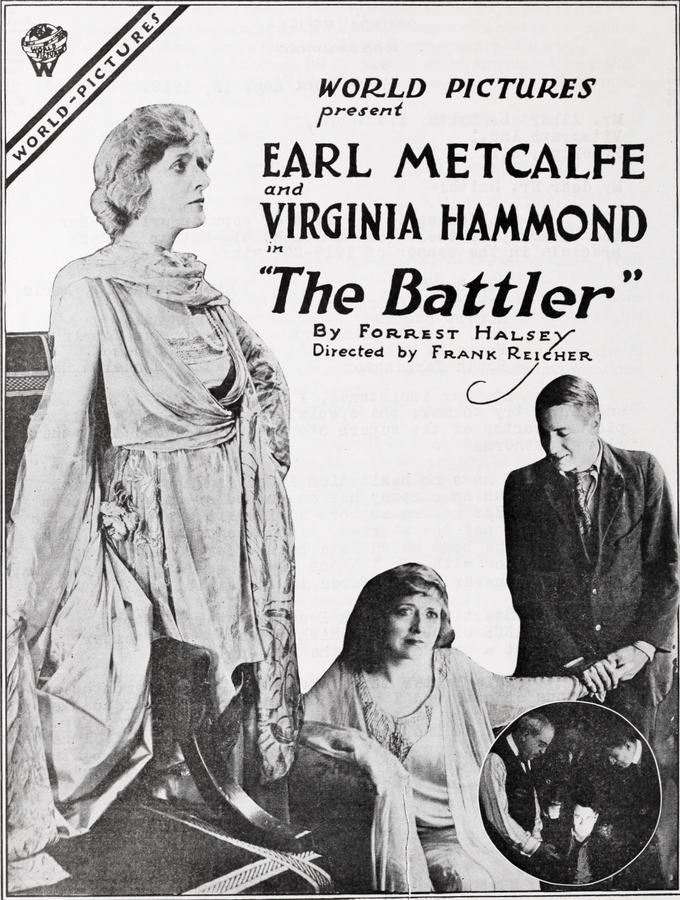
Ah, the silent era. A time when narrative prowess relied not on booming dialogue, but on the raw power of visual storytelling, exaggerated expressions, and the evocative strains of a live orchestra. And few films encapsulate this potent blend of melodrama, social commentary, and visceral action quite like The Battler. Released in tumultuous 1919, this film, penned by Forrest Halsey and Harry O. Hoyt, plunges us headfirst into a world where societal facades crumble under the weight of primal passions, where the glint of a boxing glove can be as deadly as the flash of a pistol. It’s a compelling journey into the dark underbelly of human nature, a testament to the enduring allure of a well-spun tale of love, betrayal, and unexpected kinship.
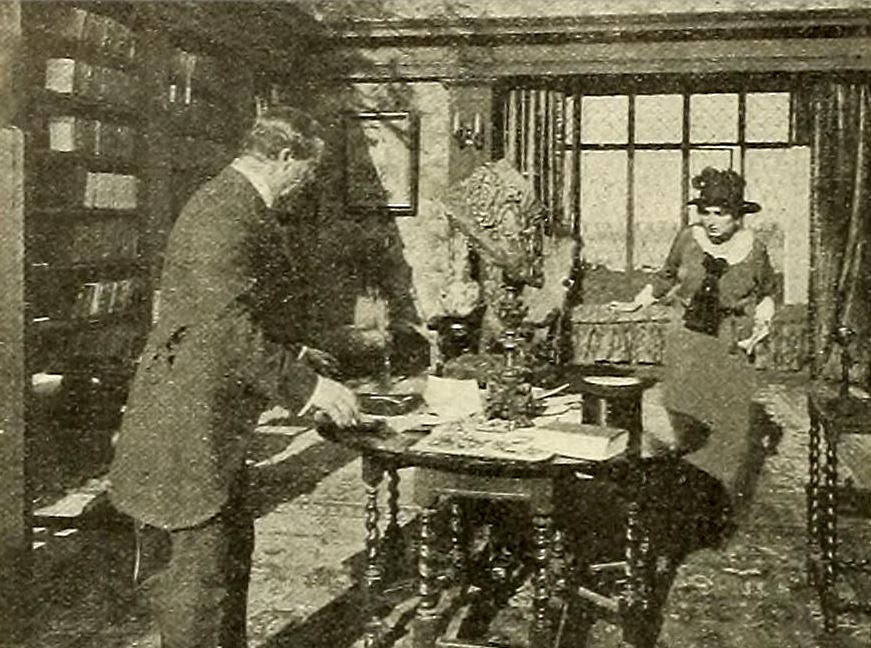
Our protagonist, Jim Fortune, portrayed with a commendable blend of earnestness and latent power by Harry C. Browne, is introduced as a clean-living pugilist, a man of principle navigating the often-sordid landscape of the Bowery. His path fatefully intersects with Angelica Hart (Florence Malone), a woman ensnared in a gilded cage of domestic torment. Her husband, Duncan Hart (Edwin Denison), an amateur society boxer whose polished exterior belies a vicious temper, becomes the catalyst for the unfolding drama. It's a classic setup: the virtuous outsider encountering the vulnerable victim, a narrative trope that, while familiar, is executed here with a surprising degree of psychological depth for its time. The initial assault in a Bowery café is not merely an inciting incident; it's a stark declaration of the film's intent to explore the uglier facets of human relationships, particularly within the confines of marriage.
The confrontation escalates, moving from the squalor of the Bowery to the veneer of high society. A dinner party, ostensibly a celebration, transforms into an arena for a boxing bout between Jim and Duncan. This scene is pivotal, not just for its kinetic energy, but for the profound emotional revelation it delivers. As Jim observes the cruel whip marks scarring Angelica's neck, a silent fury ignites within him. This isn't just about winning a fight; it's about righteous indignation, a primal urge to protect the defenseless. Browne’s portrayal here is particularly potent, conveying a simmering rage that culminates in Duncan’s emphatic knockout. It’s a moment of catharsis, a brief triumph of justice, yet one that inevitably foreshadows deeper, more tragic repercussions.
The film swiftly plunges into darker territory. Duncan Hart, humiliated and seething, seeks revenge on Angelica. What follows is a chaotic struggle involving not just the couple, but two unexpected figures: 'Toad' Jennings (Irving Brooks), Duncan's former trainer and a man consumed by drug addiction, and Mrs. Dale (Virginia Hammond), a widow with whom Duncan had been engaged in a clandestine romance. The gun goes off, and Duncan lies dead. This sudden turn of events masterfully heightens the stakes, transforming a domestic drama into a murder mystery. The confluence of these characters – the abusive husband, the wronged wife, the junkie trainer, and the jilted lover – creates a volatile cocktail of motives and resentments, each contributing to the tragic outcome.
The immediate aftermath introduces Hagan (Frank Hagney), Duncan's powerful and vengeful father, who vows to see Angelica and Jim pay for his son's death. This paternal grief, however misguided, adds another layer of emotional complexity to the narrative. The ensuing arrest and investigation are handled with a blend of procedural tension and melodramatic flair, characteristic of the era. The audience is left to ponder the true perpetrator, navigating a labyrinth of half-truths and simmering animosities.
Just when the narrative seems to settle into a familiar pattern of accusation and defense, The Battler delivers a truly unexpected twist: Hagan realizes that Jim Fortune is, in fact, his own son from his first marriage. This revelation is a masterstroke, transforming the vengeful father into a conflicted figure, his desire for retribution clashing violently with newfound paternal affection. It’s a powerful exploration of identity, lineage, and the enduring consequences of past actions. Hagan's brutality in his youth, which drove his first wife away, now circles back to haunt him, manifesting in the very man he sought to destroy. This thematic resonance elevates the film beyond a simple crime drama, pushing it into the realm of Greek tragedy, where sins of the father reverberate through generations.
The resolution to the murder mystery is equally compelling. 'Toad' Jennings, driven by his own grievances against Duncan, confesses to the killing. This moment of redemption for a character previously depicted as morally compromised adds a layer of nuance to the film’s moral landscape. It suggests that even in the darkest corners of society, a flicker of conscience can remain. With their names cleared, Jim and Angelica are free to acknowledge the burgeoning love that has blossomed amidst the chaos. Their journey, forged in the crucible of shared adversity, culminates in a poignant recognition of their emotional bond. It’s a conclusion that, while perhaps leaning into romantic idealism, feels earned after the harrowing trials they’ve endured.
The ensemble cast, under the direction of an uncredited but clearly capable hand (as was common in early cinema), delivers performances that are both expressive and deeply rooted in the dramatic conventions of the time. Harry C. Browne, as Jim Fortune, projects a quiet strength and moral fortitude that anchors the film. His transformation from stoic pugilist to a man grappling with familial revelations is handled with a commendable subtlety, especially considering the limitations of silent acting. Florence Malone, as Angelica Hart, embodies the archetype of the beleaguered woman, yet she imbues Angelica with a resilience that prevents her from becoming a mere damsel in distress. Her emotional range, particularly in scenes of fear and defiance, is palpable.
Edwin Denison's portrayal of Duncan Hart is suitably villainous, capturing the volatile arrogance of a man accustomed to privilege and impervious to consequence. Irving Brooks, as 'Toad' Jennings, is particularly memorable. His depiction of a drug addict, a character often relegated to caricature, manages to evoke a degree of pathos, making his eventual confession all the more impactful. The supporting cast, including Barry Whitcomb, Earl Metcalfe, Virginia Hammond, Al Stewart, and Frank Hagney, each contribute to the rich tapestry of characters, adding depth and verisimilitude to the film's world.
The film's visual language is a fascinating study in early cinematic techniques. The use of close-ups to emphasize emotional states, the dynamic framing of the boxing sequences, and the evocative set designs (particularly the stark contrast between the Bowery's grit and society's opulence) all contribute to its effectiveness. The pacing, while occasionally deliberate by modern standards, allows for a meticulous unfolding of the complex plot, ensuring that each twist and turn lands with maximum impact. The writers, Forrest Halsey and Harry O. Hoyt, crafted a narrative that, despite its melodramatic flourishes, remains remarkably intricate and emotionally resonant.
The Battler resonates with several enduring themes: the pervasive nature of violence, both physical and emotional; the corrosive influence of class distinctions; and the redemptive power of truth and love. The film’s exploration of domestic abuse, while perhaps not as explicit as contemporary cinema, is nonetheless chillingly effective, making Angelica's plight genuinely sympathetic. The societal critique inherent in the contrast between Jim's humble integrity and Duncan's privileged depravity is sharp and uncompromising.
When considering its place in cinematic history, The Battler stands alongside other silent era dramas that grappled with complex moral quandaries. One might draw parallels to the intense psychological drama found in Bought and Paid For, which similarly delves into the intricacies of marriage and societal expectations, albeit with a different set of power dynamics. The film's portrayal of a character like 'Toad' Jennings, an addict whose actions are driven by a mix of desperation and past grievances, might find a distant echo in the darker character studies seen in films like The Devil's Playground, which also explored the fringes of society and the moral compromises made within them. The themes of vengeance and unexpected familial revelations also bring to mind the grand narratives of classical literature, a quality often mirrored in the ambitious storytelling of early cinema.
The revelation of Jim’s true parentage, a twist worthy of Shakespeare, elevates the narrative beyond simple genre fare. It transforms Hagan from a one-dimensional antagonist into a figure burdened by his own past transgressions, adding a layer of tragic irony to his initial quest for vengeance. This intricate weaving of personal history with immediate conflict is a hallmark of sophisticated storytelling, demonstrating the depth possible even without spoken dialogue. It's a reminder that silent films, far from being simplistic, often tackled themes with a raw emotional power that could be lost in the transition to talkies.
In conclusion, The Battler is far more than just a boxing film; it is a meticulously constructed drama that deftly navigates themes of violence, class, identity, and redemption. Its enduring appeal lies in its ability to craft a compelling narrative through visual artistry and powerful performances, a testament to the talent of its cast and crew. For enthusiasts of early cinema, or anyone seeking a gripping tale that transcends the limitations of its era, this film offers a rich and rewarding experience. It reminds us that the human heart, in all its complexity and capacity for both cruelty and compassion, remains a timeless subject for cinematic exploration. Don't let its age deter you; this is a film that still packs a punch, delivering a story that is as relevant and resonant today as it was over a century ago.
— The Cinephile's Chronicler
IMDb 5.1
1911
Community
Log in to comment.