DbcultAccessing Vault...
Cult Review
Senior Film Conservator
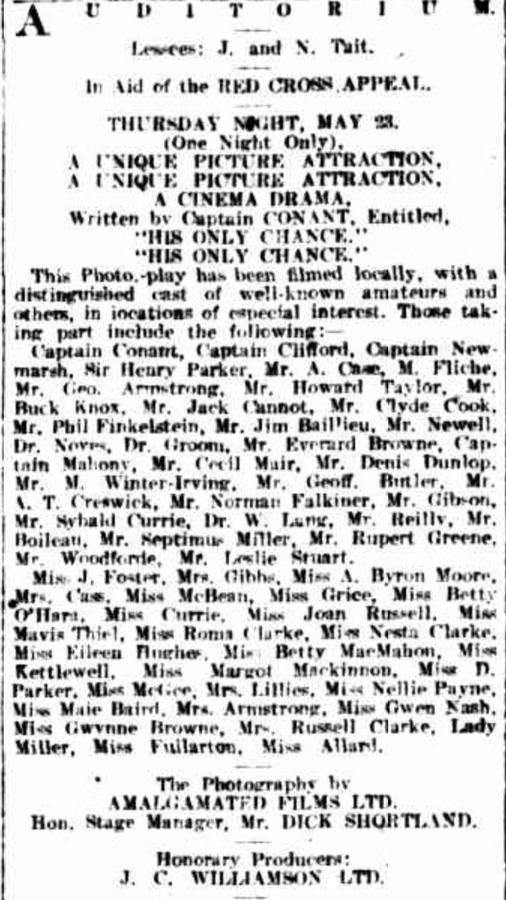
There are cinematic experiences that simply exist, and then there are those that resonate, burrowing deep into the psyche and sparking a persistent, internal dialogue long after the credits have rolled. His Only Chance, a searing examination of human frailty and the relentless pursuit of redemption, emphatically belongs to the latter category. It’s a film that eschews easy answers, instead plunging its audience into the murky waters of moral ambiguity with unflinching resolve. At its core, it’s a character study of exquisite pain and profound hope, anchored by a performance from Nigel Conant that is nothing short of revelatory, a masterclass in nuanced vulnerability and simmering desperation.
The narrative introduces us to Julian Thorne, an architect whose name once evoked visions of groundbreaking innovation, now synonymous with professional ruin. The ghost of a collapsed building, though he was legally absolved of criminal negligence, clings to him like a shroud, suffocating his spirit and eclipsing his once-bright future. Conant imbues Thorne with a palpable sense of weariness, a man visibly burdened by past failures and a present that offers little solace. His eyes, often downcast, speak volumes of a soul adrift, finding its sole anchor in the fragile existence of his ailing daughter. This paternal devotion isn't just a plot device; it's the very engine of his subsequent, agonizing choices, lending a visceral urgency to his plight that elevates the film beyond mere melodrama.
The catalyst for Thorne's potential rebirth, or perhaps his ultimate damnation, arrives in the form of Arthur Vance, a real estate mogul whose polished exterior barely conceals a predatory ambition. Vance’s offer—the design of a monumental urban development—is a double-edged sword, promising a return to professional prominence while demanding a steep toll on Thorne’s ethical compass. The film’s brilliance lies in its refusal to paint Vance as a simplistic villain; rather, he embodies the seductive power of pragmatism untethered by morality, a force that understands human weakness and expertly exploits it. The interactions between Thorne and Vance are fraught with a quiet tension, a dance between desperation and manipulation that crackles with unspoken threats and calculated inducements. It's a dynamic that recalls the intricate power plays seen in The Zero Hour, albeit with a more intimate, psychological focus on the protagonist's crumbling resolve.
What truly distinguishes His Only Chance is its meticulous deconstruction of integrity. Thorne’s 'only chance' is not merely a second shot at success; it is a crucible designed to test the very fiber of his being. He is asked to compromise his architectural vision, to sanction cost-cutting measures that flirt with danger, and to participate, however indirectly, in the downfall of a former colleague who had once testified against him. The film cleverly avoids overt, grand gestures of corruption, instead focusing on the insidious creep of small concessions, the gradual erosion of principle under the weight of perceived necessity. This gradual descent is far more terrifying than any sudden plunge, as it mirrors the subtle ways in which individuals can rationalize away their moral compass in the face of overwhelming pressure. The screenplay, taut and intelligent, refrains from lecturing, preferring to present Thorne’s dilemma with an almost documentary-like objectivity, allowing the audience to wrestle alongside him with each agonizing decision.
Nigel Conant’s performance is nothing short of a masterclass. He doesn't just play Thorne; he inhabits him, allowing us to witness the internal maelstrom that rages beneath a veneer of stoicism. There are moments of quiet despair, flashes of defiant anger, and glimpses of a haunted intelligence that still yearns to create. His portrayal avoids the pitfalls of melodrama, opting instead for a raw, understated authenticity that makes Thorne's struggles profoundly relatable. One can almost feel the weight of his past failures pressing down on him, the desperate hope for his daughter’s future propelling him forward, and the gnawing guilt of his present compromises slowly consuming him. It’s a performance that deserves to be discussed in the same breath as some of the great character studies in cinema, a testament to an actor at the peak of his powers, capable of conveying an entire universe of emotion with just a subtle shift in gaze or a tremor in his voice.
Visually, the film employs a stark, almost melancholic palette that perfectly mirrors Thorne's internal landscape. The urban environments, initially presented as symbols of decay and neglect, gradually transform into gleaming, modern structures under Vance’s influence, yet they retain an unsettling coldness, a sense of artificiality that underscores the project’s tainted origins. The cinematography often utilizes long, contemplative shots, allowing the audience to absorb the architectural details and the emotional weight of each scene. The contrast between Thorne’s humble, almost Spartan living conditions and the opulent, often sterile, world of Vance’s empire is a visual metaphor for the chasm between integrity and ambition. The use of shadow and light is particularly effective, often shrouding Thorne in darkness when he grapples with his moral quandaries, and illuminating him only when he dares to confront the truth. This deliberate aesthetic choice amplifies the film’s thematic concerns, making the environment an active participant in Thorne’s psychological journey.
The pacing of His Only Chance is deliberate, almost meditative, allowing ample space for the emotional beats to land with maximum impact. It’s a film that trusts its audience to engage with its complexities, to sit with the discomfort of Thorne’s predicament rather than rushing towards a simplistic resolution. This unhurried approach allows for a deeper immersion into the narrative, fostering a sense of empathy that might otherwise be lost in a more frenetic production. While some might find its measured tempo challenging, it is precisely this refusal to pander to modern attention spans that gives the film its enduring power. It demands patience, and rewards it with profound insights into the human condition. In a cinematic landscape often dominated by rapid cuts and explosive action, this film stands as a refreshing testament to the power of sustained narrative and character development.
The supporting cast, while not always in the spotlight, provides crucial texture to the narrative. The various figures orbiting Thorne – from his concerned but helpless daughter to Vance’s ruthless enforcers – serve as reflections of the pressures and consequences of his choices. Each interaction, however brief, adds another layer to the intricate web of deceit and desperation that Thorne finds himself entangled in. The portrayal of the rival colleague, a figure from Thorne's past whose fate is now intertwined with his present, is particularly poignant. It forces Thorne to confront not just the ethical implications of his actions, but also the personal cost of betrayal, both to others and to himself. This adds a compelling layer of personal vendetta and professional rivalry that complicates an already fraught situation, reminiscent of the intricate social dynamics explored in films like By Power of Attorney, where personal agendas often clash with broader legal or moral frameworks.
Thematically, His Only Chance is a rich tapestry woven with threads of ambition, integrity, forgiveness, and the elusive nature of true redemption. It asks profound questions: Can one truly atone for past mistakes by committing new ones? Is the welfare of loved ones a justifiable excuse for moral compromise? And what is the true cost of reclaiming a lost legacy? The film doesn't offer easy answers, instead leaving the audience to ponder these complex dilemmas long after the final scene fades. It’s a film that resonates with the timeless struggles of individuals caught between their aspirations and their conscience, echoing the grand moral narratives found in classics like Intolerance, though on a much more intimate, personal scale. The internal conflict is the true spectacle here, far more gripping than any external drama.
The climax of the film is a masterstroke of emotional intensity and narrative resolution. Thorne, having discovered the full extent of Vance's machinations, is faced with a definitive choice: expose the truth, thereby jeopardizing his daughter's future and his own fragile path to redemption, or succumb entirely to the corrupting influence that has shadowed him. Conant’s portrayal in these final moments is electrifying, a raw display of a man pushed to his absolute breaking point, yet finding a flicker of the moral courage that had long been dormant. It’s a confrontation that is less about physical prowess and more about the battle for one’s soul, a quiet triumph of spirit over the insidious demands of power. The resolution, while not saccharine or overly optimistic, feels earned, a poignant testament to the enduring human capacity for integrity, even in the face of overwhelming odds. It’s a moment that could easily have veered into cliché, but through careful writing and Conant’s understated delivery, it achieves genuine catharsis.
In an era where much of cinema strives for spectacle, His Only Chance reminds us of the enduring power of intimate storytelling and profound character development. It’s a film that doesn’t shout its message but whispers it, allowing its themes to unfold organically and resonate deeply within the viewer. It is a powerful meditation on the choices that define us, the prices we pay for our ambitions, and the enduring human struggle to reconcile our past with our aspirations. This isn't just a film to watch; it's a film to experience, to ponder, and to discuss. It cements Nigel Conant's status as an actor of formidable depth and confirms the film as a significant entry in the canon of character-driven dramas. It's a challenging watch, certainly, but one that offers immense rewards for those willing to engage with its complex moral landscape. One might even compare its intricate web of personal dilemmas and high stakes to the narrative complexities of A Hyeroglyphák titka, where hidden truths dictate the fate of the protagonists.
Ultimately, His Only Chance is a triumph of thoughtful cinema. It’s a film that lingers, prompting introspection and debate, a rare feat in today’s fast-paced world. It asks us to consider what we would do in Thorne’s shoes, how far we would go to protect those we love, and what constitutes a truly redeemed life. The answers, as the film so eloquently suggests, are rarely simple, but the journey towards finding them is undeniably compelling. The film’s quiet power lies in its ability to make the audience feel the weight of Thorne’s decisions, to empathize with his plight, and to root for his ultimate, if imperfect, salvation. It’s a stark reminder that the greatest battles are often fought not on battlefields, but within the confines of the human heart and mind. And in that intimate arena, Nigel Conant delivers a performance that will be remembered for years to come. It’s a narrative that, in its exploration of desperate measures, can be seen as a spiritual cousin to the relentless pursuit of opportunity in The Pearl of the Antilles, though focused on internal rather than external conquests.
The film's ending, without giving too much away, is deliberately ambiguous yet profoundly satisfying. It doesn't tie everything up in a neat bow, which is precisely its strength. Instead, it leaves the audience with a sense of the ongoing nature of moral struggle, the idea that redemption is not a destination but a continuous process. This nuanced conclusion avoids the pitfalls of saccharine sentimentality, reinforcing the film’s commitment to realism and its unflinching portrayal of human experience. It forces viewers to confront the lingering consequences of choices, both good and bad, and to ponder the true meaning of 'a second chance.' This kind of thoughtful closure, leaving room for contemplation, is a hallmark of truly great storytelling, much like the lingering questions presented in As in a Looking Glass. It’s a challenging, yet ultimately rewarding, cinematic journey that compels one to reflect on their own values and principles long after the screen fades to black.
In conclusion, His Only Chance is a powerful and essential piece of cinema. It’s a testament to the enduring allure of well-crafted drama, elevated by a superb script and a towering performance from Nigel Conant. It’s a film that will undoubtedly spark conversations and linger in the mind, a true triumph of storytelling that reminds us of the profound complexities inherent in the human condition. Don't miss this opportunity to witness a truly compelling narrative unfold, a story that resonates with universal truths about struggle, sacrifice, and the relentless quest for personal integrity. This is not just entertainment; it’s an experience that enriches and challenges in equal measure, solidifying its place as a standout achievement in contemporary film. Its narrative depth and psychological intensity might even draw comparisons to the profound character development seen in One Day, though His Only Chance delves into much darker, more morally ambiguous territory.
IMDb 6.5
1934
Community
Log in to comment.