DbcultAccessing Vault...
Cult Review
Senior Film Conservator
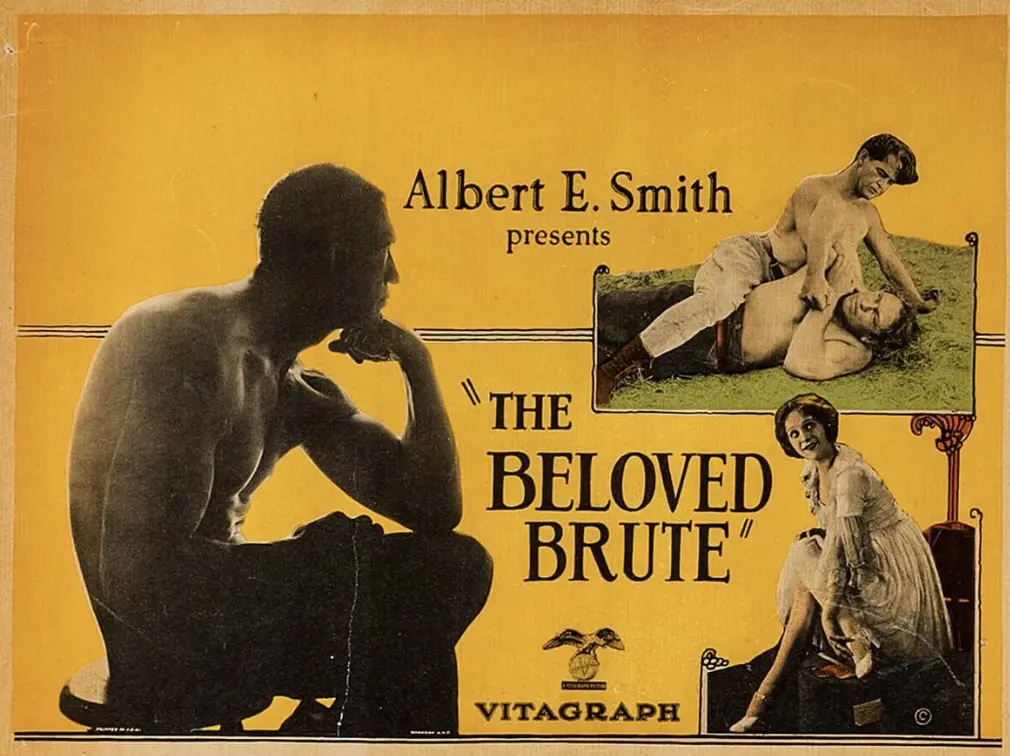
The Beloved Brute, a 1924 silent film directed by Kenneth Perkins, presents a fascinating dialectical exploration of the human condition, traversing the dichotomous landscapes of identity, morality, and redemption in the American frontier. This cinematic endeavor, though largely overlooked, warrants critical reevaluation, particularly in light of its thematic resonances with contemporaneous works such as It Happened to Adele and Revelation.
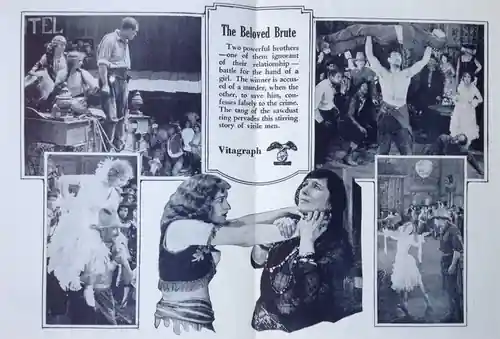
The film's narrative revolves around Charles Hinges, portrayed by Victor McLaglen, a brutish yet charismatic fighter, whose existential odyssey is precipitated by his dying father's prophecy that he will be defeated by his long-lost brother, David. This filial prediction serves as a catalyst for Charles's journey westward, accompanied by Jacinta, a dance hall girl, and Augustina, a mystic fortune-teller.
Throughout the film, Perkins employs a visually stunning aesthetic, replete with sweeping vistas of the American frontier, to underscore the tensions between civilization and the untamed wilderness. The cinematography, characterized by high contrast and dramatic lighting, effectively captures the rugged beauty of the frontier landscape, while also illuminating the complexities of Charles's character.
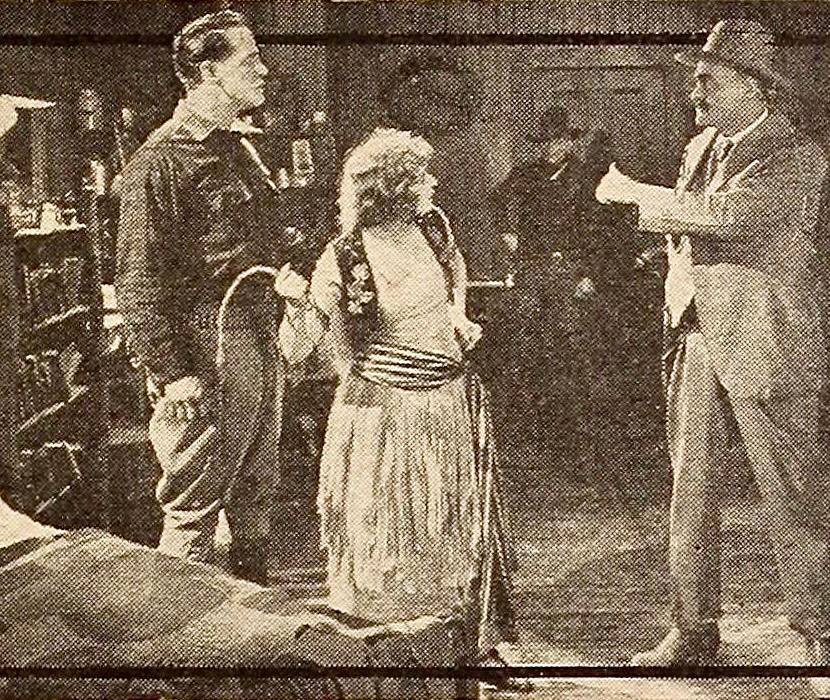
McLaglen's portrayal of Charles is multifaceted, conveying a depth of emotion and vulnerability that belies his brutish exterior. His performance is complemented by Marguerite De La Motte's nuanced depiction of Jacinta, whose agency and autonomy serve as a counterpoint to Charles's machismo. The chemistry between McLaglen and De La Motte is palpable, lending authenticity to their romance.
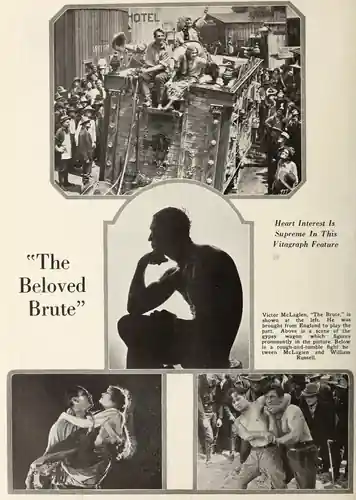
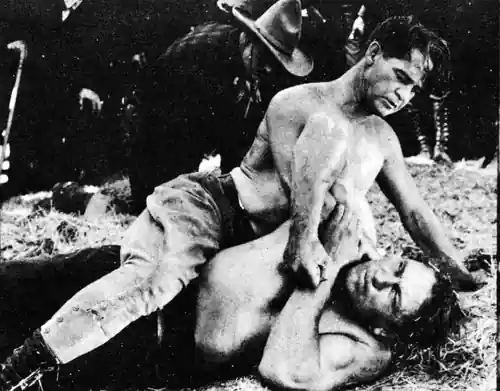
The film's central conflict is expertly orchestrated, as Charles's confrontation with his brother, David, serves as a pivotal moment of existential reckoning. This dramatic turning point, underscored by McLaglen's masterful performance, marks a significant departure from the film's otherwise lighthearted tone, injecting a sense of gravity and introspection.

In terms of thematic resonance, The Beloved Brute invites comparison with films like Big Happiness and Montmartre, which also explore the tensions between identity and morality in the early 20th century. However, Perkins's film distinguishes itself through its innovative narrative structure and visually striking cinematography.
The supporting cast, including Wilfrid North and William Russell, deliver solid performances, adding depth and complexity to the narrative. The film's score, though period-specific, effectively enhances the overall viewing experience, complementing the on-screen action with a sense of dynamism and energy.
In conclusion, The Beloved Brute is a cinematic gem that warrants critical reevaluation. Its exploration of dichotomy and redemption, coupled with its innovative narrative structure and visually stunning cinematography, render it a must-see for aficionados of silent cinema. As a work of art, it transcends its era, speaking to fundamental aspects of the human condition that continue to resonate with audiences today.
Ultimately, The Beloved Brute serves as a testament to the enduring power of cinema to illuminate the complexities of human experience. As a film critic, I highly recommend this overlooked masterpiece to anyone interested in exploring the rich landscape of silent cinema.
The Beloved Brute is a film that will reward multiple viewings, and its themes of identity, morality, and redemption will linger long after the credits roll.
IMDb 7.3
1925
Community
Log in to comment.