DbcultAccessing Vault...
Cult Review
Senior Film Conservator
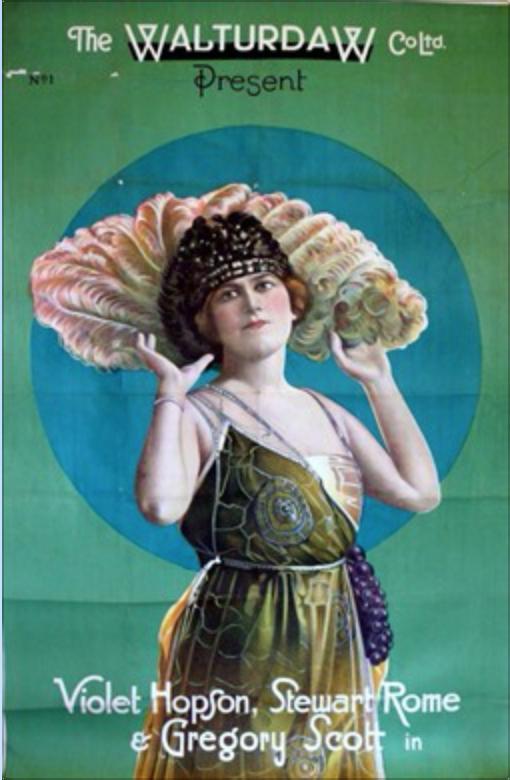
Stepping back into the early twentieth century, the silent film era often presented narratives that, despite their lack of audible dialogue, spoke volumes about human nature, societal anxieties, and the enduring quest for justice. Among these cinematic relics, 'The Case of Lady Camber' emerges as a particularly compelling piece, a meticulously crafted mystery that transcends its historical context to deliver a potent exploration of reputation, class, and the often-fragile line between truth and accusation. Directed with a keen eye for dramatic tension by Benedict James, this film, penned by James and Horace Annesley Vachell, takes a seemingly straightforward premise – a doctor's fight to exonerate an accused nurse – and weaves it into a tapestry rich with psychological nuance and moral complexity.
At its heart, 'The Case of Lady Camber' is a story steeped in the grim realities of aristocratic scandal and the vulnerability of those caught in its wake. The invalid Lady Camber, confined to her bed, represents a decaying symbol of a certain societal stratum, her suffering a silent backdrop to the moral decay festering beneath the surface. Her husband, the philandering Lord Camber, embodies a type of privileged depravity, his indiscretions not only a personal failing but a corrosive force threatening to unravel the lives around him. This portrayal of a morally compromised elite is a common thread in silent cinema, often used to critique the perceived hypocrisy of the upper classes, a sentiment echoed in films like Ruling Passions, which similarly dissected the ethical dilemmas faced by individuals caught in the crosscurrents of societal expectations and personal desires.
The narrative truly ignites with Lady Camber's sudden and suspicious death, a tragedy swiftly followed by the horrific accusation of strychnine poisoning. The finger of blame immediately points to the nurse, a figure often seen as both indispensable and inherently subordinate in the hierarchical households of the time. This immediate leap to judgment, often based on class prejudice rather than irrefutable evidence, sets the stage for a compelling fight against injustice. The film masterfully establishes the nurse's precarious position, her reputation and future hanging by a thread, a common trope in dramas where an innocent party is caught in a web of powerful forces, reminiscent of the existential dread often explored in films like According to the Code, where characters grapple with rigid societal rules and the consequences of perceived transgressions.
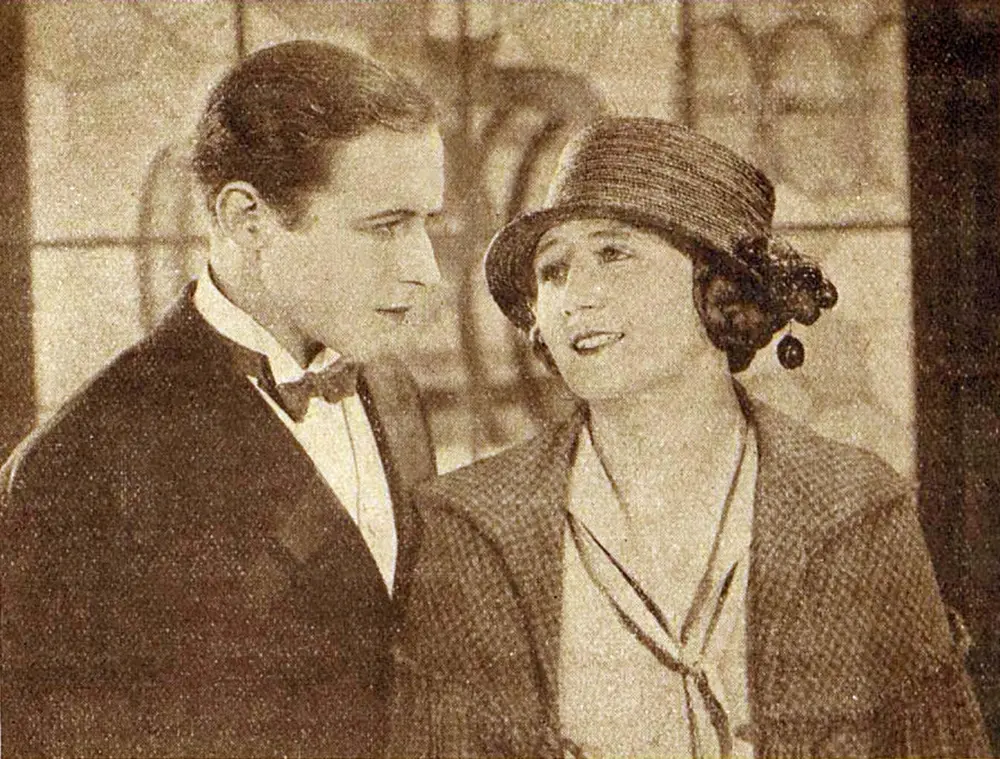
The strength of 'The Case of Lady Camber' lies not only in its intricate plot but also in the nuanced performances delivered by its cast. Gregory Scott, as the doctor, is a beacon of unwavering integrity. His portrayal is one of quiet determination, a man driven by a moral compass that points resolutely towards truth, even when confronted with societal pressure and the formidable influence of the aristocracy. Scott imbues his character with an intellectual gravitas, his expressions conveying deep thought and methodical deduction, a testament to the power of silent acting where inner turmoil and conviction must be externalized through subtle gestures and piercing gazes.
Stewart Rome's Lord Camber is a study in moral ambiguity. He is not a mustache-twirling villain in the conventional sense, but rather a man whose self-interest and casual cruelty make him inherently suspicious. Rome masterfully conveys the Lord's philandering nature and underlying shiftiness through his posture, his glances, and the way he interacts with those beneath him. His performance creates a palpable sense of unease, making the audience question his true involvement without resorting to overt villainy.
Violet Hopson, as the accused nurse, carries the emotional weight of the film. Her portrayal of innocence under duress is particularly poignant. Through her wide, searching eyes and restrained body language, Hopson communicates fear, bewilderment, and a quiet resilience. She becomes the audience's emotional anchor, making her plight deeply empathetic. The silent film era demanded a unique ability to convey complex emotional states without dialogue, and Hopson rises to this challenge, her performance a powerful argument for the expressive capabilities of the medium. Even the supporting roles, such as Polly Emery, C.M. Hallard, and Mercy Hatton, contribute to the film's rich texture, each adding layers to the societal backdrop against which this drama unfolds.
The central conflict — the accusation of strychnine poisoning — serves as a powerful catalyst for the film's dramatic trajectory. The initial evidence, often presented as damning and irrefutable, forces the audience into a state of anxious uncertainty. The film skillfully uses intertitles to present key pieces of information, allowing the audience to piece together the puzzle alongside the doctor. This interactive storytelling approach, characteristic of the silent era, enhances the suspense, drawing viewers deeper into the investigative process. The narrative avoids simplistic explanations, instead opting for a gradual unveiling of truths, mirroring the meticulous work of a forensic investigation.
The doctor's journey to prove the nurse's innocence is not a linear path. It is fraught with obstacles, skepticism from authorities, and the ingrained biases of a society quick to condemn those of lower social standing. He must navigate a labyrinth of suspicion, challenging preconceived notions and exposing the hidden motives that often lurk beneath the surface of polite society. This struggle against an entrenched system, where power often dictates perception, resonates strongly even today. The tension builds not through bombastic action sequences, but through the quiet intensity of deduction and the emotional stakes of a woman's freedom. The film’s pacing, while deliberate, never drags, each scene contributing vital information or heightening the emotional impact.
'The Case of Lady Camber' is more than just a whodunit; it's a profound social commentary. The stark disparity in power between the philandering Lord and the accused nurse is central to its thematic concerns. The ease with which the nurse's reputation is jeopardized, contrasted with the Lord's seemingly untouchable status, highlights the inherent injustices of a class-bound society. The film implicitly critiques a system where wealth and lineage could shield individuals from accountability, while those without such protections were vulnerable to the whims of rumor and prejudice. This thematic exploration of social injustice and the vulnerability of the marginalized finds echoes in other powerful silent dramas, such as A Woman's Honor, which often depicted women struggling against societal constraints and the arbitrary judgments of a patriarchal world.
The doctor, therefore, emerges not just as a detective but as a moral crusader, a champion of truth in a world clouded by deceit and social stratification. His unwavering commitment to justice, even when it means challenging powerful figures, underscores the film's optimistic belief in the power of individual integrity. The film posits that true honor resides not in social standing, but in the courage to seek and uphold the truth, a sentiment beautifully articulated in films like His Robe of Honor, which often explored the moral fortitude required to maintain one's principles in the face of adversity. The narrative meticulously peels back layers of deception, revealing how easily a reputation could be manufactured or destroyed based on societal perceptions rather than concrete facts, making a powerful statement about the fragility of public image in an era before mass media scrutiny.
The film also delves into the psychological toll of accusation. The nurse's silent suffering, her quiet despair, and her desperate hope for vindication are palpable. This human element elevates the mystery beyond mere plot mechanics, transforming it into a deeply empathetic character study. The fear of false accusation, the dread of a ruined life, and the struggle to maintain one's dignity under intense scrutiny are universal themes that resonate far beyond the specific setting of the film. The subtle ways in which the characters' internal struggles are externalized through their acting choices demonstrate the profound artistry of silent cinema.
'The Case of Lady Camber' is a superb example of visual storytelling, a hallmark of the silent film era. Without dialogue, the film relies heavily on strong cinematography, evocative set design, and the expressive power of its actors. The use of close-ups on faces to convey emotion, the strategic framing of characters to indicate power dynamics, and the careful construction of scenes to build suspense are all executed with remarkable skill. The film's aesthetic choices contribute significantly to its atmosphere, creating a sense of both domestic tranquility and lurking menace.
Intertitles, far from being mere text breaks, are integrated seamlessly into the narrative, providing crucial plot details, snippets of dialogue, and internal monologues that deepen character understanding. Their concise nature forces a focus on essential information, maintaining a brisk pace despite the absence of spoken words. The editing, while perhaps less frenetic than modern thrillers, is deliberate and effective, allowing scenes to breathe and emotions to register, but also cutting sharply when a dramatic revelation demands it. This measured pacing allows the audience to fully absorb the intricacies of the plot and the emotional weight of the characters' predicaments, making the eventual resolution all the more satisfying. The film’s ability to generate such potent dramatic energy through purely visual and textual means is a testament to the sophistication of early filmmaking techniques and the creative ingenuity of its practitioners.
'The Case of Lady Camber' stands as a compelling testament to the power of silent cinema to deliver complex, engaging narratives. Its exploration of themes like justice, class prejudice, and the pursuit of truth remains remarkably relevant, proving that foundational human struggles transcend the technological advancements of filmmaking. The performances, particularly from Gregory Scott and Violet Hopson, are captivating, demonstrating the profound ability of silent actors to convey intricate emotional landscapes. For those interested in the evolution of the mystery genre or the social commentary inherent in early cinema, this film offers a rich and rewarding viewing experience.
It’s a film that reminds us that while the tools of storytelling may change, the human desire for fairness, the fear of false accusation, and the eternal battle between good and evil remain constant. 'The Case of Lady Camber' is not merely a historical curiosity; it is a vibrant, thought-provoking drama that continues to engage and challenge its audience, solidifying its place as a significant work within the silent film canon.
IMDb 6.3
1927
Community
Log in to comment.