DbcultAccessing Vault...
Cult Review
Senior Film Conservator
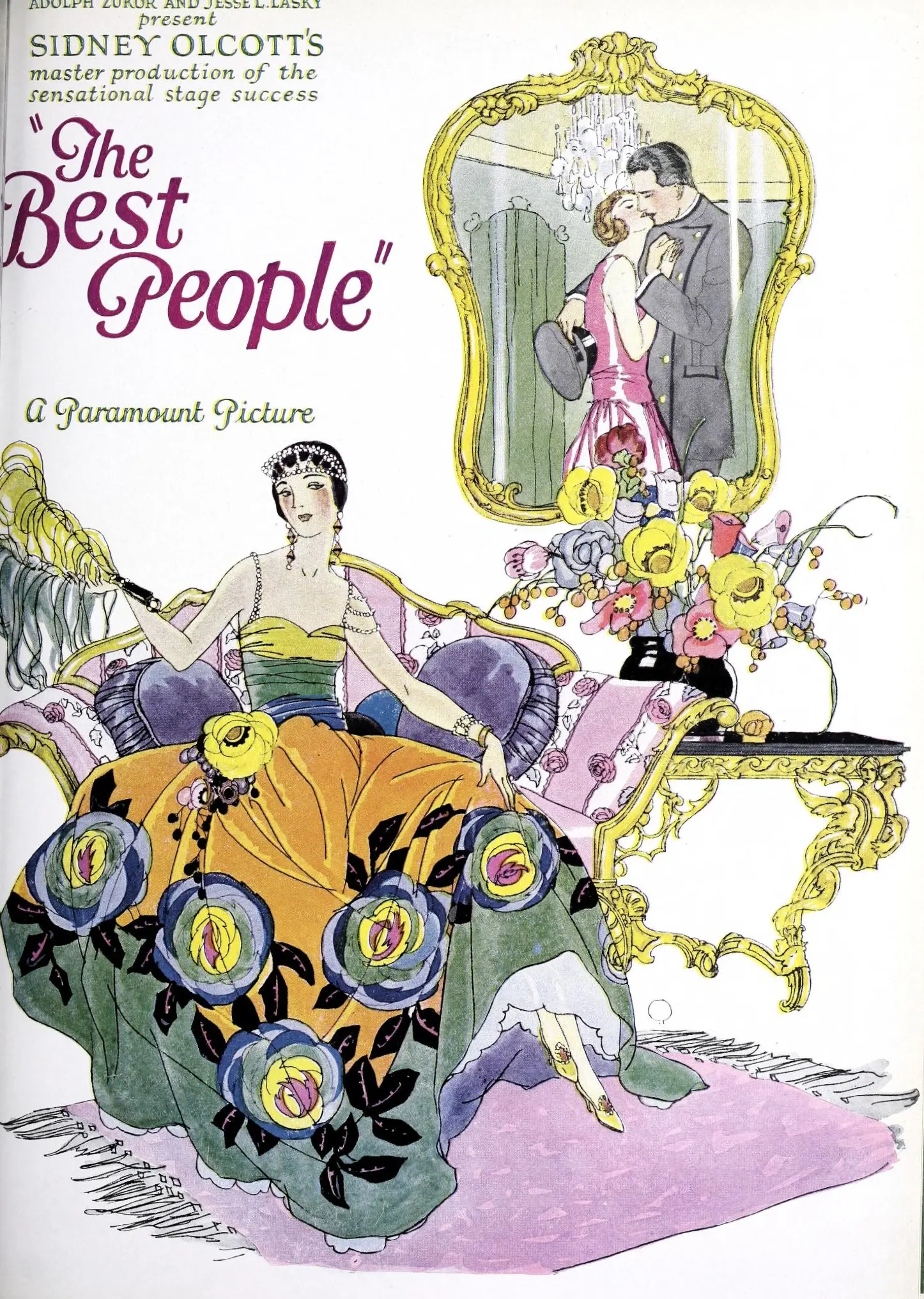
In the heart of 1930s Hollywood, a film that dared to challenge the norms of its time, The Best People, offers a compelling narrative that intertwines personal desires with the strictures of social standing. Directed by the esteemed Warren William and featuring an ensemble cast that includes Margaret Morris and Warner Baxter, the film presents a rich tapestry of emotions and conflicts that resonate with a timeless appeal.
The story centers on the Lenox family, a wealthy household where societal expectations are paramount. The matriarch of the family, driven by the desire to maintain the status quo, envisions a future where her children marry within their social class. However, this vision is challenged by the very fabric of their personalities and the individuals they have grown to love.
Bertie, the younger brother, falls deeply in love with Sally O’Neil, a vibrant and talented chorus girl, while Marian, the younger sister, finds herself drawn to Henry Morgan, the family chauffeur. The contrast between their dreams and the reality of their family’s expectations sets the stage for a narrative that explores the complexities of love, loyalty, and the struggle against societal constraints.
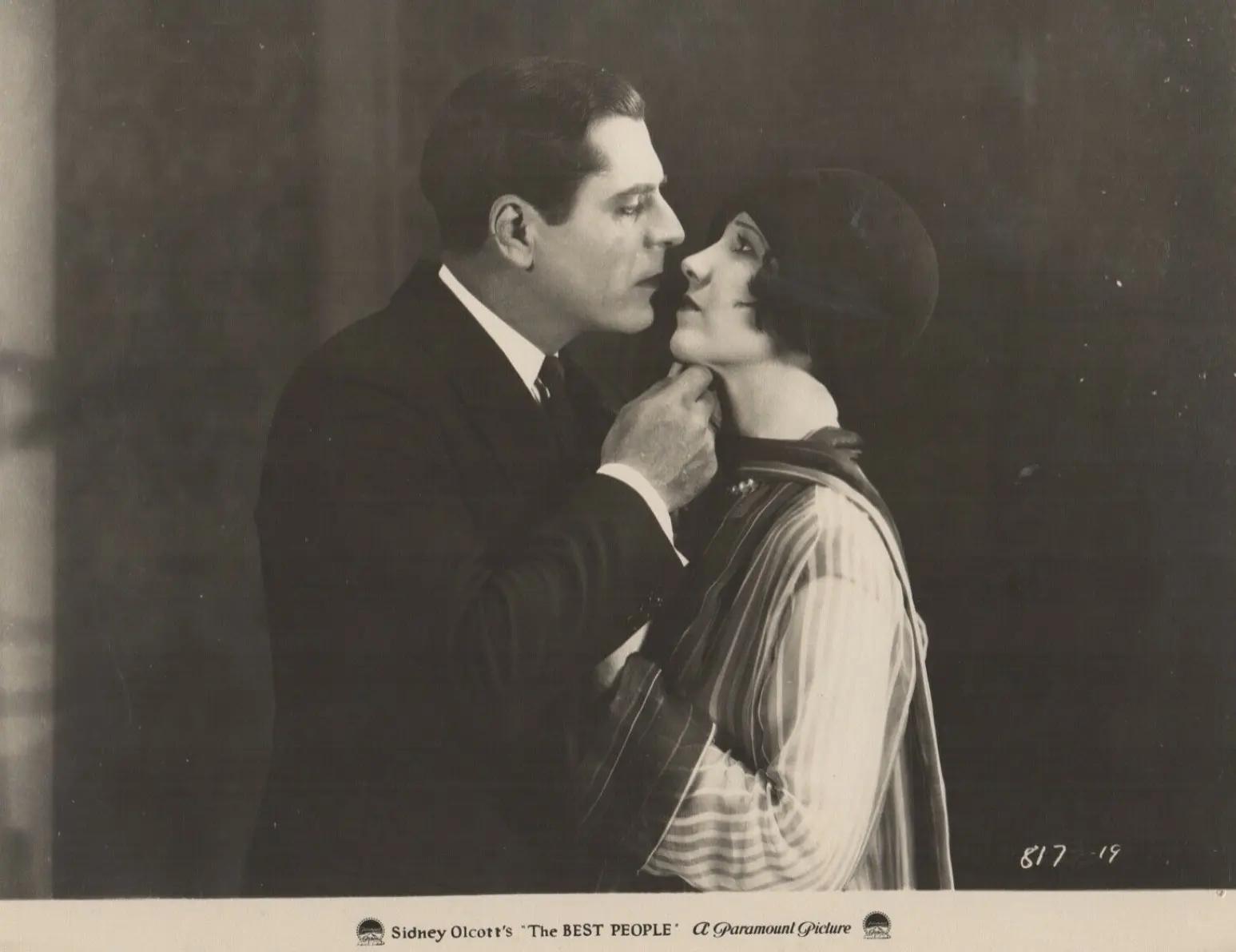
From the outset, the film establishes a sense of tension and conflict. The initial scenes introduce us to the Lenox household, a place where wealth and privilege are evident in every corner. The family’s rigid adherence to social norms is palpable, creating a backdrop against which the characters’ desires and conflicts play out. The use of opulent settings and lavish costumes effectively underscore the film’s exploration of class and status.
The chemistry between the lead actors is palpable, particularly between Margaret Morris as Marian and Warner Baxter as Bertie. Their interactions are filled with a mix of tenderness and rebellion, reflecting the internal struggles they face. The subplot involving Henry Morgan, portrayed with depth by Ernie Adams, adds another layer to the narrative, highlighting the complexities of love and the challenges faced by those outside the conventional social circle.
One of the film's strengths lies in its nuanced portrayal of the characters. The script, penned by Bernard McConville, Avery Hopwood, and David Gray, delves into the psychological and emotional depths of the characters. Each character is given a unique voice and motivation, making their struggles and triumphs feel authentic and relatable. The dialogue is sharp and witty, often serving as a vehicle for social commentary and critique.
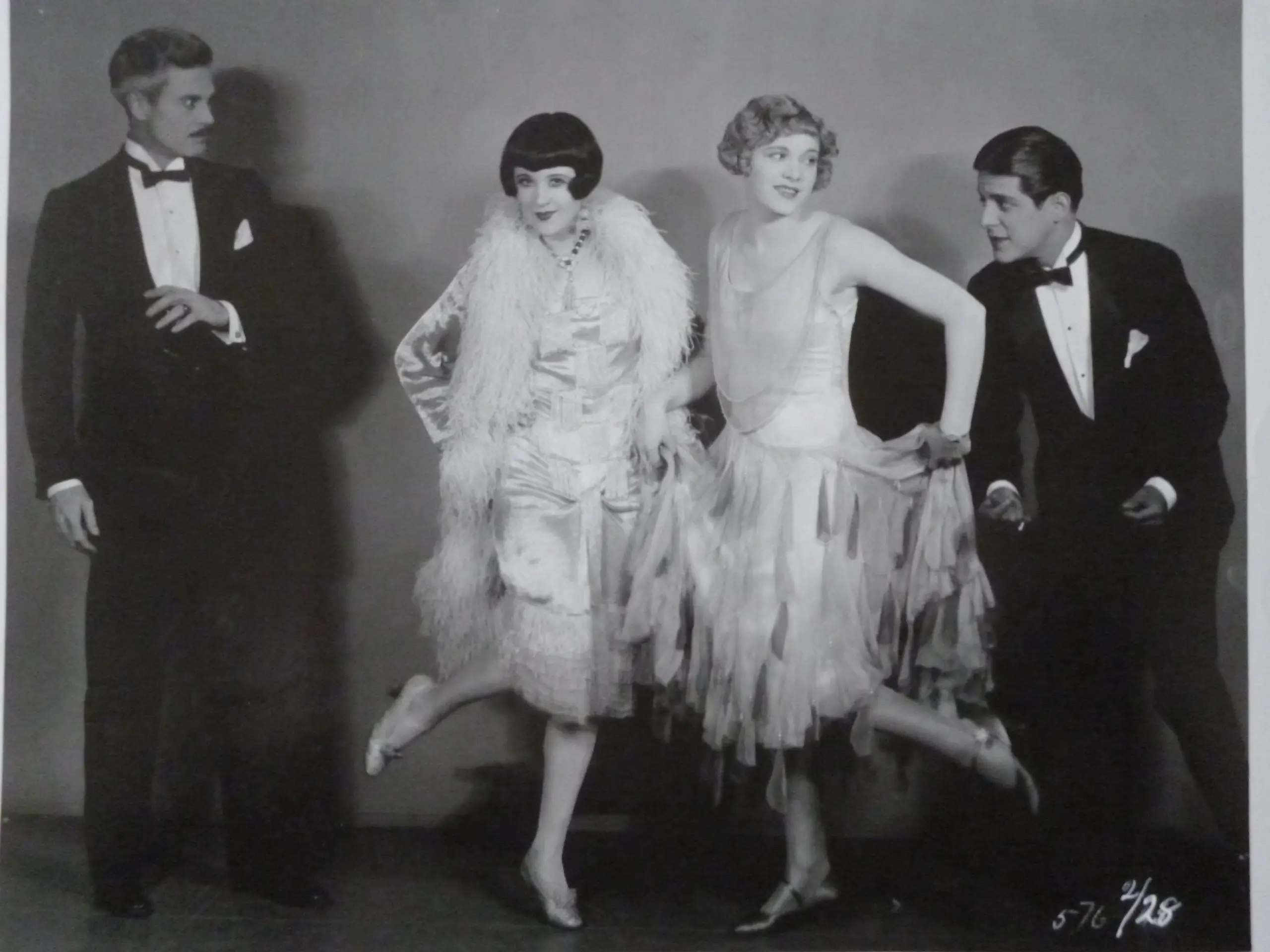
The film also excels in its ability to balance the characters’ personal conflicts with the broader societal themes. The tension between individual desires and societal expectations is a recurring motif, reflecting the film’s exploration of the human condition. The family’s attempts to intervene in the young couple’s love lives serve as a metaphor for the ways in which societal norms can stifle individual freedom and happiness.
Technically, the film is a marvel of its era. The cinematography, with its use of deep focus and creative framing, enhances the storytelling, drawing the audience into the world of the characters. The score, composed to complement the narrative’s emotional arc, adds a layer of melancholy and hope, underscoring the characters’ journeys.
Comparatively, 'The Best People' shares thematic similarities with films like No Parking and Le Marchand de Plaisirs, both of which delve into the complexities of love and class in different cultural contexts. However, 'The Best People' stands out for its authentic portrayal of its characters and its willingness to explore the darker aspects of their desires and conflicts.
Overall, 'The Best People' is a film that invites viewers to reflect on the nature of love, the constraints of social norms, and the individual’s struggle to find their place in the world. It is a testament to the power of storytelling and the enduring relevance of its themes, making it a must-watch for film enthusiasts and anyone interested in the intersection of personal and societal narratives.

IMDb —
1934
Community
Log in to comment.