DbcultAccessing Vault...
Cult Review
Senior Film Conservator
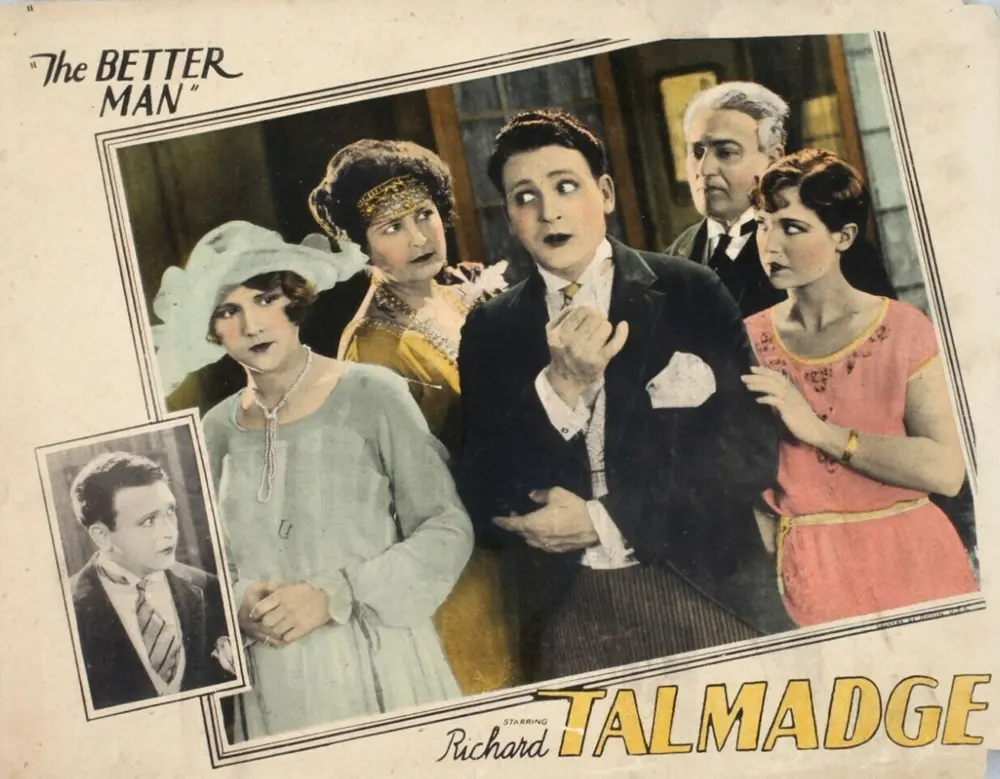
Short answer: Yes, but it requires a discerning eye and a passion for silent films. The Better Man (1926) is a period drama that delves into the complexities of love, loyalty, and deception, making it a worthwhile watch for those interested in early Hollywood.
Directly answering the question: This film is a gem for silent film enthusiasts, offering a rich narrative and stellar performances. However, if you're looking for flashy special effects or modern storytelling, you might find it somewhat archaic. That said, it's a must-see for those who appreciate the nuance and depth of early film.
This film works because of its intricate plot and the nuanced performances, particularly from John Steppling as Lord Hugh Wainwright. The story is both engaging and thought-provoking, exploring themes of class, love, and moral integrity.
This film fails because it relies on a slow pace and an outdated narrative structure, which may not appeal to contemporary audiences. The lack of modern special effects and the reliance on silent dialogue can be challenging for modern viewers, who are accustomed to fast-paced storytelling and visual thrills.
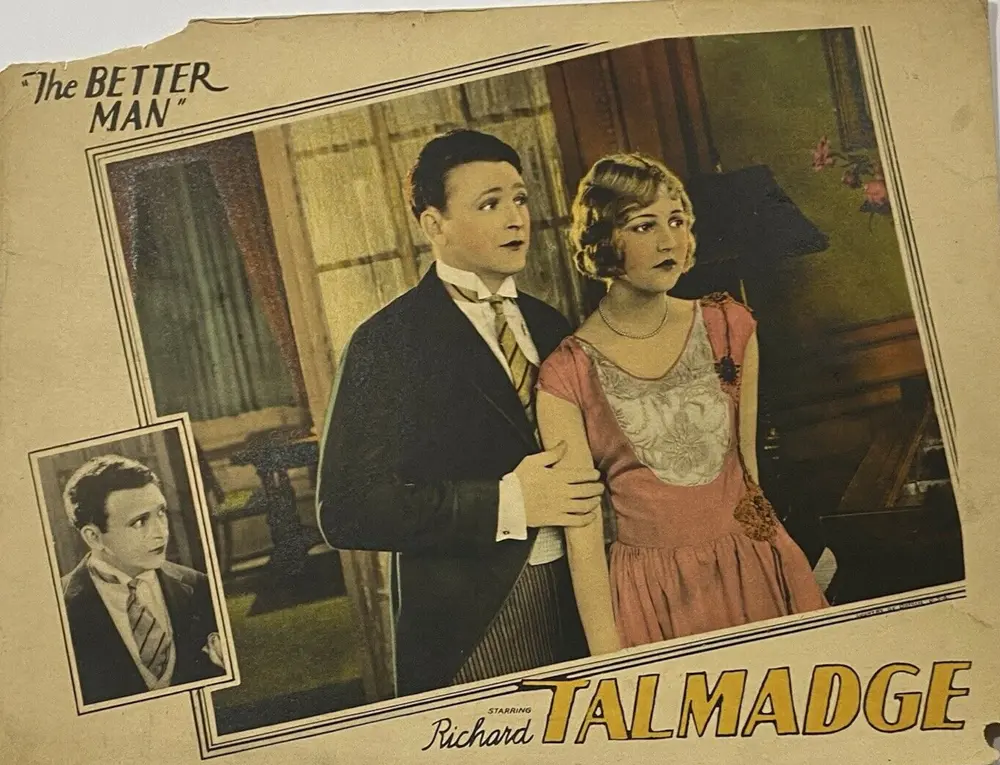
You should watch it if you're a fan of silent films or have an interest in historical dramas that delve into complex moral and social issues. It’s also worth a watch for those who appreciate the artistry of early filmmaking and the performances of its actors.
John Steppling’s portrayal of Lord Hugh Wainwright is particularly noteworthy. His performance is nuanced and layered, effectively conveying the character’s journey from a lowly valet to a nobleman, and his love for Nancy Burton. Richard Talmadge also delivers a commanding performance as Uncle Phineas Ward, adding depth to the character’s villainy.
The cinematography of The Better Man is striking, with beautiful scenes that capture the grandeur of early 20th-century America. The film’s use of natural light and shadow enhances the mood and atmosphere of each scene, making it visually engaging even by today's standards.
Clifford Howard’s direction is meticulous, ensuring that every scene is well-paced and emotionally charged. The film’s pacing, while sometimes slow, is efficient in its storytelling. Howard’s use of close-ups and medium shots is particularly effective in conveying the characters' emotions and motivations.
The film’s pacing is deliberate, which can be both a strength and a weakness. While it allows for deeper character development and emotional resonance, it can also be slow for modern audiences accustomed to fast-paced narratives. The tone is generally somber and reflective, with moments of humor and intrigue that add to the overall experience.
The plot is intricately woven, with multiple layers of deception and intrigue. The story explores themes of class, love, and moral integrity, making it a compelling watch. The narrative is well-structured, with a clear beginning, middle, and end, despite the slow pace. The twist ending is satisfying and adds a layer of complexity to the story.
Yes, The Better Man is a film that rewards careful watching and appreciation. It’s not for everyone, but for those who enjoy the subtleties of early cinema, it offers a rich and rewarding experience. Its nuanced performances and intricate narrative make it a standout in the silent film genre.
Pros: Intricate plot, stellar performances, visually engaging cinematography, rich narrative structure.
Cons: Slow pacing, reliance on silent dialogue, may not appeal to modern audiences.
It works. But it's flawed. The Better Man is a film that requires patience and a passion for early cinema. Its intricate plot and nuanced performances make it a rewarding watch for those willing to invest the time and effort. While it may not be for everyone, it’s a standout in the silent film genre and a must-see for anyone interested in the artistry of early filmmaking.
IMDb —
1934
Community
Log in to comment.