DbcultAccessing Vault...
Cult Review
Senior Film Conservator
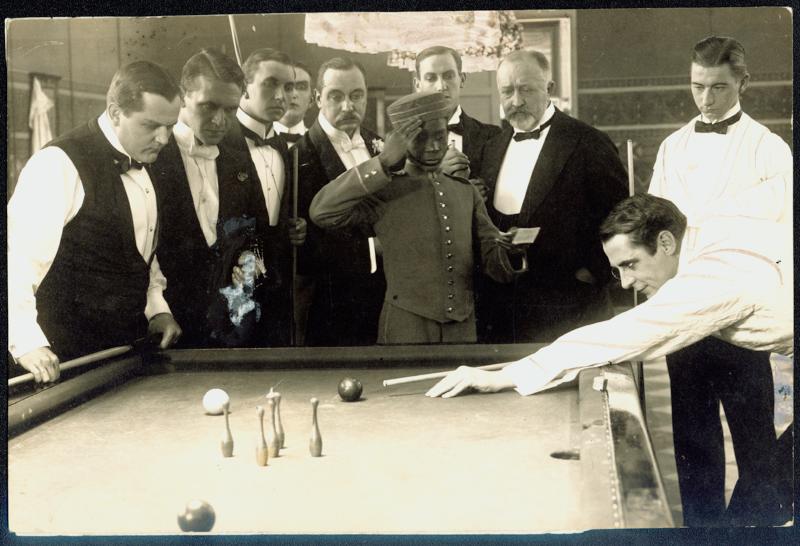
There's an undeniable allure to the silent era, a period where narrative prowess and visual storytelling were paramount, unfettered by the spoken word. Danish cinema, often overlooked in broader discussions of silent film, boasts a rich tapestry of compelling works, and A.W. Sandberg's 'Den mystiske tjener' stands as a testament to this legacy. This isn't just a film; it's a meticulously crafted enigma, a shadowy dance of secrets and revelations that keeps its audience spellbound from the first flickering frame to the last.
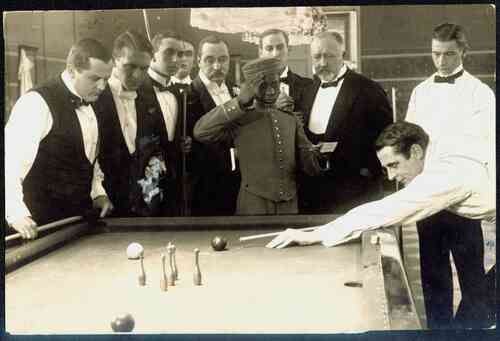
The very title, 'The Mysterious Servant,' immediately conjures images of intrigue, of hidden depths beneath a veneer of domesticity. Sandberg, a director known for his elegant compositions and keen understanding of human psychology, plunges us headfirst into a world teetering on the precipice of scandal. The setting is the venerable, yet increasingly frayed, manor of Count von Reventlow, an edifice that seems to breathe with its own ancient sorrows. Within its grand, albeit somewhat suffocating, walls, a series of unsettling events has taken root. Minor pilfering, inexplicable noises echoing through the vast empty rooms, and cryptic notes left in unexpected places have sown seeds of distrust among the household. The tension culminates in a more significant transgression: the vanishing of a priceless family heirloom, an artifact not merely of monetary value but imbued with centuries of Reventlow history and, as we soon learn, a darker, more personal significance.
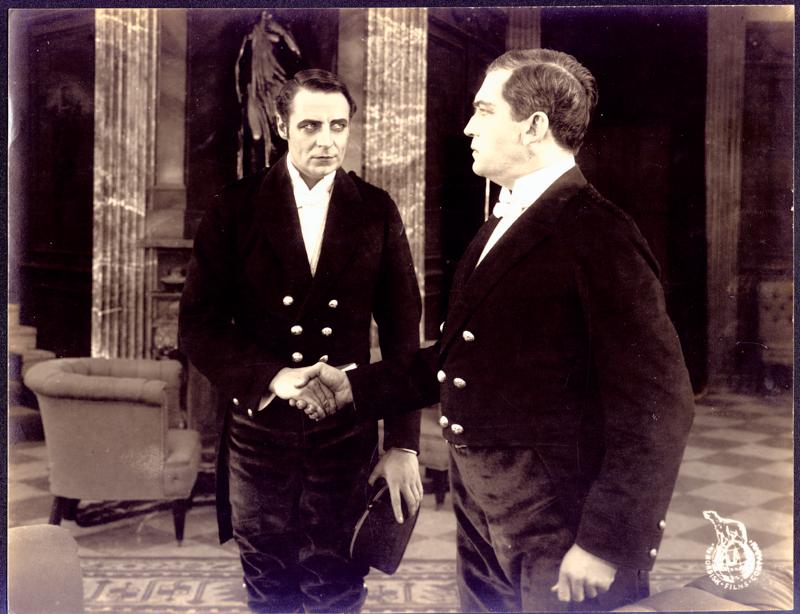
Into this maelstrom of mounting paranoia arrives Mr. Jensen, portrayed with an astonishing blend of reserve and intensity by Alfred Osmund. Jensen is the new valet, ostensibly hired to bring order to the Count's increasingly chaotic domestic sphere. Yet, from his initial appearance, there's an unmistakable aura about him, a quiet authority that transcends his station. His eyes, often downcast, possess a piercing quality when they do meet another's gaze, suggesting a mind constantly at work, processing, analyzing. He moves through the manor not with the obsequious deference of a servant, but with the purposeful stride of an investigator, each gesture economical, each observation profound. It quickly becomes apparent that Jensen is no ordinary valet; he is a celebrated private detective, brought in under the guise of service to unravel the tangled skein of the Reventlow mystery.
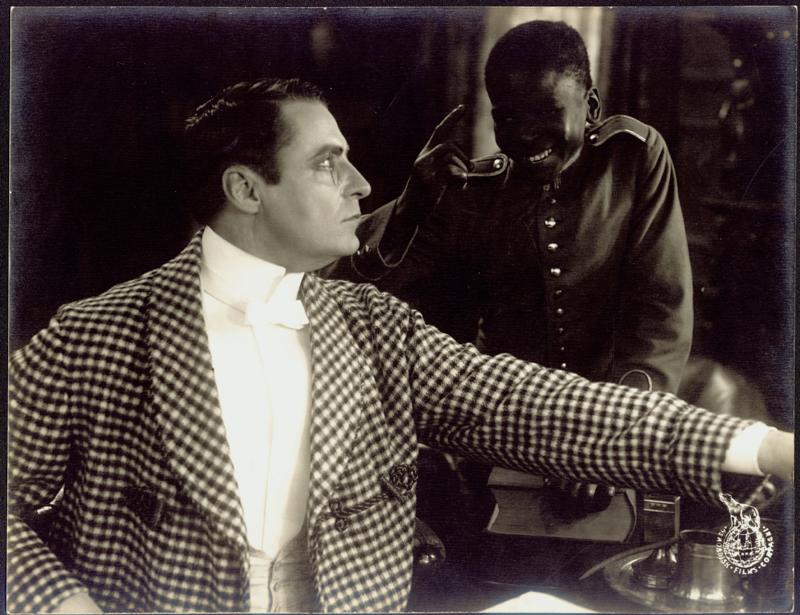
The ensemble cast, under Sandberg's meticulous direction, paints a vivid portrait of a household gripped by suspicion. Gunnar Tolnæs, as the long-serving butler, delivers a performance steeped in a quiet desperation, his loyalty to the family battling with his growing unease. His rigid posture and carefully controlled expressions speak volumes about the weight of tradition and the burden of unspoken truths. Christian Arhoff, playing the Count's nephew, Erik, embodies the archetype of the opportunistic heir, his nervous glances and thinly veiled avarice providing a stark contrast to Jensen's composed demeanor. And Alfred Møller, perhaps as the seemingly innocuous gardener or another minor staff member, subtly contributes to the atmosphere of a community on edge, each individual a potential suspect or an unwitting pawn in a larger game. Sandberg masterfully uses close-ups and carefully orchestrated group shots to highlight the shifting alliances and deepening mistrust among these characters, drawing the audience into their psychological turmoil.
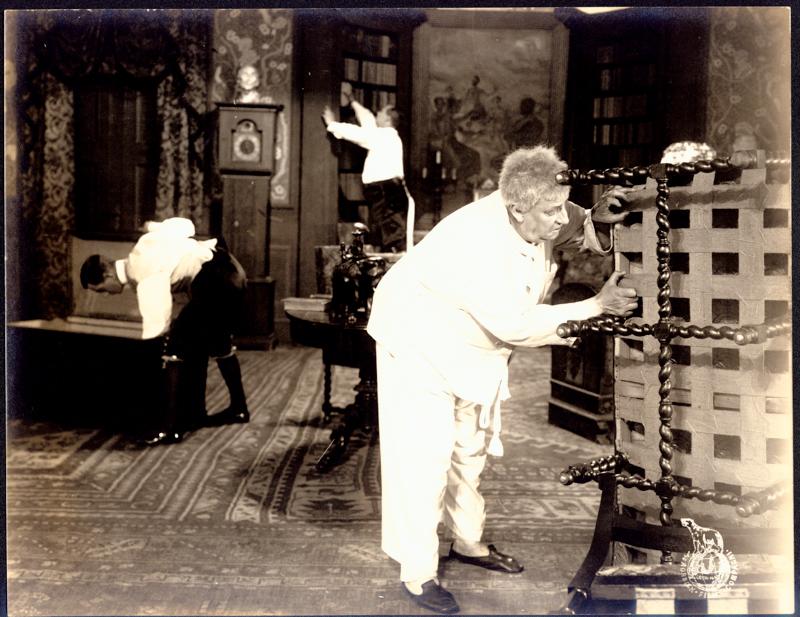
What elevates 'Den mystiske tjener' beyond a mere whodunit is its profound exploration of themes that resonate far beyond its silent frames. It delves into the decay of aristocracy, the fragility of inherited wealth and reputation when confronted with moral corruption. The manor itself becomes a character, a decaying monument to a bygone era, its secrets literally embedded within its ancient stones. The film subtly critiques the class structures of the time, where those in service often held more insight into the lives of their employers than the employers themselves. Jensen, by assuming the role of a servant, gains unparalleled access to the private lives and hidden corners of the manor, demonstrating how true power often lies in observation and understanding, rather than overt authority. This thematic depth invites comparison with other films of its era that dissected societal structures, though perhaps with a more pronounced focus on psychological suspense. One might even see echoes of the complex domestic intrigues found in films like The Hungry Heart, albeit through a distinctly Danish lens of mystery.
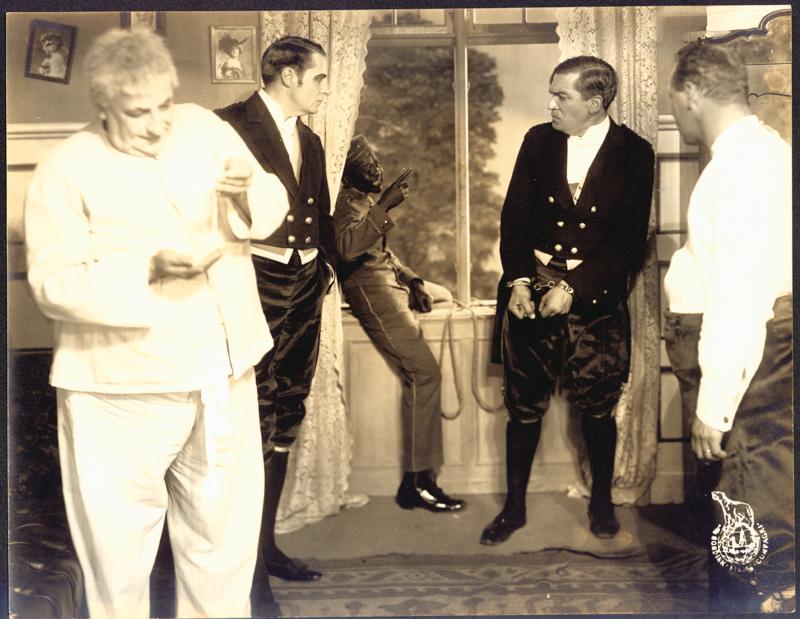
Sandberg's directorial style is particularly noteworthy. He possessed an uncanny ability to convey complex emotions and intricate plot points through purely visual means. The cinematography in 'Den mystiske tjener' is exquisite, utilizing dramatic lighting and shadow to heighten suspense and underscore character motivations. The interplay of light and dark within the manor's grand halls and dimly lit passages mirrors the moral ambiguities faced by its inhabitants. A flickering gas lamp might illuminate a fleeting expression of guilt, or a deep shadow might obscure a crucial clue, forcing the viewer to become an active participant in the investigation, piecing together the narrative puzzle alongside Jensen. The use of intertitles is sparse but effective, providing just enough information to guide the audience without over-explaining, trusting in the power of the actors' expressions and Sandberg's visual language. This economy of exposition is a hallmark of truly masterful silent filmmaking, allowing the story to unfold organically through action and reaction.
The film's pacing is another significant achievement. Sandberg understands the art of the slow burn, gradually escalating the tension rather than resorting to cheap thrills. Each discovery by Jensen, each subtle shift in a character's demeanor, adds another layer to the mounting mystery. The narrative unfolds like a carefully constructed clockwork mechanism, each gear turning precisely into the next, building towards an inevitable, and satisfying, climax. This deliberate approach allows for a deeper immersion into the psychological landscape of the characters, making their fears and motivations feel profoundly real. For those familiar with the intricate plotting of a classic mystery like Seven Keys to Baldpate, the structural integrity and clever misdirection employed by Sandberg in 'Den mystiske tjener' will be particularly appreciated. Both films revel in the confined setting of an isolated locale becoming a crucible for human drama and deceit.
The performances, as mentioned, are a cornerstone of the film's success. Alfred Osmund's portrayal of Jensen is a masterclass in silent acting. He conveys an extraordinary range of intelligence, cunning, and quiet determination without uttering a single word. His subtle shifts in posture, the slight narrowing of his eyes, the almost imperceptible twitch of a muscle—all contribute to a character that feels remarkably complex and three-dimensional. It's a performance that demands close attention, rewarding the viewer with layers of meaning. Similarly, Gunnar Tolnæs, a stalwart of Danish cinema, brings a gravitas to his role that anchors the more flamboyant performances around him. His struggle between duty and the emerging truth is palpable, adding a tragic dimension to the domestic drama. The supporting cast, too, plays their part in creating a believable and tense atmosphere, each contributing to the mosaic of suspicion and hidden motives.
Beyond its immediate narrative pleasures, 'Den mystiske tjener' offers a fascinating glimpse into the social anxieties of its time. The fear of external threats, the erosion of traditional values, and the precariousness of reputation are all subtly woven into the fabric of the story. The film's resolution, when Jensen finally unmasks the true culprit and reveals the decades-old scandal connected to the heirloom, is not merely a triumph of justice but a commentary on the enduring power of past misdeeds to haunt the present. It suggests that secrets, no matter how deeply buried, will always find a way to surface, often through the most unexpected channels, like a seemingly innocuous servant.
The legacy of A.W. Sandberg and films like 'Den mystiske tjener' is crucial for understanding the broader scope of silent film history. While Hollywood and European powerhouses like Germany and France often dominate the discourse, the vibrant film industry in Denmark produced works of remarkable artistry and narrative sophistication. Sandberg, in particular, was a visionary director who pushed the boundaries of visual storytelling. His films, including this one, demonstrate a nuanced understanding of genre conventions, elevating them into something more profound. For those eager to explore the diverse landscape of early 20th-century cinema, delving into Danish classics, perhaps even seeking out other works from the period like Nattens datter II, offers a rich and rewarding experience.
In conclusion, 'Den mystiske tjener' is far more than a historical curiosity; it is a vital piece of cinematic art. It’s a compelling mystery, a nuanced character study, and a masterclass in silent film direction. Sandberg's ability to craft such a captivating narrative with such elegant visual economy is a testament to his genius. The film invites repeated viewings, each time revealing new subtleties in its intricate plot and the profound emotional depth of its characters. For anyone with an appreciation for the art of filmmaking, especially those drawn to the unique challenges and triumphs of the silent era, this Danish gem is an absolute must-see. It's a reminder that sometimes, the most powerful stories are told not with words, but with the eloquent silence of a masterful performance and the evocative power of a well-placed shadow. The mysterious servant, indeed, holds the key to more than just the manor's secrets; he unlocks a timeless cinematic experience.

IMDb 6.3
1930
Community
Log in to comment.