DbcultAccessing Vault...
Cult Review
Senior Film Conservator
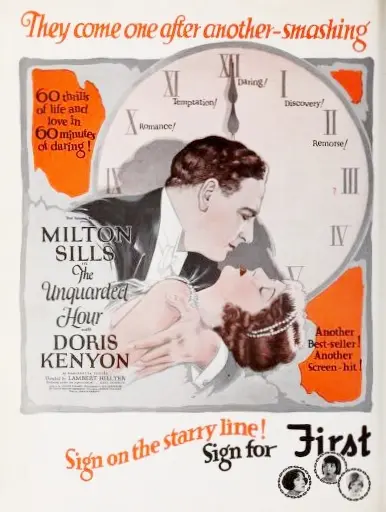
Should you watch The Unguarded Hour? Short answer: If you crave a slow-burn, atmospheric drama with complex character dynamics, yes. If you prefer brisk pacing and clear narrative stakes, no. This 1930s melodrama thrives in ambiguity but risks alienating viewers who crave resolution.
The Unguarded Hour excels in its deliberate use of visual symbolism. Director Joseph F. Poland frames characters within shadowy Italian estates and sunbathed terraces, using contrast to highlight their internal conflicts. A standout sequence occurs when Virginia (Doris Kenyon) arrives at Duke Andrea’s (Charles Byer) estate, her airplane crashing into a radio tower. The juxtaposition of modernity (airplane) against Andrea’s anachronistic scientific obsession (ether waves) sets the tone for the film’s central tension between progress and tradition.
The chemistry between Doris Kenyon and Charles Byer is understated but magnetic. Their scenes together—particularly Virginia’s hesitant attempts to engage Andrea in conversation—avoid melodrama, relying instead on glances and pauses. This restraint pays off in the film’s final act, where their unspoken connection feels earned rather than contrived.
The pacing, while intentional for the era, feels glacial by modern standards. A subplot involving Elena’s (Lorna Duveen) doomed romance with Count Stelio (Jed Prouty) drags for 20 minutes before erupting into violence. The script’s reliance on misunderstandings—Virginia’s complicity in Elena’s deception, Andrea’s misread signals—feels contrived, with characters acting on assumptions rather than consequences.
The film’s visual style, while atmospheric, lacks innovation. The overuse of high-contrast lighting, particularly in Virginia’s scenes with Stelio, echoes earlier German Expressionist films but doesn’t evolve beyond them. One scene where Virginia seduces Stelio in a dimly lit room feels lifted from The Soul of Kura San, lacking the psychological depth to justify its inclusion.
You appreciate pre-Code Hollywood’s willingness to explore taboo themes. The Unguarded Hour’s sexual tension and fatalism—particularly in its handling of Elena’s suicide—remain strikingly bold for a 1930s film. The script avoids moralizing, instead framing each character’s choices as inevitable extensions of their flaws.
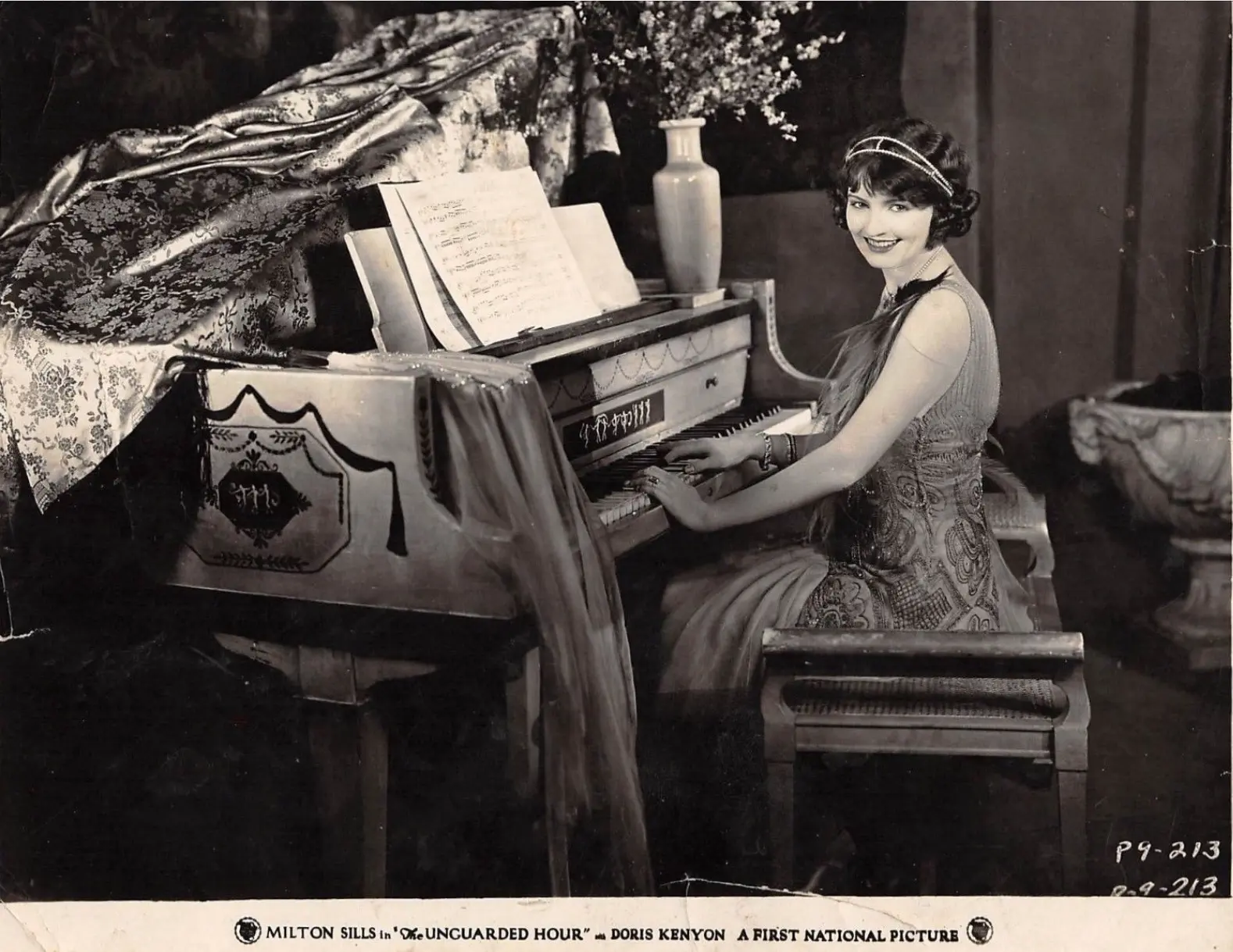
You’re a fan of character-driven narratives. The film’s greatest strength lies in its flawed, unlikable protagonists. Duke Andrea’s aloofness isn’t laziness but a defense mechanism against emotional vulnerability. Virginia’s naivety is both endearing and frustrating, making her eventual transformation believable but not satisfying.
In one sentence: The Unguarded Hour is a flawed but fascinating study of emotional repression, best suited for cinephiles who enjoy slow-moving, psychologically complex dramas.
The Unguarded Hour is a polarizing gem. It works as a moody, introspective drama but falters as a tightly written narrative. The performances and visual style justify its place in film history, though modern audiences may find its emotional detachment more alienating than captivating. For purists, it’s a must-watch artifact. For casual viewers, it’s a gamble.
IMDb 6.1
1936
Community
Log in to comment.