DbcultAccessing Vault...
Cult Review
Senior Film Conservator
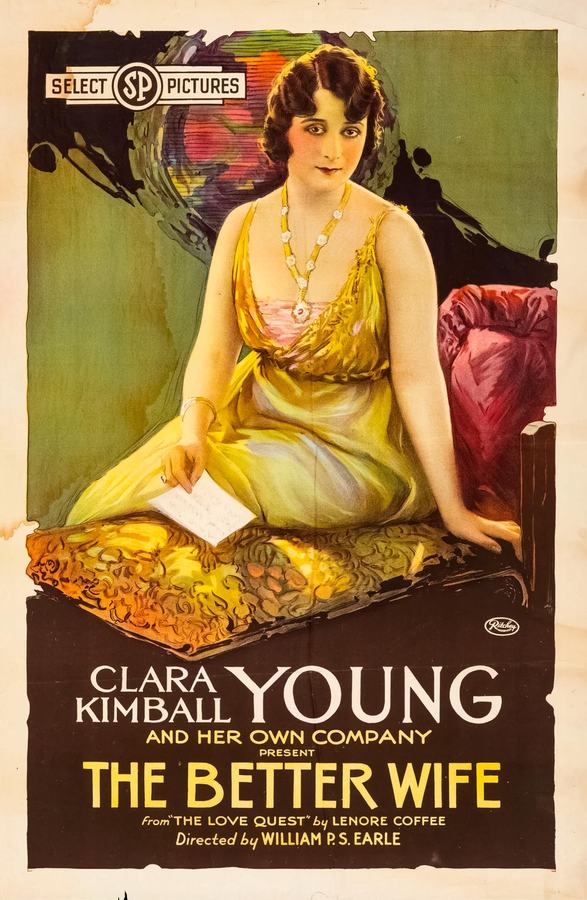
The silent era of cinema, often mistakenly dismissed as primitive by modern audiences, was in fact a crucible of profound emotional storytelling, a masterclass in visual narrative that transcended spoken language. Within this rich tapestry, films like "The Better Wife" emerge as poignant reminders of the period's capacity for intricate character studies and morally complex dramas. Directed with a keen eye for human frailty and resilience, this cinematic gem, featuring the luminous Clara Kimball Young, delves into the very essence of devotion, betrayal, and the arduous path to authentic love. It’s a narrative that, despite its vintage, speaks with startling clarity to timeless human dilemmas, inviting us to ponder the true cost of sacrifice and the deceptive nature of appearances. The film’s nuanced exploration of marital duty versus genuine affection, set against a backdrop of societal expectation and personal grief, provides a compelling lens through which to examine the enduring questions of what constitutes a 'good' spouse and how love, in its purest form, often demands the most profound concessions.
At the heart of "The Better Wife" lies a story of intertwining fates, initiated by an act of profound compassion. Charmian Page, portrayed with understated grace, is not merely a socialite but a woman possessing an extraordinary capacity for empathy, especially towards the vulnerable. Her affection for Sir Richard's young son is not born of obligation or calculation, but from a genuine, almost maternal, tenderness. This deep-seated care becomes the catalyst for the entire drama when tragedy strikes with brutal swiftness. Lady Beverly, Sir Richard's wife, meets a fatal end in a car crash, an accident rendered all the more tragic by the revelation that she was en route to meet a clandestine lover. The child, caught in the devastating aftermath, is left gravely injured, his life hanging by a thread. In this moment of acute crisis, Charmian's inherent goodness shines brightest. She moves beyond passive sympathy, actively lobbying her affluent father to underwrite the exorbitant medical costs required for the child's life-saving operation. It’s a testament to her unwavering spirit and her belief in the sanctity of a child’s life, a stark contrast to the reckless abandon that defined Beverly’s final moments.
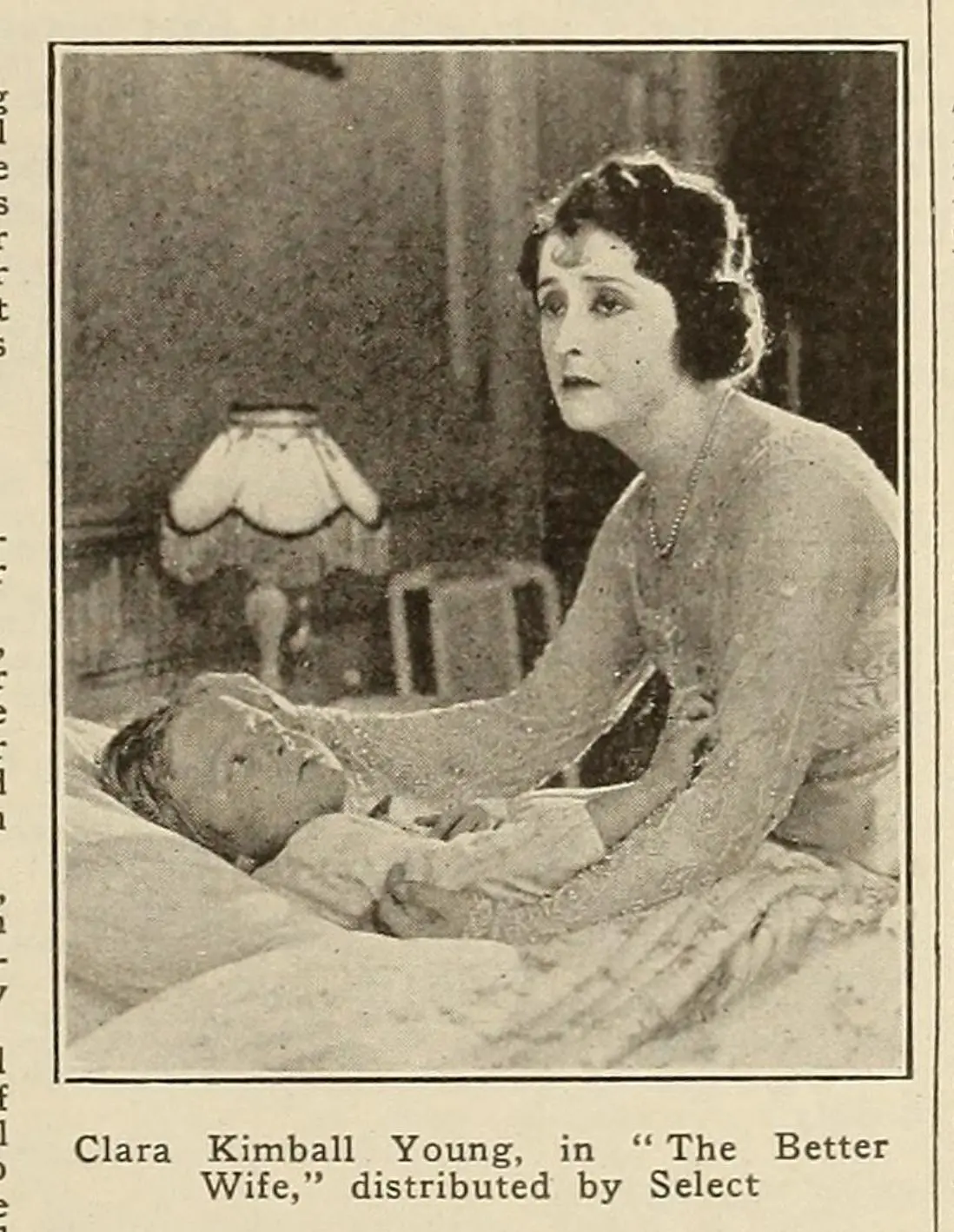
Sir Richard, a man consumed by grief and the immediate, overwhelming fear for his son's survival, is profoundly touched by Charmian’s selfless intervention. His subsequent proposal of marriage to Charmian is less a declaration of romantic love and more an act of profound gratitude and a pragmatic decision for his child's welfare. He sees in Charmian a steadfast guardian, a beacon of stability in a world suddenly fractured by loss and uncertainty. However, the shadow of his late wife, Beverly, looms large over their nascent union. Sir Richard, still clinging to an idealized, albeit flawed, memory of Beverly, maintains an emotional distance from Charmian. This aloofness, born of unresolved grief and perhaps a subconscious loyalty to a past that was never truly what it seemed, casts a pall over their marriage. Charmian, in turn, accepts this emotional chasm with a quiet dignity, understanding the complex web of circumstances that led them to the altar. Her love, unlike Beverly’s fleeting passions, is one of enduring patience and unwavering commitment, a love that asks for little in return but offers everything. The silent exchanges between them, the subtle gestures and longing glances, speak volumes about the unarticulated emotions swirling beneath the surface of their polite, yet profoundly distant, domesticity. This dramatic tension, the silent suffering and the unspoken hopes, is a hallmark of the era's best cinematic endeavors, relying on the power of visual storytelling to convey the deepest human sentiments without a single uttered word. The film skillfully navigates this intricate emotional landscape, inviting the audience to empathize with both Sir Richard's conflicted heart and Charmian's stoic devotion.
The true turning point in "The Better Wife" arrives with the shattering revelation of Lady Beverly's infidelity. This is not merely a plot device but a thematic pivot, a moment of profound disillusionment that forces Sir Richard to confront the chasm between his idealized memory and a painful reality. The truth about Beverly's clandestine life, her journey to meet a lover, dismantles the pedestal upon which he had unknowingly placed her. It’s a brutal awakening, stripping away the romanticized veneer of his past marriage and exposing the betrayal that lay beneath. This discovery is not just about infidelity; it’s about the fundamental re-evaluation of a life, a relationship, and the very nature of the love he believed he shared. The emotional impact on Sir Richard is immense, a cascade of anger, sorrow, and profound regret. He is forced to reconcile the image of the woman he mourned with the reality of a woman who was, in her final moments, actively disloyal.
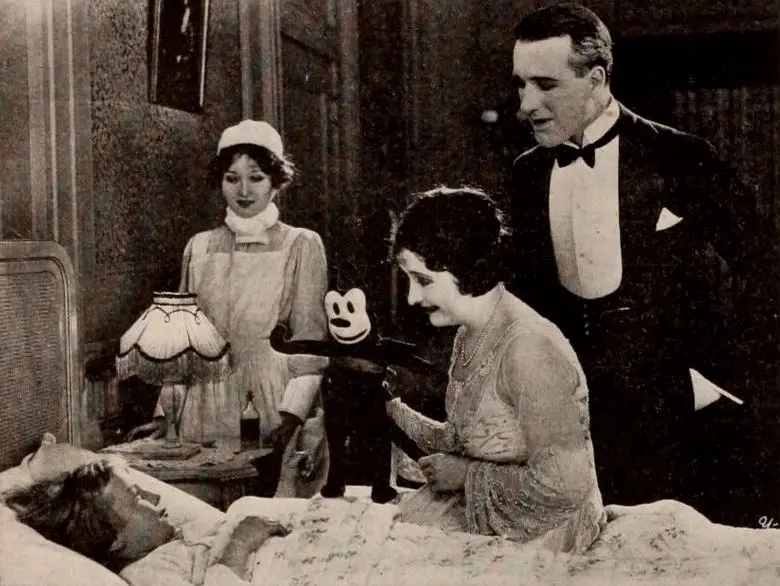
In this crucible of revelation, Charmian's quiet virtues finally come into sharp focus. Her selfless actions, her unwavering devotion to his child, and her patient endurance of his emotional distance now stand in stark contrast to Beverly's deceit. The film masterfully builds to this moment, allowing the audience to witness Charmian's consistent goodness against the backdrop of Sir Richard’s lingering, misguided loyalty. The truth acts as a mirror, reflecting not only Beverly's true character but also highlighting Charmian's inherent moral superiority. It’s a realization that transcends simple comparison; it is an epiphany about the true meaning of partnership, sacrifice, and unconditional love. Sir Richard, stripped of his illusions, sees Charmian not just as a caregiver for his child, but as the embodiment of everything he had unknowingly sought and desperately needed in a wife. His initial marriage was one of passion, perhaps, but ultimately founded on a fragile illusion; his marriage to Charmian, though initially a bond of gratitude, is now revealed to be the vessel for a deeper, more enduring connection.
The success of a silent film, particularly one as emotionally intricate as "The Better Wife," hinges entirely on the power of its performances and the director's ability to orchestrate a visual symphony of sentiment. Lillian Walker and Clara Kimball Young, both prominent figures of the era, bring a captivating depth to their roles. Young, in particular, as Charmian Page, delivers a performance of remarkable subtlety and strength. Her portrayal is not one of overt melodrama, but of quiet fortitude. We see her love for the child, her patient suffering under Sir Richard's aloofness, and her unwavering dignity conveyed through nuanced facial expressions, delicate gestures, and the eloquent language of her eyes. It's a performance that speaks volumes without a single intertitle, embodying the very essence of selfless devotion. Nigel Barrie, as Sir Richard, effectively conveys the character's journey from grief-stricken detachment to profound realization. His initial reserved demeanor slowly gives way to a visible softening, culminating in a raw, emotional plea for forgiveness that is genuinely moving. Barbara Tennant, though perhaps with less screen time as Lady Beverly, manages to leave a lasting impression, hinting at the character's complex motivations and ultimately, her tragic flaws.
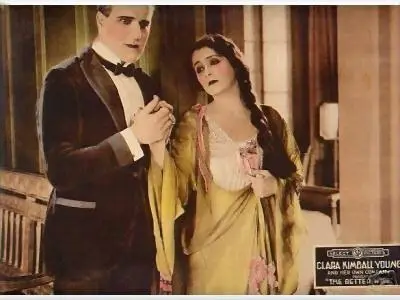
The direction, likely by a seasoned craftsman of the period, understands the unique demands of silent cinema. The pacing is deliberate, allowing moments of emotional weight to fully resonate. Close-ups are employed judiciously, magnifying the characters' inner turmoil and unspoken desires. The use of lighting, sets, and costumes all contribute to the narrative's emotional texture, subtly guiding the audience through the story's peaks and valleys. In an era before synchronized sound, the visual language was paramount, and "The Better Wife" demonstrates a mastery of this art form. The film, much like other character-driven dramas of its time, such as The Foundling, understands that the most impactful stories are often those that explore the quiet struggles and profound transformations of the human heart. It showcases how a child's plight can serve as a powerful catalyst for change, forcing adults to confront their own moral compass and redefine their understanding of family and duty. The absence of dialogue, far from being a limitation, forces a greater reliance on visual storytelling, making the actors' expressions and body language the primary carriers of meaning. This necessitates a heightened level of performance, where every glance, every gesture, and every pause is imbued with significance, a challenge that the cast of "The Better Wife" rises to admirably.
The thematic richness of "The Better Wife" is arguably its most compelling attribute. At its core, the film explores the multifaceted nature of love. We witness the fleeting, self-serving passion of Beverly, contrasted sharply with Charmian's enduring, selfless affection. This dichotomy prompts a deeper reflection on what truly constitutes a meaningful relationship. Is it the initial spark, the romantic ideal, or the steadfast commitment and willingness to sacrifice? The film unequivocally champions the latter, positing that true love is not merely an emotion but a choice, a continuous act of devotion that withstands trials and demands little in return. Charmian's love for Sir Richard and his child is a profound act of giving, devoid of expectation, which ultimately proves its immense power.
Furthermore, the narrative delves into the potent themes of sacrifice and redemption. Charmian's initial sacrifice, paying for the child's operation, sets the stage for a lifetime of quiet sacrifice within her marriage to Sir Richard. She endures his emotional distance, understanding his grief, and patiently waits for the truth to emerge. Her journey is one of profound resilience and unwavering hope. Sir Richard's arc, on the other hand, is one of redemption. He is initially blinded by an idealized memory, unable to see the true devotion right before his eyes. His journey of discovery, the painful unmasking of Beverly's infidelity, leads him to a profound realization of his own errors and Charmian's true worth. His eventual plea for forgiveness is not merely an apology, but an acknowledgment of her unparalleled virtue, a testament to his own growth and newfound clarity. This journey from ignorance to enlightenment, from misplaced loyalty to genuine appreciation, forms the emotional bedrock of the film, resonating deeply with audiences who understand the complexities of human relationships and the arduous path to self-awareness.
The film also subtly critiques societal expectations surrounding marriage and widowhood during the early 20th century. Sir Richard's prolonged mourning and his subsequent marriage of convenience reflect the pressures and conventions of the time. Yet, the film ultimately transcends these societal norms by celebrating a love that is earned through character and deed, rather than merely inherited through status or initial attraction. It suggests that a 'better wife' is not defined by external beauty or social standing, but by an inner goodness, a steadfast heart, and an unwavering commitment to the well-being of her family. This timeless message, of inner virtue triumphing over superficial charm, ensures that "The Better Wife" remains relevant, inviting contemporary viewers to re-examine their own definitions of love, loyalty, and the qualities that truly make a partner 'better'. The narrative's sophisticated handling of these universal themes is what elevates it beyond a simple melodrama, cementing its place as a thoughtful commentary on human nature and the pursuit of genuine connection.
"The Better Wife" stands as a testament to the enduring power of silent cinema, demonstrating that compelling storytelling needs no spoken word to convey the deepest human emotions and moral complexities. It is a film that elegantly navigates themes of love, loss, betrayal, and redemption with a sensitivity and depth that belies its age. The performances, particularly from Clara Kimball Young, are masterclasses in expressive acting, conveying a rich inner life through subtle gestures and powerful glances. The narrative, crafted by Lenore J. Coffee, is tightly woven, building towards a conclusion that is both emotionally satisfying and morally resonant. For those willing to immerse themselves in the visual poetry of the silent era, "The Better Wife" offers a profoundly moving experience, a reminder that the essence of human drama remains unchanged, regardless of technological advancements. It is a film that rewards patient viewing, unveiling layers of meaning and emotion with each carefully framed shot and every poignant intertitle. Its exploration of what truly constitutes a 'better' partner, one defined by character and selfless love rather than fleeting passion or societal pressure, ensures its continued relevance. This classic drama not only entertains but also prompts introspection, making it a valuable piece of cinematic history that continues to speak to the human condition with remarkable clarity and emotional force. Its legacy lies not just in its historical significance, but in its timeless message about the enduring power of unconditional love and the eventual triumph of truth over illusion.
IMDb —
1919
Community
Log in to comment.