DbcultAccessing Vault...
6.8/10
Senior Film Conservator
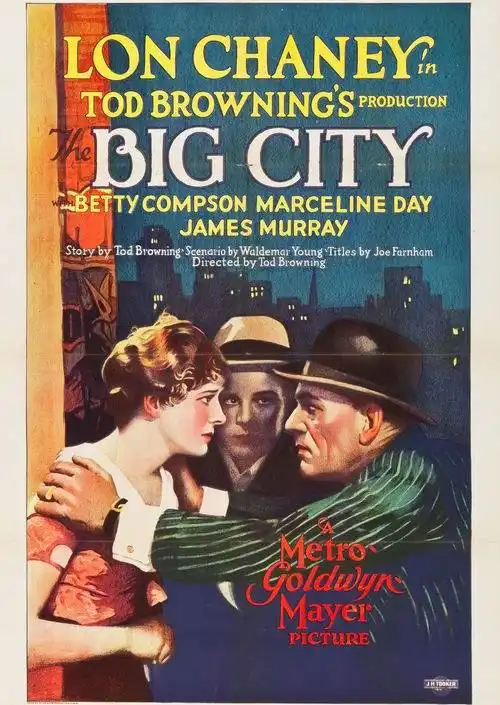
A definitive 6.8/10 rating for a film that redefined the boundaries of cult cinema. The Big City remains a cornerstone of transgressive art.
If you come to The Big City expecting the grotesque transformations or gothic horror usually associated with the Tod Browning and Lon Chaney partnership, you might be disappointed. There are no capes, no missing limbs, and no heavy prosthetics here. Instead, what we get is a surprisingly modern, hard-boiled crime flick that feels like a precursor to the gritty Warner Bros. gangster films of the early thirties. Is it worth watching today? Absolutely, especially if you want to see Chaney prove he didn't need a makeup kit to command the screen. It’s for fans of silent-era noir and those who appreciate a crime story that values atmosphere over melodrama. Those looking for the high-octane action of modern thrillers will find the pacing deliberate, bordering on slow in the middle act.
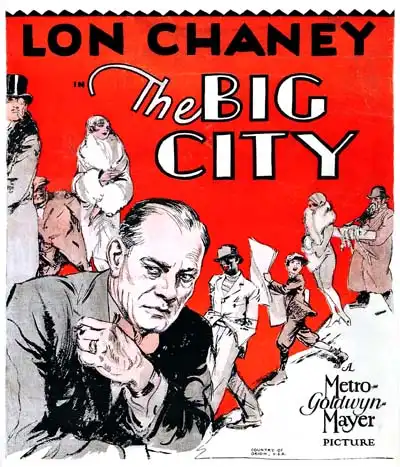
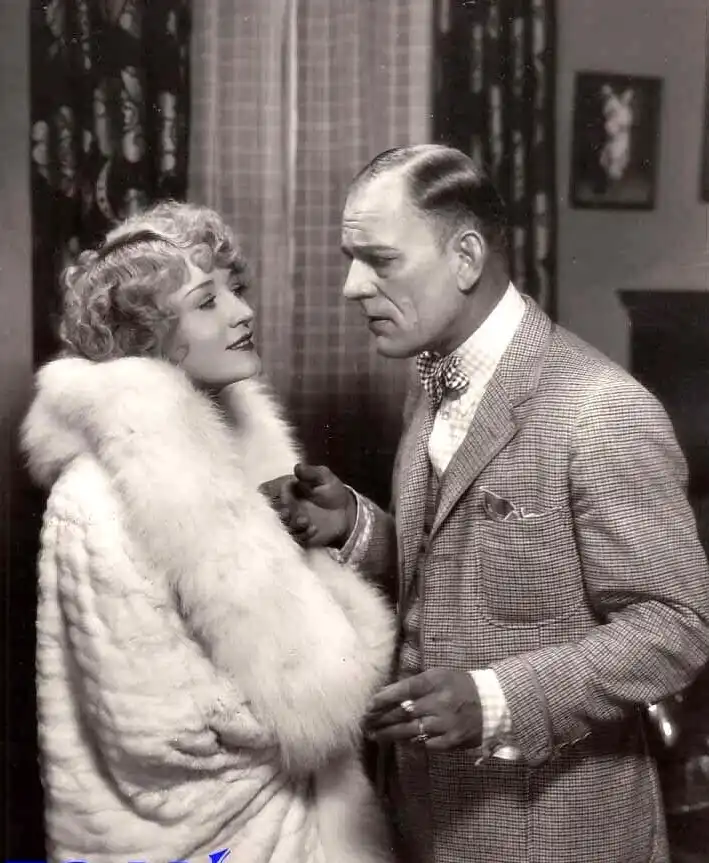
Lon Chaney plays Chuck Collins with a controlled, simmering intensity. It is one of his 'plain-face' roles, and it’s a revelation to watch his micro-expressions without the distraction of a false nose or scarred skin. There is a specific moment early on, during the planning of the jewelry heist, where Chaney just sits back with a cigarette, watching his crew. The way he narrows his eyes at a slight hesitation from one of his men tells you more about his authority than any title card ever could. He plays Chuck not as a monster, but as a businessman whose commodity happens to be theft.
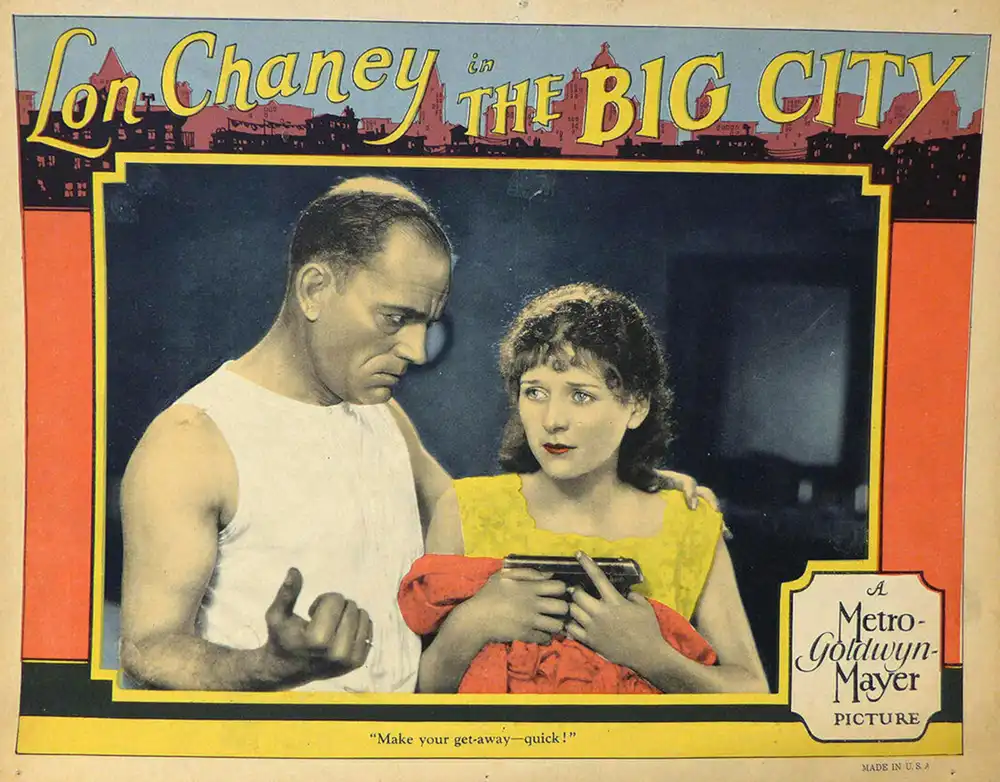
James Murray, as the rival Mickey, provides a solid foil. While Chaney is all grounded weight, Murray is twitchy and nervous energy. Their scenes together have a genuine friction, particularly a confrontation in a crowded nightclub where the two trade threats while pretending to enjoy the music. It’s a masterclass in silent tension—watching the body language shift from relaxed socialites to coiled predators while the background dancers remain a blur of movement.
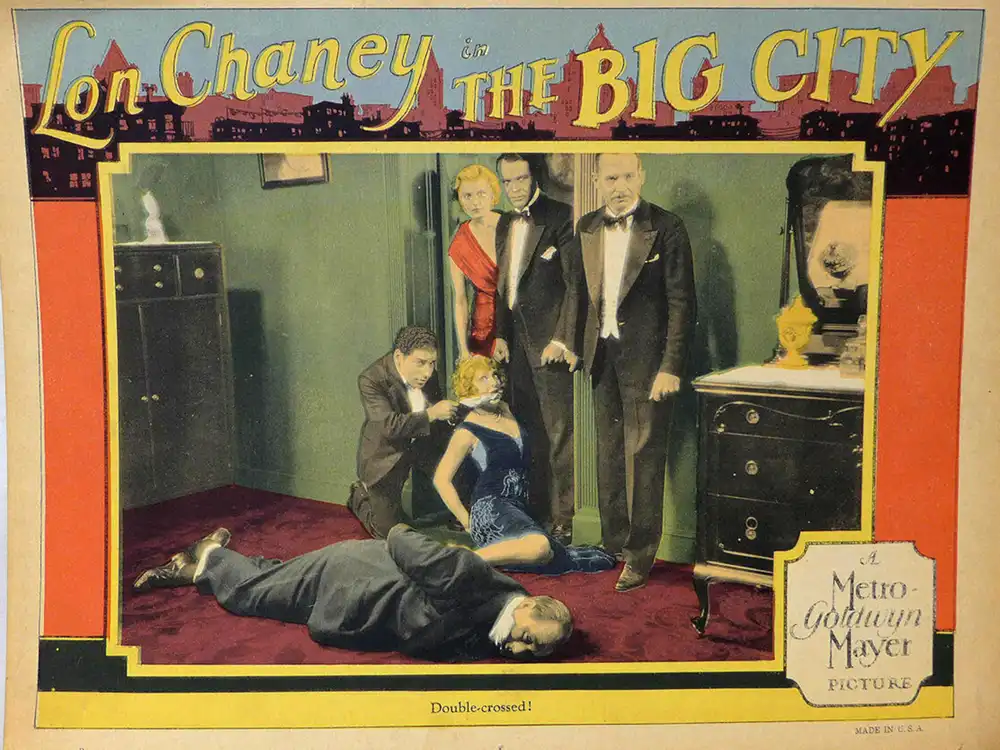
Tod Browning’s direction is more grounded here than in The Snob, but his obsession with the fringes of society remains. The costume shop where Sunshine (Marceline Day) works is a standout set. It’s cluttered, claustrophobic, and filled with masks and mannequins that feel like a nod to Browning’s more macabre interests. There’s a sequence where Chuck hides stolen jewels inside the head of a costume doll; the lighting in this scene is particularly effective, casting long, jagged shadows across the floor that make the shop feel like a cage.
The cinematography captures the 'big city' of the title as a place of sharp contrasts. The high-society jewelry store is all bright, reflective surfaces and polished marble, which stands in stark opposition to the smoky, dimly lit backrooms where the gangs congregate. The editing rhythm during the heist itself is surprisingly brisk for 1928, using quick cuts between the lookout and the safe-crackers to build a sense of genuine urgency.
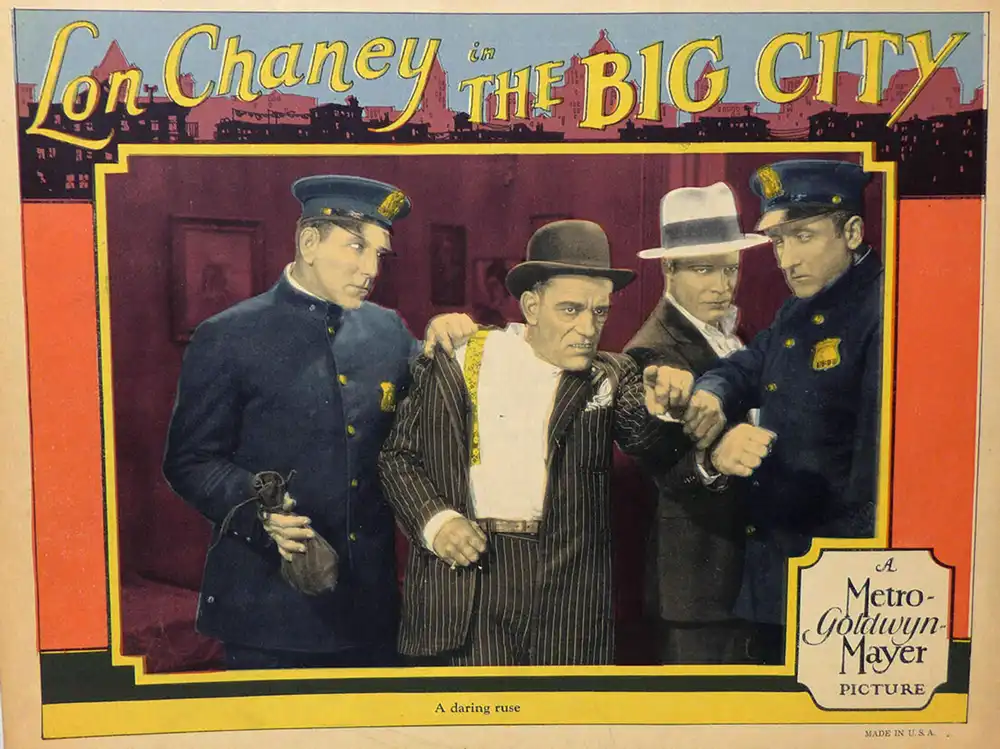
The film does hit a bit of a snag in the second act. The 'reformation' arc, where Chuck begins to reconsider his criminal lifestyle, feels a bit forced compared to the gritty realism of the opening. Marceline Day is charming as Sunshine, but her character is written with a saintly purity that feels out of place in a movie populated by thieves and double-crossers. Her influence on Chuck happens a bit too quickly to be entirely believable, leading to a few overlong reaction shots where Chaney has to look 'conflicted' while staring at a flower or a piece of domestic furniture.
However, the film recovers in the final reel. The showdown between the rival gangs is staged with a messy, chaotic energy that feels more like a real street fight than a choreographed movie climax. There’s an awkward, desperate scramble for a fallen gun that feels uncomfortably real—no heroic poses, just two men sweating and straining in the dark.
The Big City isn't the most famous collaboration between Browning and Chaney, but it is one of their most grounded. It succeeds because it treats its characters like people rather than symbols of good or evil. While the moralistic ending is a product of its time, the path getting there is paved with sharp performances and a palpable sense of urban dread. It’s a vital piece of late silent cinema that proves Chaney was the 'Man of a Thousand Faces' even when he was just using his own.
IMDb 5.3
1928
Community
Log in to comment.