DbcultAccessing Vault...
Cult Review
Senior Film Conservator
If you have a morbid curiosity about history, The Big Drive is essential viewing. It’s not a fun night at the movies. If you get queasy looking at old, grainy footage of real destruction, stay far away.
It’s a shockumentary, plain and simple. It wants you to feel the mud and the panic. It succeeds, though not always in the way you’d expect.
Watching this feels like being dragged through a history book that has been left out in the rain. The way they edit the footage is... aggressive. It doesn't have the steady hand we're used to in modern documentaries.
There is this one sequence where the camera just shakes for what feels like an eternity. I’m pretty sure the cameraman was barely holding on himself. It adds this weird, dizzying authenticity that you don't get in polished stuff.
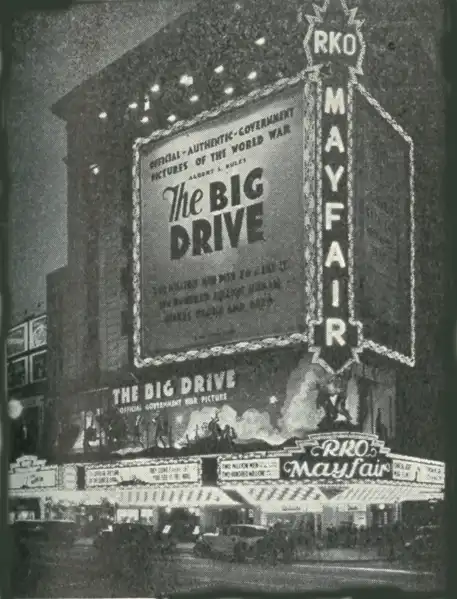
Compared to the lighter fare of that era, like the playful chaos in Mickey's Rebellion, this is a heavy weight. It’s like switching from a comic strip to a police report.
The pacing is all over the place. Sometimes it lingers on a static shot of a ruined field for way too long. It’s awkward. Then it jumps into a flurry of motion that makes your eyes hurt. 🎥
I noticed a guy in the background of one of the trench shots who just looks bored. It’s such a tiny, stupid detail, but it hit me harder than the big explosions. War is mostly just waiting around, even in the middle of a disaster.
The narration is a bit much. It’s very 1932—theatrical and booming. It feels like the movie is grabbing you by the collar, trying to force you to care. Honestly, the images do a better job on their own without the shouting narrator.
It’s not a "good" movie in the sense that you’d want to watch it twice. But it’s a fist in the gut. It’s a relic that refuses to be ignored. Don't expect a clean story. Just expect a lot of mud and noise.