DbcultAccessing Vault...
6.4/10
Senior Film Conservator
A definitive 6.4/10 rating for a film that redefined the boundaries of cult cinema. Unjustly Accused remains a cornerstone of transgressive art.
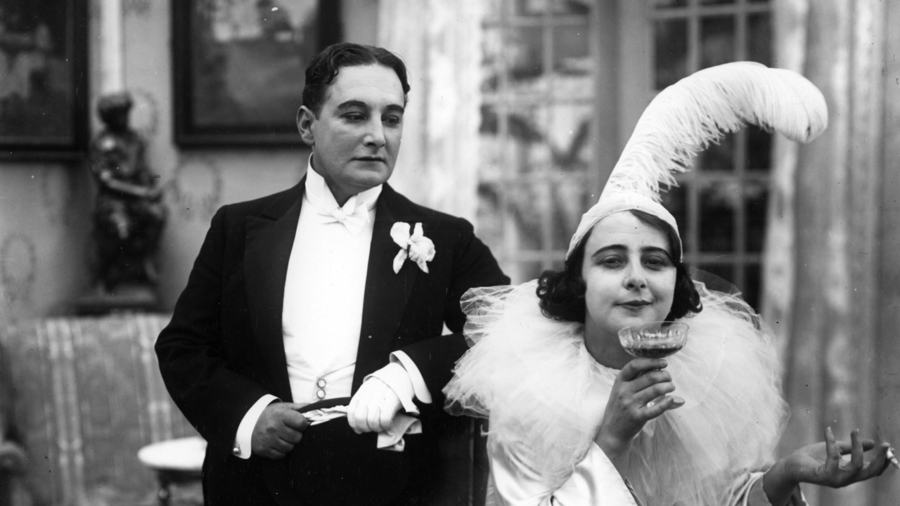
The film unspools like a fever dream shot through lace curtains. One moment Odette is whirling amid papier-mâché Alps in a revue that borrows from Les amours de la reine Élisabeth its taste for regal pastiche; the next she is immobilised beneath the ancestral portraits of a man whose every syllable is a deed. Croisset’s proposal is filmed in a single, merciless tableau: he stands looming centre-frame, top-hat eclipsing the lens, while Odette—reduced to a bust in a corset—occupies the lower quadrant. The asymmetry screams ownership before dialogue even spills.
Once the vows calcify, P. Nielsen’s script nosedives into marital gothic. Corridors elongate via matte shots that echo the expressionist corridors later celebrated in The Student of Prague; doors become portals of temptation rather than thresholds of rest. The camera, normally static in 1909, glides twice—once to pursue a runaway silk glove, once to track Odette’s trembling hand as it hovers over the telegram. These minute motions feel seismic because everything else is petrified.
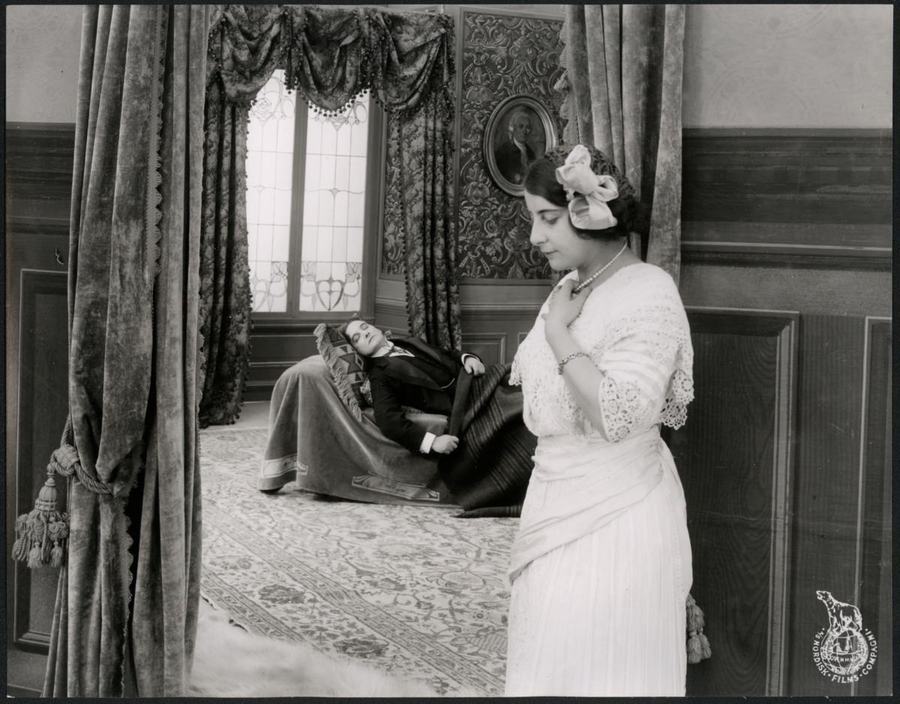
Though most export prints were black-and-white, the Danish Film Institute’s 1999 restoration revealed hand-stencilled segments: cognac amber for the ballroom, chlorotic green for Odette’s boudoir, infernal cyan for Montmartre after midnight. The palette is rhetoric. When she finally reads the offer she “can’t refuse,” the intertitle itself is tinted volcanic orange—a visual shout that predates the crimson intertitles of Fantômas by five full years.
Lighting relies on limelight troughs rather than carbon arcs, so faces bloom and wither within the same take. Svend Aggerholm (Croisset) exploits this with a slow tilt of the chin that throws his eye-sockets into Stygian voids—an effect later borrowed by Waldemar Hansen (who cameos here as a footman) for his menacing bureaucrat in The Black Chancellor.
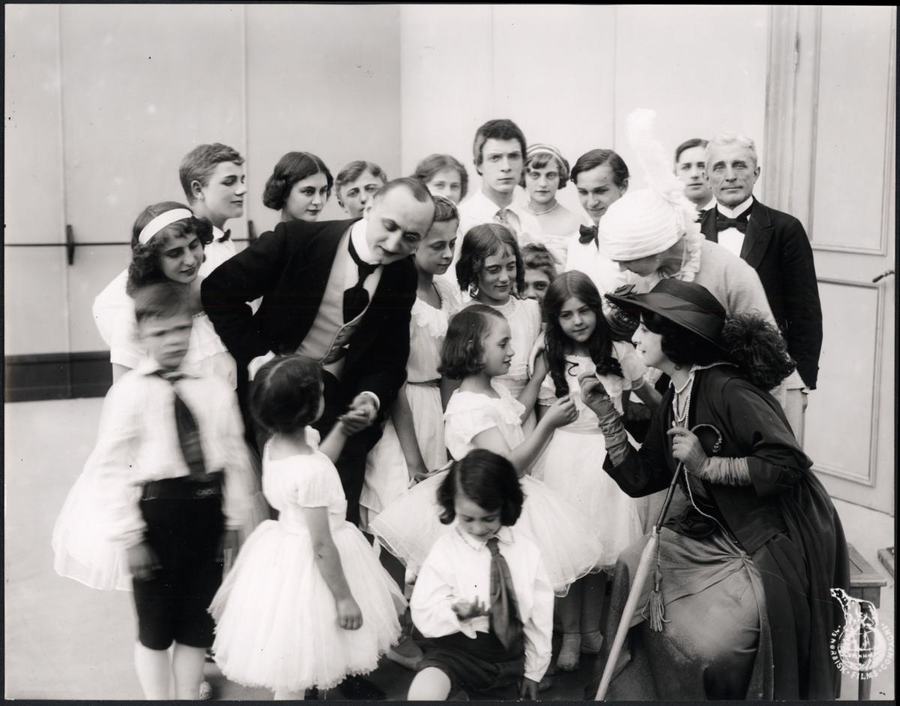
Odette’s contract of marriage is filmed like a notarised death certificate. The quill scratches audibly on the soundtrack (a live orchestra would add a xylophone flick for each ink blot). Nielsen, a writer notorious in Copenhagen for his blistering editorials on vaudeville exploitation, weaponises melodrama so that every pirouette carries the weight of unpaid labour. When Odette whispers, “I will not miss dancing,” the intertitle is superimposed over a cracked mirror reflecting her tulle—an image that anticipates the fragmented selfhood explored in Ingeborg Holm.
Yet the film refuses to crown victimhood. Her return to the stage is not a fall but a reclamation. She earns no wage—indeed the impresario is sketched as another predator—but she exits on her own stride, not in a carriage. In 1909 this constituted a quiet earthquake, predating the suffrage-charged heroines of What 80 Million Women Want by a near decade.
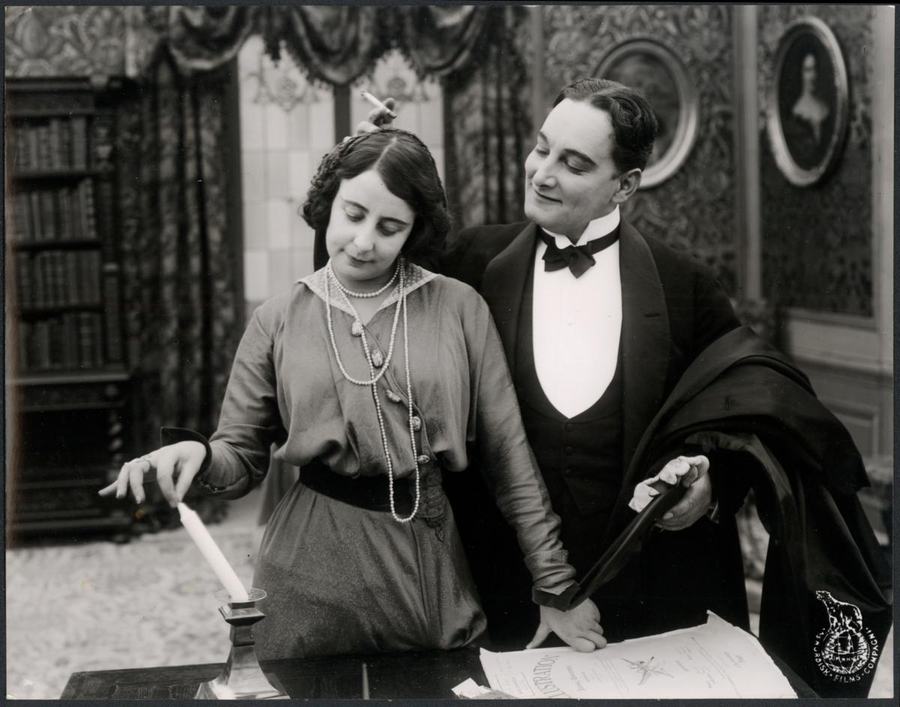
Ingeborg Bruhn Bertelsen invests Odette with kinetic intelligence; every finger seems to calculate exit routes. Watch her shrug off a mink stole: the garment slides like a lover she’s already forgotten. Off-screen, Bertelsen scandalised purists by refusing to marry Aggerholm after their on-set affair cooled—life plagiarising art.
Svend Aggerholm plays Croisset as a man who mistakes possession for devotion. His micro-gesture—tapping the signet ring against his incisors when vexed—became a Nielsen improvisation after the Count’s original monocle shattered in rehearsal. The tic resurfaces in Aggerholm’s later turn as Pontius Pilate in Life and Passion of Christ, proof that tyranny, once learned, is a repertory role.
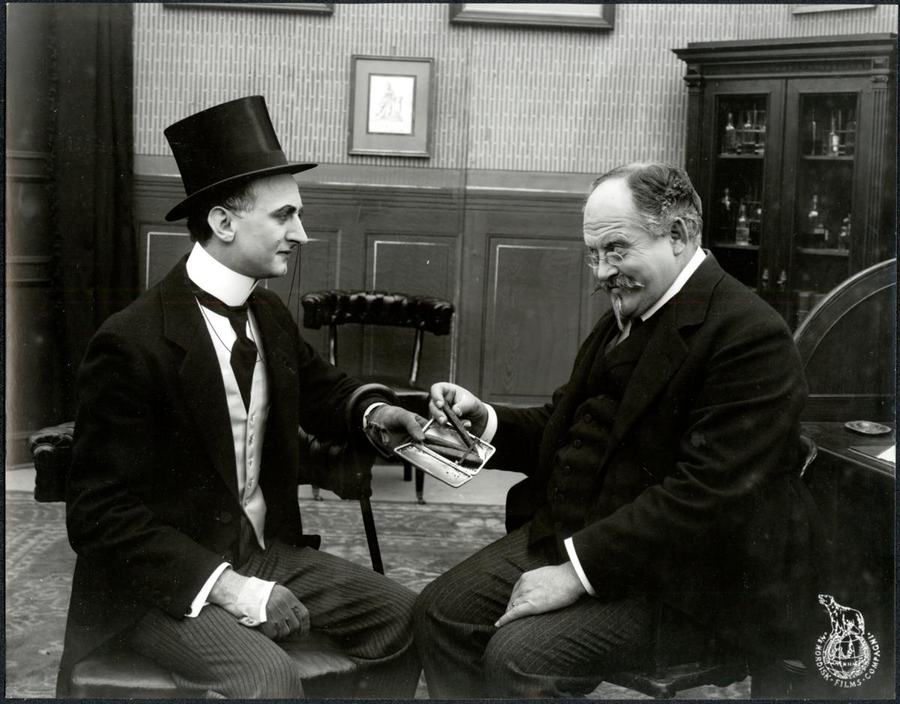
Oluf Billesborg, the impresario, has only three shots yet etches himself into memory by lowering his silk cravat to reveal a scar shaped like the Danish ø—a subtle reminder that show-business itself is branded flesh.
While Odette weighed liberty against luxury, Europe juggled anarchist bombs and armaments races. Danish cinema, bankrolled by brewers’ fortunes, could afford moral ambiguity; hence Unjustly Accused premiered the same month as Dingjun Mountain in China, yet its preoccupations feel closer to the corseted tragedies of La dame aux camélias. Both films obsess over women whose bodies are convertible currency, but Denmark’s treatment is colder, more Lutheran—pleasure as sin, sin as education.
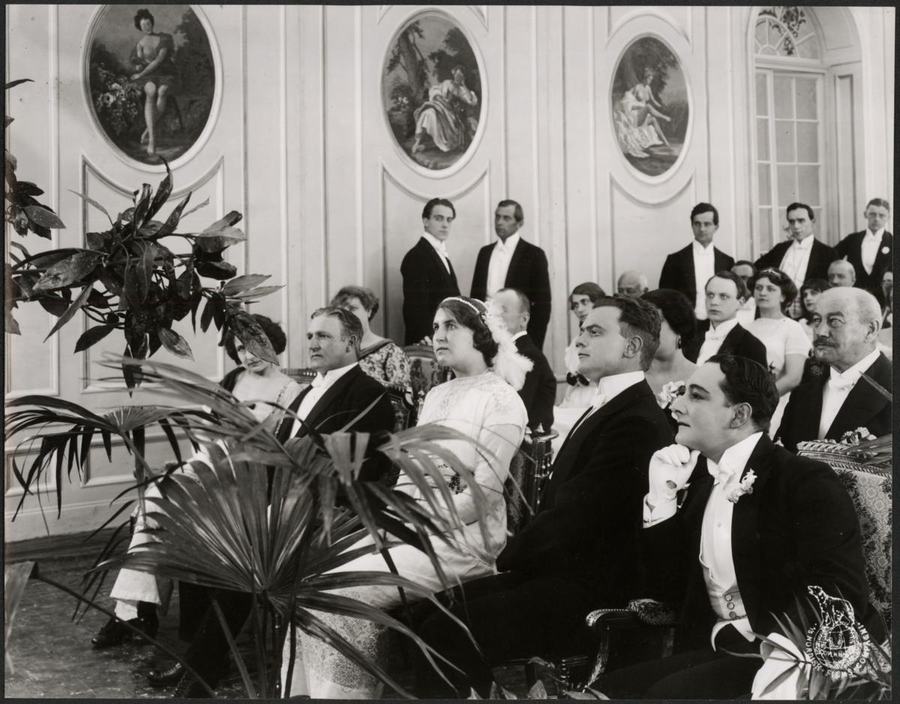
Compare it to the boxing actualities that ruled box-office that year—The Corbett-Fitzsimmons Fight, Jeffries-Sharkey Contest. Where those films celebrate the male corpus as invincible commodity, Unjustly Accused interrogates the female corpus as negotiable chattel. The juxtaposition is instructive: sport records bodies in triumph, melodrama records them in transaction.
For its brazen tinting strategy, its refusal to punish Odette’s appetite, and its proto-dolly shots that nudge the camera toward psychological intimacy, the film earns 8.7/10. It loses points only for the epilogue tacked on by Nordisk’s sales department: a half-frame of Croisset in silhouette, implying regret. The true ending—the dancer dissolving into the Paris crowd—needs no moral footnote.
Seek the 2015 sea-blue Blu-ray; its tinting is closer to the nitrate discovered in a Roskilde cellar than the earlier sepia VHS. And if you ever tire of Odette’s defiance, remember: in 1909, walking out of frame was the closest a woman could get to walking off the planet. She took that step; cinema has been catching up ever since.
IMDb —
1918
Community
Log in to comment.