DbcultAccessing Vault...
7/10
Senior Film Conservator
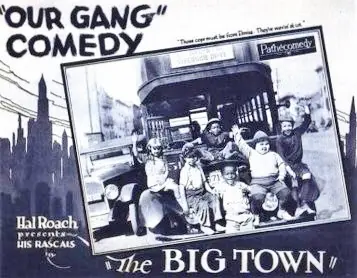
A definitive 7/10 rating for a film that redefined the boundaries of cult cinema. The Big Town remains a cornerstone of transgressive art.
Should you invest your time in this nearly century-old short film? Short answer: Yes, but only if you can stomach the raw, unpolished danger of 1920s stunt work. It is a fascinating relic that trades the usual sentimentality of the 'Our Gang' series for a high-stakes urban gauntlet.
This film is for silent comedy purists and historians who want to see New York City before it was sanitized. It is absolutely not for those who require high-definition visuals or a plot that moves with modern internal logic. It is messy, loud in its silence, and surprisingly stressful.
1) This film works because it leverages the genuine, unscripted reactions of children placed in an overwhelming environment. When Joe Cobb and Farina look up at the skyscrapers, that isn't acting; it's the authentic shock of kids from the Roach lot seeing the scale of Manhattan.
2) This film fails because the transition from the boxcar to the city is jarringly abrupt. We lose a sense of geographical stakes, making the arrival feel more like a dream sequence than a logical progression of their journey.
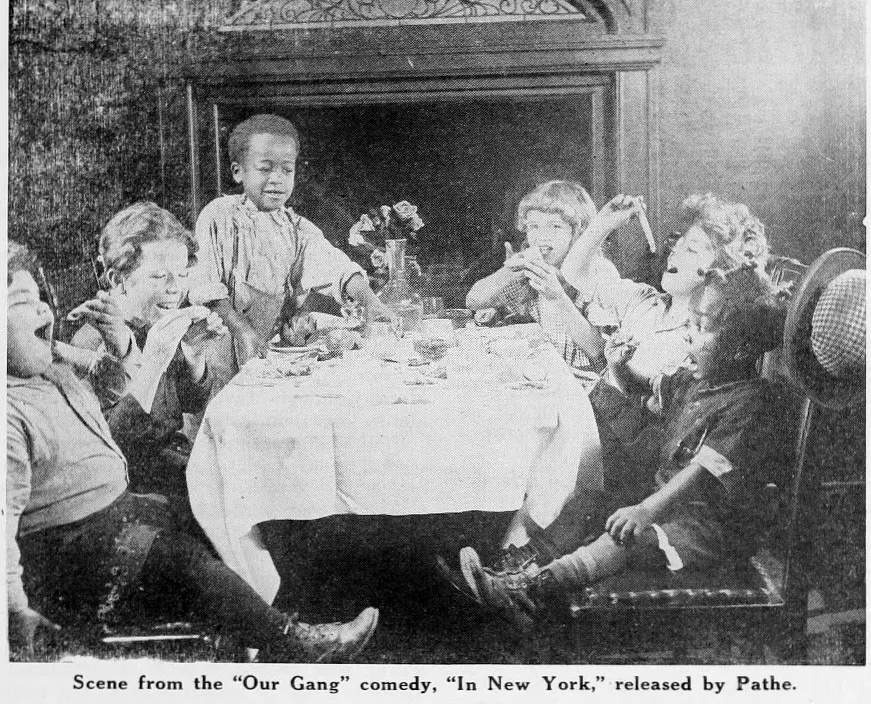
3) You should watch it if you want to see the exact moment where child-led slapstick evolved from simple backyard antics into large-scale, location-based set pieces that rivaled the work of Buster Keaton.
The Big Town is worth watching because it captures a version of New York that no longer exists. Unlike the stylized sets of Mother Gooseland, this short takes the gang into the real, breathing streets of the 5th Avenue. The stakes feel higher because the danger is real—those are real cars, real crowds, and real heights. It serves as a gritty counterpoint to the more whimsical shorts of the era.
The opening sequence is deceptively simple. The kids playing in the boxcar is standard 'Our Gang' fare, but the moment the door slams shut, the tone shifts. There is a brief, effective moment of darkness where the silence of the film actually enhances the sense of isolation. When they emerge the next morning, the contrast between the dark, cramped wood of the train and the sprawling stone of New York is visually striking.
Compare this to the methodical pacing found in The Bruce Partington Plans; while that film relies on narrative tension, 'The Big Town' relies on environmental shock. The kids are small, and the city is massive. This scale is the film's most effective weapon.
The centerpiece of the film—the theft of the bus—is where Hal Roach’s direction truly shines. It’s not just about the kids driving a vehicle they can barely reach the pedals of; it’s about the reaction of the city around them. The sheer audacity of filming this on a live street is mind-boggling by modern safety standards. There is a specific shot where the bus swerves near a pedestrian that feels genuinely unscripted. It works. But it’s flawed in its reckless execution.
Allen 'Farina' Hoskins provides the emotional anchor here. While the other kids are playing at being drivers, Farina’s expressions often mirror the audience's anxiety. His performance is a reminder that while this is a comedy, the situation is inherently terrifying. It’s a nuanced layer that many silent shorts lacked.
The cinematography by the Roach team is surprisingly mobile. They aren't just parking the camera on a tripod; they are chasing the action. The use of wide shots to emphasize the height of the buildings creates a sense of 'urban vertigo' that makes the gang look like ants in a giant’s kitchen. This isn't the theatrical framing of Trilby; it’s early guerrilla filmmaking.
H.M. Walker’s title cards are punchy and avoid the over-explaining common in 1925. He lets the visuals carry the weight of the humor. When the police finally intervene, the titles don't lecture; they highlight the absurdity of the situation. The pacing in the final third is relentless, a stark contrast to the slow-burn opening.
Pros:
- Unrivaled historical footage of 5th Avenue.
- Genuine chemistry between the core 'Our Gang' members.
- High-energy stunt work that still holds up.
- A refreshing lack of sap.
Cons:
- The 'boxcar' logic is paper-thin.
- Some gags feel repetitive during the bus chase.
- The ending feels like they ran out of film.
'The Big Town' is a chaotic, essential slice of silent cinema. It abandons the safety of the studio lot for the unpredictable energy of the streets, and the film is better for it. While it lacks the emotional depth of later Our Gang entries, its sheer kinetic energy makes it a standout. It is a loud, rattling, and dangerous joyride that proves why Hal Roach was the king of the short-form comedy. Watch it for the history, stay for the anarchy.
IMDb 6.5
1925
Community
Log in to comment.