DbcultAccessing Vault...
6.9/10
Senior Film Conservator
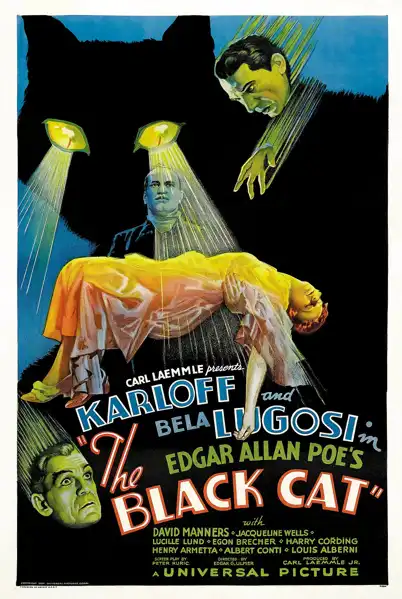
A definitive 6.9/10 rating for a film that redefined the boundaries of cult cinema. The Black Cat remains a cornerstone of transgressive art.
Alright, is 1934's The Black Cat worth watching today? Yeah, absolutely. If you like your old movies less about literal monsters and more about really messed-up people doing awful things, this one's a gem. It’s perfect for a rainy afternoon when you just want something genuinely creepy. But if you need constant jump scares or a clear-cut good vs. evil story, you’re probably gonna find it a bit too slow, maybe even confusing.
The whole thing kicks off with a newlywed couple, Peter and Joan, fresh off a train crash in Hungary. They get stuck with this mysterious, unsettling Dr. Vitus Werdegast, played by Bela Lugosi. He’s headed to this isolated, super-modern house. A house that belongs to Hjalmar Poelzig, played by Boris Karloff. And that’s where things just get… weird.
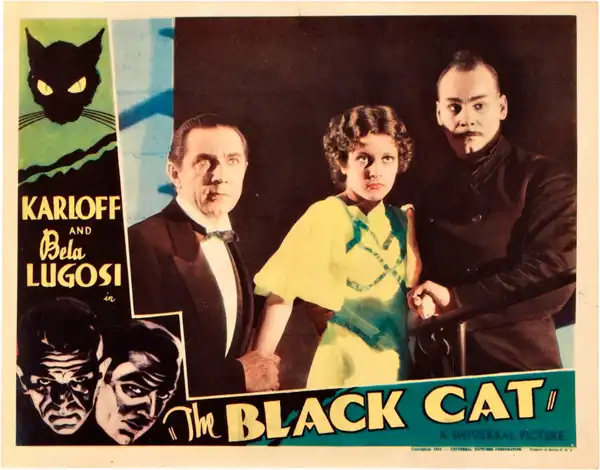
Right from the start, the movie has this *vibe*. It’s not about ghosts jumping out or creatures lurking. It’s all about the atmosphere. Poelzig’s house, for one, is amazing. All sharp angles and glass and concrete. It looks like something from a future that never happened. It's so stark, so cold, almost an uncomfortable place to be.
Lugosi and Karloff here? They’re just incredible together. Lugosi’s Werdegast is this broken man, full of simmering rage and a deep, deep sadness. He’s out for revenge, you see, against Karloff’s Poelzig. Karloff, on the other hand, is just chilling. He’s so calm, so utterly in control. A real stone-cold villain. You can feel the tension between them, like a piano wire stretched too tight.
There's a scene where Werdegast is playing chess, and Poelzig just watches him. Nothing really happens, no big dialogue. But the way Karloff’s eyes follow Lugosi, that little half-smile he has… it’s pure dread. It tells you everything you need to know about who Poelzig is.
The honeymooners, David Manners and Lucille Lund, they’re really just pawns in this whole mess. They spend a lot of time looking confused or scared, which, honestly, fair enough. You’d be too, stuck in that house with those two guys. Poor Joan gets caught up in Poelzig's bizarre rituals, which are hinted at more than shown, but those hints are enough to make your skin crawl. 😨
The movie doesn't rely on cheap scares. It builds this sense of unease. You know something awful is going to happen, you just don't know *when* or *how*. The title, The Black Cat, feels more symbolic than literal. There are a few cats around, sure, but it’s more about superstition, about the bad luck that follows certain people.
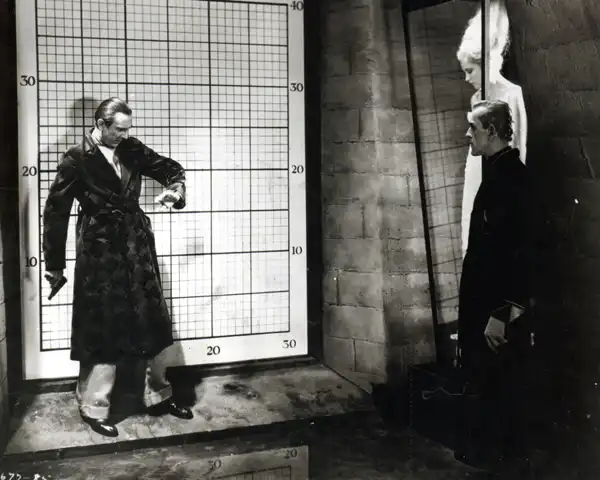
One particular moment that sticks with me: Werdegast has this sort of meltdown, or maybe a realization, in front of a mirror. He’s talking to himself, and you can see the years of torment just etched on his face. It’s a very human moment in a movie that often feels so cold and detached.
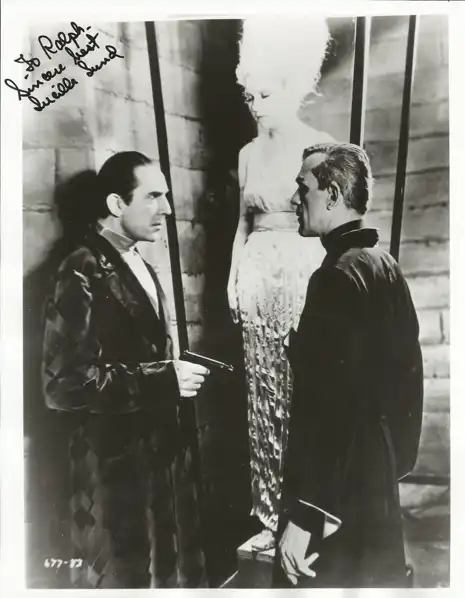
And then there’s the ending. It gets pretty wild. Without giving too much away, let’s just say things go from psychologically tense to outright gruesome in a hurry. Lugosi finally gets his chance for some payback, and it's not pretty. The way he… *handles* Poelzig is still shocking, even now. You can almost feel the movie trying to push the boundaries of what was allowed on screen back then.
The film moves at its own pace. It’s not fast. Sometimes you wonder if it’s going anywhere, but then another unsettling scene hits, and you remember why you’re watching. It’s really a masterclass in atmosphere and using your actors to create tension.
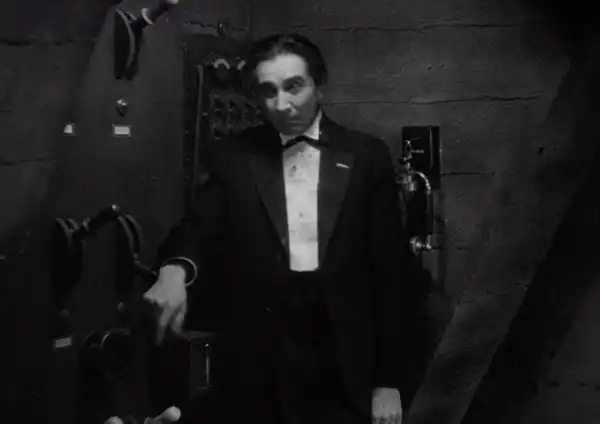
It’s a different kind of horror, for sure. One that stays with you a bit. Not because of monsters, but because of the monsters *inside* people. And how stylishly awful it all looks. Go watch it. Just maybe not right before bed. 😉
IMDb —
1918
Community
Log in to comment.