DbcultAccessing Vault...
Cult Review
Senior Film Conservator
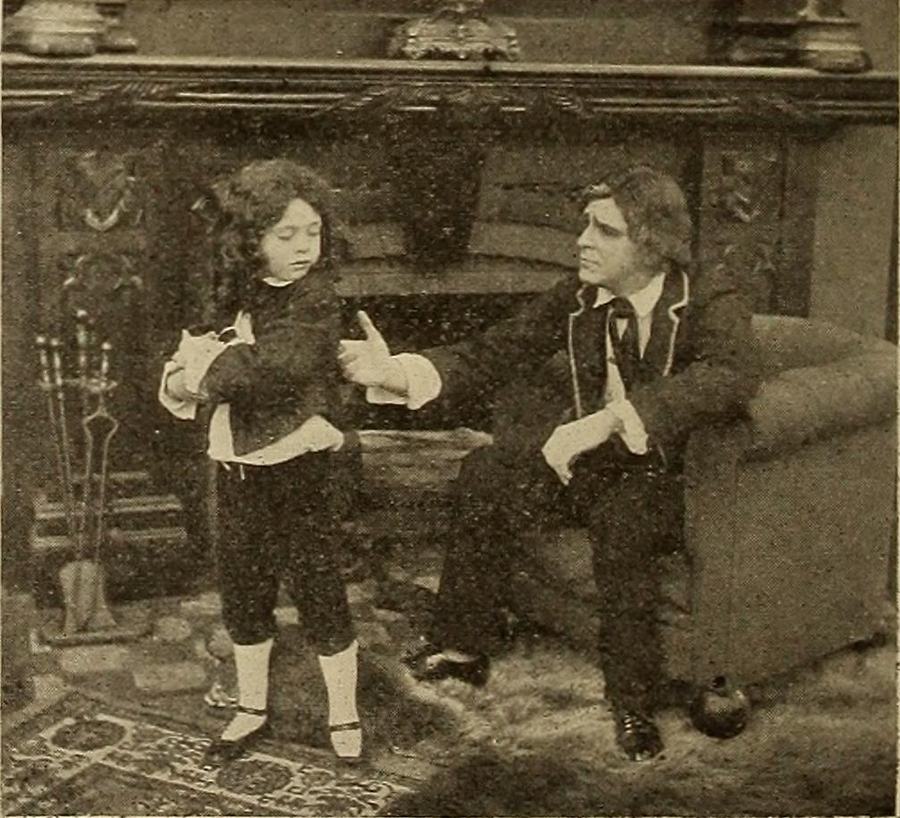
A curse is only a story that refuses to stay buried.
In the flickering nitrate universe of 1917, when the Western was still a crude sketch of horses and hubris, The Blood of His Fathers emerges like a lantern swung over freshly turned graves. J. Francis Dunbar and Crane Wilbur—one a pulp poet nursing bourbon in a Newark boarding house, the other a matinee idol moonlighting as auteur—concoct a saga that feels less like Saturday-afternoon escapism and more like a fever dream stitched from family Bibles and blood-spattered bandages. The film is a palimpsest: beneath its shoot-’em-up skin writhe preoccupations that would later intoxicate Faulkner, Flannery O’Connor, even Cormac McCarthy: the hereditary taint of violence, the Protestant masochism of guilt, and the uneasy suspicion that America’s original sin is not slavery alone but the refusal to forgive the descendents of both victim and perpetrator.
Photographer-turned-cinematographer Jacob Abrams shoots Civil War rubble through a haze of glycerine and coal dust, so every bayonet scar on Morgan Gray’s face glistens like a raw garnet. The 1917 cameras—hand-cranked, temperamental—become co-conspirators in claustrophobia. When Amity, draped in a mildewed bridal gown, pronounces her malediction, Abrams racks focus so that her pupils swell until the screen itself seems to breathe vengeance. Compare this intimate horror to the circus-pageant sprawl of The Flying Circus; here the spectacle is interior, a moral vertigo.
Crane Wilbur plays Abel with a slouch that anticipates Bogart by two decades—shoulders folded as if permanently preparing for a punch he believes he deserves. Watch the micro-gesture when he first sights a whiskey bottle: fingers flutter like a preacher’s caught in adultery. Yet Wilbur never begs sympathy; he trusts the audience to sift through the sediment of self-disgust and discover a vein of honor thin as razor wire. The performance stands in stark contrast to the moral absolutism of Unto Those Who Sin, where temptation is external, a sultry vamp with kohl-lidded eyes. In Blood, Satan wears the protagonist’s own monogram.
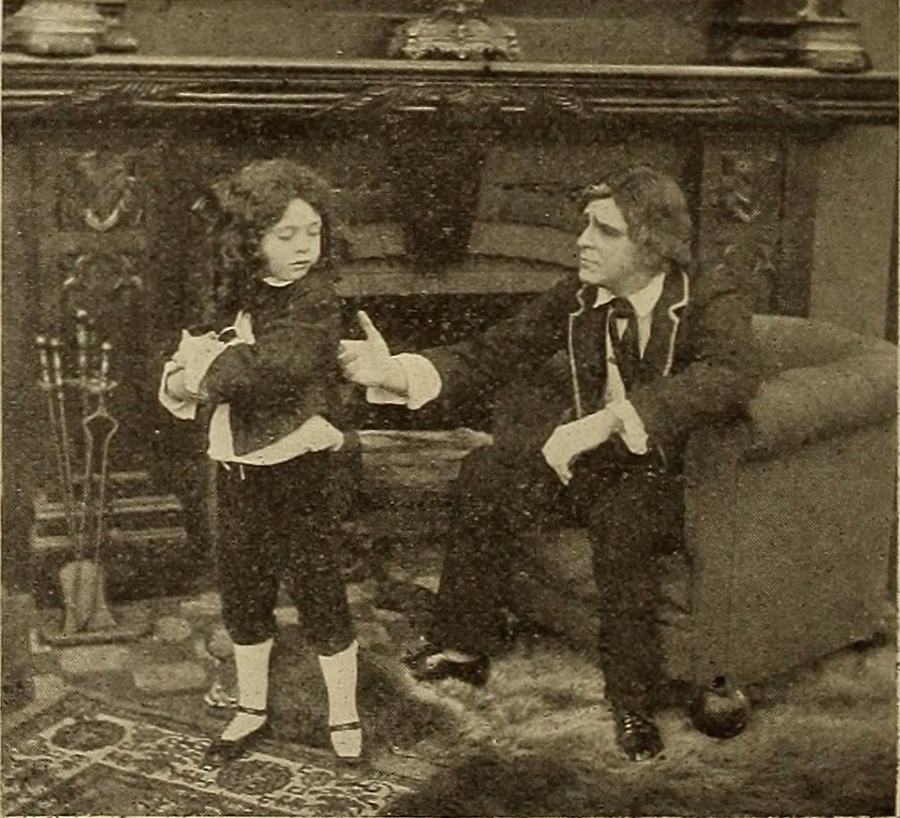
Ruth King’s Hope is no decorative hostage. She strides into the Gray family cemetery clutching a suitcase stuffed with Tolstoy and phonograph cylinders, a proto-feminist missionary convinced love can be engineered like a railway. King’s eyes—sea-blue against sepia tinting—register each betrayal with the precision of a telegraph key. One of the film’s most haunting tableaux occurs when Hope, captured by rustlers, is lashed beneath a water wheel; the revolving spray catches the moonlight until she appears wrapped in liquid starlight. It is erotic without voyeurism, agony shot through with transcendence, a visual echo later refracted in Marta of the Lowlands’ chiaroscuro suffering.
Dunbar’s script refuses to clarify whether the curse is metaphysical or merely the psychological heirloom of shame. Dialogue is sparse—intertitles appear like intrusive memories. One card, letter-pressed in crimson ink, reads: "The past is a coffin lid screwed down from the inside." That aphorism reverberates through the generations until Abel, standing knee-deep in a copper-mine slurry, recognizes the corpse he has been fleeing is his own reflection. The film’s structural daring—leaping 52 years midway—anticipates the cosmic time-lapses of Il fuoco trilogy, yet predates it by five years.
Don Bailey essays Kane with a carnivorous grin that could curdle daylight. He embodies the Southern Gothic conviction that families metabolize their own, that brothers are mutually devouring galaxies. Kane’s wardrobe grows darker scene by scene—starting with dove-grey linen and ending in oil-black duster—until he resembles a walking eclipse. His final comeuppance, a plunge off a cliff while clutching a bottle labeled "Redemption—100 Proof," is framed in a single unflinching long take that rivals the fatalistic sweep of The Last Man.
Though silent, the picture was originally accompanied by a commissioned score for slide-whistle, pump organ, and Chinese gong—an avant-garde cacophony that scandalized exhibitors weaned on melodrama arpeggios. Modern restorations substitute a minimalist guitar motif; the plucked strings scrape against the imagery like dry branches on windowpanes, proving that horror often begins in the ear before it reaches the eye.
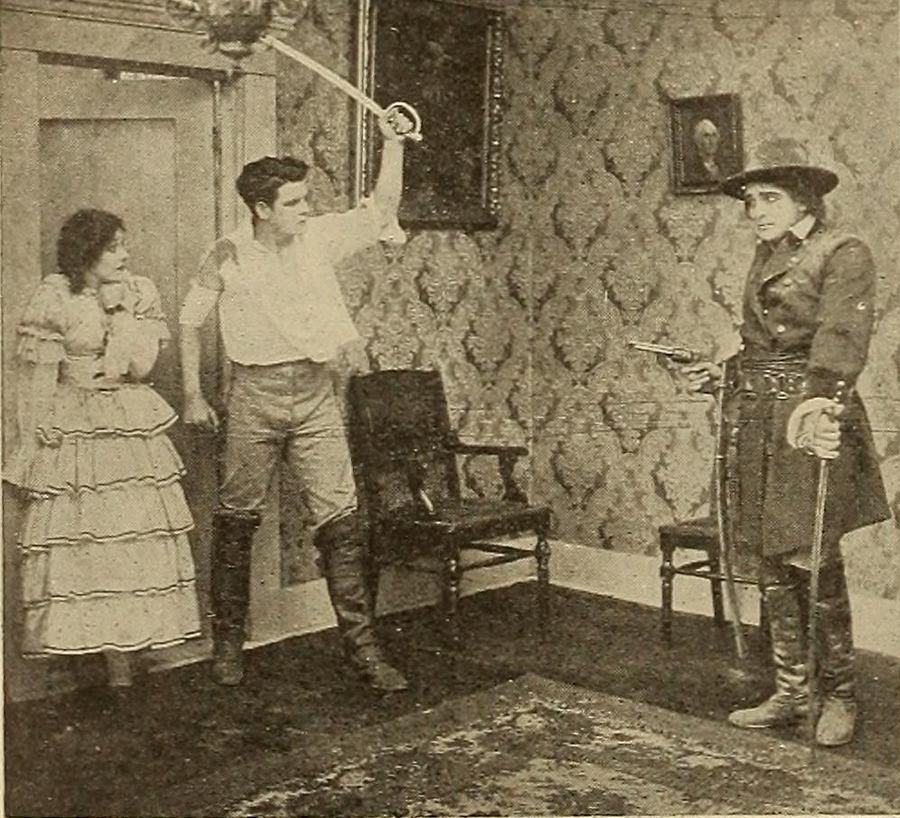
Viewed today, The Blood of His Fathers feels like the missing link between Griffith’s bombastic nationalism and the brooding post-war disillusionment of The Way of the World. Its DNA can be traced to Tennessee Williams’ neurotic dynasties, to the whiskey-soaked poetry of All the King’s Men, even to the damp family crypts of HBO’s True Detective. The movie whispers that America’s true wilderness is not the frontier but the bloodline, that every son inherits not only the sins of the father but also the revolver he used to commit them.
In 1917 the New York Dramatic Mirror dismissed it as "a morbid meander," while the Chicago Defender praised its "unflinching stare into the cauldron of heredity." A century later, cine-essayists hail it as proto-psychedelic, a backwoods Memoria dell’altro without the surrealist clichés. The discrepancy illustrates how each generation remakes the past in the image of its own neuroses.
Like so many silents, the negative perished in the 1935 Fox vault fire. What circulates among collectors is a 9.5 mm Pathé condensed print, 38 minutes of nitrate miracle that skips subplots but retains the arterial pulse. Even truncated, the film radiates an uncanny authority; its incompleteness mirrors the ellipses of memory, the way family lore omits the most damning pages of the diary.
Great art does not comfort; it returns you to the scene of your own contamination and dares you to walk away unshaken. The Blood of His Fathers is such art—raw, imperfect, scalded by its era’s limitations yet luminous with foresight. It argues that redemption is not a prayer but an excavation, a willingness to unearth the bodies we buried in our backyards and call them by their names. That the film still breathes, even through a cracked lens, is testament to cinema’s stubborn grace: the capacity to resurrect the dead so they can instruct the living on how not to live.
Verdict: A lacerating American Gothic that predates Southern literature’s heyday, essential for anyone tracing the genealogy of guilt on celluloid. 9/10
IMDb 1.9
1919
Community
Log in to comment.