DbcultAccessing Vault...
Cult Review
Senior Film Conservator
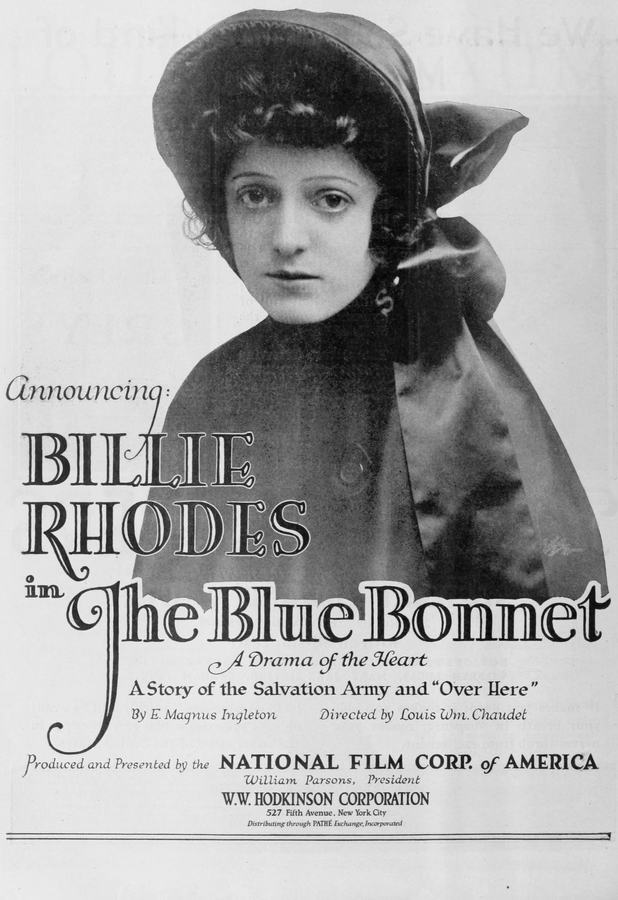
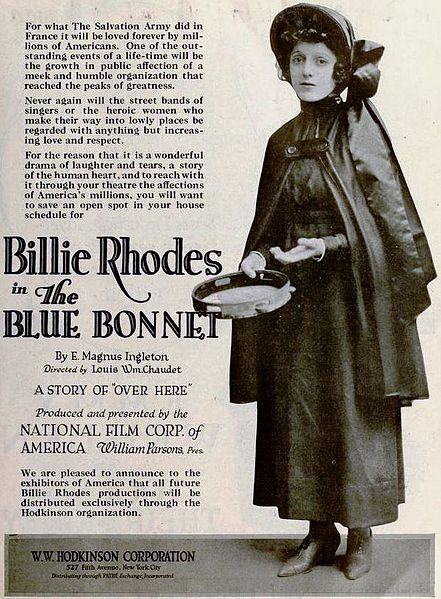
The Blue Bonnet is a film that delves into the intricate tapestry of human emotions, weaving a narrative that is both gripping and thought-provoking. At its core, it tells the story of Ruth Drake, a young woman whose life is forever altered by the discovery of her past. The film opens with a somber and haunting scene, introducing us to Ruth as she sits in a courtroom, her life laid bare before a jury. The drama unfolds in a manner that is both intimate and sweeping, effortlessly blending personal tragedy with the larger canvas of World War II.
Ruth Drake, played by Stanhope Wheatcroft, is a character whose journey is marked by loss, adoption, and a quest for identity. The film masterfully captures her formative years, portraying the emotional turmoil of being separated from her father as a baby and then adopted by a pawnbroker. This background sets the stage for her eventual involvement with the Salvation Army, a decision that stems from a deep-seated desire to help the marginalized, a sentiment born from her own experiences of vulnerability and exploitation.
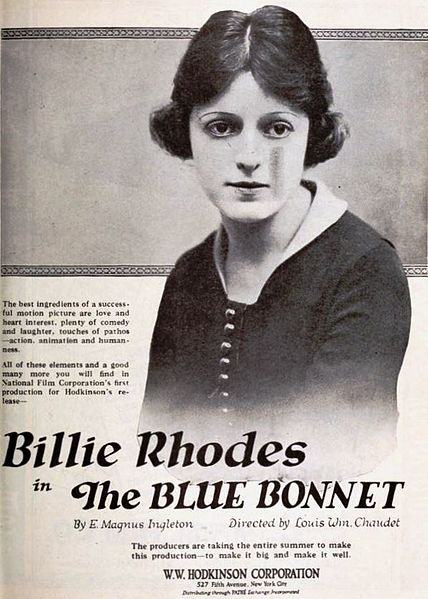
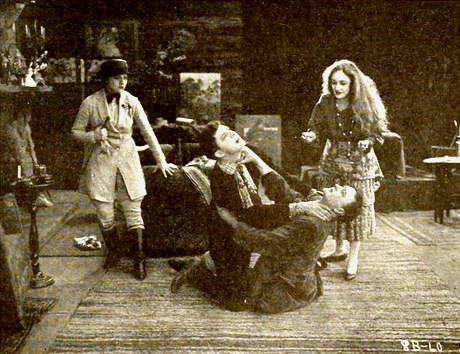
The plot thickens when Ruth volunteers to join the Salvation Army, and her life intersects with that of a young man and a prominent actress. The affair between the young man and the actress is a pivotal element that propels the story forward, creating a complex web of relationships and desires. The film's narrative is further enriched by the inclusion of these characters, each adding layers to Ruth's journey and the overall narrative.
However, the film takes a dramatic turn when the actress, outraged by the affair, hatches a scheme to frame Ruth for a robbery. This twist sets the stage for a tense and suspenseful trial, where Ruth's past comes into play. The film's pacing is impeccable, balancing the emotional intensity of Ruth's personal story with the legal and social implications of the framing. The courtroom scenes are particularly well-crafted, showing the intricate workings of justice and the power dynamics at play.
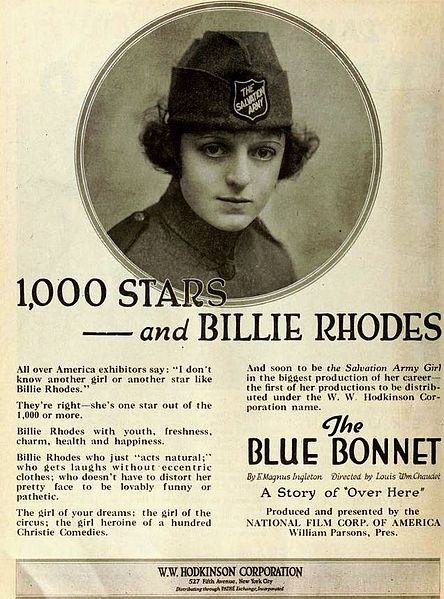
Throughout the film, the themes of identity and redemption are central. Ruth's journey is one of self-discovery, as she grapples with the truths about her past and the impact of those truths on her present. The film explores the concept of identity from multiple angles, questioning what it means to belong and how past experiences shape one's future. The actress's actions serve as a metaphor for the societal pressures and double standards that can manipulate and destroy lives.
The cinematography of The Blue Bonnet is a visual feast, capturing the beauty and desolation of war-torn Europe with equal measure. The film's aesthetic choices are not merely decorative but serve to enhance the narrative's emotional resonance. The use of light and shadow, particularly in the courtroom scenes, adds depth and intensity to the emotional moments, making the viewer feel the weight of Ruth's experiences.
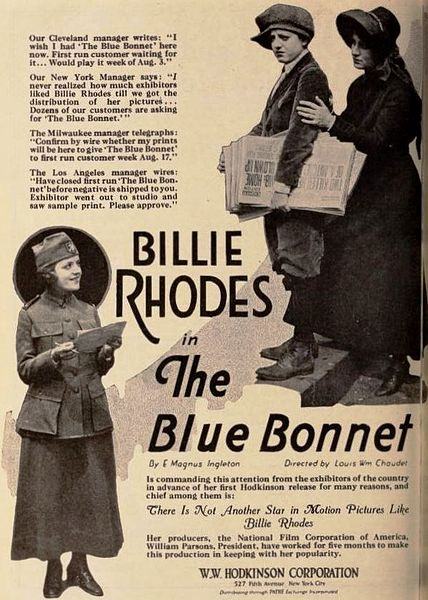
Stanhope Wheatcroft delivers a nuanced and compelling performance as Ruth, conveying the character's inner turmoil and growth with subtlety. The supporting cast, including Billie Rhodes, William A. Carroll, and Irene Rich, also contribute significantly to the film's impact, each bringing depth and authenticity to their roles. The film's dialogue is carefully crafted, with each word chosen to evoke the characters' emotions and the broader context of their lives.
Compared to other films of the era, The Blue Bonnet stands out for its nuanced portrayal of complex characters and its exploration of deep emotional themes. Films like Lights of New York and The Pride of the Firm offer a stark contrast in tone and subject matter, providing a broader context for understanding The Blue Bonnet's place within the genre. However, what sets it apart is its ability to blend personal drama with broader social and historical themes, creating a film that is both intimate and epic in its scope.
On a technical level, the film is a marvel of its time. The special effects, while limited by the technology of the era, are used effectively to enhance the story's emotional moments. The film's score, composed by an unnamed talent, adds a layer of emotional depth, underscoring the film's themes of loss, redemption, and the enduring human spirit.
In conclusion, The Blue Bonnet is a film that deserves recognition for its emotional depth and technical prowess. It is a testament to the power of storytelling and the enduring relevance of themes like identity and redemption. Through its rich characters and compelling narrative, the film offers a poignant reflection on the complexities of human experience, making it a must-watch for anyone interested in the golden age of cinema.
IMDb 5.3
1931
Community
Log in to comment.