DbcultAccessing Vault...
7/10
Senior Film Conservator
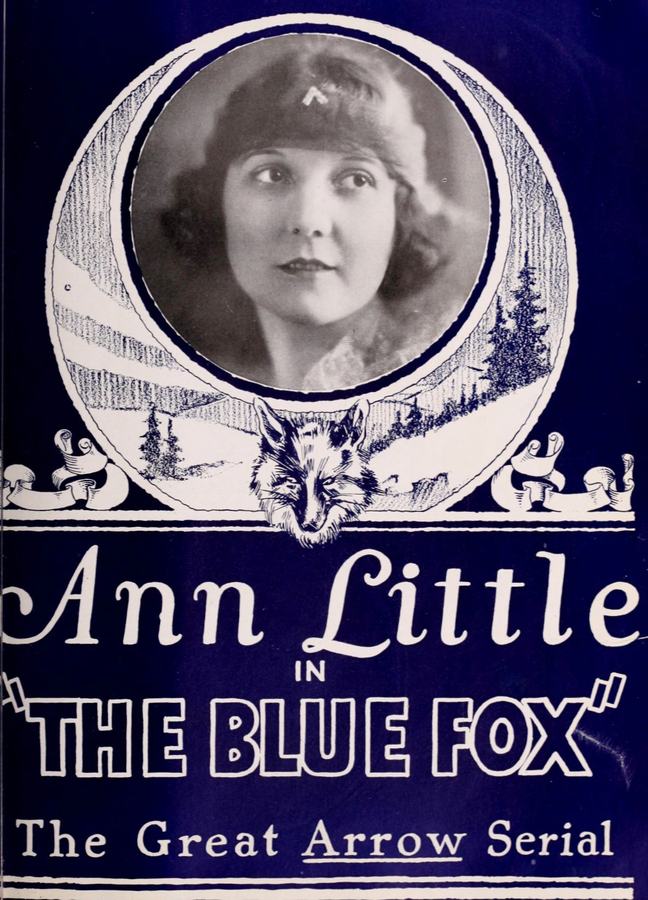
A definitive 7/10 rating for a film that redefined the boundaries of cult cinema. The Blue Fox remains a cornerstone of transgressive art.
The Blue Fox unfolds like a snow‑drifted tapestry, each thread a careful juxtaposition of cultural collision and personal retribution. From the opening tableau—an icy river reflecting the blood‑stained sky after the patriarch’s murder—the film establishes a tone of stark inevitability. The screenplay, co‑crafted by Joe Brandt and Hope Loring, refrains from melodramatic excess; instead, it leans on visual symbolism, allowing the stark white of the landscape to echo the protagonist’s internal void.
When the daughter, portrayed with stoic intensity by Ann Little, returns to her ancestral village, the narrative pivots from a linear revenge plot to an intricate study of identity. Her dual heritage becomes a prism through which the audience perceives the tribal dynamics, the lingering prejudice of the white townsfolk, and the unspoken yearning for belonging that permeates every frame.
Cinematographer Fred L. Wilson employs a chiaroscuro palette that feels both avant‑garde and grounded in the era’s technical constraints. The frequent use of high‑contrast lighting—deep shadows against the luminous snow—mirrors the protagonist’s struggle between darkness and light. In scenes where the heroine confronts the tribal elders, the camera adopts low angles, granting the elders an imposing presence that underscores the weight of tradition.
The film’s mise‑en‑scène is punctuated by recurring motifs: a lone fox silhouette darting across the tundra, a weathered wooden canoe drifting aimlessly, and the ever‑present aurora borealis, rendered in a wash of muted greens that hint at the spiritual undercurrents of the Eskimo worldview. These visual leitmotifs function as silent narrators, guiding the audience through the emotional terrain without the crutch of dialogue.
Ann Little’s performance is a masterclass in expressive restraint. Her eyes—wide, searching, and often glistening with unshed tears—communicate volumes that intertitles merely hint at. Little’s ability to oscillate between ferocious determination and vulnerable introspection lends the film a psychological depth rarely seen in silent era dramas.
Ashton Dearholt, cast as the conflicted tribal chieftain, delivers a nuanced portrayal that avoids caricature. His measured gestures and occasional softening of his stern visage suggest an internal conflict between tribal loyalty and a burgeoning respect for the heroine’s quest. Meanwhile, J. Morris Foster’s role as the American lawyer who assists the protagonist provides a bridge between the two worlds, his polished demeanor contrasting sharply with the raw, elemental setting.
Released in the early 1920s, The Blue Fox arrives at a crossroads of American cinema, where silent narratives were beginning to grapple with complex social themes. The film’s depiction of an interracial marriage, though tragic, is progressive for its time, offering a rare glimpse into the lived realities of mixed‑heritage families on the frontier.

The screenplay does not shy away from the darker aspects of tribal politics, yet it avoids sensationalism. Instead, it invites viewers to contemplate the corrosive effects of jealousy and the cyclical nature of vengeance. In doing so, the film aligns itself with contemporary works such as The Battle Cry of Peace, which similarly interrogates the cost of conflict, albeit on a geopolitical scale.
When juxtaposed with The Drifters, The Blue Fox shares an itinerant spirit but diverges in its treatment of agency. While The Drifters follows a group of wanderers whose fates are dictated by external forces, The Blue Fox centers a singular heroine whose agency drives the narrative forward.
The film’s narrative complexity also invites comparison to Her Soul's Inspiration, particularly in its exploration of inner versus outer conflict. Both films employ a lyrical visual language, yet The Blue Fox’s stark environment amplifies its protagonist’s isolation, rendering her quest almost mythic.
Though silent, contemporary screenings often paired The Blue Fox with a live piano score that leaned heavily on minor keys and occasional dissonant chords, mirroring the film’s tonal oscillations. Modern restorations sometimes incorporate a synthesized ambient soundtrack, featuring wind whistles and distant drumbeats that echo the tribal rhythms depicted on screen.
The Blue Fox, while not as commercially renowned as some of its contemporaries, enjoys a cult following among silent‑film aficionados. Its preservation status—thanks to a 1998 restoration by the National Film Archive—allows scholars to examine its pioneering approach to cross‑cultural storytelling. The film’s influence can be traced in later works that tackle similar themes, such as The Blue Mountains Mystery, which echoes the motif of a solitary quest within an unforgiving landscape.
In contemporary discourse, the film is frequently cited in academic papers discussing early representations of Indigenous peoples in Hollywood, highlighting both its progressive intentions and its occasional reliance on exoticism. This duality renders The Blue Fox a valuable case study for film historians seeking to understand the evolution of cultural representation on screen.
The Blue Fox stands as a testament to the silent era’s capacity for narrative depth without uttered words. Its blend of stark visual poetry, compelling performances, and a thematically rich script invites repeated viewings, each revealing new layers of meaning. For those yearning to explore cinema that transcends its temporal confines, The Blue Fox offers an immersive journey into the heart of vengeance, identity, and the inexorable pull of home.
IMDb 8.2
1922
Community
Log in to comment.