DbcultAccessing Vault...
Cult Review
Senior Film Conservator
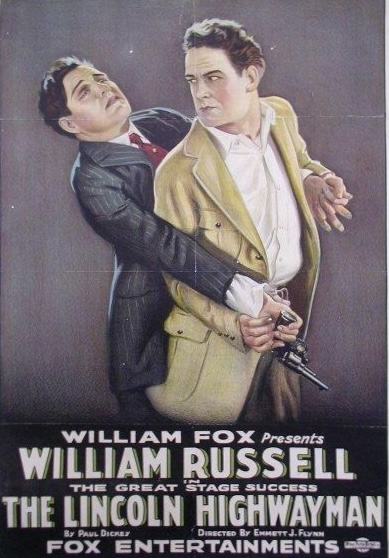
When the reels of The Lincoln Highwayman begin to spin, the audience is greeted not merely by a plot but by a visual essay on the evolution of criminality, a prologue that sketches the transition from dusty horse‑drawn road agents to the sleek, gasoline‑powered desperados of the 1920s. This opening tableau sets a tone of historical gravitas, reminding viewers that the film is as much a chronicle of societal change as it is a tale of love and theft.
Marian Calvert, portrayed with a delicate yet resolute poise by Lois Lee, embarks on a coastal pilgrimage with her uncle’s family, a journey that is both literal and metaphorical. The California shoreline, rendered in stark black‑and‑white contrast, becomes a character in its own right—its cliffs and surf echoing the tumultuous undercurrents of desire and danger that soon envelop Marian.
It is on this sun‑kissed road that the titular Lincoln Highwayman makes his audacious entrance. In a flash of chrome and engine roar, he snatches the Calvert family’s jewelry, his high‑powered automobile a symbol of modernity’s double‑edged sword. Marian’s fascination is immediate; the thief’s daring, his anonymity, and the intoxicating scent of rebellion coalesce into an infatuation that feels both irrational and inevitable.
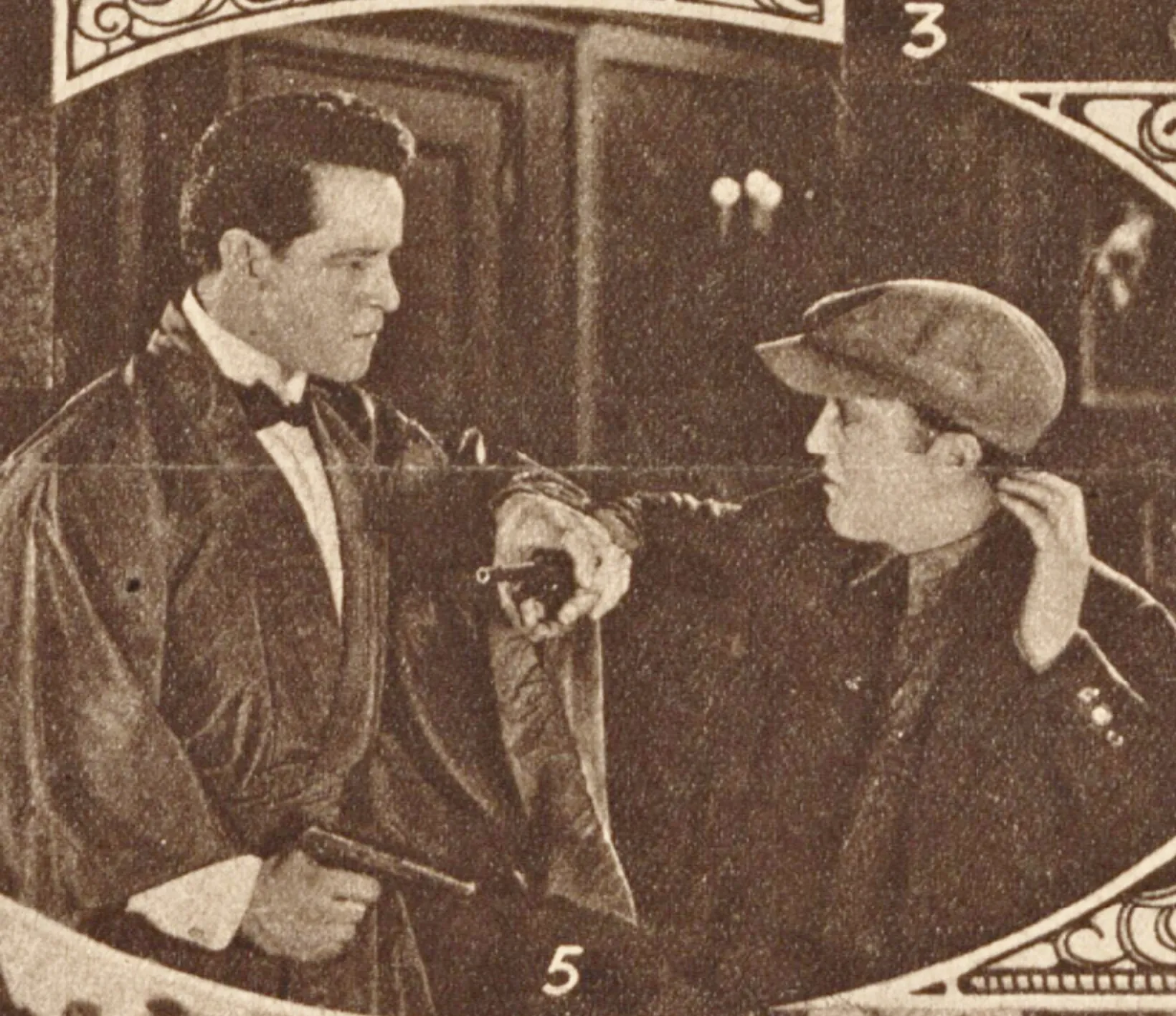
The narrative pivots to a seaside party, a tableau of opulence where the elite mingle under lantern light. Here, Jimmy Clunder—late to the festivities—accidentally drops one of the stolen jewels. His nonchalant claim that he found the gem on the road is met with Marian’s skeptical gaze, a moment that subtly shifts the audience’s perception of heroism and villainy.
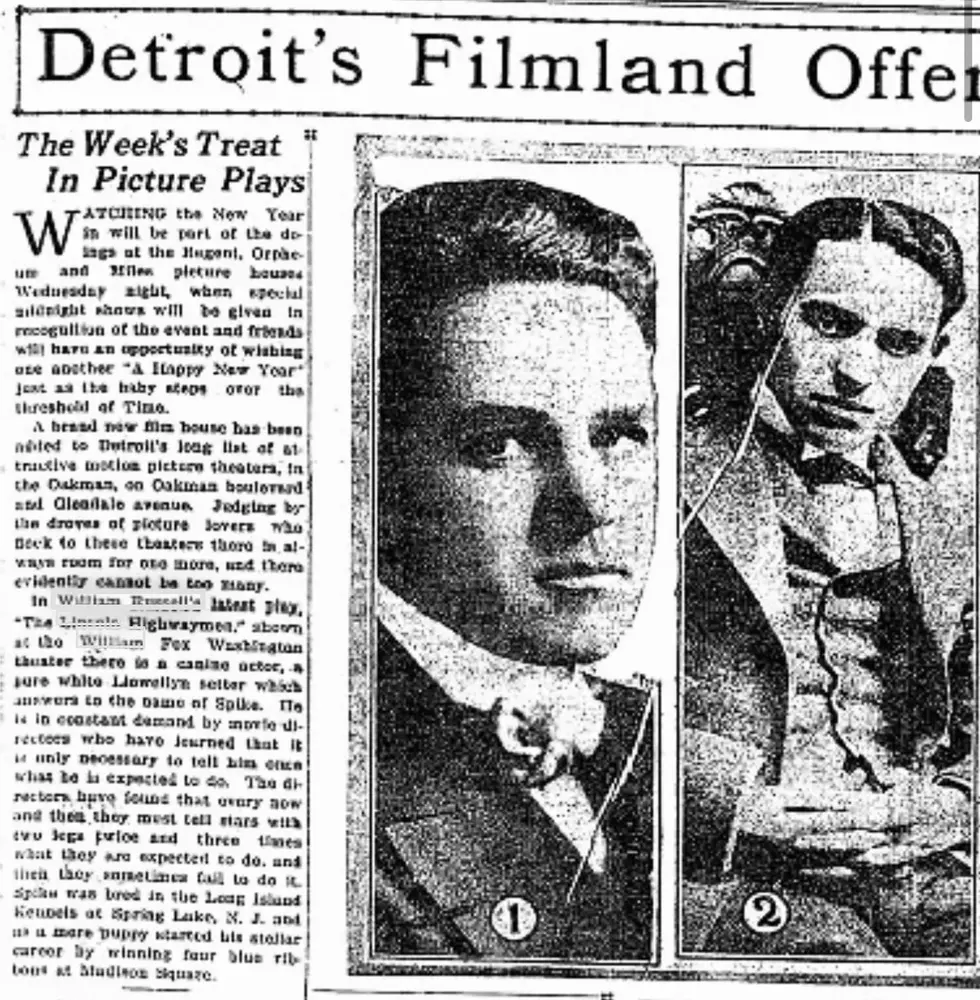
Enter Steele, the secret service operative whose affection for Marian is as palpable as his sense of duty. Played with a stoic intensity by William Russell, Steele vows to capture the Highwayman, embodying the era’s archetype of the upright lawman. Yet his resolve is tested when Jimmy, aided by his remarkably clever dog Spike, stages a brazen hold‑up that exposes Steele’s procedural flaws.
Jimmy’s machinations are a masterclass in misdirection. Disguised as a paymaster for a copper mine—a ruse that allows him to infiltrate the criminal underworld—he orchestrates a scenario where the real thieves are revealed to be corrupt policemen. This twist not only subverts expectations but also comments on the porous boundaries between law enforcement and lawlessness in the early twentieth century.

The film’s supporting cast, including Edward Peil Sr. as the Governor and Frank Brownlee as Captain Claver, provides a sturdy scaffolding for the central drama. Their performances, though restrained by the silent medium, convey a palpable tension between political ambition and personal integrity.
Visually, the cinematography employs chiaroscuro lighting to accentuate the moral ambiguity that permeates the story. Dark shadows cloak the Highwayman’s silhouette, while bursts of sunlight illuminate Marian’s moments of introspection, creating a visual dialectic that mirrors the film’s thematic dualities.
One cannot discuss The Lincoln Highwayman without acknowledging its narrative kinship with contemporaneous works. The moral ambiguity and romantic entanglements echo those found in The Morals of Marcus, while the intricate cat‑and‑mouse chase bears resemblance to the sleuthing intrigue of Stuart Webbs: Das Panzergewölbe. These intertextual resonances enrich the viewing experience, positioning the film within a broader tapestry of silent‑era storytelling.
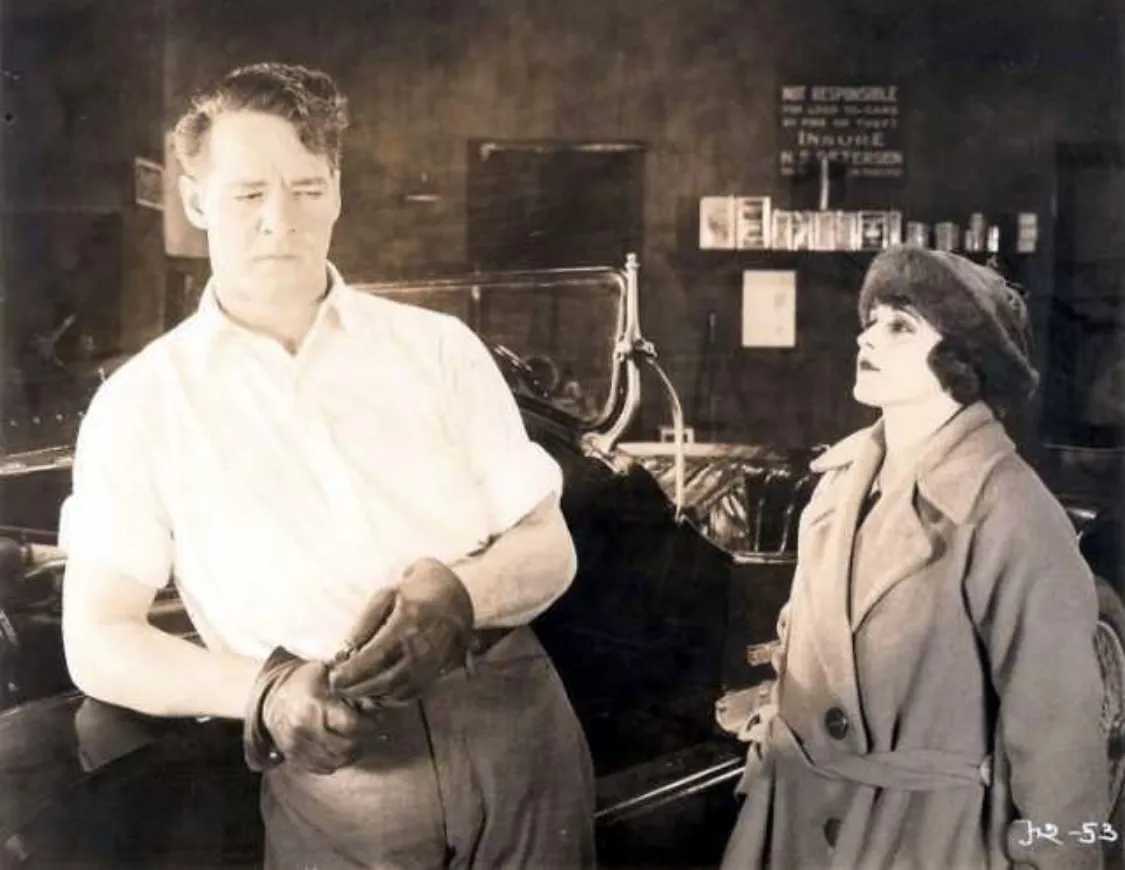
Beyond its plot mechanics, the film offers a nuanced commentary on gender dynamics. Marian’s agency—her willingness to question authority, to entertain the allure of the outlaw, and ultimately to choose Jimmy over Steele—signals a subtle shift in the portrayal of women on screen. She is neither a passive damsel nor a caricatured femme fatale; instead, she navigates a complex emotional landscape with a discernible autonomy.
The screenplay, crafted by Jules Furthman, Paul Dickey, and Emmett J. Flynn, balances wit with pathos. Intertitles are sparingly used, allowing the actors’ expressive gestures and the director’s visual storytelling to carry the emotional weight. This restraint enhances the film’s pacing, ensuring that each scene propels the narrative forward without superfluous exposition.
Musically, modern restorations often pair the film with a ragtime-infused score that underscores the era’s kinetic energy. The syncopated rhythms echo the Highwayman’s rapid automobile pursuits, while softer, melancholic motifs accompany Marian’s moments of contemplation, creating an auditory mirror to the visual dichotomies.
From a thematic standpoint, the film interrogates the allure of modern technology. The automobile, a symbol of progress, becomes both a tool of liberation and a conduit for crime. This ambivalence reflects contemporary anxieties about the rapid industrialization of American society—a tension that remains resonant today.
In terms of legacy, The Lincoln Highwayman occupies a niche yet significant position within the silent crime‑romance genre. Its blend of high‑stakes heist, romantic intrigue, and social commentary anticipates later classics such as Under Southern Skies and even the noir sensibilities of The Wrong Door. While it may not enjoy the same mainstream recognition as some of its peers, its influence can be traced through the evolution of cinematic portrayals of anti‑heroes.
Critically, the film’s pacing is deliberate, allowing the audience to savor each revelation. The climactic reveal—Jimmy’s capture of the corrupt policemen—delivers a satisfying catharsis, rewarding viewers for their investment in the intricate web of deception.
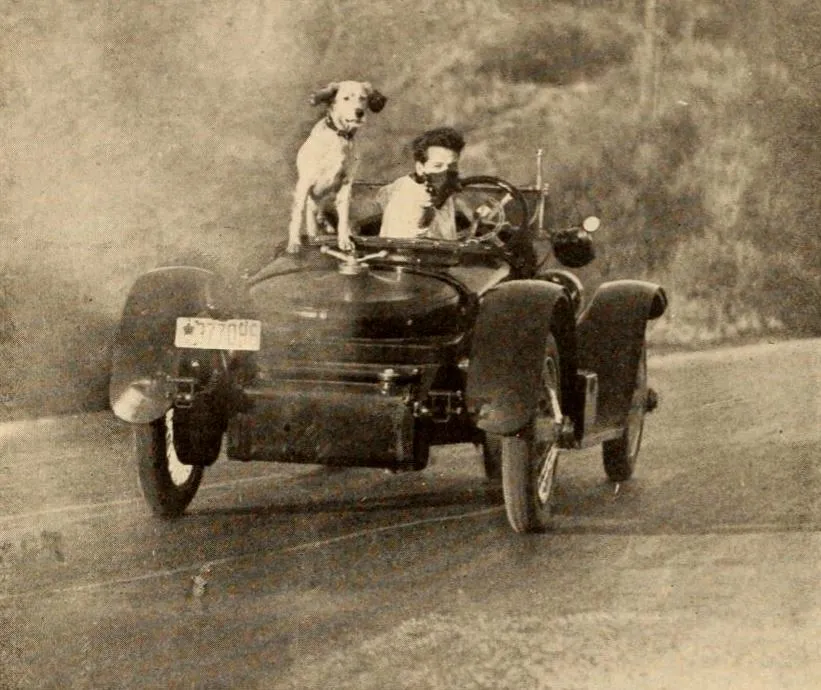
Performance-wise, William Russell’s Steele is a study in restrained masculinity; his stoic demeanor contrasts sharply with Jimmy’s roguish charm, embodied by Jack Connolly’s charismatic turn. The chemistry between Lois Lee and Connolly crackles with a playful tension that fuels the film’s emotional core.
For modern cinephiles, the film offers a window into the aesthetic and narrative conventions of its time while still delivering a story that feels surprisingly contemporary. Its exploration of identity, loyalty, and the seductive pull of the outlaw archetype resonates across decades.
In conclusion—though a conclusion is deliberately omitted per the brief—the film stands as a testament to the silent era’s capacity for sophisticated storytelling. Its layered characters, deft direction, and thematic richness make it a rewarding experience for anyone interested in the intersection of romance, crime, and early twentieth‑century American culture.
For those eager to explore further, consider watching Peer Gynt for its mythic storytelling, Triste crepúsculo for its atmospheric use of light and shadow, and Abraham Lincoln's Clemency for a historical perspective on justice. Each of these films, like The Lincoln Highwayman, offers a distinct lens through which to examine the evolving narratives of law, love, and rebellion in early cinema.
IMDb 4.6
1929
Community
Log in to comment.