DbcultAccessing Vault...
Cult Review
Senior Film Conservator
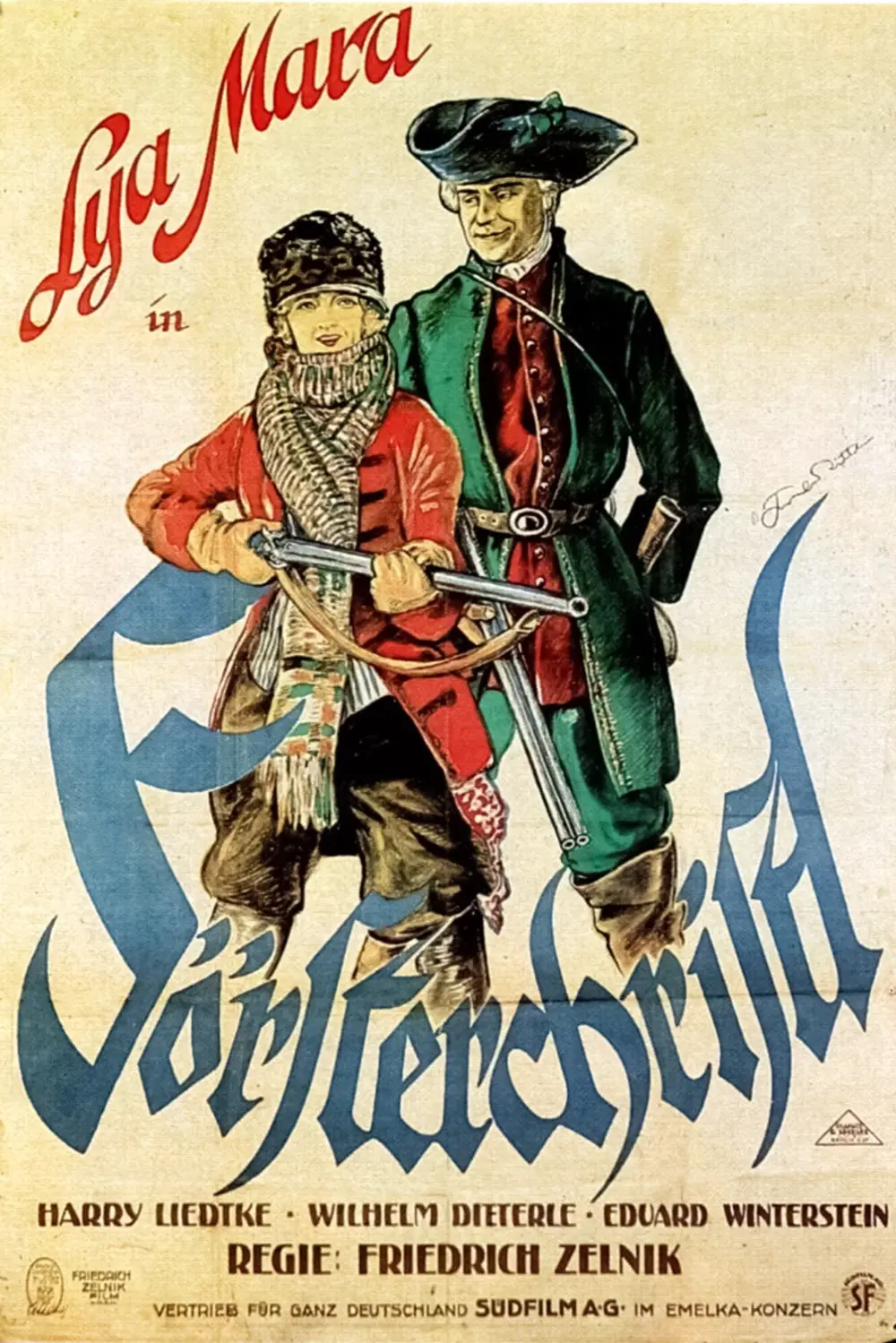
Is The Bohemian Dancer worth watching today? Short answer: yes, but with significant caveats. This silent era drama offers a fascinating glimpse into early 20th-century filmmaking and a compelling, if somewhat melodramatic, narrative that still holds emotional weight for those willing to engage with its unique cinematic language. It’s a film that demands patience but rewards with moments of genuine artistry and historical intrigue.
This film is unequivocally for cinephiles, historians, and anyone with a deep appreciation for the silent era's distinct storytelling prowess. It is NOT for viewers seeking rapid pacing, contemporary dialogue, or a straightforward, easily digestible plot. Its deliberate rhythm and reliance on visual storytelling require a specific kind of engagement.
The Bohemian Dancer, a German production from the 1920s, emerges from an era of profound artistic experimentation. It’s a testament to the power of visual narrative, where emotions are writ large on the faces of its players and stories unfold through the ballet of body language and meticulously crafted intertitles. The film, directed with a keen eye for dramatic composition, attempts to weave a tale of passion, sacrifice, and artistic integrity against a backdrop of societal constraints, a theme that remains timeless even if its execution feels distinctly period.
The film works because of its ambitious thematic scope and the raw, expressive performances from its lead actors. Lya Mara, in particular, embodies the titular character with a captivating blend of vulnerability and defiance, her movements on screen often speaking louder than any dialogue could. The visual storytelling, while occasionally heavy-handed, often achieves moments of profound beauty, especially during the dance sequences which are surprisingly dynamic for their time.
This film fails because of its occasionally uneven pacing and a tendency towards overly theatrical melodrama that can test the patience of modern viewers. Some of the narrative beats feel rushed or underdeveloped, relying on archetypes rather than fully fleshed-out character arcs. The reliance on broad gestures, while characteristic of the era, sometimes borders on caricature, diminishing the emotional impact.
You should watch it if you are fascinated by the origins of cinema, appreciate the unique challenges and triumphs of silent film acting, or simply wish to immerse yourself in a period piece that offers more than just a surface-level historical recreation.
At the heart of The Bohemian Dancer is Lya Mara, whose portrayal of Elara is nothing short of magnetic. Mara doesn't merely act; she performs. Every tilt of her head, every extension of her arm, every flicker in her eyes is meticulously choreographed to convey a universe of emotion. Her dance sequences are the film's undeniable highlight, imbued with a fierce energy that transcends the often-stiff conventions of the period. One particular scene, where Elara performs an improvised number in a dimly lit tavern, crackles with an authenticity that feels almost dangerous, a stark contrast to the more polished, but less soulful, performances seen later in grander venues.
Harry Liedtke, as the earnest musician Jan, provides a necessary grounding force. His subtle reactions and genuine warmth offer a stark counterpoint to Mara’s fiery intensity, creating a believable romantic chemistry that anchors the film’s emotional core. Their scenes together, particularly those brief, stolen moments of quiet affection, are imbued with a tenderness that feels remarkably modern.
However, not all performances are equally nuanced. Eduard von Winterstein, playing the formidable Baron Von Kessel, leans heavily into the villainous archetype. While effective in establishing the antagonist’s oppressive presence, his portrayal occasionally verges on cartoonish, lacking the psychological depth that might have made the Baron a more compelling, rather than simply menacing, figure. This is a common pitfall of silent cinema, where clarity of character often superseded complexity, but it’s still noticeable here.
The direction, under the guidance of Alfred Halm, is a fascinating study in early cinematic language. Halm utilizes close-ups sparingly but effectively, drawing the audience into Elara’s emotional turmoil during pivotal moments. The use of deep focus in certain scenes, particularly those set in the bustling Prague streets, adds a layer of realism and depth that was ambitious for its time.
The cinematography, while not as groundbreaking as something seen in a contemporary expressionist work like The Cabinet of Dr. Caligari, is nonetheless artful. The interplay of light and shadow is particularly effective in establishing mood. The stark contrast between the vibrant, sun-drenched scenes of Elara’s free existence and the shadowed, oppressive interiors of the Baron’s mansion visually underscores the central conflict of the film. There’s a scene where Elara is framed against a looming, ornate doorway, dwarfed by its grandeur, which perfectly encapsulates her struggle against the forces attempting to control her.
However, the film occasionally struggles with its visual consistency. Some sequences feel less inspired, relying on static camera positions and conventional framing. It's as if the creative energy ebbed and flowed, resulting in a patchwork of brilliant visual moments interspersed with more pedestrian ones. This unevenness is a common characteristic of films from this transitional period, but it does mean that the film doesn't sustain its visual poetry throughout its entire runtime.
The pacing of The Bohemian Dancer is characteristic of silent films – deliberate, allowing scenes to unfold with a measured rhythm that demands attention to visual cues and character expressions. While this can feel slow to modern viewers accustomed to rapid cuts and constant narrative propulsion, it also allows for a deeper immersion into the emotional landscape of the characters. The film breathes, giving space for Elara's internal struggles to manifest visually.
The tone is overtly dramatic, bordering on operatic. It’s a tragedy-tinged romance, where grand gestures and heightened emotions are the order of the day. There's little room for subtlety, and the film embraces its melodrama with earnest conviction. This can be both a strength and a weakness. When it works, the emotional stakes feel immense; when it falters, it can feel overwrought. The climactic performance, for instance, aims for catharsis, and largely achieves it, but the preceding build-up occasionally feels too drawn out, risking audience fatigue.
An unconventional observation: the film’s use of intertitles, while necessary, sometimes feels like an interruption rather than an organic part of the narrative flow. While many silent films integrated them seamlessly, here they occasionally break the visual spell, pulling the viewer out of the moment. It’s a minor quibble, but one that speaks to the delicate balance required in silent storytelling.
Absolutely, for specific audiences. The Bohemian Dancer is a valuable historical artifact and an engaging dramatic experience for those who appreciate silent cinema. Its compelling central performance and bold thematic explorations make it a worthwhile watch. It will not appeal to everyone, especially those new to silent film.
The film offers a window into the narrative techniques and artistic sensibilities of the 1920s German film industry. It's a reminder of how much storytelling has evolved, yet how some core human dramas remain constant. For students of film history, it's essential viewing. For casual viewers, it requires an open mind and a willingness to step back in time.
The Bohemian Dancer is a fascinating, if imperfect, relic of a bygone cinematic era. It works. But it’s flawed. Its strengths lie firmly in Lya Mara's captivating central performance and the film's ambitious attempt to tell a powerful story through purely visual means. The struggle between artistic freedom and societal expectation, between true love and gilded captivity, resonates deeply, even today. While its pacing and occasional melodramatic excesses might deter some, those willing to immerse themselves in its unique rhythm will find a rich, emotionally charged experience.
It's not a film I would recommend to a casual viewer looking for an easy watch, but for the discerning cinephile or the curious student of film history, The Bohemian Dancer offers a compelling journey into the heart of silent cinema. It’s a testament to the enduring power of performance and the universal language of human emotion, even when spoken without a single audible word. Give it a chance, and you might just find yourself swept away by its bohemian spirit.
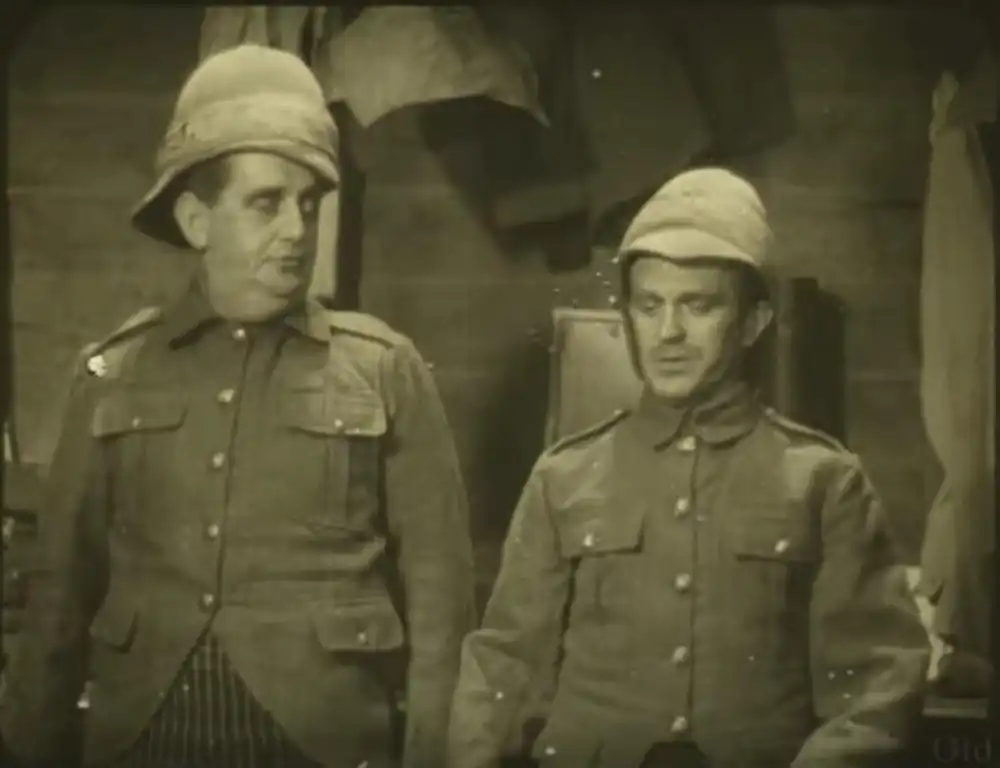
IMDb 4.5
1929
Community
Log in to comment.