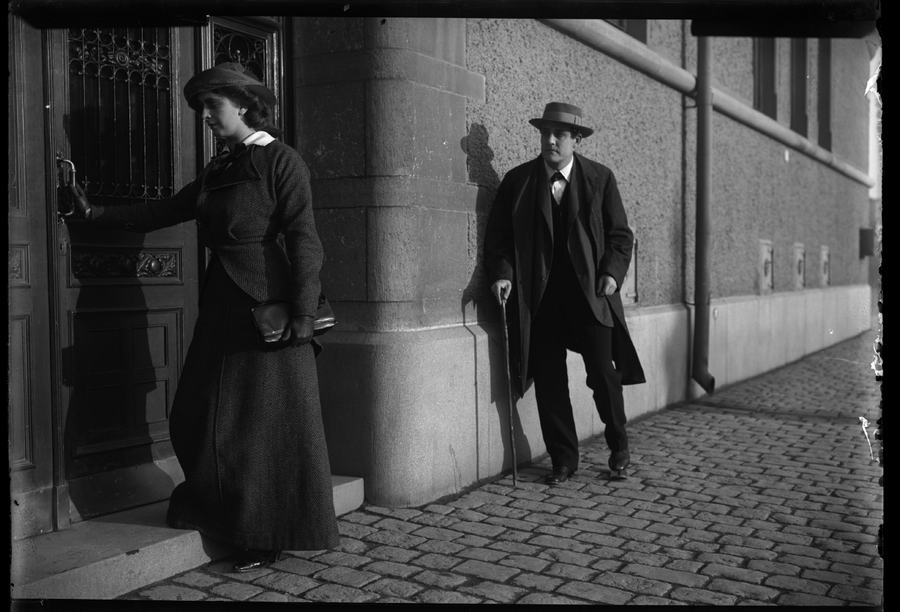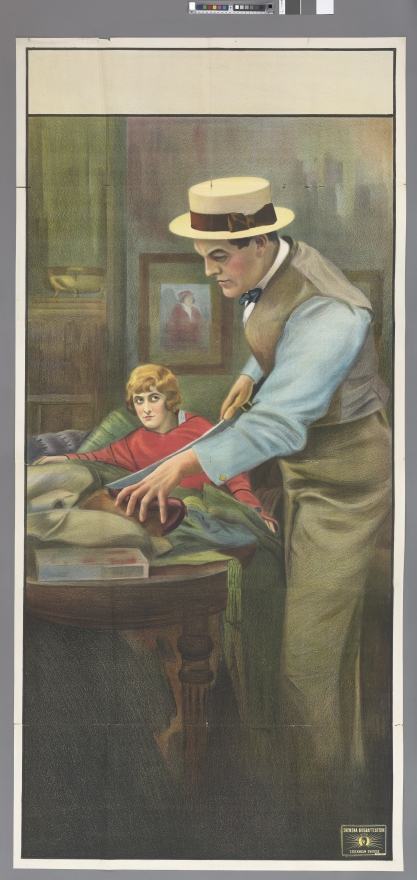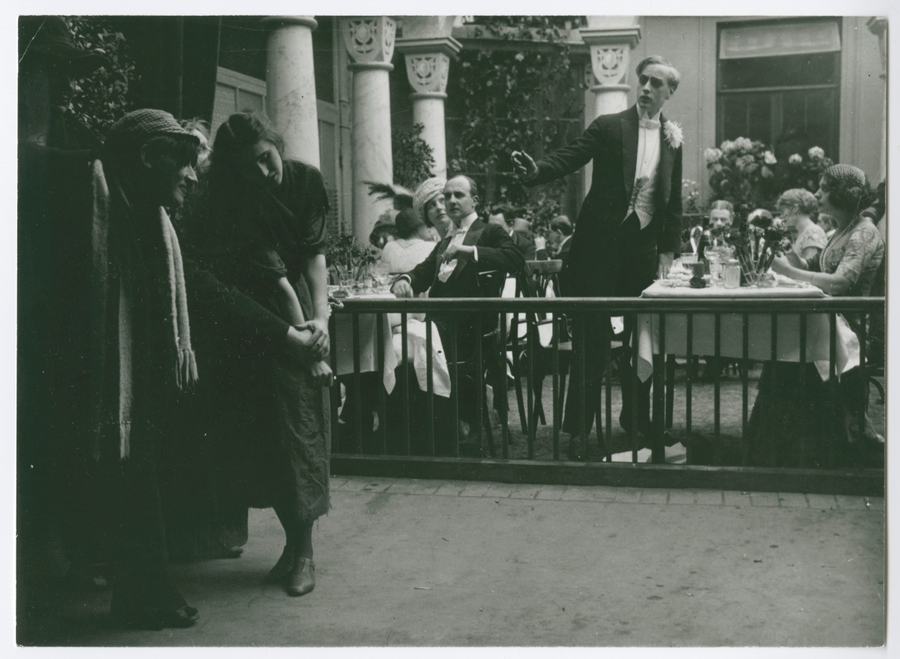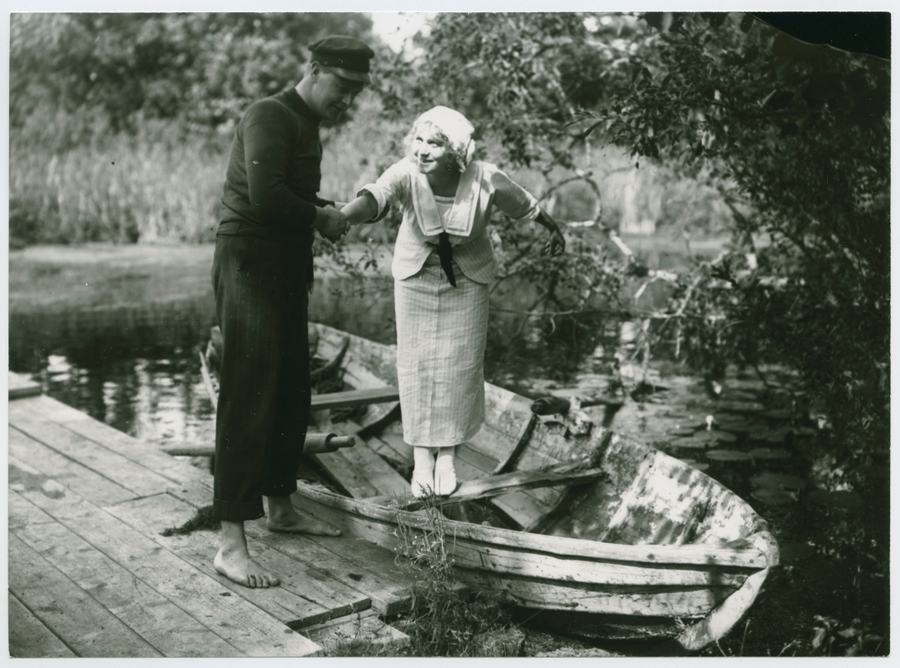
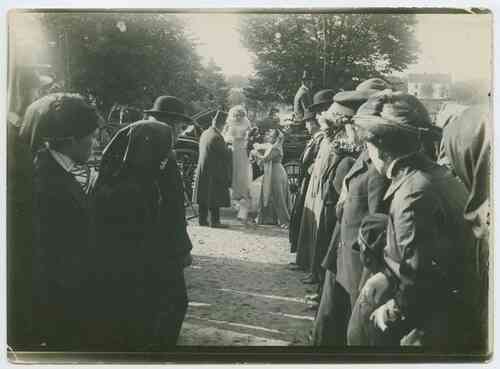
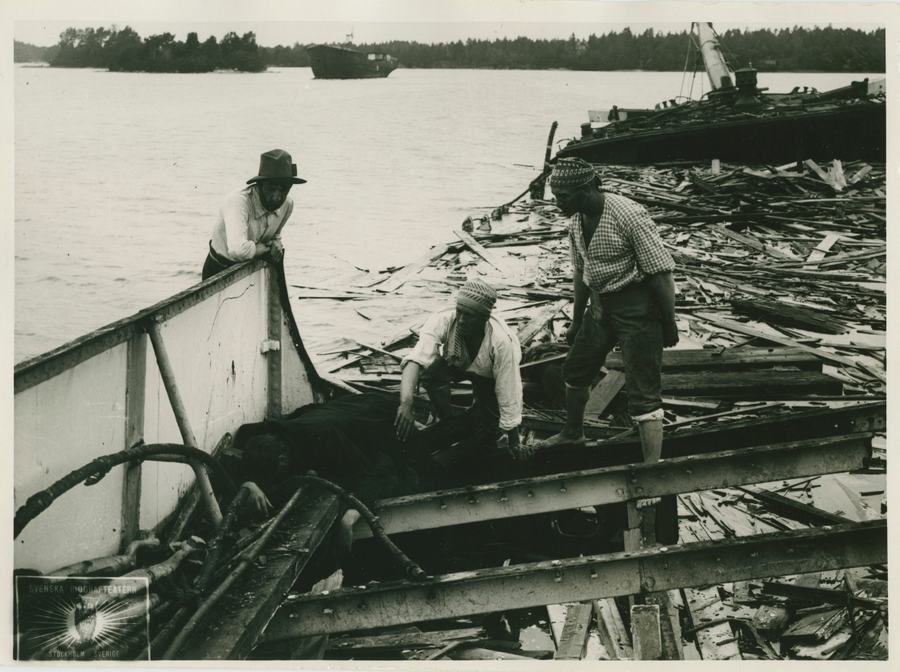
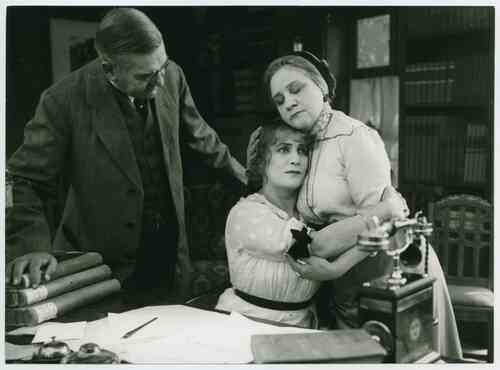
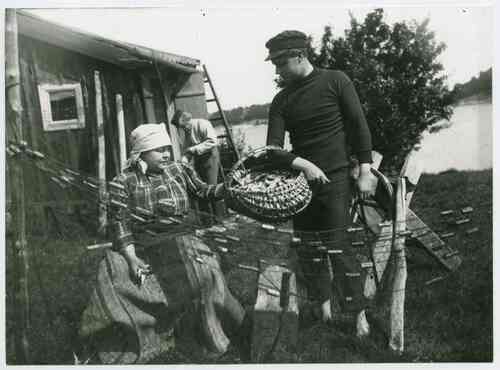
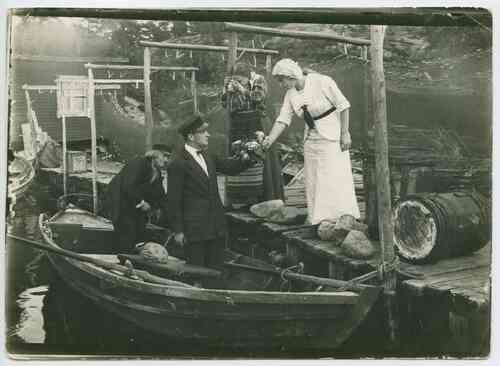
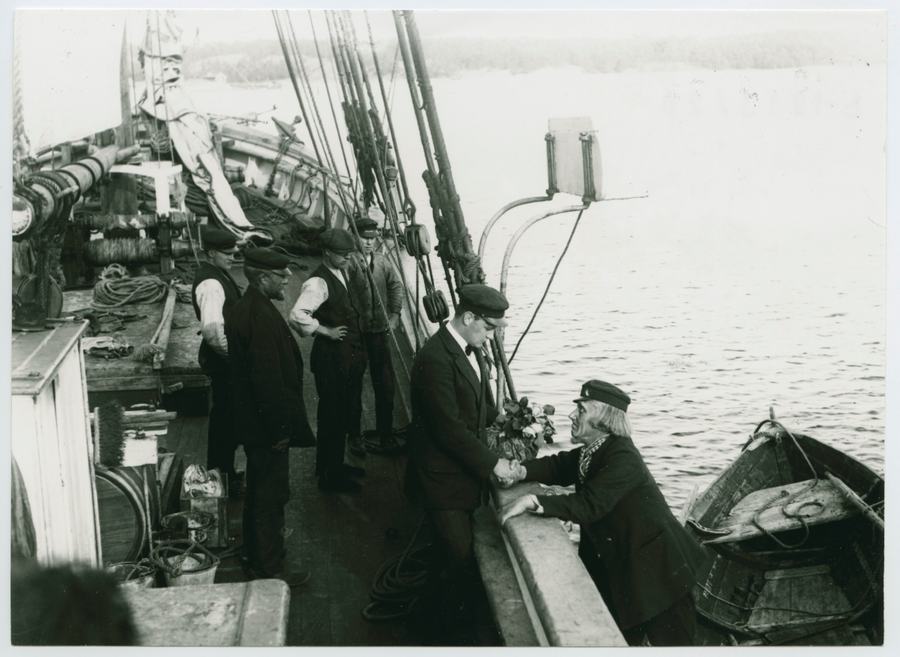
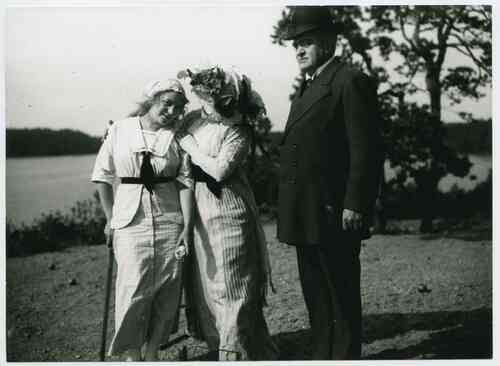
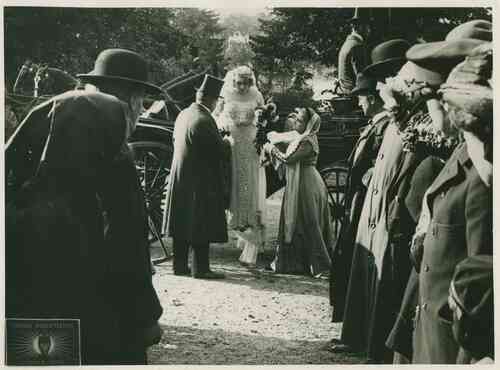
The son of a poor fisherman and the daughter of a wealthy landlord fall in love, but meet with obstacles to being together. Their happiness meets with objection by her father, who intends to permanently separate them.
Emilie Flygare-Carlén, Peter Lykke-Seest
Sweden
Imagine a world where celluloid itself seems to inhale the North Atlantic—every frame laced with kelp, kerosene, and the metallic tang of privilege. That is På livets ödesvägar, a 1912 Swedish one-reel marvel that refuses to behave like museum fodder. It detonates. A Reel That Breathes Brine Director Peter Lykke-Sees...
still_frame
still_frame
still_frame
still_frame
still_frame
still_frame
still_frame
still_frame

Comparing the cinematic DNA and archive impact of two defining moments in cult history.
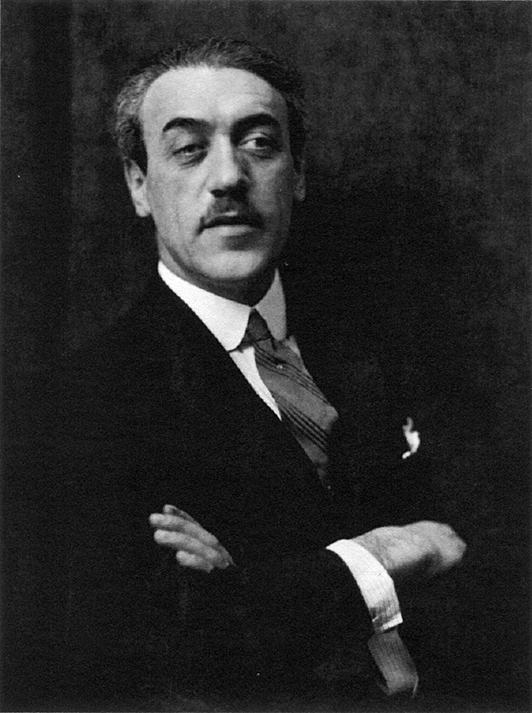
Mauritz Stiller
Mauritz Stiller
Community
Log in to comment.
" Imagine a world where celluloid itself seems to inhale the North Atlantic—every frame laced with kelp, kerosene, and the metallic tang of privilege. That is På livets ödesvägar, a 1912 Swedish one-reel marvel that refuses to behave like museum fodder. It detonates. A Reel That Breathes Brine Director Peter Lykke-Seest translates Emilie Flygare-Carlén’s coastal melodrama into visual thunder. He shoots dusk-for-dawn on the granite coast west of Gothenburg, letting natural mercury light do half t..."
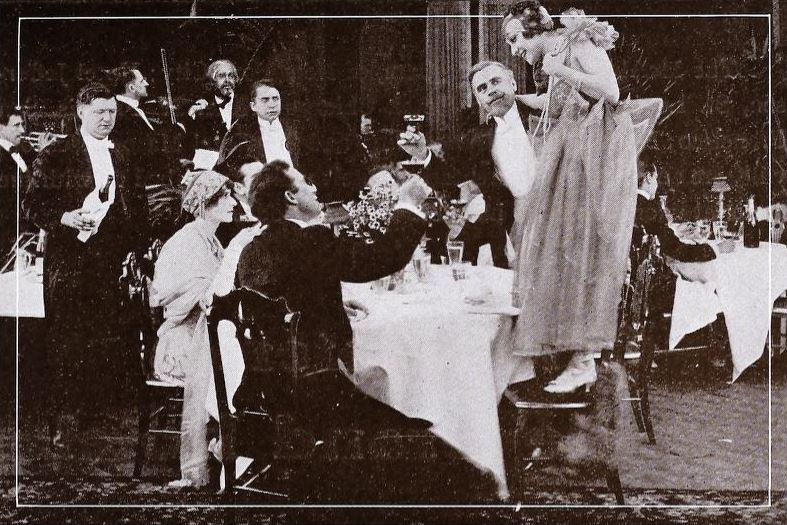

Deep dive into the cult classic
Discover similar cinematic experiences
A Directorial Spotlight on Mauritz Stiller