DbcultAccessing Vault...
Cult Review
Senior Film Conservator
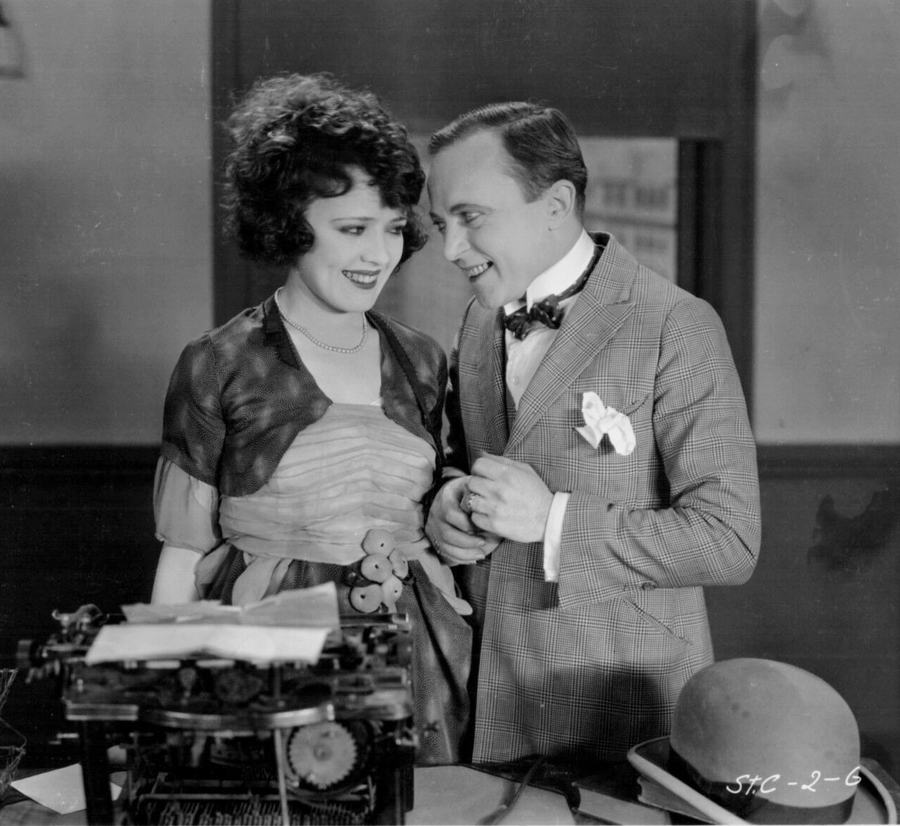
Stepping back into the annals of early cinema, one occasionally unearths a gem that, despite its age, still gleams with a compelling narrative and a surprising depth of character. Such is the case with The Book Agent, a 1917 production that deftly weaves together elements of romance, familial drama, and outright villainy. At its core, this film, penned by the collaborative talents of F. McGrew Willis, Walter Woods, and Otis Turner, offers a poignant glimpse into human nature, revealing both its noblest aspirations and its darkest avarice. It's a testament to the enduring power of storytelling, even without the benefit of spoken dialogue, relying instead on the nuanced performances of its cast and the evocative power of its visual composition.
The narrative of The Book Agent begins with a seemingly innocuous encounter that spirals into a complex tale of hidden identities and moral quandaries. Our protagonist, Harry Kelly, played with earnest charm by George Walsh, is a bookseller whose path crosses with the lovely Mollie Lester (Doris Pawn) at a women's seminary. This initial meeting, brief and perhaps fleeting, foreshadows a deeper connection that will soon bind their destinies. The silent era often excelled at establishing such serendipitous beginnings, allowing the audience to intuit the emotional resonance of these early interactions. One might recall the innocent charm of similar introductions in films like The Wood Nymph, where chance encounters frequently ignite the central romantic or dramatic conflict.
Their paths converge once more under vastly different circumstances when Kelly discovers Mollie employed as a nurse to the reclusive and immensely wealthy invalid, Crandall Barker (Reginald Everett). It is here that the film’s central dramatic irony truly takes hold. Barker, a man of considerable means but also of a rigid, unforgiving disposition, remains entirely oblivious to the fact that Mollie is, in essence, his own flesh and blood—the granddaughter born of a daughter he had long ago disinherited and cast from his life. This secret, simmering beneath the surface, provides a potent emotional undercurrent to every interaction within Barker’s opulent but isolated estate. The weight of an unspoken past, often explored in the melodramas of the period, finds a compelling voice here, reminiscent of the profound familial secrets in Shadows from the Past.
Barker, despite his infirmity, finds a peculiar solace and amusement in Kelly's presence, hiring him not for his bookselling prowess, but as a kind of personal jester, a constant source of diversion and conversation. This unusual employment places Kelly squarely within the inner circle of Barker's household, inadvertently making him privy to the sinister machinations unfolding around the old man. It is within this seemingly secure environment that Kelly uncovers a nefarious plot: Barker’s own nephew, a sanctimonious reverend (Josef Swickard), in league with a duplicitous doctor (William Burress), intends to kidnap the ailing patriarch and systematically swindle him out of his vast fortune. The audacity of this scheme, perpetrated by those ostensibly closest to the victim, injects a thrilling sense of urgency and moral outrage into the narrative, echoing the betrayal and treachery found in grander tales like Shakespeare's Hamlet, albeit on a more intimate, domestic scale.
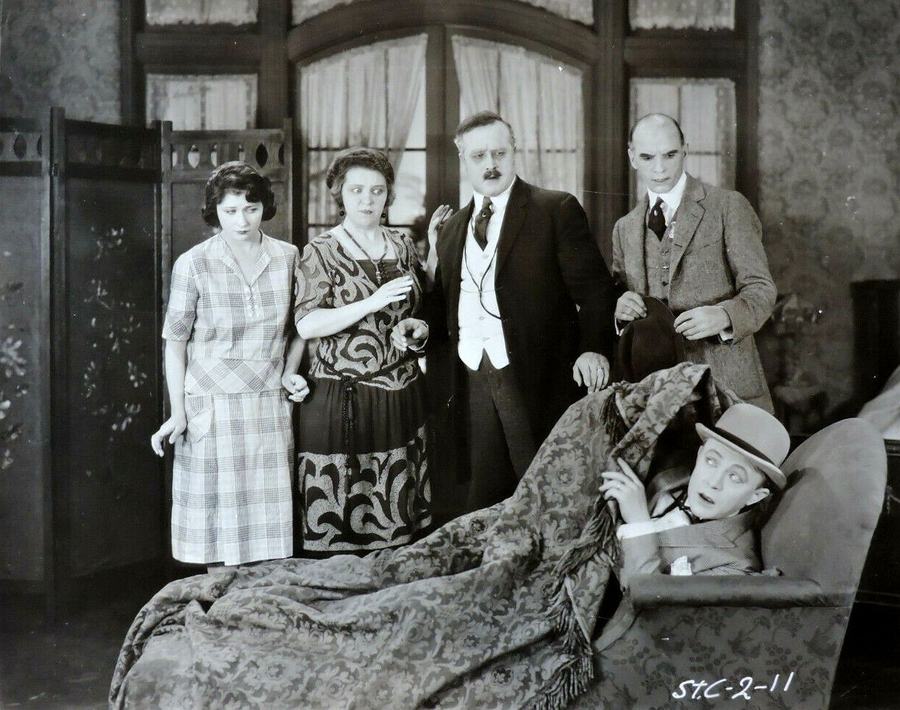
The success of a silent film hinges almost entirely on the expressive capabilities of its cast, and The Book Agent benefits immensely from its ensemble. George Walsh, as Harry Kelly, embodies the quintessential heroic figure of the era: earnest, resourceful, and morally upright. His portrayal is nuanced, conveying both his initial naiveté and his growing determination to protect the vulnerable Barker. Walsh’s physicality and facial expressions are crucial in communicating Kelly’s evolving understanding of the plot, transitioning from a lighthearted companion to a vigilant guardian. His performance anchors the film, providing a relatable human center amidst the swirling intrigue.
Doris Pawn's Mollie Lester is equally compelling. She projects a quiet dignity and an underlying strength, despite her precarious position. Her eyes convey the burden of her secret and the quiet empathy she feels for Barker, even as he remains unaware of their kinship. Pawn manages to imbue Mollie with a sense of resilience that transcends the typical damsel-in-distress trope, making her character an active participant in the unfolding drama rather than merely a plot device. Her performance resonates with the quiet strength seen in figures like Edith Cavell, albeit in a different context, as explored in Nurse Cavell.
Reginald Everett’s Crandall Barker is a masterclass in portraying the complex, often contradictory nature of wealth and infirmity. His Barker is not merely a helpless victim; he possesses a formidable presence, even from his sickbed. Everett uses subtle gestures and intense gazes to convey Barker’s pride, his loneliness, and his eventual vulnerability. The audience feels both sympathy for his physical plight and a certain judgment for his past harshness, creating a multifaceted character that defies easy categorization. His interactions with Kelly, shifting from amusement to genuine affection, are particularly well-executed.
The villains of the piece, Josef Swickard as the conniving reverend and William Burress as the unscrupulous doctor, deliver suitably despicable performances. Swickard, in particular, excels at conveying a veneer of piety that barely conceals his character’s rapacious intentions. Their portrayals are broad enough to leave no doubt about their villainy, a common and effective technique in silent cinema, ensuring the audience’s moral alignment with the heroes. This stark contrast between good and evil, often simplified but potent, is a hallmark of the era, much like the clear-cut antagonists in action-packed thrillers such as Bullets and Brown Eyes.
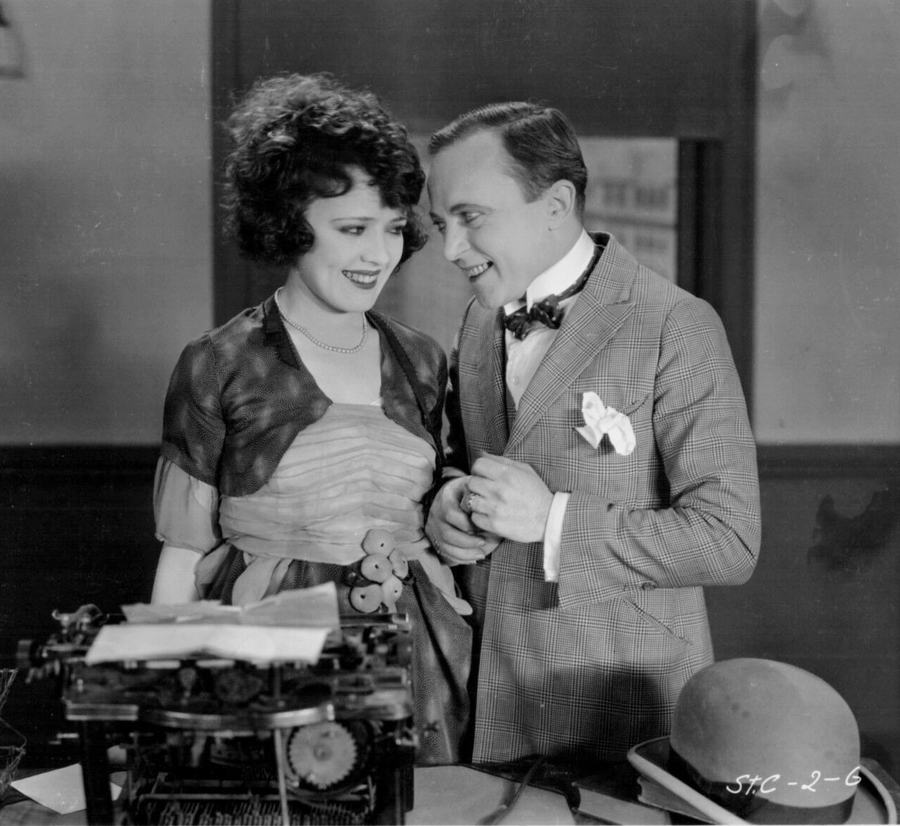
While specific directorial credits are sometimes less emphasized in early silent film discussions, the overall visual execution of The Book Agent demonstrates a keen understanding of cinematic language. The use of intertitles is judicious, providing necessary exposition without bogging down the pacing. The camera work, while not overtly flashy, is effective in establishing mood and directing the viewer's attention. Close-ups are employed to highlight emotional reactions, particularly those of Mollie and Barker, allowing the audience to connect intimately with their inner struggles. The staging of scenes, especially within Barker's mansion, effectively conveys both the grandeur of his wealth and the claustrophobia of his confinement.
The film effectively uses visual metaphors, such as the contrast between the sterile opulence of Barker's home and the implied simplicity of Kelly's life as a bookseller, to underscore thematic elements. The visual storytelling maintains a steady rhythm, building suspense gradually as Kelly uncovers the plot. The action sequences, while not elaborate by modern standards, are clear and contribute directly to the narrative's tension. The visual style, in its clarity and directness, shares a common lineage with other dramatic thrillers of the period, ensuring the audience is fully immersed in the unfolding crisis, much like the direct approach to suspense in In the Python's Den.
Beyond the thrilling plot, The Book Agent explores several enduring themes. The most prominent is that of familial reconciliation and the corrosive nature of past grievances. Barker’s disinheritance of his daughter, a decision born of pride or anger, has created a void that only Mollie, his unwitting granddaughter, can begin to fill. The film subtly suggests that true wealth lies not in material possessions but in human connection and forgiveness. This theme of inherited consequences and the possibility of mending fractured family ties is a powerful one, often revisited in dramas like His Father's Son.
Another significant theme is the triumph of moral integrity over avarice. The villains, driven solely by greed, represent a stark contrast to Kelly's selfless desire to protect Barker and, by extension, Mollie. The film champions the idea that genuine good will ultimately prevail against the forces of corruption. This moral clarity is a hallmark of early cinema, often presenting clear heroes and villains to resonate with audiences. It's a satisfying narrative arc that sees justice, however dramatically achieved, ultimately served. The inherent struggle between virtue and vice, a timeless theme, is presented with compelling directness here, much like the moral dilemmas in Das Laster.
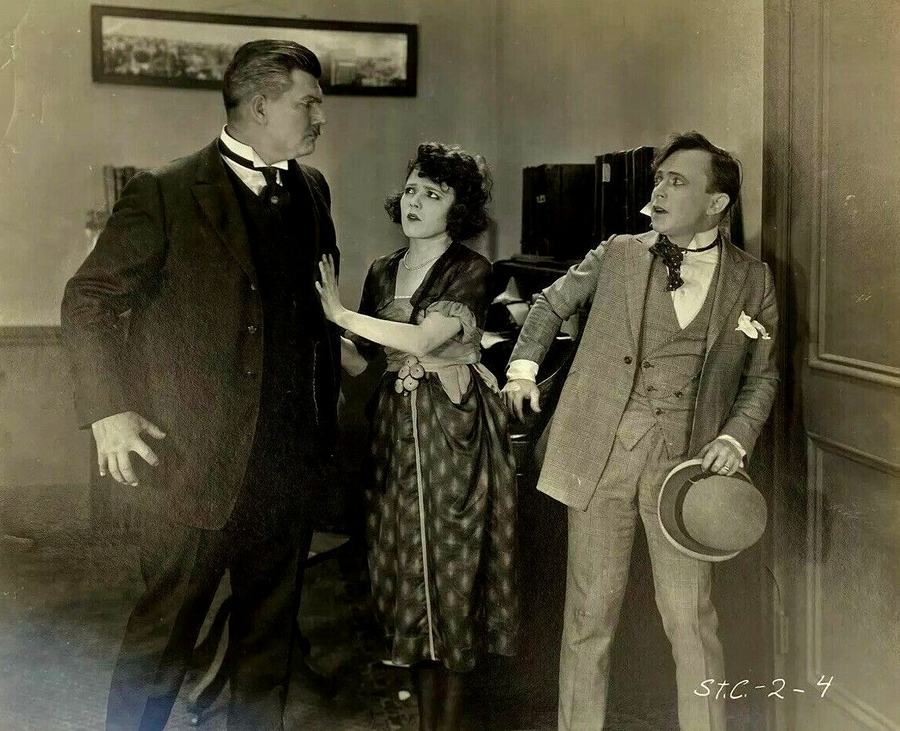
The role of the 'book agent' himself is also symbolic. Harry Kelly, a man of letters, represents knowledge, truth, and perhaps a certain intellectual honesty that allows him to see through the deceptive facades of the villains. His profession, dealing with stories and wisdom, positions him as an unlikely but effective champion against deceit. It's a clever touch, elevating his character beyond a mere accidental hero to someone whose very essence is aligned with uncovering truth. This intellectual heroism, while not always overt, adds a layer of depth to the character that distinguishes him from purely physical action heroes.
The screenplay by F. McGrew Willis, Walter Woods, and Otis Turner is remarkably well-structured for its time. It introduces characters efficiently, establishes the central conflict early, and builds suspense through a series of escalating revelations. The writers skillfully manage the dramatic irony surrounding Mollie’s identity, allowing it to simmer as an emotional undercurrent until its eventual, satisfying disclosure. The pacing is deliberate, allowing the audience to fully grasp the motivations and stakes involved before the climax. The dialogue, conveyed through intertitles, is concise and serves to advance the plot or reveal character without unnecessary verbosity.
The plot twists, particularly the revelation of the kidnapping scheme, are introduced at opportune moments, maintaining viewer engagement. The writers also ensure that each character, even the secondary ones, serves a distinct purpose within the narrative, contributing to the overall cohesion of the story. This level of narrative craftsmanship is commendable, demonstrating a clear understanding of how to construct a compelling cinematic experience in the silent era. The construction of dramatic tension and character arcs is reminiscent of well-crafted melodramas such as The Voice of Love or even the intricate plotting of The Voice in the Fog.
The Book Agent, while perhaps not as widely celebrated as some of its contemporaries, holds its own as a robust example of early 20th-century filmmaking. It’s a film that, through its engaging plot and strong performances, transcends the limitations of its era. For modern audiences, it offers a fascinating window into the narrative conventions and acting styles that defined silent cinema. It reminds us that compelling stories and universal themes of family, betrayal, and justice have always been at the heart of cinematic appeal, regardless of technological advancements. Its blend of domestic drama and thrilling suspense makes it a worthy watch for anyone interested in the evolution of film.
Comparing it to other films of the period, The Book Agent stands out for its well-paced plot and the emotional depth brought by its lead actors. While it doesn't possess the grand scale of an epic like Over Niagara Falls (if one considers the spectacle), or the pure romantic whimsy of Madame Bo-Peep, it carves its niche through a grounded, human-centric drama. It explores themes of deception and hidden identity with a seriousness that elevates it beyond simple melodrama, aligning it more closely with the intricate character studies of films like Kitty MacKay or the moral complexities of La Broyeuse de Coeur. It’s a compelling piece of cinematic history that deserves to be rediscovered, offering a timeless tale of good versus evil, wrapped in the quiet artistry of the silent screen.
In conclusion, The Book Agent is more than just a historical artifact; it is a vibrant narrative experience that holds up remarkably well. It showcases the interpretive prowess of actors like George Walsh and Doris Pawn, the structural integrity of a well-conceived screenplay, and the visual economy of early filmmaking. The film's ability to maintain suspense and emotional resonance without spoken dialogue is a powerful reminder of cinema's foundational strengths. It's a testament to the fact that compelling human drama, when skillfully executed, transcends eras and technological limitations, offering a rich and rewarding viewing experience for those willing to delve into the silent era. It reminds us that the fundamental elements of captivating storytelling have remained constant, even as the medium itself has undergone profound transformations.
IMDb 6.8
1937
Community
Log in to comment.