DbcultAccessing Vault...
Cult Review
Senior Film Conservator
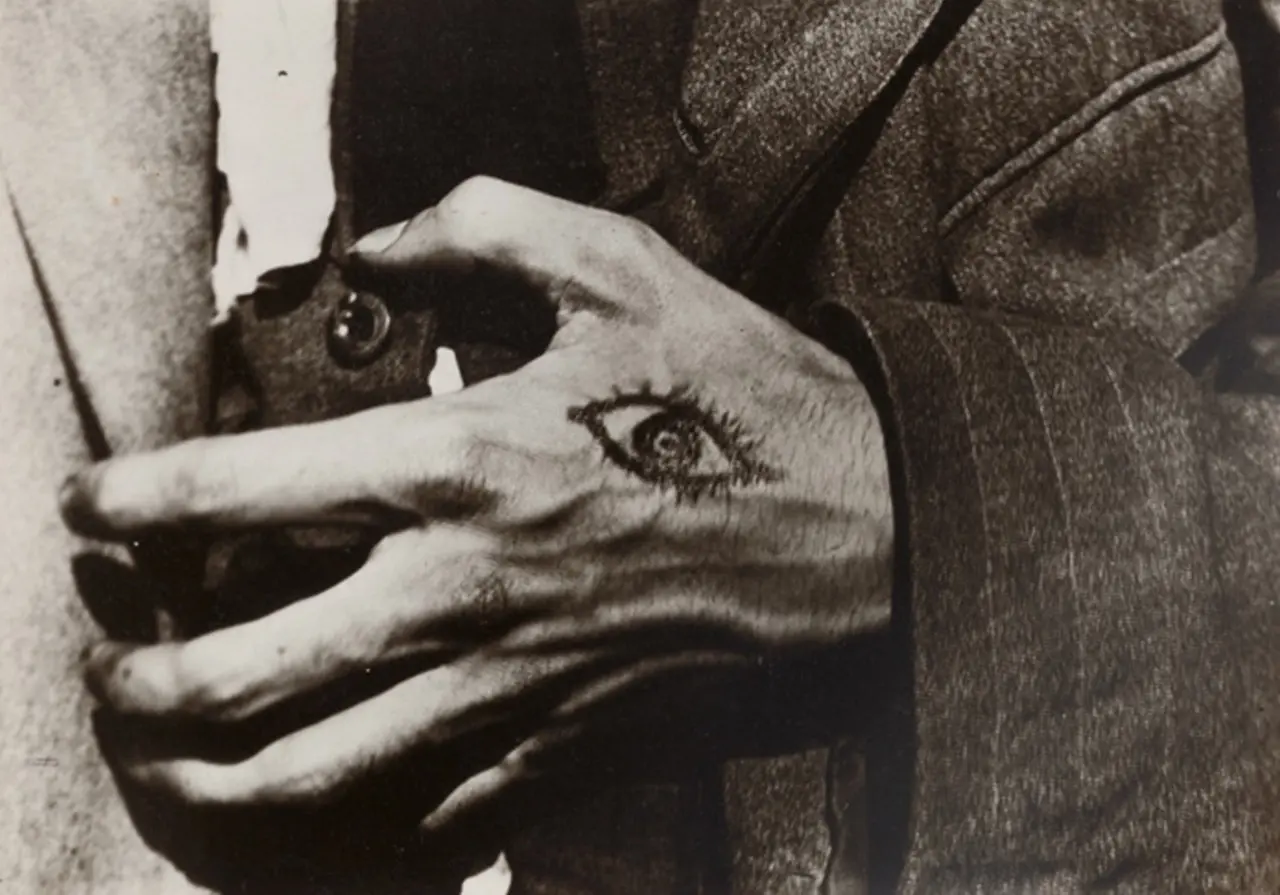
By the time Louis Feuillade approached the production of Le stigmate in 1924, his reputation as the architect of the cinematic serial was already calcified. Yet, this particular work represents a fascinating deviation from the anarchic, dream-like escapades of Fantômas or Les Vampires. Here, we find a filmmaker grappling with the weight of social realism, albeit filtered through the high-contrast lens of silent melodrama. The film is not merely a narrative; it is a structural exploration of how society brands the individual, a theme that resonates with the same intensity as the literary naturalism of Zola or Balzac.
The visual grammar of Le stigmate is a masterclass in the use of deep focus and architectural staging. Feuillade utilizes the physical environment—imposing doorways, stark interiors, and sprawling French landscapes—to mirror the internal entrapment of his characters. Unlike the more claustrophobic sets of contemporary American films like The Door Between, which relied heavily on psychological proximity, Feuillade maintains a certain distance, allowing the environment to swallow the protagonists. This distance creates a sense of voyeurism, as if the audience is witnessing a private tragedy that has been made public by the cruelty of gossip and social decree.
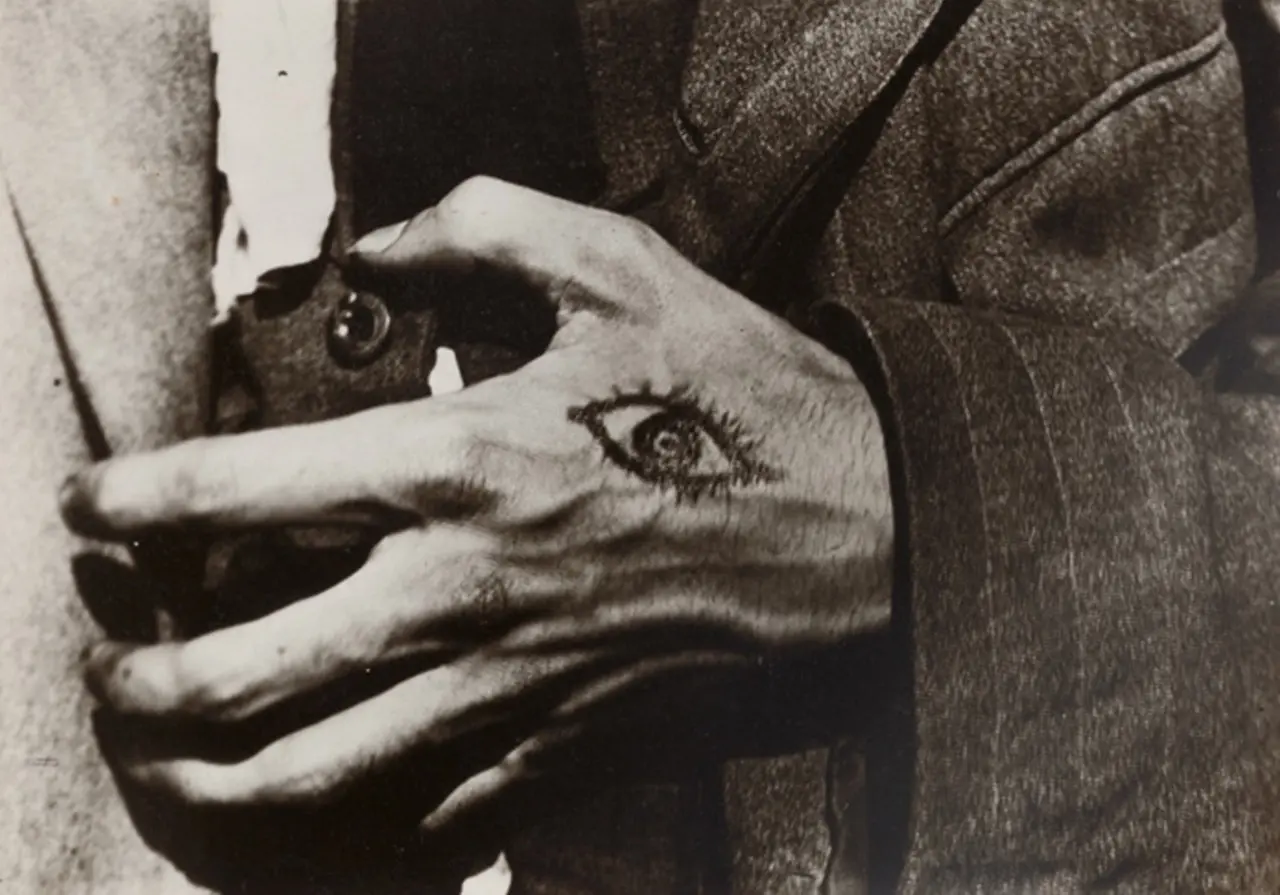
The central conceit—the stigma—is handled with a delicate balance of the literal and the symbolic. While it functions as a plot device to drive the mystery, its true power lies in its representation of the 'original sin' of one's birth. In many ways, the film shares a spiritual kinship with the thematic undercurrents of Trompe-la-Mort, where the struggle to reinvent oneself is constantly thwarted by the ghosts of the past. The protagonist's journey is a Sisyphean effort to climb the social ladder while the weight of his 'mark' threatens to pull him back into the abyss of his origins.
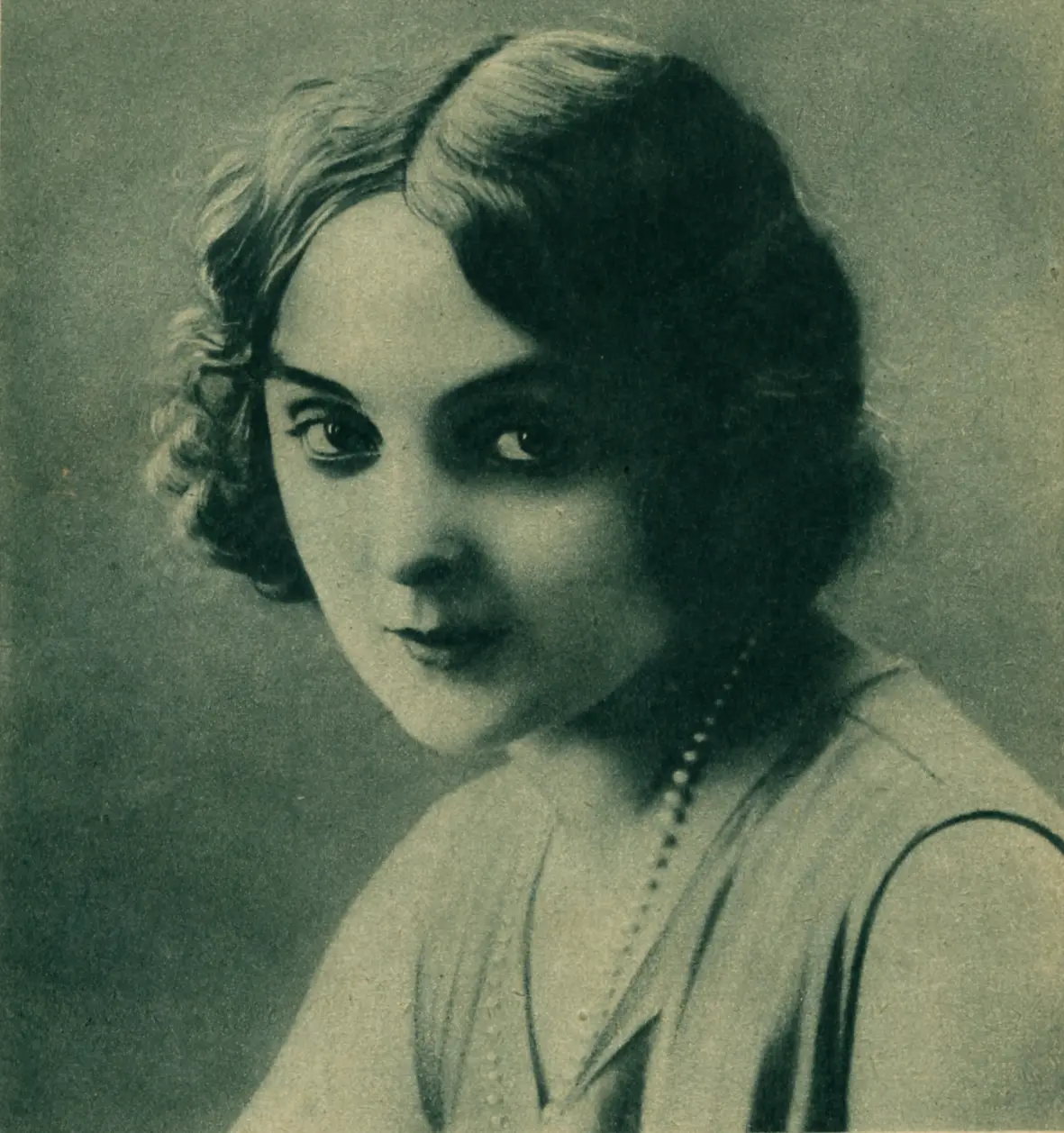
The cast, led by the stoic Jean-Pierre Stock and the ethereal Francine Mussey, delivers performances that eschew the histrionics often associated with silent cinema. Stock, in particular, possesses a rugged vulnerability that anchors the film's more fantastical plot points. His face becomes a canvas of suppressed agony, a stark contrast to the more theatrical villainy found in earlier Feuillade works. Josseline Gaël and Selric Romero provide a supporting framework that fleshes out the social strata of the film, creating a microcosm of 1920s French society that feels both lived-in and meticulously curated.
Contrast this with the more overtly sentimental performances in American imports of the time, such as The Little Church Around the Corner. While the latter aims for the heartstrings with a certain moralistic fervor, Le stigmate is more interested in the cold mechanics of fate. There is a cerebral quality to the suffering on screen—a realization that the characters are cogs in a machine they cannot hope to dismantle. This intellectualized tragedy is a hallmark of the French school, distancing itself from the populist optimism found in films like An Overall Hero.
Technically, Le stigmate showcases the pinnacle of the Gaumont studio's capabilities. The lighting, though primitive by modern standards, utilizes natural light in a way that feels revolutionary for 1924. The outdoor sequences possess a luminous quality that captures the French countryside with a painterly eye, reminiscent of the Impressionist movement. This beauty serves as a poignant counterpoint to the ugliness of the social stigma at the film's heart. It suggests a world that is inherently beautiful, yet corrupted by human judgment and the rigid hierarchies of class.
The pacing of the film is deliberate, demanding a level of patience from the modern viewer that is rewarded with a rich, multi-layered experience. Feuillade is not in a hurry to reveal his secrets. He allows the tension to simmer, building a sense of dread that is more effective than any jump-scare or overt action sequence. This slow-burn approach is something we rarely see in the more frantic comedies or action films of the era, such as Taxi Please or Wanted: A Baby. Le stigmate is a film that breathes, that sighs, and that occasionally screams through its silence.
When we look at the broader landscape of 1924 cinema, the thematic resonance of Le stigmate becomes even more apparent. While Miyama no otome explored the clash of tradition and modernity in a Japanese context, Feuillade’s work does something similar within the European class structure. The 'stigma' is a universal symbol for the 'other'—the person who does not fit into the neat boxes prescribed by the elite. In this sense, the film is a precursor to the social dramas that would dominate European cinema in the decades to follow.
Furthermore, the film's exploration of family secrets and hidden lineages can be compared to His House in Order, though Feuillade’s approach is far more visual and less reliant on the theatrical origins of the source material. He understands that in cinema, a look, a gesture, or a shadow can convey more than a page of dialogue. This is the essence of pure film—a medium that speaks through the eyes rather than the ears.
The resolution of Le stigmate is as complex as its setup. Feuillade avoids the easy out of a perfectly happy ending, opting instead for a conclusion that feels earned through the suffering of his characters. There is a sense of catharsis, yes, but it is tempered by the knowledge that the 'stigma' can never be fully erased. It is a part of the person, a piece of their history that must be integrated rather than simply discarded. This psychological depth is what elevates the film above mere genre exercise.
In the pantheon of Feuillade’s filmography, Le stigmate often stands in the shadow of his more famous serials. However, it deserves a place of honor for its maturity and its willingness to tackle difficult social themes with grace and visual panache. It is a bridge between the sensationalism of the early 1910s and the sophisticated psychological dramas of the late 1920s. For anyone interested in the evolution of visual storytelling, this film is an essential text.
To watch 'Le stigmate' today is to step into a vanished world, yet the emotions it evokes are startlingly modern. It reminds us that while technology and styles change, the human struggle against the labels placed upon us by others is a timeless narrative. Feuillade, the old master, proves here that he still had plenty to say about the human condition, even as the silent era began its final, glorious descent into the sound age.
If you found the thematic depth of Le stigmate compelling, you might also enjoy the intricate social maneuvering in Le nabab or the historical pageantry of the National Red Cross Pageant. For those interested in more lighthearted fare from the same period, Playmates or Miss Peasant offer a fascinating contrast to Feuillade's somber tone.
IMDb 5.9
1936
Community
Log in to comment.