DbcultAccessing Vault...
7.3/10
Senior Film Conservator
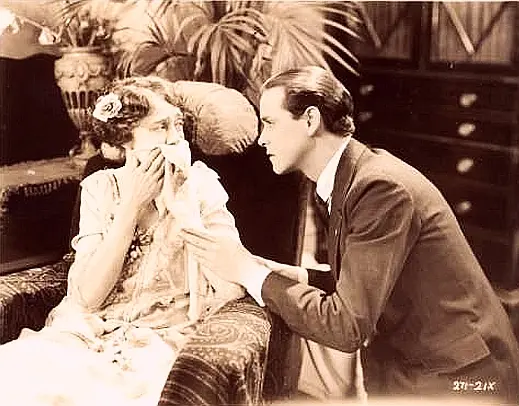
A definitive 7.3/10 rating for a film that redefined the boundaries of cult cinema. The Boy Friend remains a cornerstone of transgressive art.
Should you spend your time on this 1928 relic? Short answer: yes, but only if you appreciate the cynical side of the Jazz Age. This is not a fuzzy romance; it is a sharp-edged look at how easily we discard people when we think we can trade up.
This film is for viewers who enjoy social satires and the specific brand of 'underdog' comedy perfected in the late silent era. It is definitely not for those who demand high-octane action or those who find the 'misunderstanding' trope of silent comedy more irritating than endearing.
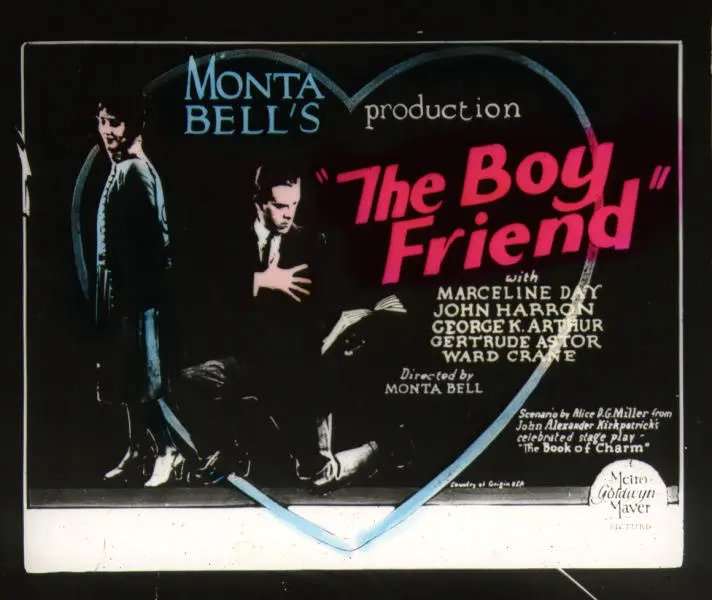
1) This film works because it captures the genuine anxiety of the 1920s—a time when 'personality' was becoming a commodity you could buy in a book. 2) This film fails because Ida May is so aggressively shallow that it becomes difficult to root for Joe’s obsession with winning her back. 3) You should watch it if you want to see Grady Sutton before he became the perennial foil for W.C. Fields.
The Boy Friend is a film about the danger of a vivid imagination. Ida May Harper, played with a frantic energy, represents a specific type of 1920s protagonist: the girl who believes life is happening elsewhere. Her obsession with New York isn't about culture; it's about the 'social whirl.' It is about the clothes, the parties, and the status. The film uses Smallsville not as a cozy sanctuary, but as a cage. This sets it apart from more sentimental films like Shore Leave, which tend to romanticize the simple life.
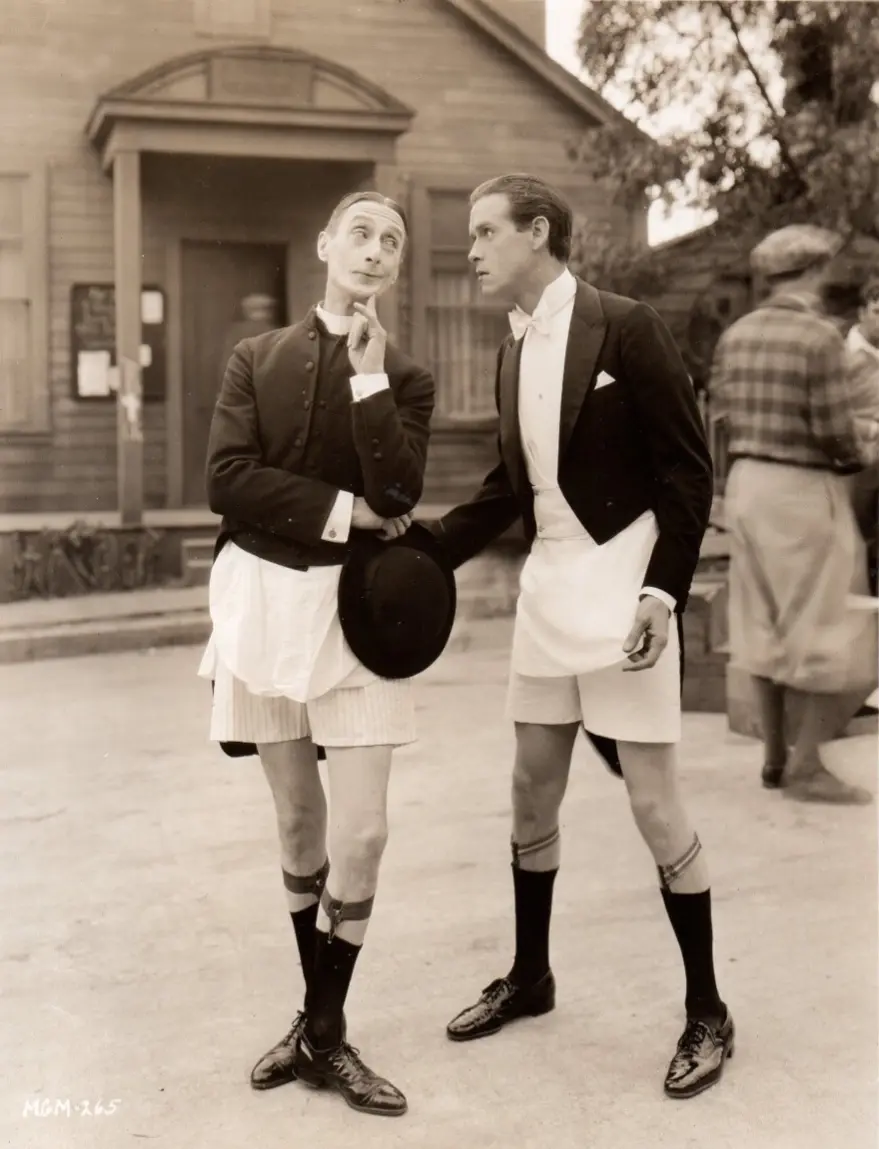
The letters from NYC act as the primary antagonist. They represent an unattainable ideal that poisons Ida's reality. When she looks at Joe Pond, she doesn't see a hardworking man; she sees a drugstore clerk in a boring suit. The visual contrast between Joe’s apron and the imagined tuxedos of Manhattan is the film's central tension. It is a transactional view of love that feels surprisingly modern. We see this same dynamic today in the way social media creates 'lifestyle envy.'
Grady Sutton is the heart of this production. Often relegated to sidekick roles in later sound films, here he gets to carry the emotional weight. His Joe Pond is a masterclass in quiet desperation. There is a specific scene where he first looks at 'The Book of Charm' with a mix of skepticism and hope. He knows he’s being ridiculous, but his love for Ida forces him to play the game. It’s heartbreaking. It works. But it’s flawed.
The physical comedy Sutton employs is restrained. Unlike the slapstick of the early 20s, Sutton uses micro-expressions. When he tries to adopt a 'swell' posture, his shoulders stiffen in a way that telegraphs his discomfort. He looks like a man wearing a costume of himself. This performance elevates the film from a standard comedy to a character study. He isn't just trying to get the girl; he's trying to survive the humiliation of being 'not enough.'
The introduction of 'The Book of Charm' is where the film finds its satirical bite. In the late 1920s, self-improvement manuals were a massive industry. The film mocks the idea that 'class' can be learned from a page. Joe’s attempts to use the book’s advice lead to the film's most memorable sequences. He begins to speak and move with a rehearsed, artificial grace that alienates his friends and confuses his customers at the drugstore.
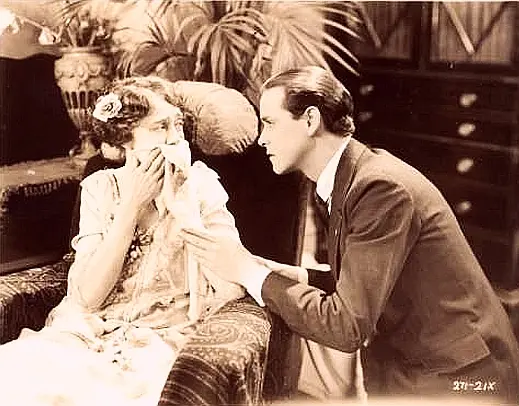
There is a biting irony here. Ida wants someone 'sophisticated,' but when Joe provides a version of that sophistication, it feels hollow. The film suggests that the very thing Ida desires is a performance. This mirrors themes found in A Virtuous Vamp, where social performance is used to manipulate others. However, in The Boy Friend, the performance is a desperate act of preservation rather than a tool for conquest.
Released in 1928, the film benefits from the technical peak of the silent era. The cinematography is crisp, and the lighting in the drugstore scenes creates a grounded, realistic atmosphere that contrasts with the more stylized, 'dreamy' sequences where Ida imagines New York. The pacing is brisk, avoiding the mid-film slump that plagued many comedies of the era. The directors understand that the joke of Joe’s transformation can’t be the only engine; they fuel the narrative with Ida’s escalating social blunders.
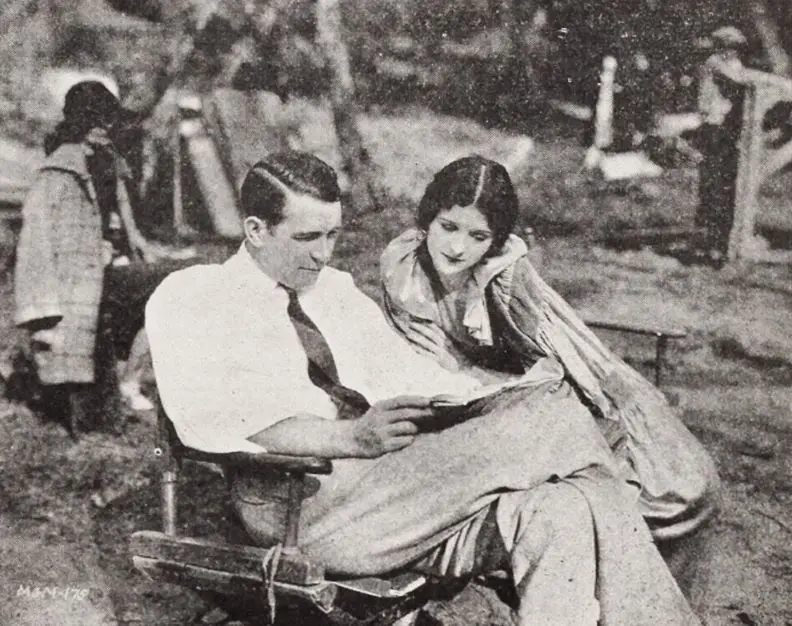
The writing by Alice D.G. Miller is particularly sharp. She doesn't let Ida off the hook easily. Ida’s 'New York friend' is eventually revealed to be just as much of a dreamer or a liar as anyone else, which provides a satisfying, if predictable, resolution. The film doesn't need sound to convey the hollow nature of these social aspirations. The visual language of a cheap suit trying to look expensive says it all. It’s a theme explored with more gravitas in Ruggles of Red Gap, but here it’s played for laughs that leave a bitter aftertaste.
Yes, The Boy Friend is worth watching because it offers a rare, non-slapstick look at 1920s social dynamics. While many silent comedies rely on physical gags, this film relies on the psychological discomfort of social climbing. It remains a fascinating time capsule of an era obsessed with 'making it.' The performances, particularly by Grady Sutton, are nuanced enough to hold a modern viewer's attention despite the lack of dialogue.
Pros:
The film features a sharp script that avoids the sentimentality of its peers. The 'Book of Charm' sequences are genuinely funny and serve as a great critique of the self-help industry. The supporting cast, including Gertrude Astor, provides a solid backdrop of small-town archetypes that feel lived-in.
Cons:
The protagonist, Ida, is incredibly difficult to like. Her cruelty toward Joe is often more uncomfortable than funny. Some of the social circling in the middle of the film feels repetitive, as Ida jumps from one 'swell' to the next without much variation.
The Boy Friend is a cynical, smartly constructed comedy that feels surprisingly relevant in our age of curated identities. It doesn't offer easy answers, and it doesn't pretend that love conquers all—instead, it suggests that love often has to survive our own worst impulses toward vanity. While Ida May is a frustrating lead, the film's critique of the 'Book of Charm' mentality makes it a essential viewing for those interested in the social history of the 1920s. It isn't a masterpiece, but it is a very good, very mean little comedy. It works. But it’s flawed. And that’s exactly why it’s worth your time.
IMDb 5.3
1931
Community
Log in to comment.