DbcultAccessing Vault...
4.7/10
Senior Film Conservator
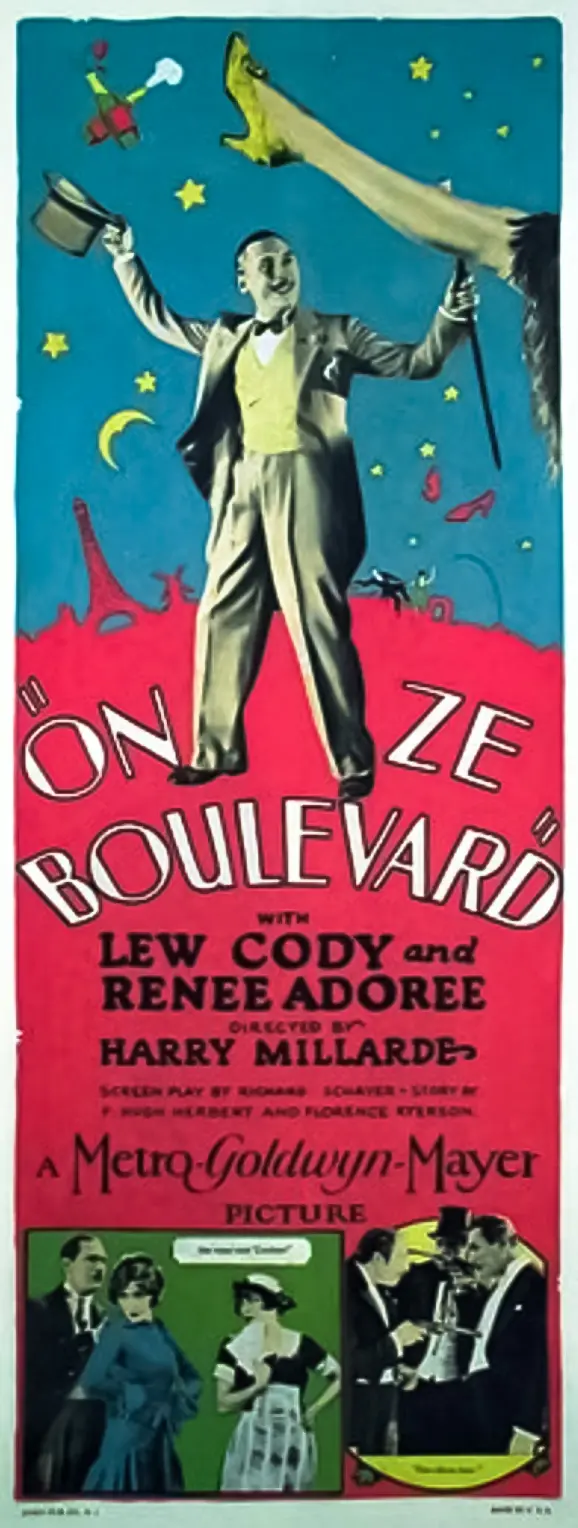
A definitive 4.7/10 rating for a film that redefined the boundaries of cult cinema. On Ze Boulevard remains a cornerstone of transgressive art.
Is On Ze Boulevard worth watching in an era of high-speed digital comedies? Short answer: yes, but primarily for those who appreciate the nuanced physical language of the late silent era and the subversion of 1920s gender norms. This film is for viewers who enjoy character-driven farce and the visual texture of Jazz Age MGM productions; it is not for those who find the deliberate pacing of silent cinema tedious or the lack of modern cynicism off-putting.
Before we dive into the Parisian streets, let's establish the core of this production. 1) This film works because the chemistry between Lew Cody and Renée Adorée transcends the typical 'bickering couple' archetype, grounding the comedy in a believable, if strained, relationship. 2) This film fails because the second act becomes bogged down in repetitive slapstick sequences that feel like they belong in a shorter two-reeler rather than a feature-length narrative. 3) You should watch it if you want to see a rare 1920s comedy where the woman is explicitly the brains of the operation, saving the man from his own vanity.
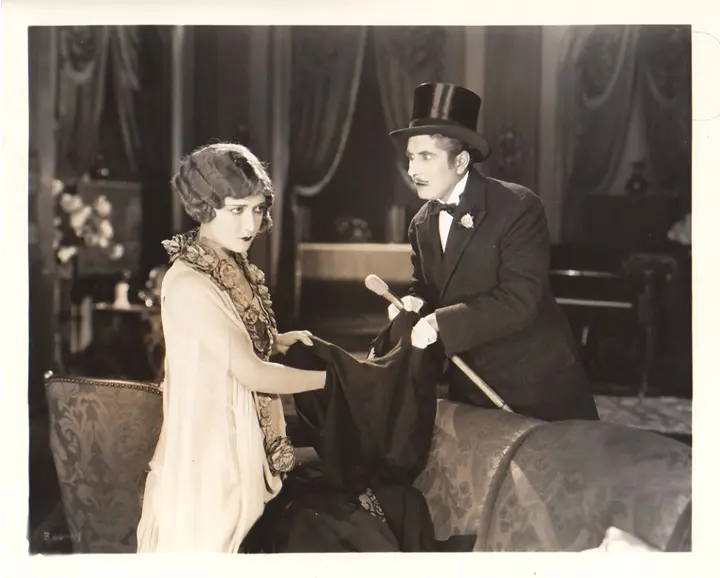
Lew Cody plays Gaston with a frantic, delightful energy that perfectly captures the 'nouveau riche' anxiety. There is a specific scene early in the film where Gaston, having just received his winnings, attempts to walk down the titular boulevard with the swagger of a count. However, his muscle memory as a waiter keeps betraying him; he instinctively tries to clear a stray glass from a sidewalk table. It is a brilliant bit of physical acting that says more about class identity than ten pages of dialogue could. It works. But it’s flawed.
Unlike the more somber tones found in contemporary works like J'accuse!, On Ze Boulevard maintains a light, almost frothy atmosphere. Yet, beneath the bubbles is a sharp critique of how easily the working class can be manipulated by the promise of 'belonging' to the elite. Cody’s face is a canvas of shifting emotions—pride, fear, and eventually, the crushing realization of his own gullibility.
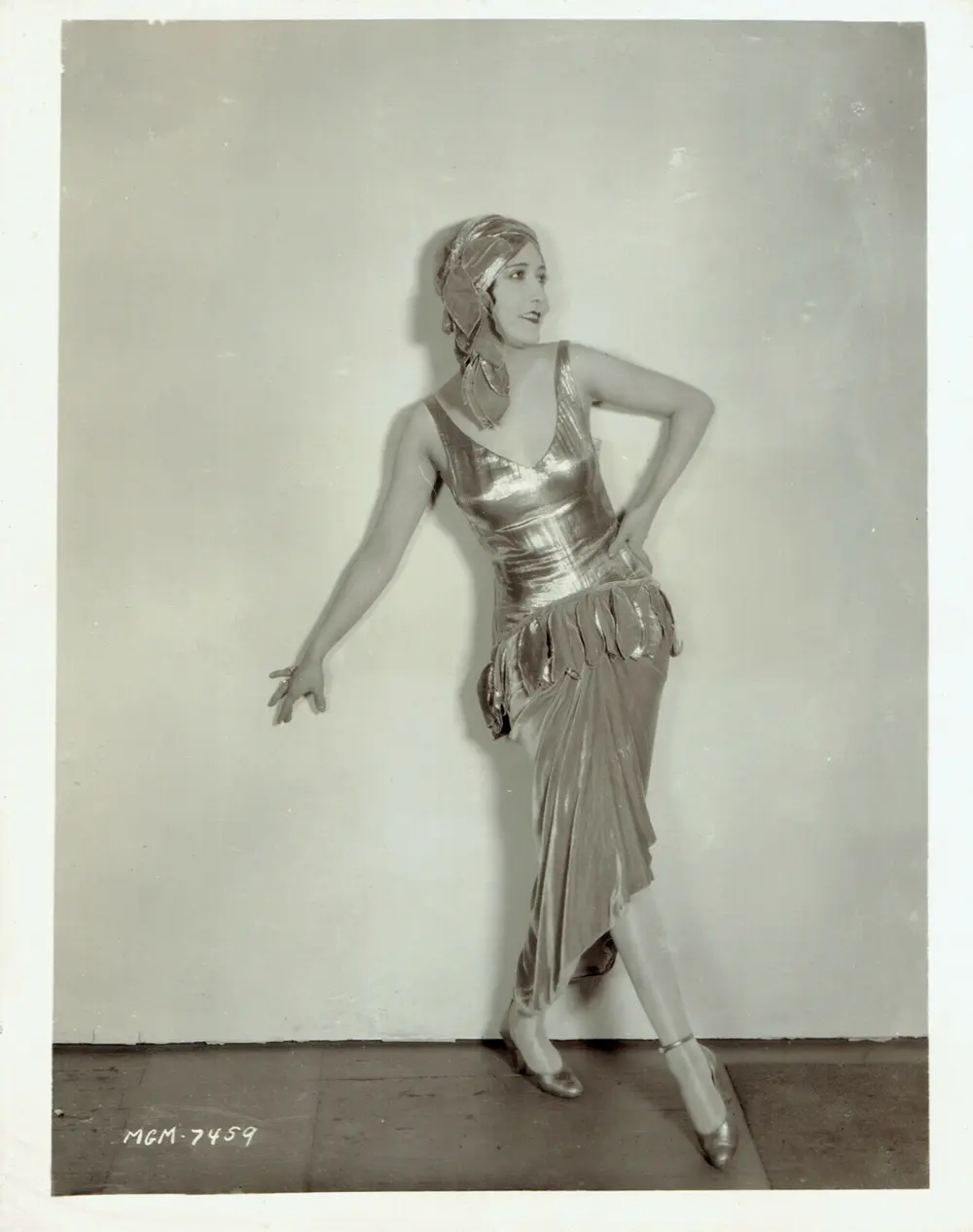
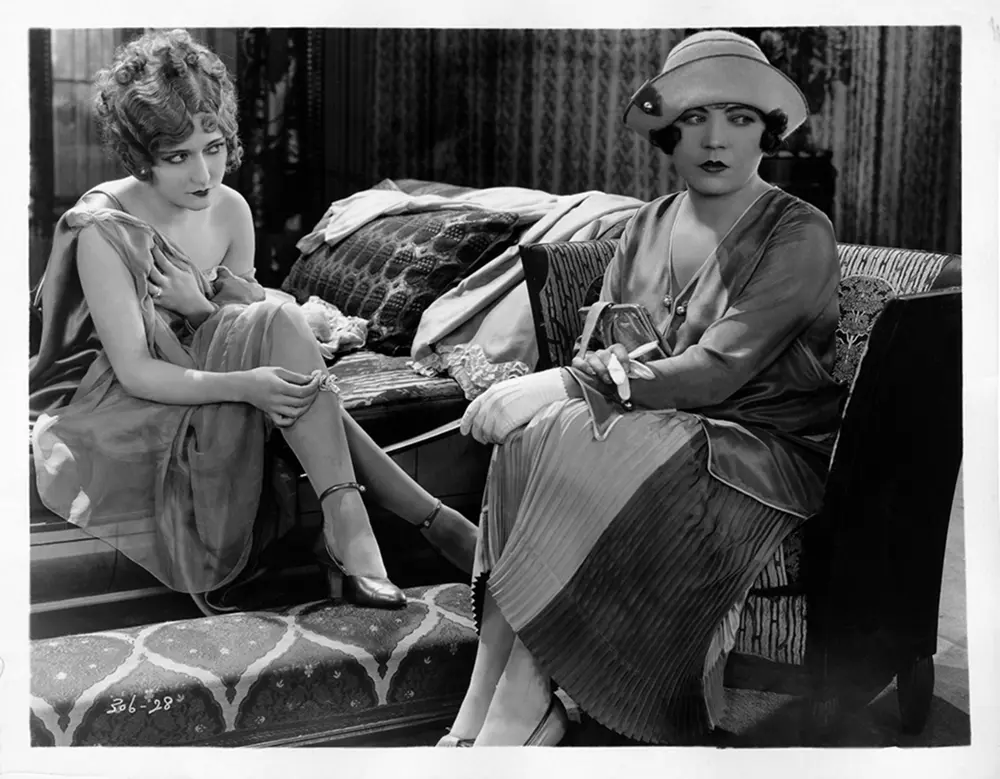
While Cody provides the laughs, Renée Adorée provides the soul. Fresh off her success in more dramatic roles, Adorée brings a groundedness to Musette that prevents the film from floating off into pure absurdity. She doesn't just play the 'scolding wife'; she plays a woman who understands the value of a franc in a way Gaston never will. Her performance is a stark contrast to the more ethereal or victimized female roles common in films like Alraune.
The moment where Musette realizes Gaston is being swindled is a highlight of the film. Instead of a dramatic confrontation, she uses her wits to infiltrate the swindlers' circle. The direction here is crisp, emphasizing her sharp eyes and calculating expressions. It is a refreshing change of pace from the 'damsel in distress' trope. She is the hero of this story, full stop.
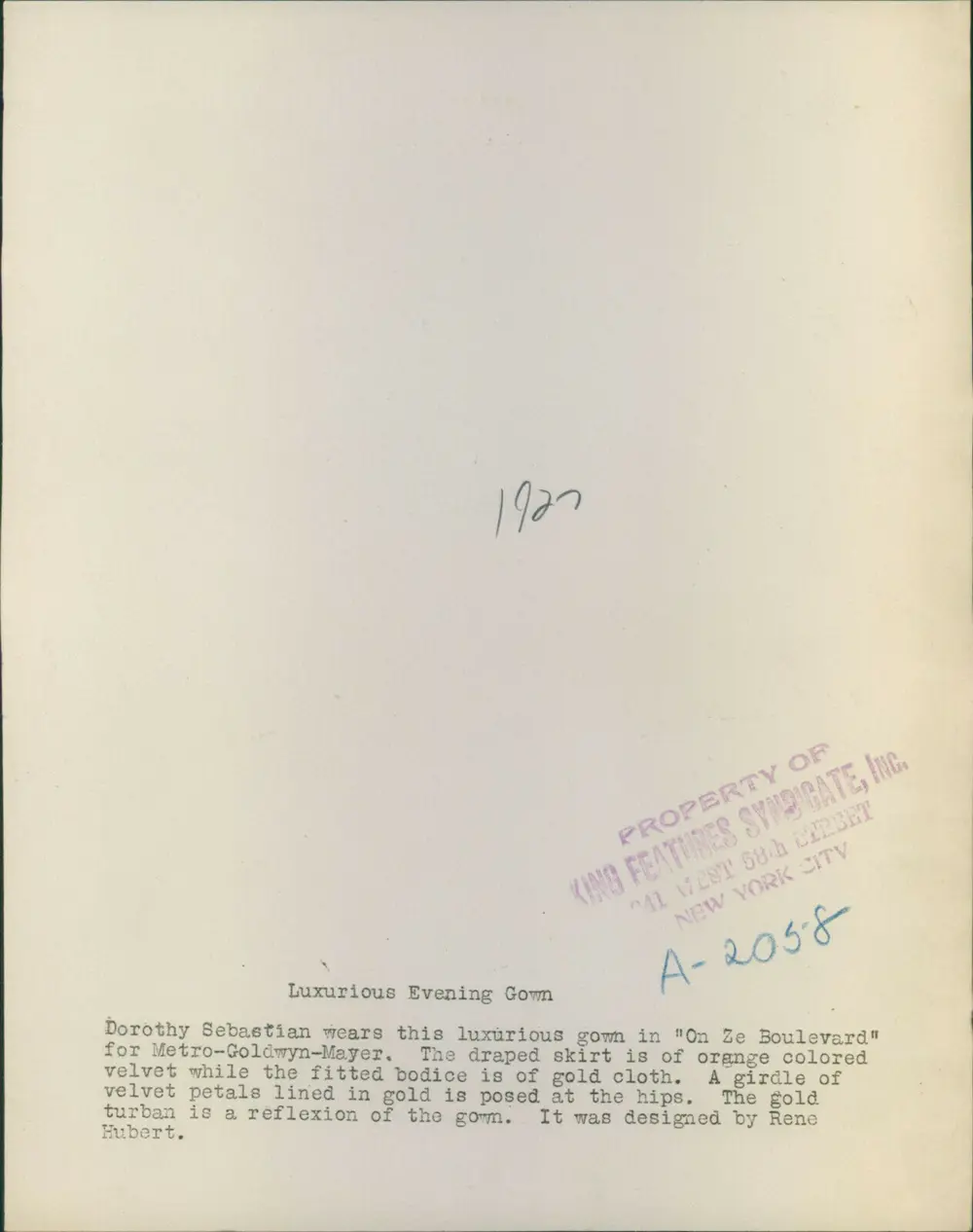
MGM’s production values in 1927 were second to none, and it shows. The cinematography captures the contrast between the cramped, steam-filled kitchen where Gaston starts and the airy, opulent gambling dens of the wealthy. The lighting in the bistro scenes is warm and inviting, while the 'boulevard' scenes are shot with a high-contrast brightness that feels almost exposing. This visual dichotomy reinforces the theme of Gaston being out of his element.
Compare this to the more rustic, straightforward camerawork in The Country Heir. In On Ze Boulevard, the camera is an active participant in the comedy, often lingering on the reactions of bystanders to Gaston’s ridiculous behavior. The pacing, while occasionally sagging in the middle, is generally brisk, propelled by the witty title cards written by Joseph Farnham.
Yes, On Ze Boulevard holds up because its central theme—the danger of sudden wealth and the blindness of vanity—is universal. While some of the physical gags are dated, the core human conflict remains relatable. It is a charming artifact of a time when comedy was told through the eyes and the hands rather than the mouth.
Pros:
Cons:
One of the most fascinating aspects of the film is the use of costumes. Gaston’s transition from his waiter’s uniform to an ill-fitting, over-the-top suit serves as a visual metaphor for his internal confusion. He thinks the clothes make the man, but they only make him a target. This is a recurring theme in silent cinema, seen in various forms in films like The Secretary of Frivolous Affairs, but here it is handled with a specific Gallic flair.
There is a brutal honesty in how the film treats Gaston’s friends. Once he has money, they are happy to help him spend it. When he is in trouble, Musette is the only one left. It’s a simple lesson, but the film delivers it without being overly preachy. The humor keeps the medicine going down smoothly.
On Ze Boulevard is a sparkling, if occasionally uneven, gem from the twilight of the silent era. It manages to be both a lighthearted romp and a semi-serious look at the fragility of class status. Lew Cody and Renée Adorée are a formidable pair, and their work here deserves more recognition than it currently receives in the annals of film history. While it may not have the epic scale of J'accuse! or the avant-garde edge of Alraune, it possesses a warmth and a wit that is entirely its own. It is a film that understands that while money can buy you a seat at the best table in Paris, it can't buy you the sense to know when you're being played. A solid, entertaining piece of cinema that proves some things—like greed and love—never go out of style.
IMDb 6.2
1932
Community
Log in to comment.