DbcultAccessing Vault...
6.4/10
Senior Film Conservator
A definitive 6.4/10 rating for a film that redefined the boundaries of cult cinema. The Brat remains a cornerstone of transgressive art.
Alright, so is *The Brat* worth watching today? Look, if you’re a real old-school film buff, someone who digs silent film stars making the jump to sound, or just curious about what movies were like back then, yeah, give it a shot. Everyone else, probably not. You’ll likely find it a bit slow, the sound sometimes wonky, and the whole premise a tad dated. But for a certain type of viewer, it’s got a weird charm.
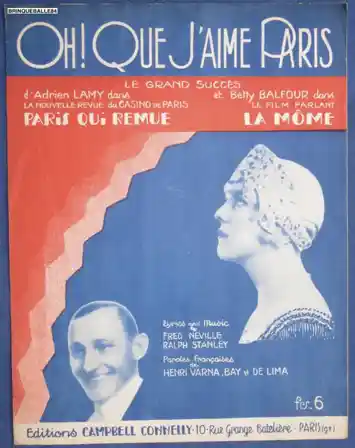
The story kicks off pretty quick. We meet this girl, a real street urchin, you know? Played by Betty Balfour, who honestly, she’s got this intense energy. She breaks into this producer’s house, I guess to steal something. The way she tries to look tough, but you can see she’s just desperate, that comes across pretty strong even with the early sound tech.
Then Gibb McLaughlin, as the producer, just sort of… watches her. It’s not a big dramatic confrontation. More like he’s intrigued. He decides to take her in, which, okay, a bit far-fetched, but it’s 1930s cinema, you roll with it. He calls her "The Brat," and it sticks.
Her introduction to polite society is, well, messy. She’s loud. She doesn’t know the rules. There’s a scene where she’s just eating with her fingers at the table, completely oblivious. And you can see the servants in the background, like, subtly exchanging glances. That stuff is pretty funny. It’s a good contrast, her raw energy against their stiff formality. John Stuart plays the producer’s nephew, all proper and horrified. His constant frowning is a mood.
The pacing is… interesting. Sometimes scenes just linger a beat too long, like the actors were waiting for a cue that never quite landed. Then other times, a big plot point, like her sudden transformation into a respectable lady, just *happens* between scenes. Like, boom, she’s wearing a nice dress and suddenly can speak proper. It’s a leap.
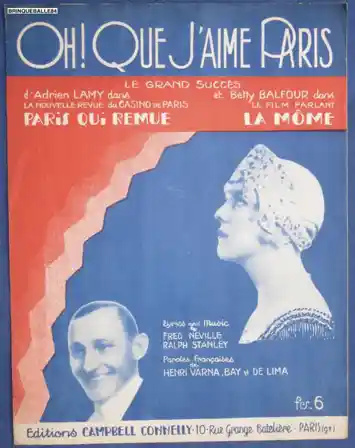
Betty Balfour though. She’s the whole show. You really feel for her, even when she’s being a complete terror. Her expressions, especially when she’s confused or angry, are just so *big*. It’s almost like she’s still playing for the back row of a silent picture house, but now she’s got a voice. And that voice, it's got this kind of raspy quality that fits the character so well.
There’s a moment, a really brief one, where she’s practicing lines or something for the stage, and she fumbles a word. It felt so real, almost like a genuine blooper they just left in. It gives her character this unexpected vulnerability, even as she's trying to be tough.
The producer, McLaughlin, he's sort of the quiet anchor. He’s not flashy, but his reactions, his slight smiles when he thinks she’s doing well, or his exasperated sighs when she acts up, are quite understated. For a film from this era, where acting could be so theatrical, his groundedness is kinda refreshing. He’s not a bad sort, just a bit of an odd duck to take in a girl who tried to rob him.
The whole journey to stardom feels a bit rushed, not gonna lie. One minute she’s breaking things and swearing, the next she’s on stage, and everyone’s like, "Wow, what a talent!" You don't really see the *work* she puts in. It’s more about the idea of her transformation than the process.
But the film isn't trying to be a deep character study, I don’t think. It's just a simple story about a rough diamond. It’s got a good heart, even if it’s a bit clunky in places. You can see the bones of a classic underdog story here, even if it’s dressed up in early sound film limitations.
Honestly, *The Brat* is a curiosity. It’s a simple story, well, simple by today's standards, but it’s got a certain charm. Not a masterpiece, but definitely not a bore if you know what you’re getting into. And hey, it’s a cool look at how cinema was finding its voice, literally. If you like this kind of thing, you might also enjoy Something Always Happens, for another dose of early British filmmaking.
IMDb 5.6
1932
Community
Log in to comment.