DbcultAccessing Vault...
4.7/10
Senior Film Conservator
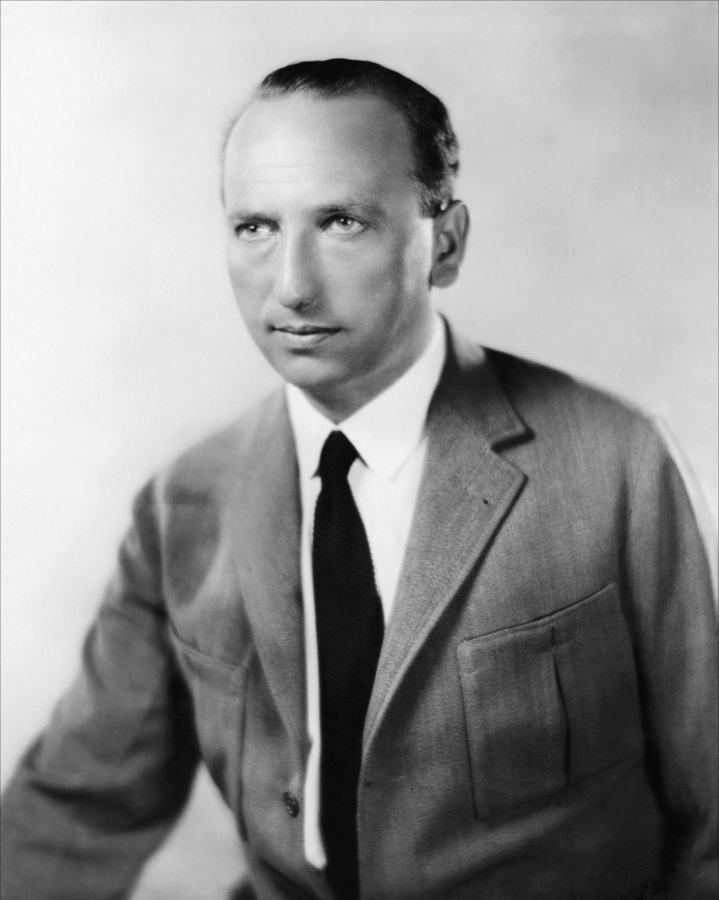
A definitive 4.7/10 rating for a film that redefined the boundaries of cult cinema. The Merry Widow remains a cornerstone of transgressive art.
Stepping back into the cinematic landscape of 1918, one encounters a fascinating artifact from the nascent days of Hungarian filmmaking: Michael Curtiz's rendition of The Merry Widow. Before his eventual Hollywood apotheosis and the indelible mark he would leave with classics like Casablanca, Curtiz, then known as Mihály Kertész, was a prolific force in European cinema. This silent adaptation of Franz Lehár’s beloved operetta is more than just a historical curiosity; it’s a vibrant testament to the enduring power of its narrative, even stripped of its soaring musical score, and a compelling glimpse into the formative years of a directorial titan.
The premise, a delightful concoction of romantic comedy and geopolitical farce, remains as potent today as it was over a century ago. A quaint, fictional principality faces an existential threat not from invading armies, but from an empty treasury. Its only salvation, a colossal sum of money, resides with a widowed compatriot living abroad. The mission: dispatch a loyal officer to charm and marry her, thereby repatriating her fortune and saving the nation. This delicate diplomatic maneuver, however, is complicated by the soldier's unwitting entanglement with the very woman he seeks, a case of mistaken identity that fuels the film's comedic and romantic engine. This narrative blueprint, where personal desire clashes with national duty, possesses a timeless appeal, echoing in countless tales from Shakespearean comedies to modern rom-coms. It’s a classic setup that allows for both grand, sweeping gestures and intimate, heartfelt moments.
One of the most remarkable aspects of The Merry Widow, as with any silent film, is its reliance on visual storytelling. Without the aid of spoken dialogue, the burden of conveying emotion, plot, and character falls squarely on the shoulders of the actors' expressions, gestures, and the director's carefully orchestrated mise-en-scène. Curtiz, even at this early stage, demonstrates a keen understanding of this visual language. His camera work, while perhaps not as revolutionary as some of his German Expressionist contemporaries, is effective and clear, guiding the viewer's eye and emphasizing key narrative beats. The intertitles, though necessary, serve more as punctuation marks than as the primary means of communication, allowing the performances to truly shine.
The cast, featuring Hungarian talents like Berta Valero as the eponymous widow and Victor Varconi as the unwitting soldier, carries the emotional weight with commendable grace. Valero, in particular, imbues her character with a captivating blend of elegance, intelligence, and a subtle vulnerability that makes her plight, and her eventual blossoming romance, genuinely engaging. Varconi, a handsome and earnest presence, effectively portrays the internal conflict of a man torn between his sworn duty and an unexpected, overwhelming affection. Their chemistry, conveyed through lingering glances, tentative touches, and exaggerated yet sincere facial expressions, forms the heart of the film. It's a masterclass in non-verbal communication, where a raised eyebrow or a fleeting smile can speak volumes more than a lengthy monologue. Comparing their nuanced performances to the broader, often more melodramatic style seen in some contemporary American films like The Flirt (1917) or even Peck's Bad Girl (1918), one can appreciate the particular European sensibility Curtiz cultivates here, leaning into a more restrained, yet deeply felt, romanticism.
Beyond the immediate romantic comedy, the film subtly touches upon themes of national identity and economic survival. The principality's desperate situation provides a surprisingly weighty backdrop for what is otherwise a lighthearted tale. This fusion of the personal and the political, even in a comedic context, lends a certain depth to the proceedings. The soldier's mission isn't just about finding love; it's about safeguarding his entire nation's future. This elevates the stakes considerably, giving his eventual dilemma a profound resonance. It's not merely a case of mistaken identity leading to humorous misunderstandings, but one where the very fabric of a country hangs in the balance, dependent on the outcome of a personal courtship.
The irony, of course, is that the solution to the nation's woes is right in front of the protagonist, yet veiled by circumstance. The narrative expertly plays with this dramatic irony, building tension and anticipation as the audience is privy to information the characters are not. This technique, common in theatrical farces, translates beautifully to the silent screen, relying on visual cues and the audience's emotional investment in the characters' eventual realization. The film cleverly leverages the operetta's inherent theatricality, translating its grand gestures and heightened emotions into a cinematic language that feels both familiar and fresh.
For cinephiles, The Merry Widow offers an invaluable opportunity to witness Michael Curtiz's directorial sensibilities in their nascent form. Even in this early work, one can discern flashes of the dynamism and narrative precision that would define his later career. His handling of crowd scenes, though not on the epic scale of something like The Three Musketeers (1914), demonstrates an ability to manage multiple characters and convey a sense of bustling activity. More importantly, his focus on character motivation and emotional clarity, even within the confines of silent film's expressive limitations, is evident. He understands the mechanics of romantic comedy, adeptly balancing moments of lighthearted flirtation with genuine emotional stakes.
The film's aesthetic, while constrained by the technology and resources of the era, still manages to evoke a sense of period charm. The costumes are elaborate, the sets, though likely theatrical in their construction, provide a fitting backdrop for the unfolding drama. There's a certain elegance to the production that belies its age, reflecting the operetta's inherent sophistication. It’s a world of ballrooms, formal attire, and grand, romantic gestures, all meticulously crafted to transport the viewer to this specific time and place. This attention to detail, even in a silent film, underscores Curtiz's commitment to creating a believable and immersive narrative environment.
Placing The Merry Widow within the broader context of European silent cinema of the era reveals its unique position. While German Expressionism was beginning to explore darker, more psychological themes, as seen in films like The Student of Prague (1913), Curtiz's film leans into a more classical, romantic tradition. It shares a certain lightheartedness with other contemporary European comedies, yet its underlying dramatic stakes give it more substance than a mere farce. It’s a testament to the global reach of cinema that similar themes of wealth, love, and social standing were being explored across different national cinemas, from the more dramatic narratives of films like Erdgift (1919) to the more overtly moralistic tales like An Honest Man (1918) or Reputation (1918). The universal appeal of a love story complicated by external pressures transcends geographical and linguistic barriers.
The film also implicitly engages with the archetype of the wealthy female protagonist, a figure often central to romantic narratives across various media. Much like the titular character in The Richest Girl (1918), the widow's immense fortune is both a blessing and a curse, making her an object of desire for both genuine affection and ulterior motives. This trope allows for exploration of themes of sincerity, class, and the corrupting influence of money, even within a comedic framework. It’s a narrative device that provides ample opportunity for both humor and poignant introspection, as characters grapple with their true intentions and desires.
While rooted in Lehár's operetta, Curtiz's The Merry Widow establishes its own cinematic identity. It’s not merely a filmed stage play, but a conscious effort to adapt the material for the unique demands and possibilities of the silent screen. The pacing, the use of close-ups to highlight emotional beats, and the visual gags all speak to a director who understood the medium's distinct grammar. The film manages to capture the effervescence and charm of the original source material without relying on its famous musical numbers, a testament to the strength of the underlying plot and character dynamics. This ability to translate a musical work into a compelling visual narrative without its primary auditory component is a significant achievement, highlighting the expressive power of early cinema.
The enduring appeal of the mistaken identity trope is particularly well-handled here. The soldier's growing affection for the 'wrong' woman, coupled with the audience's knowledge of her true identity, creates a delightful tension that propels the narrative forward. It's a classic setup that allows for both humorous misunderstandings and moments of genuine emotional resonance. The film navigates these complexities with a deft touch, ensuring that the comedy never overshadows the sincerity of the burgeoning romance, nor does the romance detract from the underlying stakes of the national crisis. This delicate balance is a hallmark of well-crafted romantic comedies, and Curtiz demonstrates an early mastery of it.
Ultimately, The Merry Widow serves as a crucial historical document, offering a window into the early career of one of Hollywood's most versatile directors. It reminds us that cinematic genius often blossoms in unexpected places and under challenging circumstances. While it may lack the polished grandeur of his later works, it possesses an undeniable charm and a clear demonstration of Curtiz's emerging talent for storytelling. It's a film that, despite its age and silent format, still manages to entertain, to evoke laughter, and to stir the heart with its timeless tale of love, duty, and the delightful chaos that ensues when the two inevitably collide. For those interested in the evolution of cinema, or simply in a charming, well-told story, this Hungarian Merry Widow is an absolute treasure, deserving of its place in the annals of film history. It stands as a testament to the universal language of cinema, proving that a compelling narrative and strong performances can transcend the limitations of time and technology, offering a glimpse into the creative origins of a director whose influence would span decades and continents. The film, much like its operatic source, is a celebration of life, love, and the often-absurd predicaments that define the human condition, all presented with an elegance and wit that remains remarkably fresh for a film over a century old. Its quiet sophistication and engaging performances offer a delightful counterpoint to the more overtly dramatic or comedic offerings of its contemporaries, establishing a unique voice that would soon resonate globally. This early work is a vital piece of the puzzle in understanding the full trajectory of Michael Curtiz's extraordinary career, demonstrating his innate ability to craft engaging narratives long before the bright lights of Hollywood beckoned.
IMDb 4.6
1934
Community
Log in to comment.