DbcultAccessing Vault...
6.1/10
Senior Film Conservator
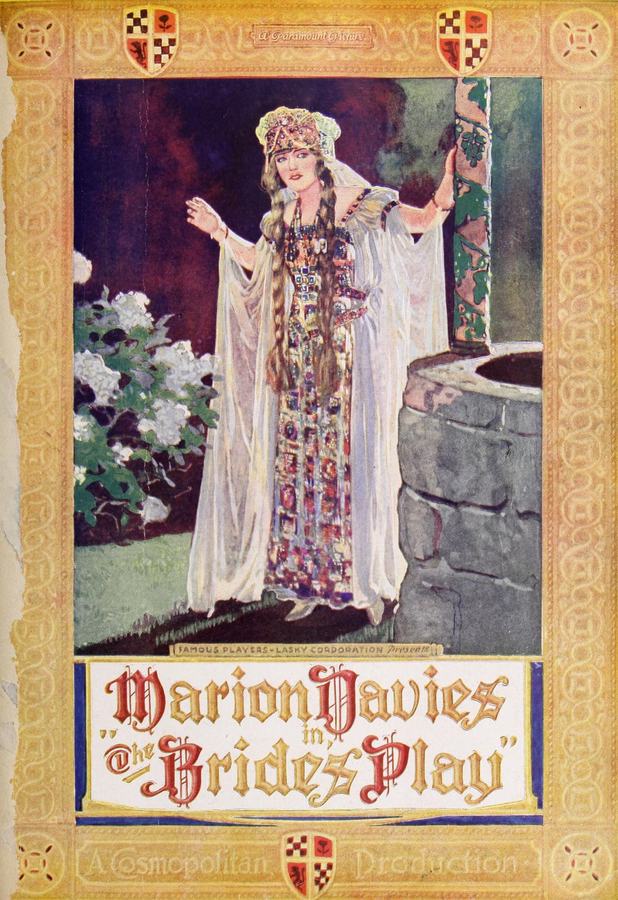
A definitive 6.1/10 rating for a film that redefined the boundaries of cult cinema. The Bride's Play remains a cornerstone of transgressive art.
In the pantheon of the 1920s silent era, few figures possess the enigmatic magnetism of Marion Davies. Often overshadowed by the colossal shadow of her benefactor, William Randolph Hearst, Davies nonetheless carved out a niche as a performer of remarkable versatility. In The Bride's Play (1922), directed with a keen eye for atmospheric tension by George Terwilliger, we are treated to a narrative that is as much a landscape of the soul as it is a depiction of the Irish countryside. The film operates on a frequency of heightened romanticism, reminiscent of the thematic depth found in The Midnight Bride, yet it distinguishes itself through a specific cultural lens—the ancient traditions of the Celts.
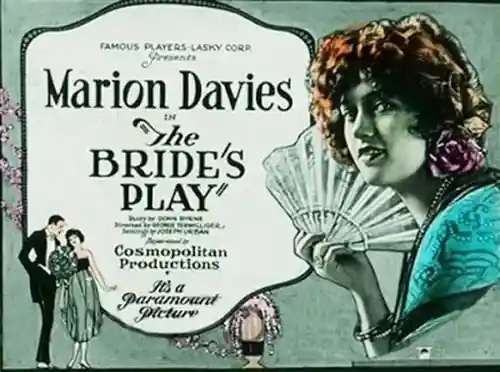
The story begins not with a whimper, but with the intoxicating cadence of poetry. Bulmer Meade, played with a slithering, Byronic charm, represents the archetypal 'seducer of spirits.' He does not merely want Enid’s hand; he wants to consume her innocence for his own creative fuel. This dynamic of the predatory artist is a recurring trope in early cinema, yet here it feels particularly visceral. When we compare the moral stakes to a film like The Evil Women Do, we see a reversal: here, the 'evil' is a masculine, intellectual vanity that preys upon the sincerity of a young woman's heart.
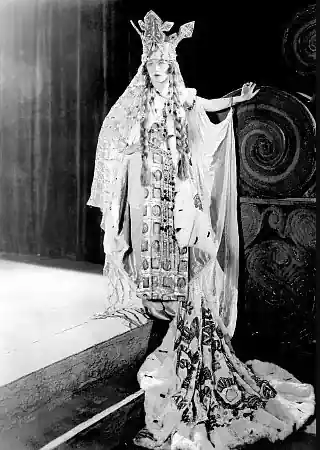
Marion Davies delivers a performance that defies the era's tendency toward histrionics. Her Enid is a creature of subtle shifts—a flicker of the eye, a slight downturn of the lip. She captures the transition from a girl intoxicated by the 'idea' of love to a woman hardened by the 'reality' of betrayal. This evolution is the film's true engine. Unlike the more whimsical characters often seen in The Star Prince, Enid is grounded in a socio-economic reality that makes her choices weightier. Her eventual acceptance of Lord Cassidy (Wyndham Standing) is not portrayed as a defeat, but as a maturation—a recognition that the 'beloved vagabond' lifestyle, so often romanticized in films like The Beloved Vagabond, is frequently a facade for instability.
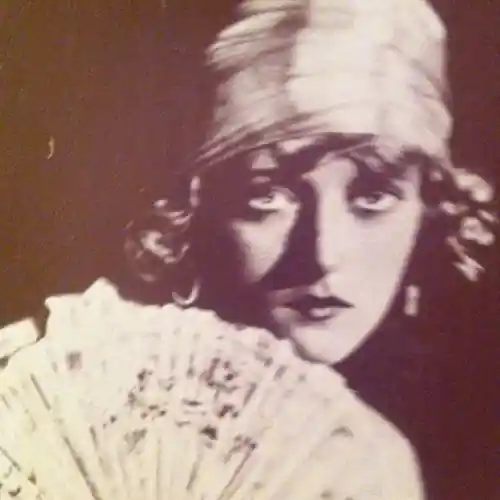
'The Bride's Play is not merely a romance; it is a liturgical examination of the vows we make to ourselves before we make them to others.'
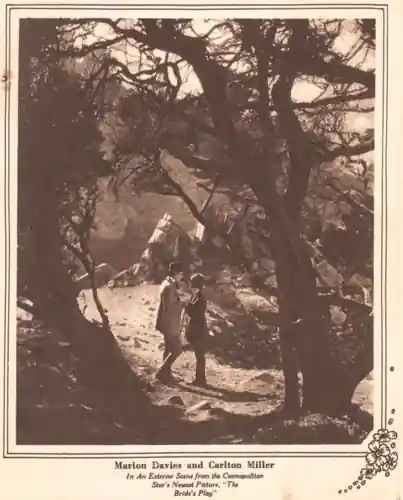
The cinematography, handled by George W. Hill, utilizes the natural light of the Irish coast (or its meticulously crafted studio equivalent) to create a chiaroscuro effect that mirrors Enid’s internal conflict. The shadows of the Cassidy estate loom large, representing the safety—and perhaps the boredom—of aristocratic life, while the wild cliffs represent the dangerous freedom offered by Meade. This visual dichotomy is as sharp as anything found in The Valley of the Giants, though far more intimate in scope.
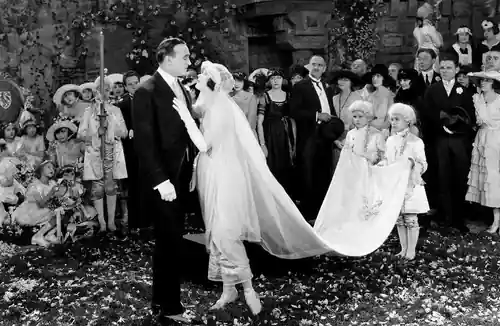
The centerpiece of the film—the 'Bride's Play' itself—is a sequence of unparalleled tension. In this ritual, the bride must walk the length of the hall, stopping before each guest to ask if they are the one she truly loves. It is a public confession of private desire, a concept that feels startlingly modern. As Enid approaches Bulmer Meade, the man who broke her spirit, the film slows down, focusing on the minute details of her wedding finery against the stark, judgmental faces of the Irish gentry. This moment of high drama rivals the climactic revelations in The Count of Monte Cristo, albeit on a psychological rather than an epic scale.
The writing by Mildred Considine and Brian Oswald Donn-Byrne deserves significant praise. They manage to infuse the intertitles with a poetic gravity that justifies the characters' obsessions. While some silent films of the era, such as The Married Flapper, leaned into the frivolity of the Jazz Age, The Bride's Play remains rooted in a timeless, almost mythic, register. It shares a certain spiritual DNA with Humility, focusing on the ego's destruction as a prerequisite for true happiness.
When we look at The Bride's Play in the context of its contemporaries, its sophistication becomes even more apparent. For instance, while Bucking Broadway offers a more kinetic, American energy, Terwilliger’s film opts for a European sensibility, favoring atmosphere over action. The film’s exploration of the 'double life'—the public bride and the private mourner—echoes the thematic concerns of The Twin Triangle. However, Davies provides a warmth that prevents the film from becoming a cold intellectual exercise.
The supporting cast, particularly Frank Shannon and John B. O'Brien, provide a sturdy framework for Davies to shine. They represent the various facets of Irish society: the traditionalists, the dreamers, and the pragmatists. In a way, the film acts as a precursor to the grander Irish dramas of the sound era, yet it retains a purity of expression that is unique to the silent medium. The lack of spoken dialogue forces the viewer to engage with the characters on an elemental level, much like the raw emotionality found in The Lamb and the Lion.
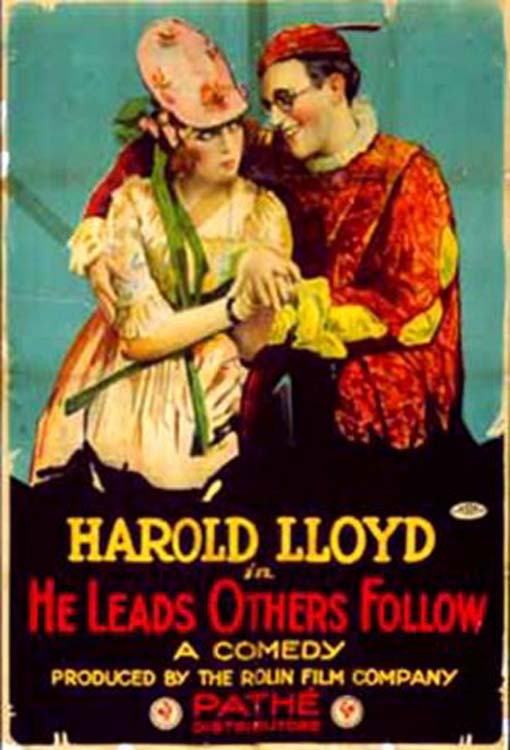
The Bride's Play is a testament to the power of the 'woman's picture' when handled with genuine artistic ambition. It avoids the easy traps of melodrama, opting instead for a nuanced exploration of what it means to reclaim one's agency after a devastating heartbreak. While it may not have the rugged adventure of Caravan of Death or the rebellious spirit of The Lady Outlaw, it possesses a haunting beauty that lingers long after the final iris-out.
For the modern viewer, the film offers a window into a world where honor, poetry, and tradition were the primary currencies of the heart. It is a reminder that Marion Davies was more than just a socialite or a comedy actress; she was a dramatic force capable of carrying a complex, emotionally demanding narrative. If you find yourself weary of the frantic pacing of contemporary cinema, The Bride's Play offers a sanctuary of slow-burning passion and visual splendor. It is a film that demands—and deserves—your undivided attention, standing as a proud pillar of 1920s cinematic achievement alongside works like The Purple Lily and After Five.
IMDb —
1931
Community
Log in to comment.