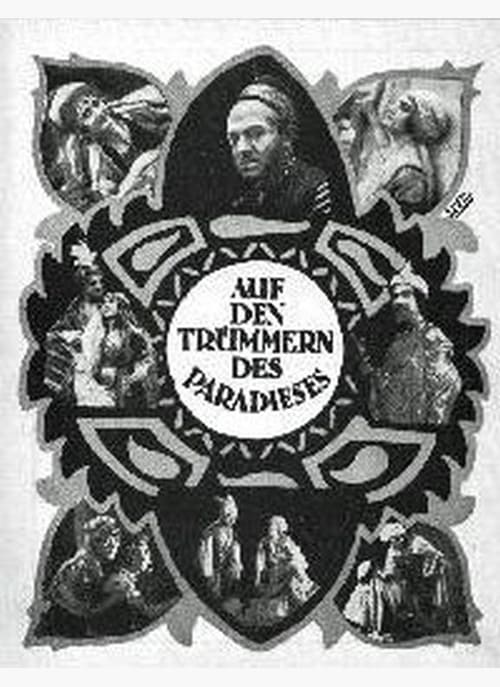
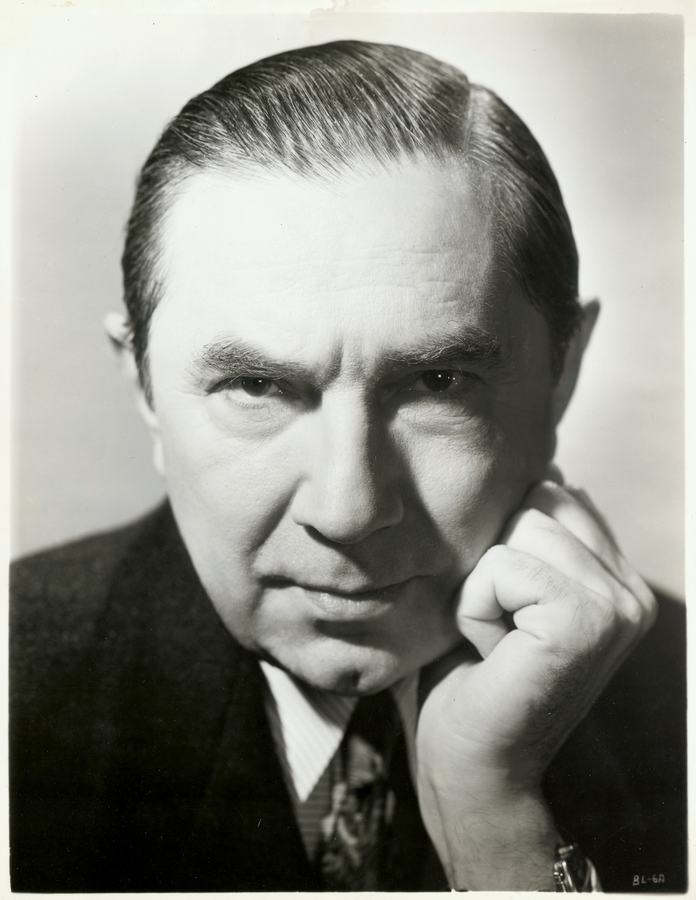
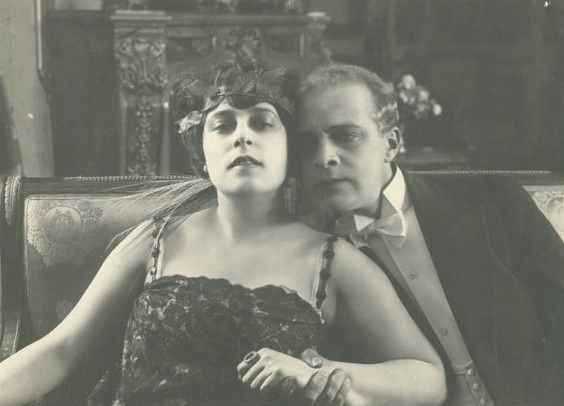
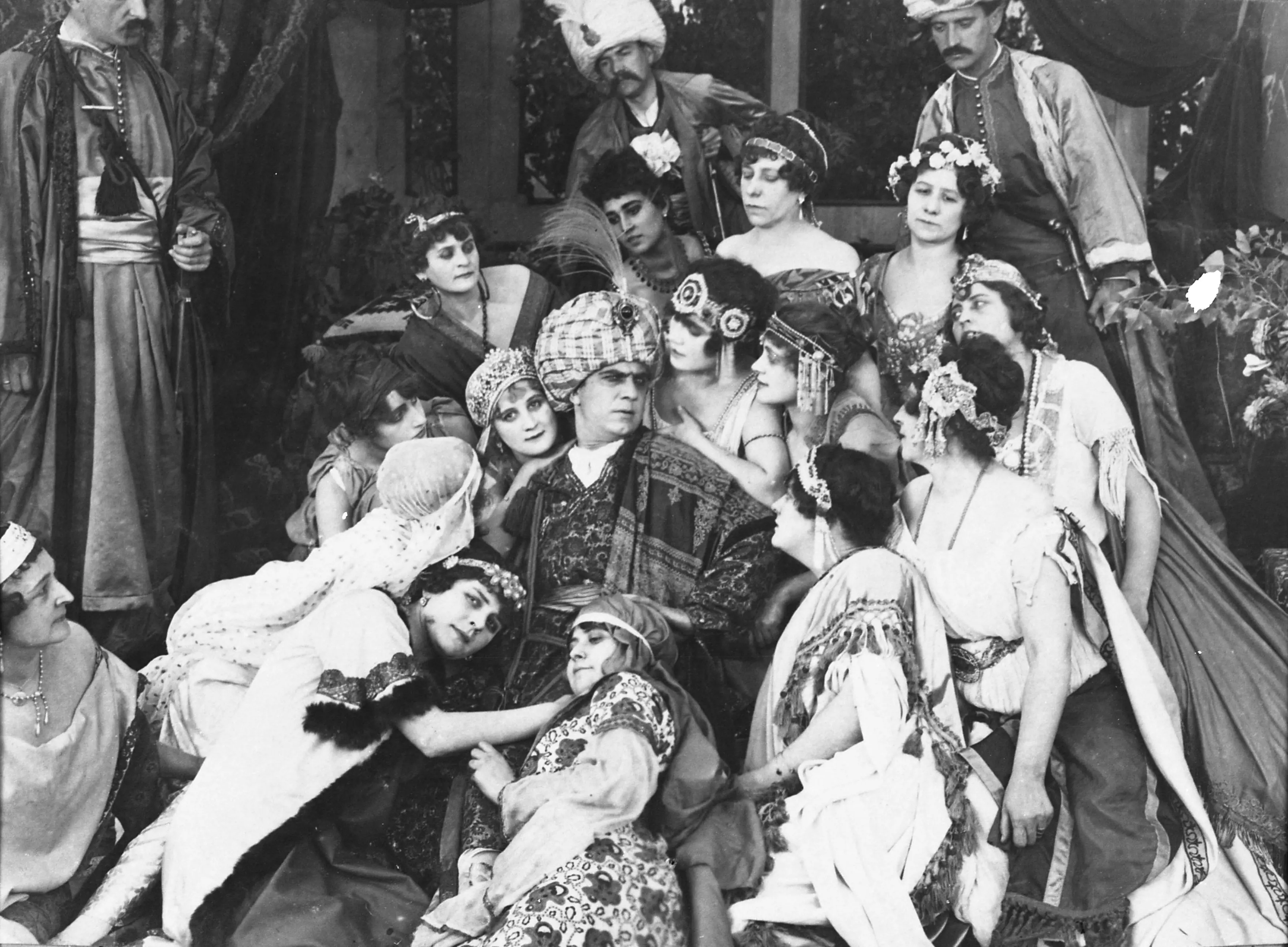
Bela Lugosi plays a lascivious Arab sheikh confronting European travelers in the desert in an adventure story set in the Sahara..
The Mirage as Murder Weapon Imagine the Sahara not as landscape but as liquid malevolence—each dune a slow-moving wave poised to drown cameras, celluloid, and the fragile myth of white supremacy. Caravan of Death, shot on location in 1919 when the sun still bleached filmstock faster than any lab timer, weaponises that...
publicity
still_frame
publicity
Comparing the cinematic DNA and archive impact of two defining moments in cult history.
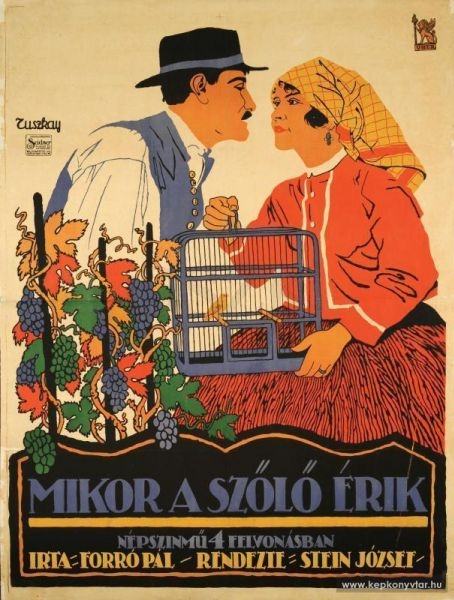
Josef Stein
Robert N. Bradbury
Community
Log in to comment.
" The Mirage as Murder Weapon Imagine the Sahara not as landscape but as liquid malevolence—each dune a slow-moving wave poised to drown cameras, celluloid, and the fragile myth of white supremacy. Caravan of Death, shot on location in 1919 when the sun still bleached filmstock faster than any lab timer, weaponises that liquidity. Director Marie Luise Droop, fresh from adapting Karl May’s orientalist pulp, refuses to let the desert merely host the drama; she lets it seep into the sprocket holes, ..."
Anna von Palen
Karl May, Marie Luise Droop, Erwin Baron
Germany
Deep dive into the cult classic
Discover similar cinematic experiences
A Directorial Spotlight on Josef Stein