DbcultAccessing Vault...
5.5/10
Senior Film Conservator
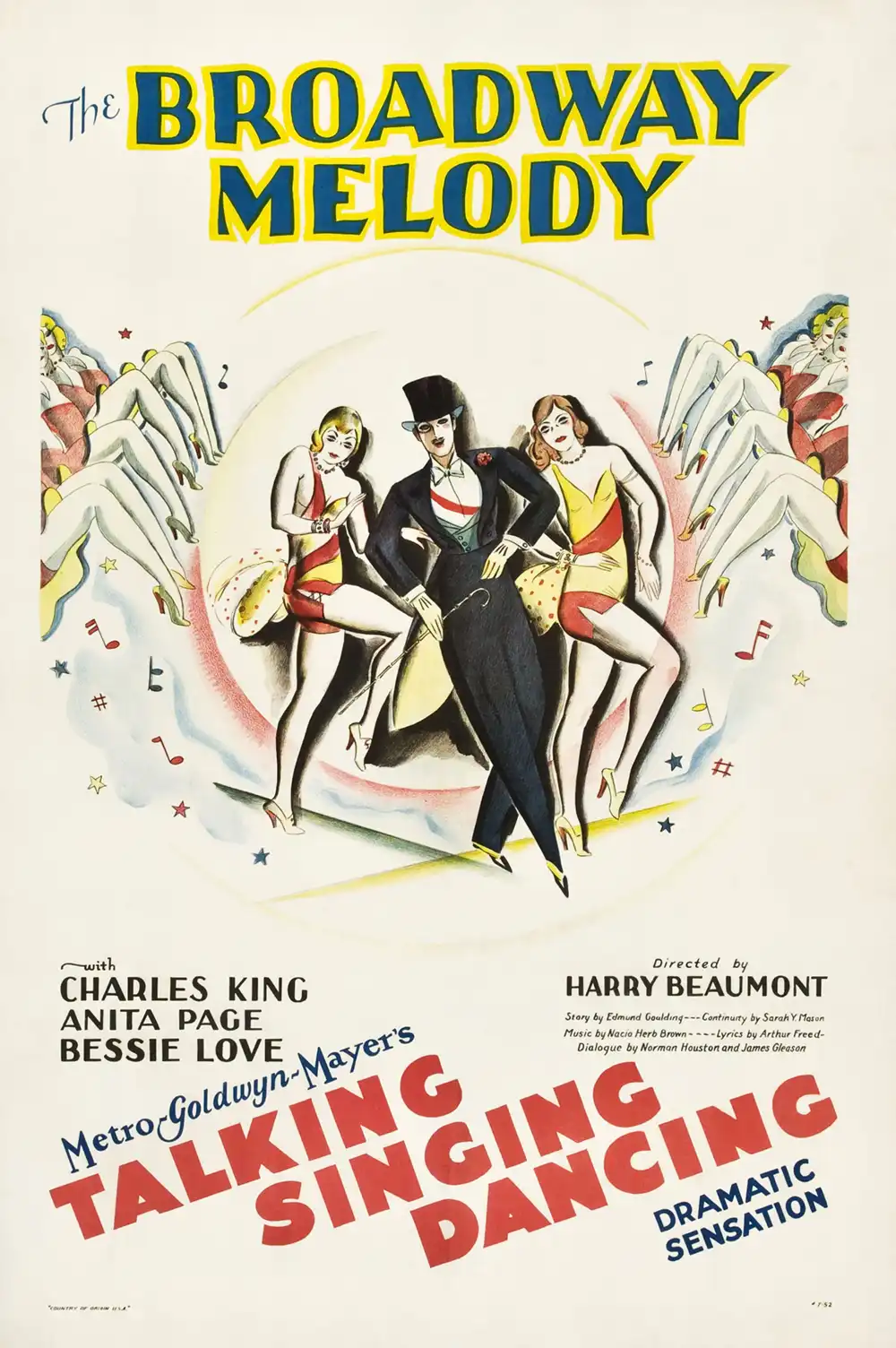
A definitive 5.5/10 rating for a film that redefined the boundaries of cult cinema. The Broadway Melody remains a cornerstone of transgressive art.
Okay, so The Broadway Melody. If you're someone who loves digging into film history, like, really loves seeing how things started, then yeah, give it a watch. It’s a huge milestone, the first talkie to win Best Picture. But if you’re just looking for a fun night at the movies with a modern musical, hard pass. You will probably find it slow, stiff, and honestly, a bit of a head-scratcher. This one’s for the dedicated cinephile or the very patient.
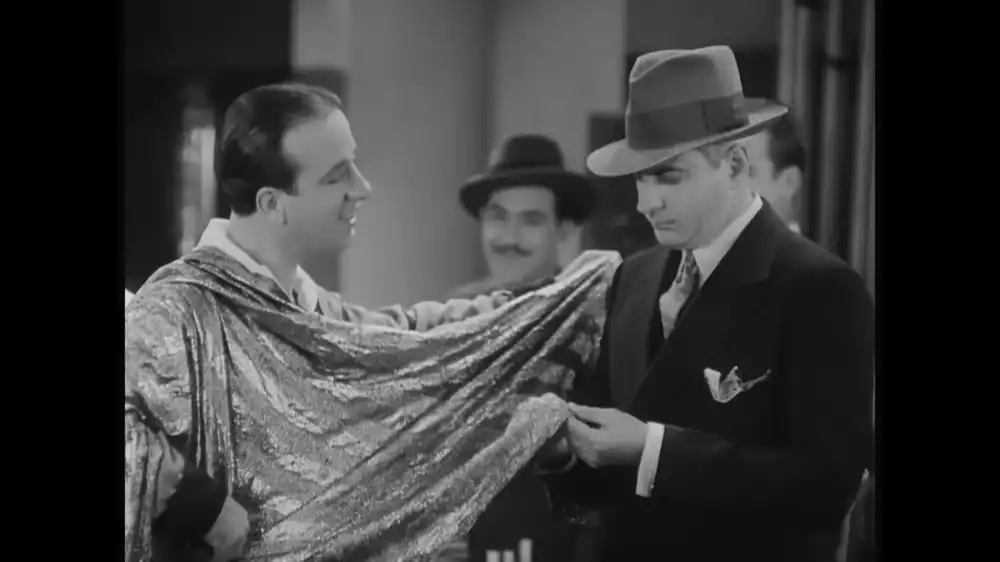
It’s a simple story, really. Two sisters, Queenie and Harriet (who goes by "Hank"), come to New York dreaming of Broadway stardom. Hank is engaged to Eddie, a composer who already has a spot on the big stage. But then Eddie starts to get a little too chummy with the prettier, more naive Queenie. Classic love triangle stuff, but with singing and dancing.
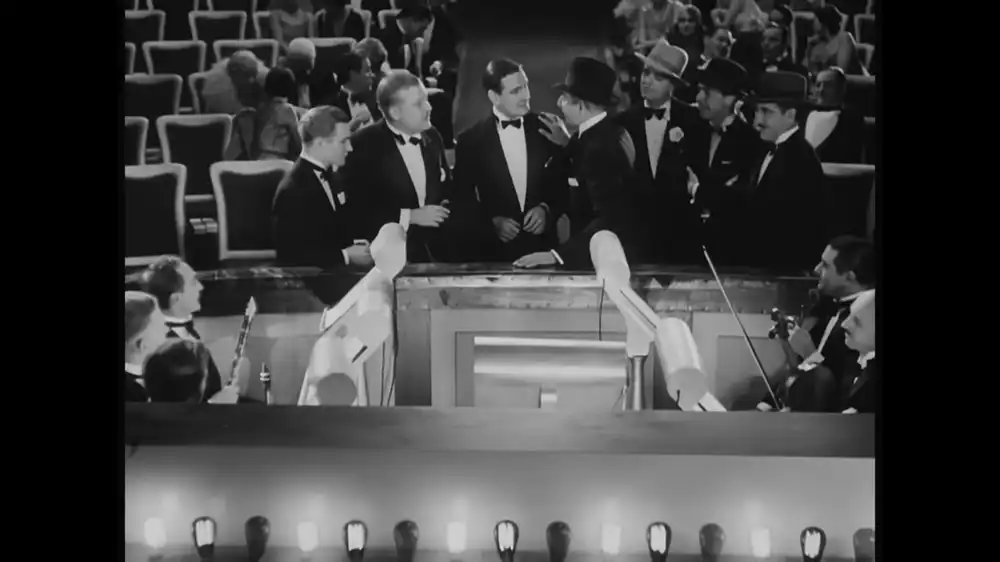
The film is famous for being "all-talking, all-singing, all-dancing." And boy, do they talk. And sing. And dance. Sometimes, all at once in a way that feels a bit chaotic. The sound quality, bless its heart, is… of its time. You really have to lean in sometimes to catch what Bessie Love is saying. She plays Hank, the older sister.
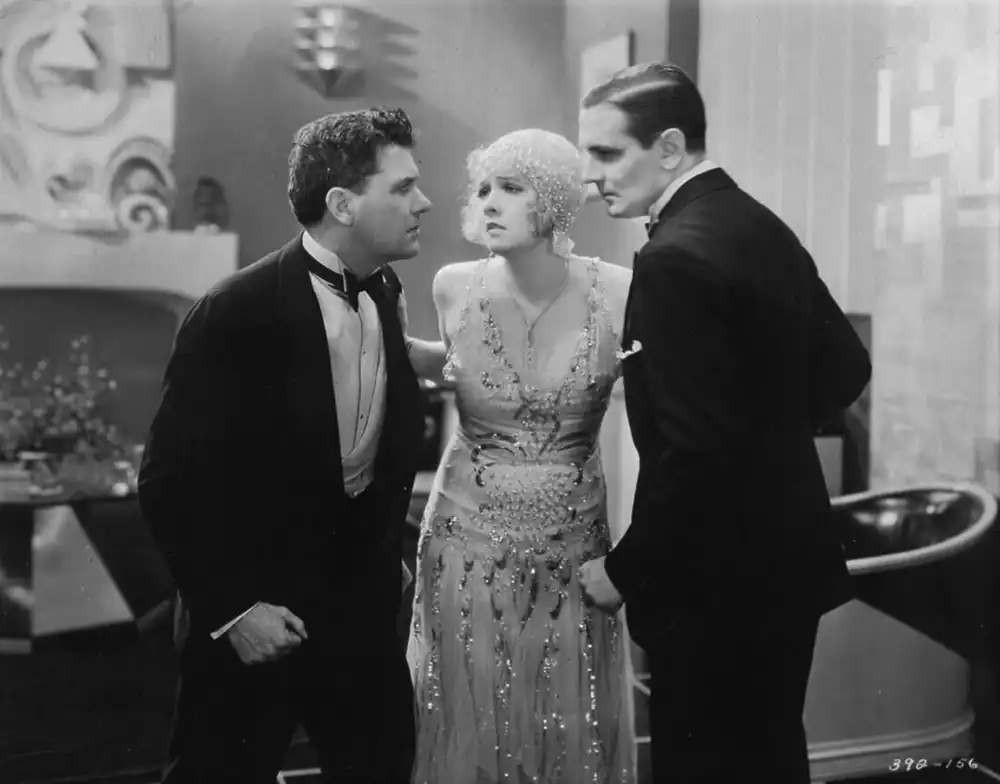
The acting styles are a real trip. Everyone is so expressive, like they’re still playing to the back row of a vaudeville theater. James Gleason, as the composer Eddie, has this almost frantic energy. He bounces around, wide-eyed. It makes you wonder if they were just figuring out how to act for a microphone, not just an audience.
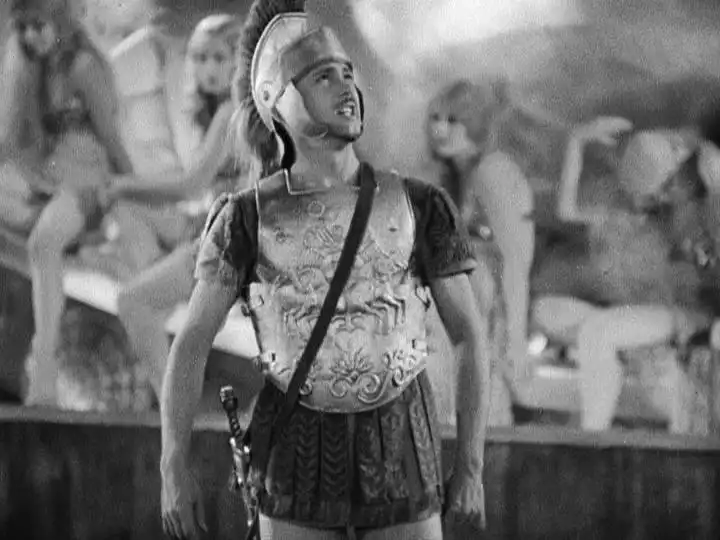
There's a scene where Queenie is talking about a guy, and Hank just knows it's Eddie. The way Bessie Love’s face falls, it's pretty powerful, even through the scratchy audio. You feel that gut punch, even if the rest of the scene feels a bit too staged. That’s a moment that actually lands.
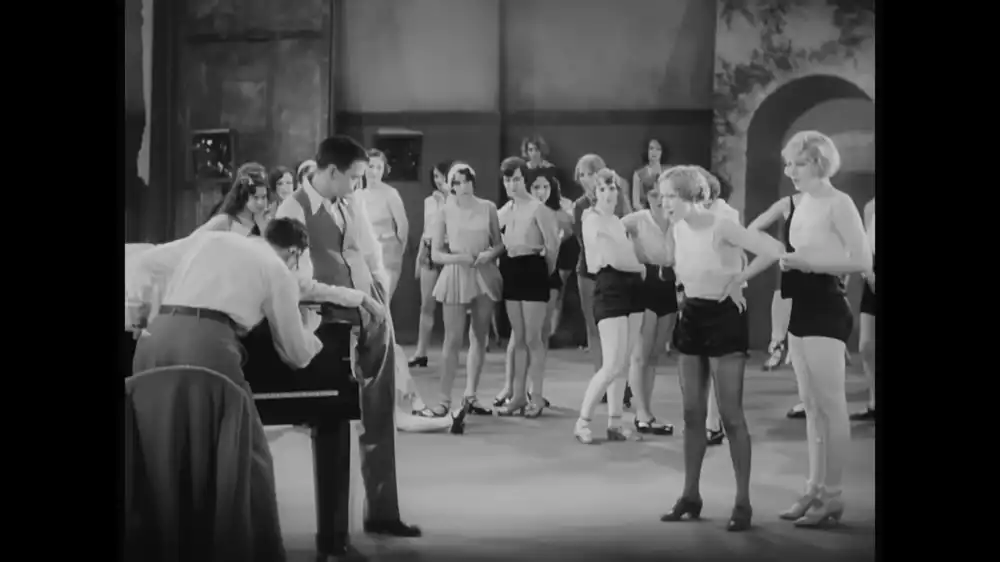
And the musical numbers! Some of them are just... there. The title song, "The Broadway Melody," is catchy enough. But then there's this weird number where Queenie is supposed to be performing in a sort of dream sequence, but it looks more like a stage show they just filmed head-on. The camera doesn't move much, which is typical for early sound films. It’s a very static experience. Like watching a play from a single, fixed seat.
One small detail I kept noticing was how loud some of the background noise gets. Like, someone drops a prop off-screen, and it sounds like a cannon going off. They hadn't quite mastered sound mixing yet, I guess. It gives it a very raw, almost live feeling, which is kinda neat in its own way. 🔊
The whole plot relies on this idea that Queenie is "too innocent" for the big city. She falls for a smooth-talking cad, and you can practically see the plot gears grinding. Bessie Love’s character, Hank, is the sensible one, the one who sees trouble coming a mile away. You really feel for her when she's trying to warn Queenie, who just doesn't get it. It's a bit heartbreaking, honestly.
There’s a montage near the end, showing Queenie's rise and fall, and it’s done with these quick cuts and superimposed images. For 1929, that must have felt pretty dynamic. It reminded me a bit of some silent film techniques still lingering, trying to adapt to the new sound era. They were still figuring out the language of cinema, combining the old with the new.
You know, the film has this certain charm to it. It’s clunky, yes, but it’s also a snapshot of an era. It shows what people thought was "glamorous" back then. The costumes, the sets, the whole vibe of aspiring performers. It’s less about a perfect film and more about seeing a moment in time. It's a curiosity, a piece of a puzzle. Definitely not a movie you'll rewatch for fun, but one you might revisit for a peek into film history.
IMDb 5.9
1933
Community
Log in to comment.