DbcultAccessing Vault...
Cult Review
Senior Film Conservator
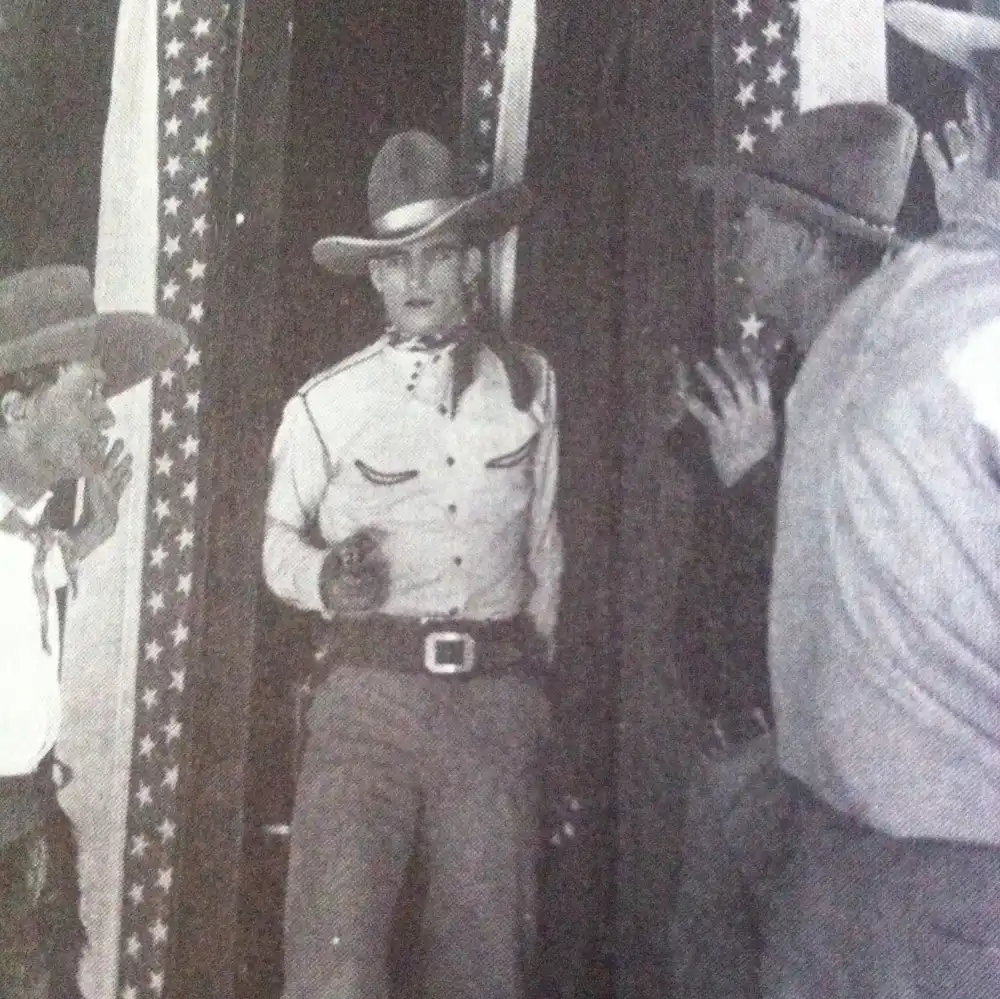
If you’re the kind of person who watches old Westerns for the historical accuracy of the stunts or just to see how much dust a 1920s camera can pick up, The Bronc Stomper is worth a look. If you’re looking for a tight, high-stakes drama, you’re probably going to be checking your watch by the second reel. It’s a movie that lives and dies by its rodeo footage, which is frequently better than the actual acting.
Don Coleman plays Richard Thurston. He’s got that classic silent-era hero face—very square, very still. He doesn't do much with his expressions, but he looks like he belongs on a horse. The plot kicks in when Riggs, the local rodeo chairman, realizes Thurston is too good to let into the competition because Riggs has money on someone else. The way Riggs goes about sabotaging him is so cartoonishly evil it’s almost endearing. He doesn't just block him from the event; he frames him for stealing money from Daisy Hollister, the woman who runs the ranch where Thurston works. It’s a lot of plot for a movie that really just wants to show you guys falling off broncos.
There’s a specific scene at the ranch where the money goes missing, and the editing is just... weird. We get a close-up of a hand reaching for a desk drawer that feels like it was filmed in a different building. The lighting shifts completely for three seconds, and then we’re back to the flat, natural light of the ranch. It’s one of those moments where you can see the seams of the production. It reminded me a bit of the clunky transitions in The Speed Boy, though this film feels a bit more grounded in the dirt.
The rodeo scenes are the highlight. You can tell they filmed a real event and just peppered the actors into the crowd. There’s a shot of a rider getting thrown that looks genuinely painful—the kind of fall that makes you wonder if the stuntman walked away from it. The crowd in the background is great, too. You see these old-timers in the stands who clearly aren't paid extras; they’re just people from 1928 watching a show, looking confused when the camera points their way. It gives the movie a documentary feel that the scripted parts lack.
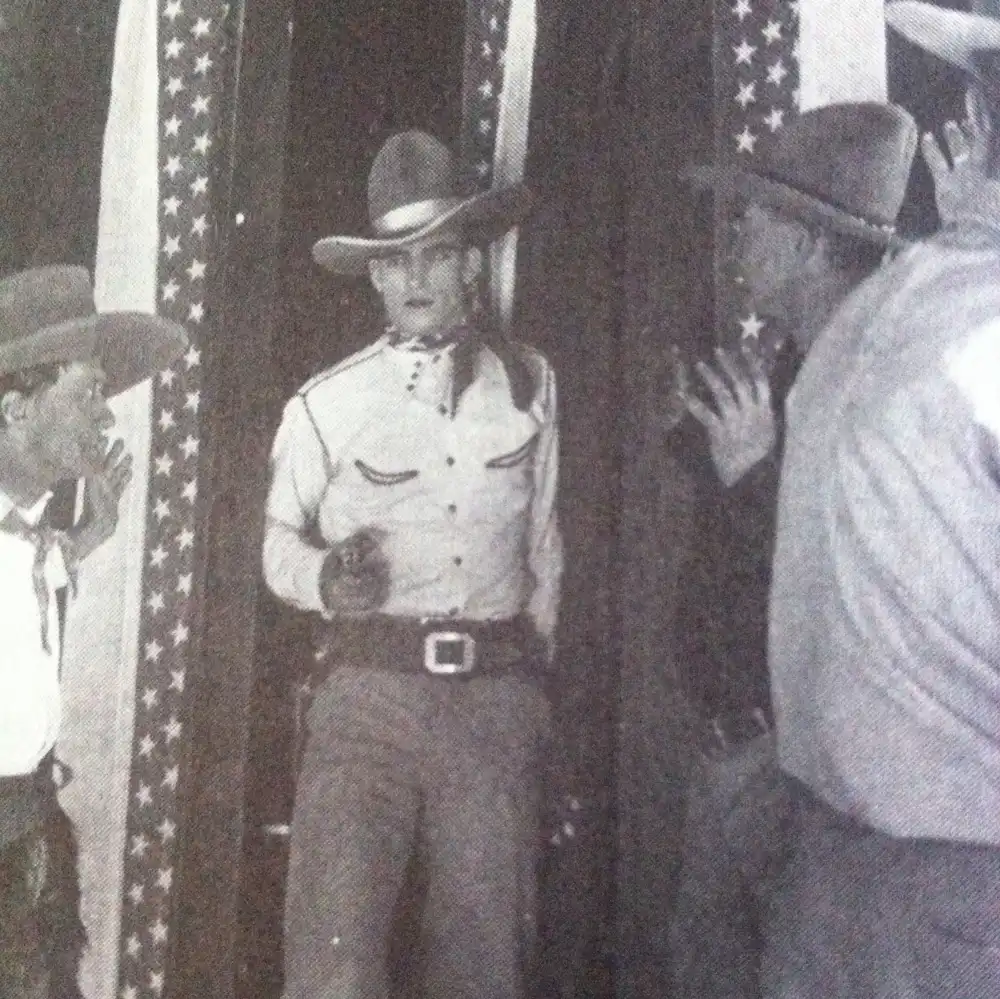
Eugenia Gilbert as Daisy is fine, though she spends most of her time looking distressed in a very choreographed way. Her chemistry with Coleman is pretty much non-existent. They stand near each other and look at the horizon, which I guess was the shorthand for romance in these B-Westerns. It’s not quite as lifeless as the character work in The Man in the Saddle, but it’s close.
One thing that really stuck out to me was the costume for the villain. Riggs wears these riding breeches that look about two sizes too big, making him look less like a threatening mastermind and more like a guy who’s about to trip over his own legs. It’s hard to take the 'crooked chairman' threat seriously when he’s waddling around the arena.
The pacing drags in the middle when the 'complications' mentioned in the synopsis start to pile up. There’s a lot of standing around in dusty rooms talking about money and honor via title cards. Honestly, the movie gets significantly better the moment everyone stops talking and gets back to the arena. The final sequence has some decent energy, but by then, you’ve already figured out exactly how it’s going to end. It doesn't have the weird, dark edge of something like Judgment of the Storm, but it’s a functional Saturday afternoon distraction if you don't expect too much from it.
Watch it for the horses. Ignore the 'theft' subplot. The horses are better actors anyway.
IMDb —
1932
Community
Log in to comment.