DbcultAccessing Vault...
Cult Review
Senior Film Conservator
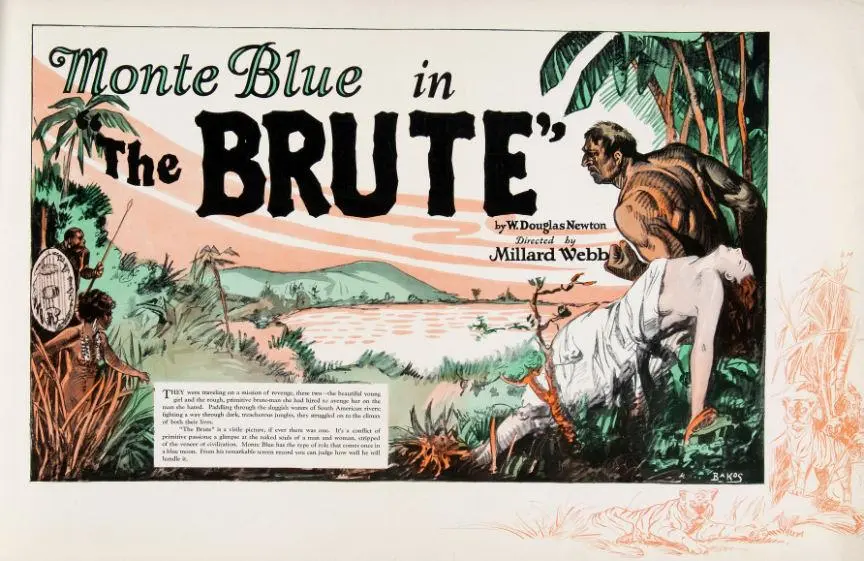
Is 'The Brute' worth watching today? Short answer: yes, but with significant caveats. This silent Western offers a fascinating glimpse into a genre in its formative years, making it a compelling watch for film historians, silent era enthusiasts, and those curious about the roots of cinematic storytelling. However, casual viewers accustomed to modern pacing and narrative conventions might find its deliberate rhythm and melodramatic flourishes a challenging proposition.
Released in 1925, 'The Brute' lands squarely in the silent era's golden age, a period where narrative clarity and visual storytelling were paramount. It’s a film that, despite its age, still manages to articulate a clear moral conflict and showcase the understated power of its lead, Monte Blue. Yet, to appreciate it fully, one must recalibrate expectations, shedding the demands of contemporary cinema for a more patient, observant viewing experience.
At its heart, 'The Brute' is a straightforward tale of good versus exploitation. Martin Sondes (Monte Blue), a man whose quiet demeanor belies a strong moral compass, arrives in a town dominated by "Square Deal" Fenton (Paul Nicholson). Fenton, despite his moniker, is anything but square; he’s a calculating saloon owner who preys on the vulnerability of tired, liquor-addled cowhands. His method is simple: ply them with drink, cloud their judgment, and then fleece them of their earnings. It’s a classic setup for a Western, but rendered with the unique sensibilities of the silent film era, where character motivations had to be conveyed through gesture, expression, and the occasional intertitle.
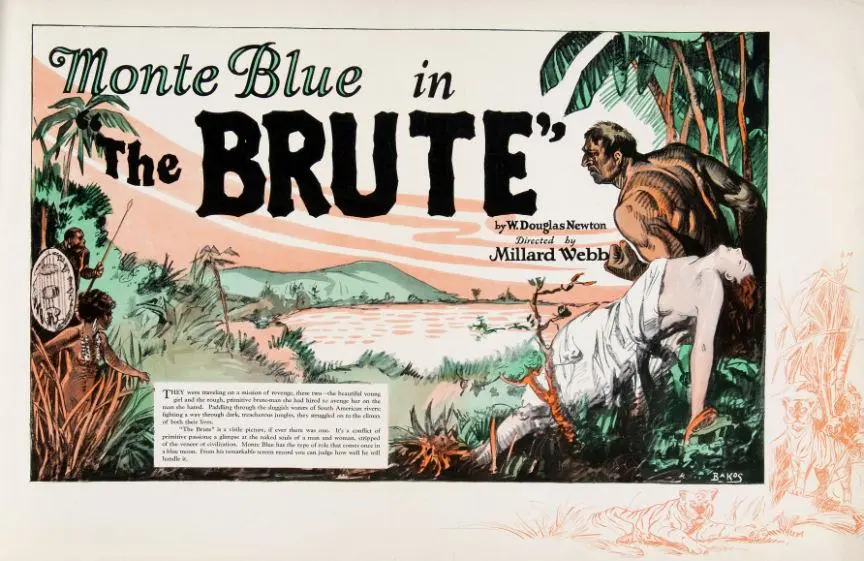
The film doesn't waste time on complex subplots. It establishes its villain, introduces its hero, and then meticulously builds towards their inevitable clash. This directness, while occasionally feeling simplistic, is also one of its strengths, allowing the audience to focus entirely on the central struggle for justice in a lawless land.
Let's be direct about the film's strengths and weaknesses:
Monte Blue, as Martin Sondes, carries the film with a quiet intensity that is both captivating and authentic. In an era where many silent film actors relied on exaggerated gestures to convey emotion, Blue exhibits a remarkable subtlety. His performance is less about grand theatrics and more about micro-expressions: a slight narrowing of the eyes when observing Fenton’s deception, a firm set of the jaw when challenged, or a gentle, reassuring smile directed towards Leila Hyams’ character, who often finds herself caught in the crossfire.
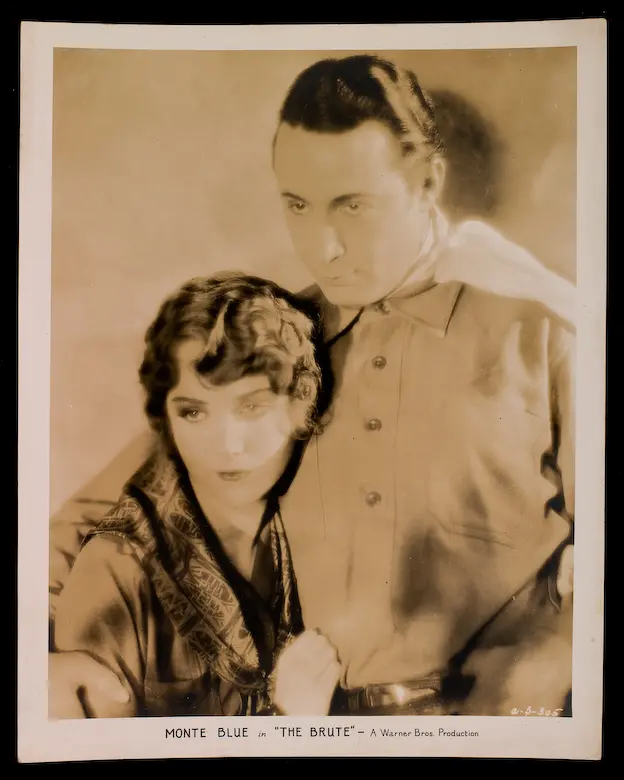
Consider the scenes where Sondes is first introduced to Fenton's operation. Blue doesn't need intertitles to explain his growing unease. His posture shifts, his gaze sharpens, and a palpable sense of moral indignation begins to emanate from him. It’s a masterclass in silent screen acting, proving that true power on screen often comes from restraint. This contrasts sharply with the broader strokes often seen in other Westerns of the period, such as The Night Horsemen, where performances could lean into more overt heroics.
Blue’s portrayal isn't just about being the hero; it’s about embodying a particular type of American ideal: the strong, silent type who acts out of principle rather than personal gain. He makes you believe in Sondes’ integrity, even when the plot occasionally strains credulity. This anchoring performance is arguably the film's greatest asset.
Douglas Newton’s direction, while not groundbreaking, is competent and effective for its time. He understands the visual language of silent film, using framing and composition to emphasize the power dynamics at play. The saloon, Fenton’s domain, is often shot with a sense of oppressive grandeur, its shadows hinting at the illicit activities within. Conversely, scenes featuring Sondes or the innocent townsfolk tend to be more open, bathed in natural light, visually reinforcing the moral divide.
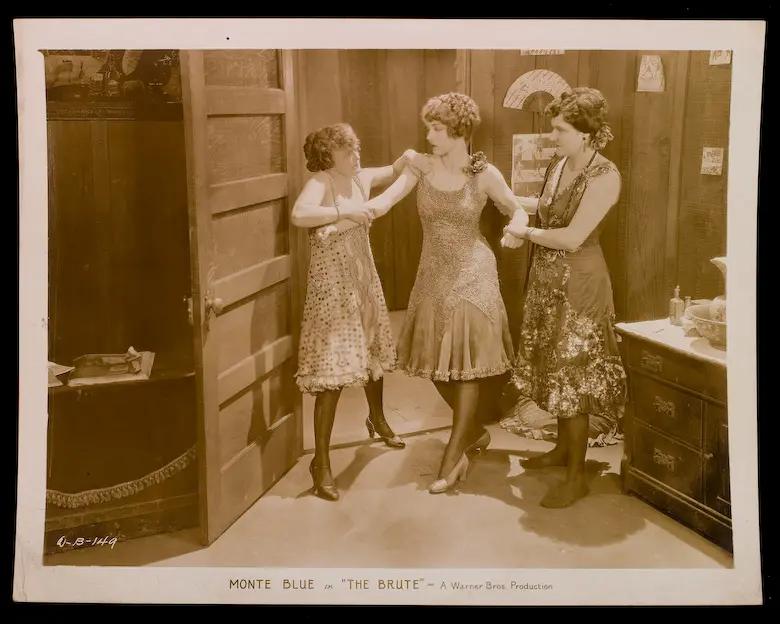
There's a particular sequence where Fenton is shown counting his ill-gotten gains, framed tightly, his face illuminated by a single lamp, almost like a predator in its lair. This visual cue, combined with the ominous intertitles, effectively communicates his villainy without a single spoken word. Newton also makes good use of close-ups, particularly on Blue's face, allowing his nuanced expressions to carry significant narrative weight. While not as overtly artistic as some German Expressionist films of the era, it serves the story well.
The film’s visual simplicity is, paradoxically, its strength. It forces the audience to engage more deeply with the non-verbal cues, a skill often lost in an age of constant dialogue.
The pacing of 'The Brute' is undeniably slow by modern standards. This isn't necessarily a flaw, but rather a characteristic of silent cinema, where scenes often lingered longer to allow audiences to absorb the visual information and read the intertitles. The film takes its time to establish characters and build tension, allowing the conflict to simmer rather than explode immediately.
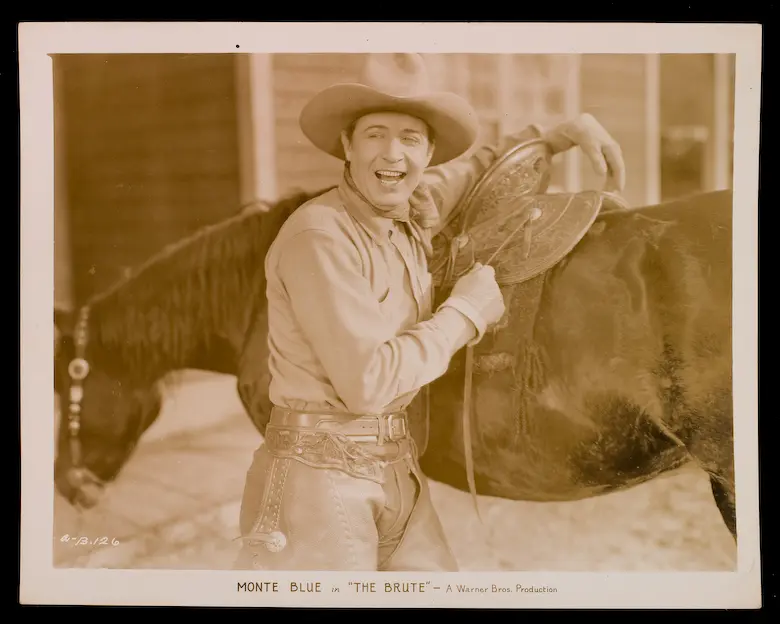
This deliberate pace contributes to a tone that is largely earnest and dramatic, with touches of melodrama typical of the period. There are moments of genuine tension, particularly as Sondes closes in on Fenton, but also instances where emotional reactions feel exaggerated. For instance, the distress of a cowhand realizing he's been robbed is portrayed with a level of despair that might seem over-the-top today, but was perfectly in line with the theatrical conventions of 1925. It’s a film that demands patience, rewarding those who settle into its rhythm.
While Monte Blue dominates, the supporting cast plays their parts effectively. Paul Nicholson’s "Square Deal" Fenton is a suitably slimy antagonist. He doesn’t need to be overtly menacing; his quiet, calculating cruelty is enough. Nicholson embodies the type of villain who hides behind a veneer of respectability, making his eventual comeuppance all the more satisfying. It’s a performance that doesn't shy away from making Fenton genuinely despicable.
Leila Hyams, as the female lead (likely a love interest or a character caught in Fenton's web), provides a necessary emotional counterpoint. Her vulnerability and eventual strength, conveyed through classic silent film expressions, add a layer of human stakes to the otherwise masculine conflict. Clyde Cook, often known for his comedic roles, likely offers some moments of levity or perhaps a more tragic portrayal of a victim, adding texture to the narrative. While their characters aren't deeply explored, they serve their narrative functions with conviction, grounding the story in relatable human experience.
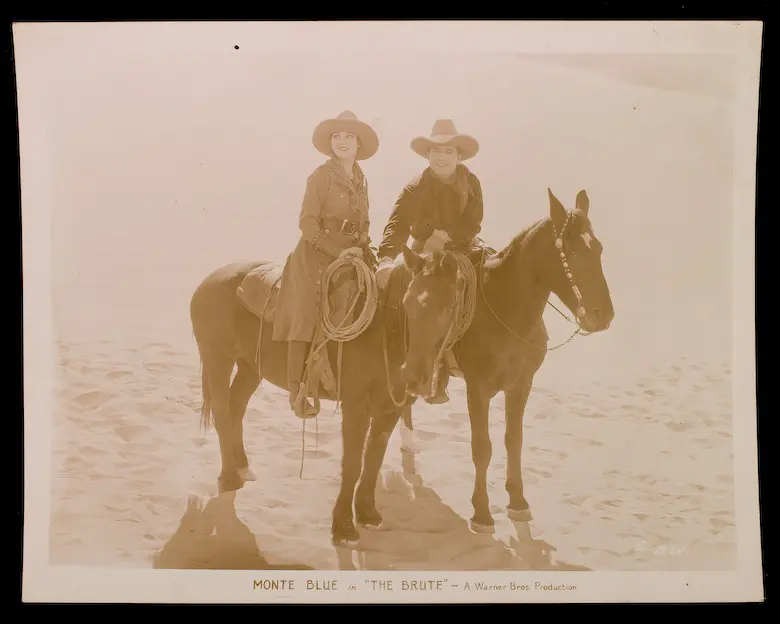
Yes, 'The Brute' is worth watching for specific audiences. It offers a valuable historical perspective on the Western genre's development. It showcases Monte Blue's understated acting prowess. It provides insight into silent film storytelling techniques. However, it requires an appreciation for slower pacing and silent era conventions. It is not for viewers seeking fast-paced action or modern narrative complexity.
'The Brute' may not be as widely recognized as some of its silent Western contemporaries, like those starring William S. Hart or Tom Mix, but it holds its own as a solid example of the genre. Its focus on a more grounded, less overtly heroic conflict sets it apart. While it doesn't break new cinematic ground, it reinforces the timeless appeal of a lone individual fighting against overwhelming odds.
The film serves as a reminder of the foundational narratives that would come to define the Western. The struggle for justice, the clear demarcation of good and evil, and the harsh realities of frontier life are all present, albeit through the lens of early cinema. It might not be a film that sparks academic debate for its innovative techniques, but it's a sturdy, enjoyable piece of silent film history that speaks to enduring themes. It works. But it’s flawed. Its relative obscurity might even be a point of fascination for collectors and enthusiasts, offering a chance to discover a well-made, if not revolutionary, piece of its era. Contrast its straightforward narrative with the more complex, character-driven silent dramas like The Girl Who Came Back, and you see the versatility of the period.
'The Brute' is a film that asks for patience and rewards it with a solid, if not spectacular, silent Western experience. Monte Blue's central performance is the undeniable highlight, elevating what could have been a pedestrian tale into something genuinely engaging. It’s a film that exists as an important artifact, showcasing the craftsmanship of early Hollywood in telling a universal story of justice and defiance. While it won't convert skeptics of silent cinema, it offers a satisfying watch for those already attuned to its unique charms. It’s not a masterpiece, but it’s far from a failure. It's a testament to the enduring power of a simple, well-told story, delivered with conviction. For a quiet evening spent exploring the roots of cinematic heroism, 'The Brute' delivers enough punch to warrant its rediscovery.
IMDb —
1933
Community
Log in to comment.