DbcultAccessing Vault...
6.3/10
Senior Film Conservator
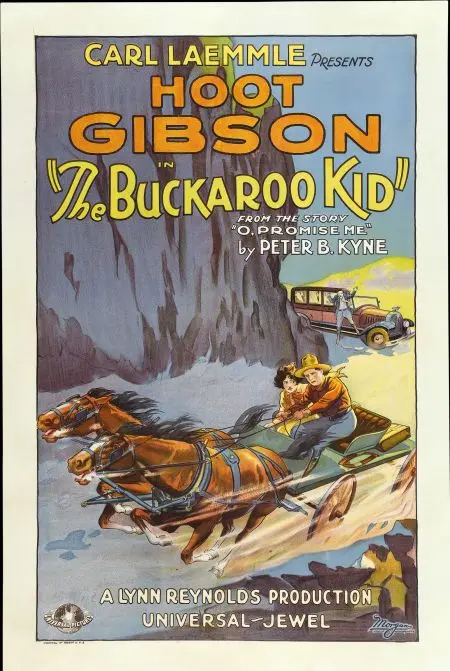
A definitive 6.3/10 rating for a film that redefined the boundaries of cult cinema. The Buckaroo Kid remains a cornerstone of transgressive art.
Should you invest your time in this silent-era ranch drama? Short answer: Yes, but only if you value the specific, light-hearted charisma of Hoot Gibson over the gritty violence of modern Westerns.
This film is specifically for those who enjoy character-driven silent cinema and the 'business' side of the frontier; it is definitely not for those seeking high-octane gunfights or dark, revisionist themes.
The Buckaroo Kid remains a fascinating artifact of 1920s storytelling because it prioritizes personality over pyrotechnics. In an era where many Westerns were becoming repetitive, Hoot Gibson brought a sense of humor and a modern sensibility to the role of Ed Harley. It works. But it’s flawed.
1) This film works because: Hoot Gibson’s effortless screen presence turns a standard ranch story into a compelling character study of social mobility.
2) This film fails because: The third act relies on a somewhat predictable romantic conflict that feels less inspired than the ranch-management sequences.
3) You should watch it if: You want to see a Western that focuses on the economics of the frontier rather than just the lawlessness.
Hoot Gibson was never the stoic, brooding type like William S. Hart. In The Buckaroo Kid, Gibson plays Ed Harley with a wink and a level of comfort that feels surprisingly contemporary. He doesn't just ride horses; he manages people. This shift in the cowboy archetype is the film's greatest strength.
Consider the scene where Ed first arrives at Radigan’s rundown ranch. Instead of a montage of shooting practice, we see Ed assessing the infrastructure. He looks at the fences and the cattle with the eye of a foreman, not a mercenary. This grounding in reality makes his eventual success feel earned rather than scripted. It is a refreshing departure from the superhuman gunslingers found in films like The Vengeance Trail.
Gibson’s performance is anchored by his physicality. He moves with a relaxed grace that suggests he is always three steps ahead of everyone else. This isn't just about stunts; it's about the way he leans against a porch post or tips his hat. He makes the audience believe that Ed Harley is a man who can talk his way out of a problem just as easily as he can work his way out of one.
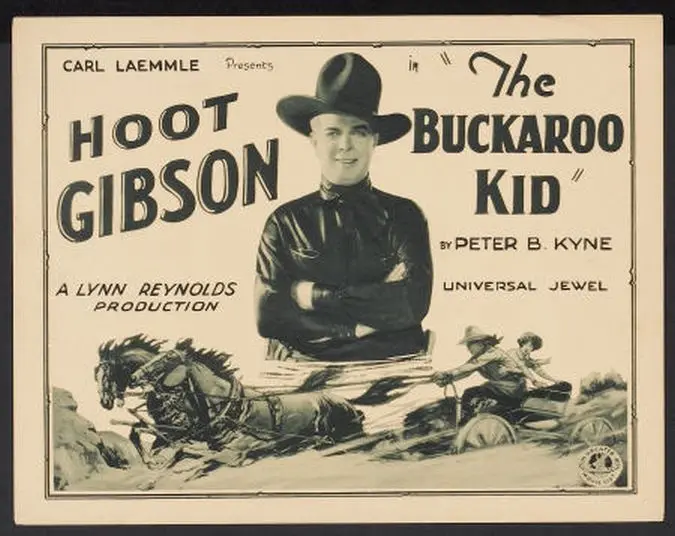
What sets The Buckaroo Kid apart from its contemporaries, such as Pure Grit, is its obsession with the 'loan.' The central conflict isn't a land grab or a bank robbery; it’s a negotiation. Ed Harley wants to leverage his success at Radigan’s ranch to build his own empire. This introduces a layer of class struggle that is often ignored in the genre.
Radigan, played with a gruff traditionalism by Arthur Millett, represents the old guard. He respects Ed’s work but cannot stomach the idea of Ed as an equal—especially not as a son-in-law. This tension creates a more sophisticated narrative than the typical 'good guy vs. bad guy' dynamic. The villain here isn't a man with a black hat; it’s the social ceiling that prevents a worker from rising above his station.
The film treats the ranch as a character itself. We see the transition from decay to prosperity through subtle visual cues. The way the light hits the newly repaired barns and the orderly movement of the herd signals Ed's victory over the elements. It’s a visual representation of the American Dream, albeit one that hits a wall when it encounters Radigan’s pride.
Director Lynn Reynolds, who also co-wrote the script, understands that a Western needs space. The wide shots of the ranch are not just for show; they emphasize the scale of the task Ed Harley has undertaken. Unlike the claustrophobic tension found in Under Western Skies, this film feels airy and expansive.
Reynolds uses title cards sparingly, allowing the actors' expressions to carry the weight of the dialogue. This is particularly effective in the scenes between Gibson and Ethel Shannon. Their chemistry is built on glances and shared smiles rather than grand declarations. It feels more human than the melodramatic romances of the time, such as those in Destiny's Toy.
However, the pacing in the middle section does sag. Reynolds spends perhaps a bit too much time on the minutiae of ranch life. While this adds to the realism, it occasionally slows the narrative momentum to a crawl. A more aggressive edit could have heightened the stakes of Ed’s ultimatum to Radigan.
One unconventional aspect of the film is its lack of traditional 'Western' violence. There are no massive shootouts in the street. Instead, the climax is a battle of wills. It is a bold choice for 1926. It suggests that the real 'wild' part of the West was the unpredictability of human ego, not the lawlessness of the land.
The Buckaroo Kid is unique because it focuses on social mobility and professional competence rather than just physical prowess. While most Westerns of the 1920s focused on the hero's ability to shoot, this film highlights the hero's ability to organize and lead. It presents the cowboy as a proto-entrepreneur, making it a more grounded and intellectually interesting experience than the standard action fare of the era.
The Buckaroo Kid is a charming, if somewhat leisurely, look at the American West through the eyes of its most charismatic star. Hoot Gibson carries the film with a performance that balances humor with a quiet authority. While it doesn't reinvent the wheel, it certainly polishes it. If you can look past the traditional romantic tropes, you’ll find a thoughtful exploration of class and ambition disguised as a simple ranch story. It’s a solid, entertaining piece of cinema that proves you don't always need a gun to win the West.
IMDb 8
1921
Community
Log in to comment.