DbcultAccessing Vault...
Cult Review
Senior Film Conservator
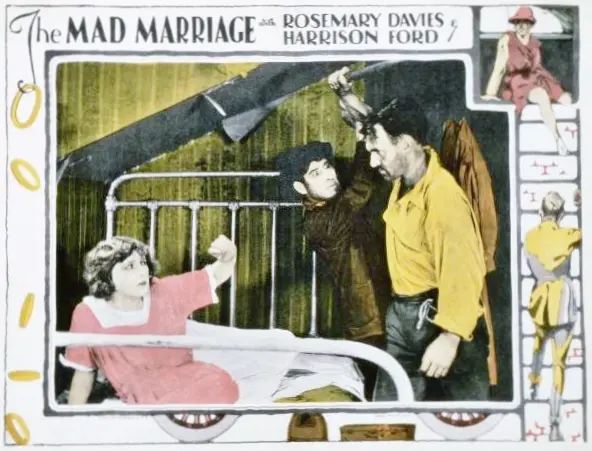
Should you spend your time hunting down a copy of The Mad Marriage in the current digital landscape? Short answer: No, unless you are a dedicated historian of silent cinema or have an obsession with the convoluted domestic dramas of the mid-twenties. It is a film that demands a high tolerance for coincidence and a low threshold for logical character motivations.
This film is for the viewer who enjoys the 'missing person' subgenre and doesn't mind when a plot relies entirely on people failing to ask basic questions. It is absolutely not for anyone looking for a tight, modern narrative or a film that treats its female lead with anything resembling agency.
This film works because it leans heavily into the 'grand coincidence' style of storytelling, providing a series of rapid-fire life changes that keep the viewer from dwelling too long on any single plot hole.
This film fails because the central conflict—Alice believing Walter has abandoned her—is built on such thin ice that the entire middle act feels manufactured rather than organic.
You should watch it if you want to see the silent-era Harrison Ford (not the Indiana Jones star) in a role that highlights the era's specific brand of masculine brooding.
The Mad Marriage is a film that lives and dies by its pacing. In the first twenty minutes, we move from a stormy night at a country cottage to a marriage, a deathbed visit, and a total family collapse. It is breathless. It is also exhausting. The direction by the uncredited filmmaker (though often associated with the production house's house style) focuses on the immediate emotional reaction rather than the long-term logic of the scene.
Take, for instance, the moment Walter seeks shelter. The lighting in the Darvil cottage is effectively dismal, creating a sense of entrapment that makes Alice’s eventual flight with Walter feel earned. However, the film quickly loses this grounded atmosphere as it transitions into the 'Malvern' chapters. Walter’s transformation into a reclusive writer of spiritual consolation is a sharp pivot that the film doesn't quite earn. It feels like a different movie entirely, reminiscent of the tonal shifts seen in La belle Russe.
The performance by Gaston Glass is serviceable, but it lacks the internal depth required to make his transition into a 'hermit-philosopher' believable. He plays the role with the standard wide-eyed earnestness of the period. Conversely, Jean Girardin as Alice has the harder task. She must play innocence, despair, and eventually, the stoicism of a woman who has married twice for reasons other than love. Her performance in the home of Mrs. Leslie is the film's emotional anchor, providing a quiet contrast to the frantic energy of the opening acts.
It is always a point of trivia for modern audiences to see Harrison Ford’s name in a 1925 credit block. This Ford was a leading man of the silent era, known for a rugged but polished presence. In The Mad Marriage, he brings a level of stability to the screen that some of the more theatrical performers, like Paul Panzer, lack. His presence reminds us of the 'steady hand' archetype that was so popular before the advent of the more cynical talkies.
The supporting cast is a who's who of 1920s reliable players. Montagu Love and Maurice Costello provide the necessary gravitas to the older generation roles. Costello, in particular, carries the weight of a former matinee idol, which adds a layer of meta-textual sadness to his scenes. The chemistry between the younger leads, however, is often dampened by the script’s insistence on keeping them apart for the sake of the 'mad' plot. It’s hard to root for a reconciliation when the characters haven’t shared a frame in forty minutes.
The Mad Marriage is worth watching only as a study of 1920s social anxieties regarding marriage, class, and the role of the father. It is a fascinating artifact of a time when the 'accidental near-incest' plot point was considered a high-stakes dramatic device rather than a bizarre writing choice. If you are looking for a cohesive story, look elsewhere. If you are looking for a window into the melodramatic soul of 1925, this is a prime example.
Visually, the film is a product of its time, but that isn't a slight. The use of shadows during the storm sequence is genuinely impressive. It creates a gothic undertone that the rest of the film unfortunately abandons for a more flat, high-key lighting style once the setting moves to the wealthy estates. This shift in visual language mirrors Alice's loss of her 'wild' rural self as she becomes a servant and then a socialite.
The pacing is where the film truly struggles. It feels like a twelve-part serial condensed into a feature-length runtime. We see Alice marry Colonel Anderson, drift apart from him, and see him die all within a sequence that feels like it should have taken half the film. This 'speed-running' of life events makes it difficult for the audience to form a genuine emotional connection to Alice’s plight. We don't see her grieve; we just see her move to the next set piece.
Compare this to The Third Degree, which handles its tension with much more focus. The Mad Marriage wants to be everything at once: a romance, a tragedy, a social commentary, and a spiritual guide. By trying to cover so much ground, it ends up feeling shallow in its most important moments.
One of the most debatable aspects of the film is its treatment of Walter’s identity as 'Malvern.' Why must a man who seeks to provide 'spiritual consolation' do so under a pseudonym? It suggests a deep-seated shame or perhaps a desire to erase his past completely. This is the most interesting psychological thread in the movie, yet the script treats it as a mere plot device to prevent Alice and Mary Jane from finding him sooner.
The film also grapples with the idea of 'The Mad Marriage'—but which marriage does the title refer to? Is it the impulsive union between Alice and Walter? Or the transactional marriage between Alice and the Colonel? Perhaps the 'madness' is the near-marriage between father and daughter. This ambiguity is likely unintentional, but it provides the modern viewer with the most room for analysis. It’s a mess. But it’s an interesting mess.
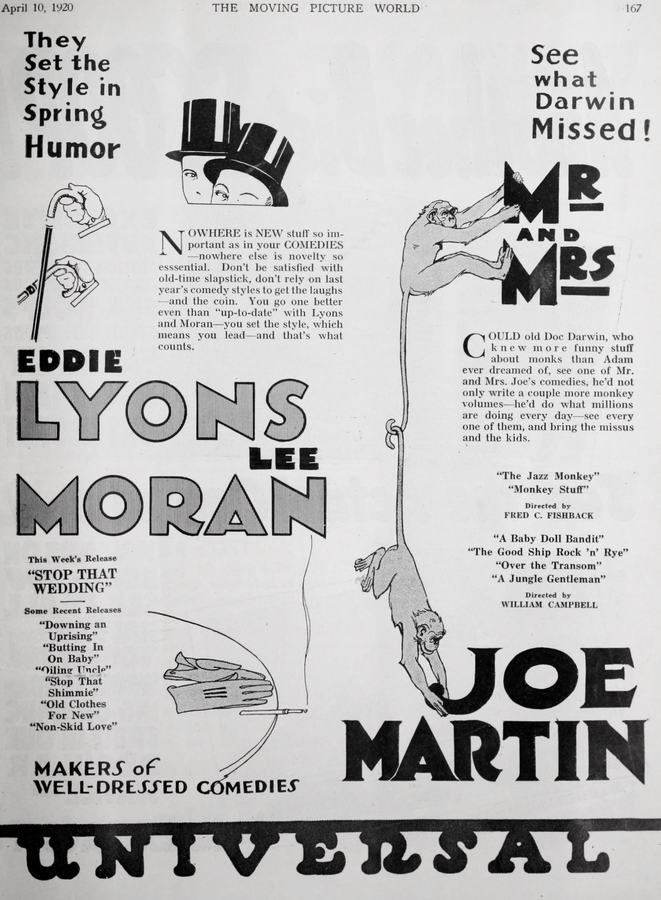
In many ways, the film is a precursor to the modern soap opera. It shares the same DNA as films like Stop That Wedding, where the title itself acts as a promise of high-octane domestic chaos. While it lacks the polish of the era's true greats, it possesses a raw, unhinged energy that is missing from more 'prestige' silent films.
The Mad Marriage is a chaotic, often frustrating example of 1920s melodrama. It is saved from total obscurity by its cast and a few moments of genuine atmospheric brilliance. However, the script’s reliance on the most tired tropes of the era makes it a difficult recommendation for anyone who isn't a silent film enthusiast. It works. But it’s deeply flawed. You’ll remember the absurdity of the plot long after you’ve forgotten the names of the characters.
IMDb 5.4
1926
Community
Log in to comment.