DbcultAccessing Vault...
5.7/10
Senior Film Conservator
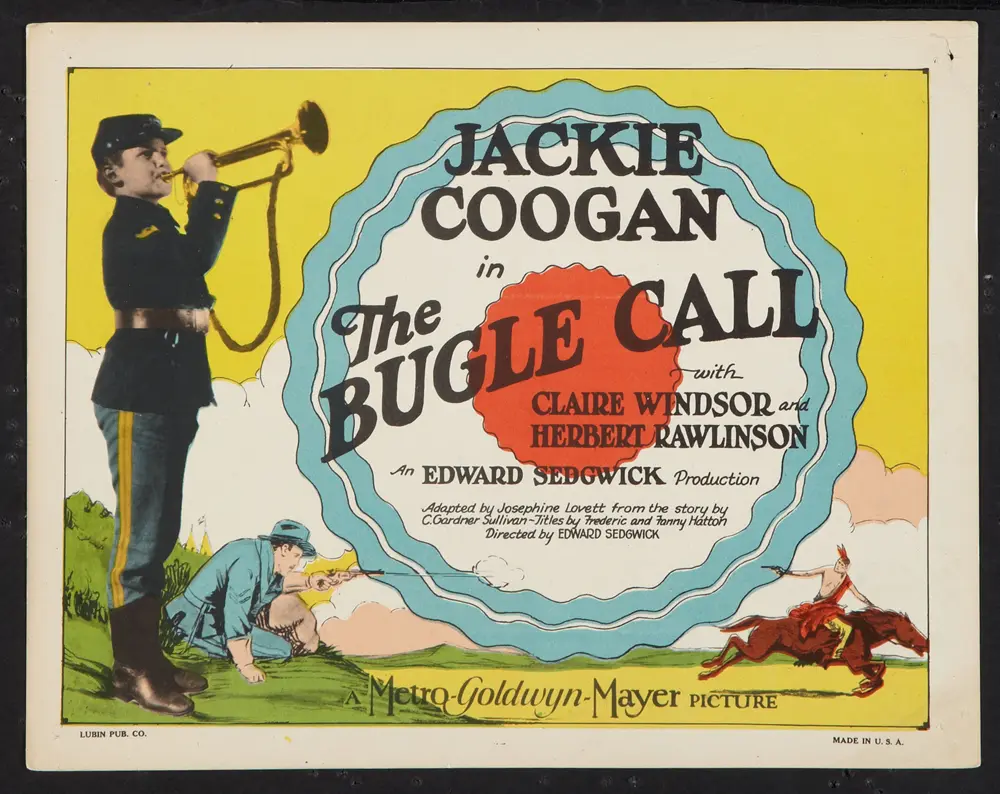
A definitive 5.7/10 rating for a film that redefined the boundaries of cult cinema. The Bugle Call remains a cornerstone of transgressive art.
Is 'The Bugle Call' worth watching today? Short answer: yes, but with significant caveats for the modern viewer. This 1927 silent film is a fascinating historical document, a testament to early cinematic storytelling, and a window into the dramatic conventions of its era, making it a valuable experience for cinephiles and historians.
However, it is decidedly not for those seeking fast-paced narratives, nuanced character development through dialogue, or contemporary aesthetics. This is a film for the patient, the curious, and those willing to engage with cinema on its own historical terms.
Stepping into the world of 'The Bugle Call' is akin to opening a dusty time capsule, a direct portal to 1927, when cinema was still finding its voice. Directed with the earnest conviction typical of the silent era, this film, featuring actors like Herbert Rawlinson and Mary Jane Irving, serves as a poignant reminder of how narratives were constructed and emotions conveyed long before the advent of synchronized sound. It’s a film that demands a different kind of engagement, one built on visual literacy and an appreciation for the theatricality that preceded naturalistic performance.
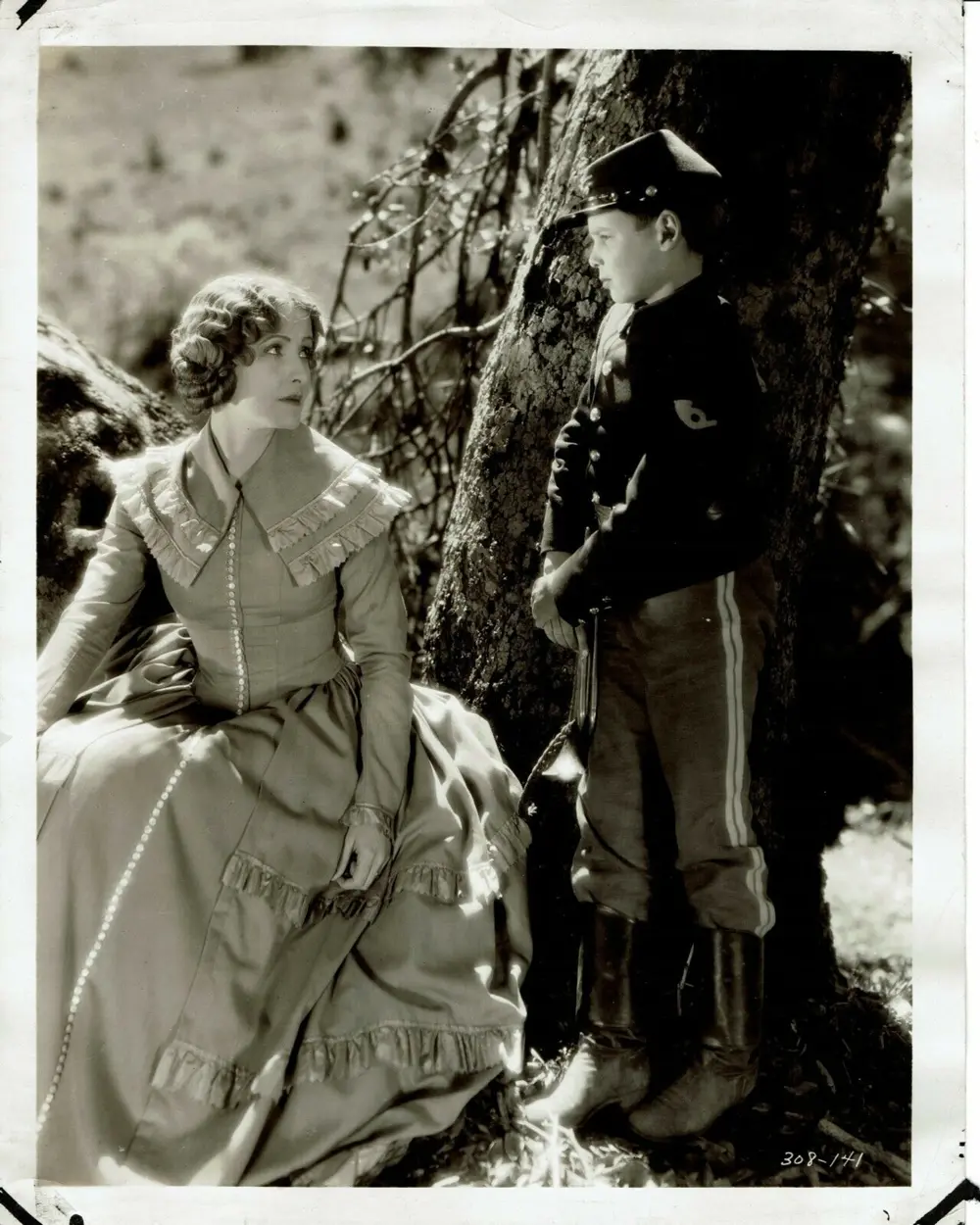
The film's very existence, let alone its narrative, offers a unique critical challenge. Without the benefit of a detailed plot synopsis beyond its title and era, a critic is forced to interpret 'The Bugle Call' through the lens of its contemporaries and the general thematic currents of silent military dramas. What emerges is an appreciation for the craftsmanship, however rudimentary by today’s standards, that went into creating emotional resonance without spoken words.
This film works because of its historical significance and its commitment to a particular style of melodramatic storytelling that was profoundly effective in its time. It provides an invaluable lesson in the evolution of film as an art form, showcasing the raw power of visual narrative.
This film fails because its pacing, heavy reliance on intertitles, and broad acting styles can feel alienating to audiences accustomed to contemporary cinema. The lack of spoken dialogue, while a defining characteristic, is also its biggest hurdle for modern accessibility.
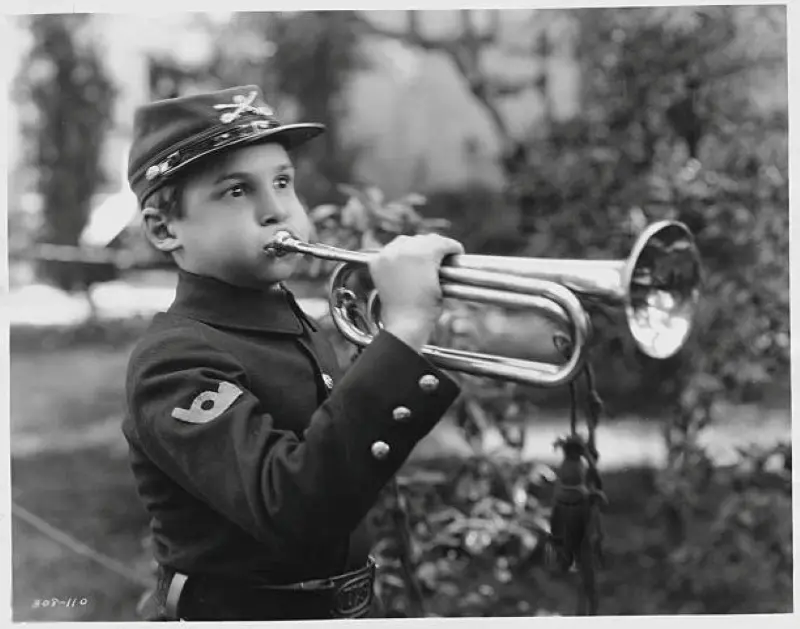
You should watch it if you are a film student, a history buff, or someone genuinely interested in the foundational elements of cinematic expression. It’s an essential piece of the puzzle in understanding the journey of film.
In 'The Bugle Call,' the performances are, by necessity, grand. Herbert Rawlinson, a seasoned actor of the period, likely anchors the drama with a blend of stoicism and overt emotional displays. Silent acting, often caricatured today, was a highly developed art form, relying on exaggerated facial expressions, precise body language, and a careful choreography of movement to communicate inner turmoil or joyous triumph. One can imagine Rawlinson delivering a powerful, wordless monologue through a series of intense gazes and deliberate gestures, perhaps a clenched jaw signifying resolve or a trembling hand betraying vulnerability.
Mary Jane Irving, likely cast in a role requiring innocence or pathos, would have complemented this with a more delicate, perhaps even ethereal, presence. Her performance would have depended on conveying purity or distress through wide eyes and subtle shifts in posture, a common technique for ingénue roles in the 1920s. Think of the emotional transparency required, where every flicker of an eyelash or slight tilt of the head carried immense weight, as seen in performances from stars like Lillian Gish.
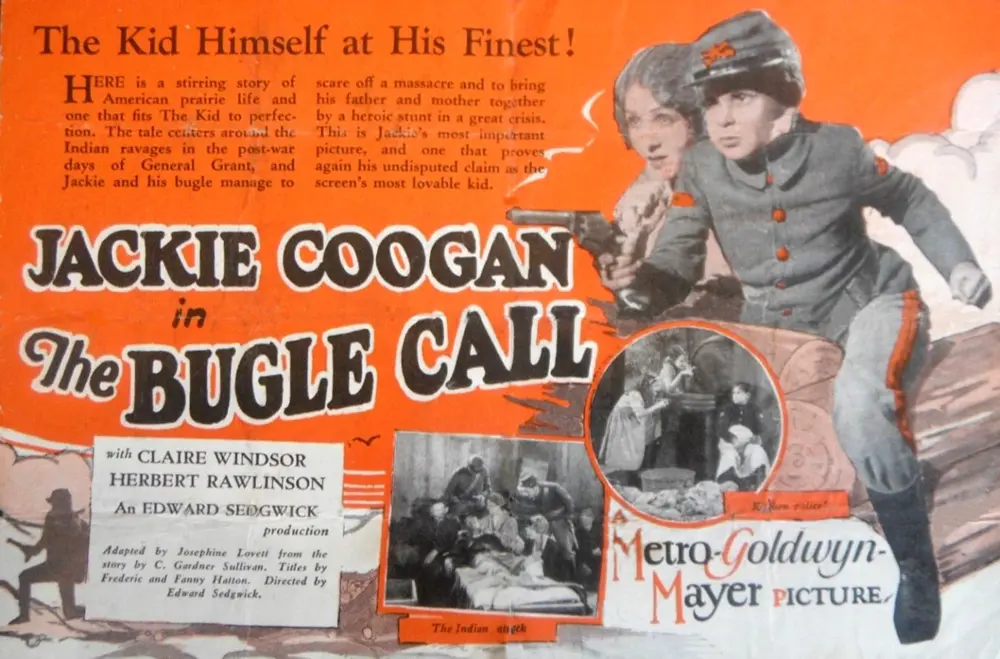
The direction, helmed by a team including Frederic Hatton and C. Gardner Sullivan (as writers, though the director is not specified, their influence on structure would be paramount), would have focused on clear visual storytelling. This meant a heavy reliance on establishing shots, medium shots for interaction, and frequent close-ups to emphasize emotional beats without the need for dialogue. For instance, a scene depicting a soldier's farewell might begin with a wide shot of a bustling military camp, transition to a medium shot of the couple, and culminate in a tight close-up on a tear rolling down Irving's cheek, underscored by a dramatic intertitle. This visual progression was the silent film equivalent of a modern director’s scene blocking and dialogue delivery.
The pacing of 'The Bugle Call,' typical of its era, would have felt deliberate, even slow, to contemporary eyes. Silent films often used extended takes and slower cuts to allow audiences time to process the visual information and read the intertitles. This unhurried rhythm, while challenging for some, also allowed for a deeper absorption of the visual artistry and the emotional undercurrents, fostering a meditative viewing experience that is largely absent in today's rapid-fire editing styles.
Cinematography in 1927, still largely in its infancy, would have nonetheless been artful. 'The Bugle Call' would have utilized the stark contrasts of black and white film to great effect. Lighting, particularly, played a crucial role, with cinematographers employing chiaroscuro techniques to create mood and depth. Imagine a scene set at dawn, the silhouette of a bugler against a brightening sky, or a dimly lit barracks interior where shadows dance, emphasizing the solitude or camaraderie of military life. These visual elements were not mere decoration; they were integral to the narrative, conveying atmosphere and foreshadowing without a spoken word.
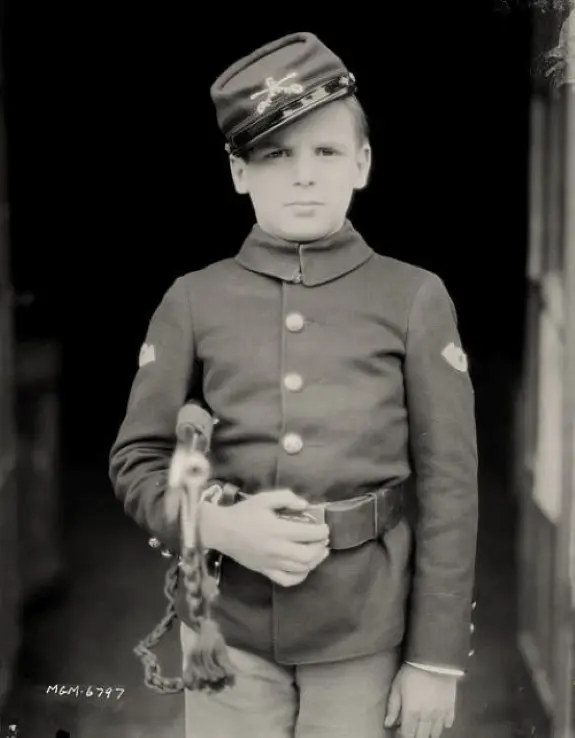
The film's tone would undoubtedly have been steeped in the patriotic and romantic ideals prevalent post-World War I. Military dramas of this period often celebrated heroism, duty, and sacrifice, intertwining them with narratives of love and personal growth. One might expect a tone that oscillates between earnest sentimentality and dramatic tension, punctuated by moments of lightheartedness or profound sadness. The film would likely have aimed to stir the audience's emotions, to evoke a sense of national pride and personal empathy, much like American Methods might have done for its audience.
The use of intertitles, often seen as a hindrance today, was a sophisticated narrative device. Far from simple dialogue cards, they provided exposition, character thoughts, and emotional cues, effectively serving as the film's narrator. A well-crafted intertitle could distill complex emotions into a single, poetic phrase, guiding the audience's interpretation. In 'The Bugle Call,' these intertitles would have been the backbone of its storytelling, demanding careful attention to fully grasp the nuances of the plot and character motivations. They are, in essence, the film's silent voice.
"The true art of silent film lies not in the absence of sound, but in the amplification of every other sensory detail – a visual symphony that speaks directly to the soul."
For the casual moviegoer, 'The Bugle Call' presents a significant challenge. The lack of synchronized sound, the deliberate pacing, and the often-melodramatic acting style can be off-putting. It requires a conscious effort to adjust one's viewing habits and expectations, to meet the film on its own historical terms rather than judging it by contemporary metrics.
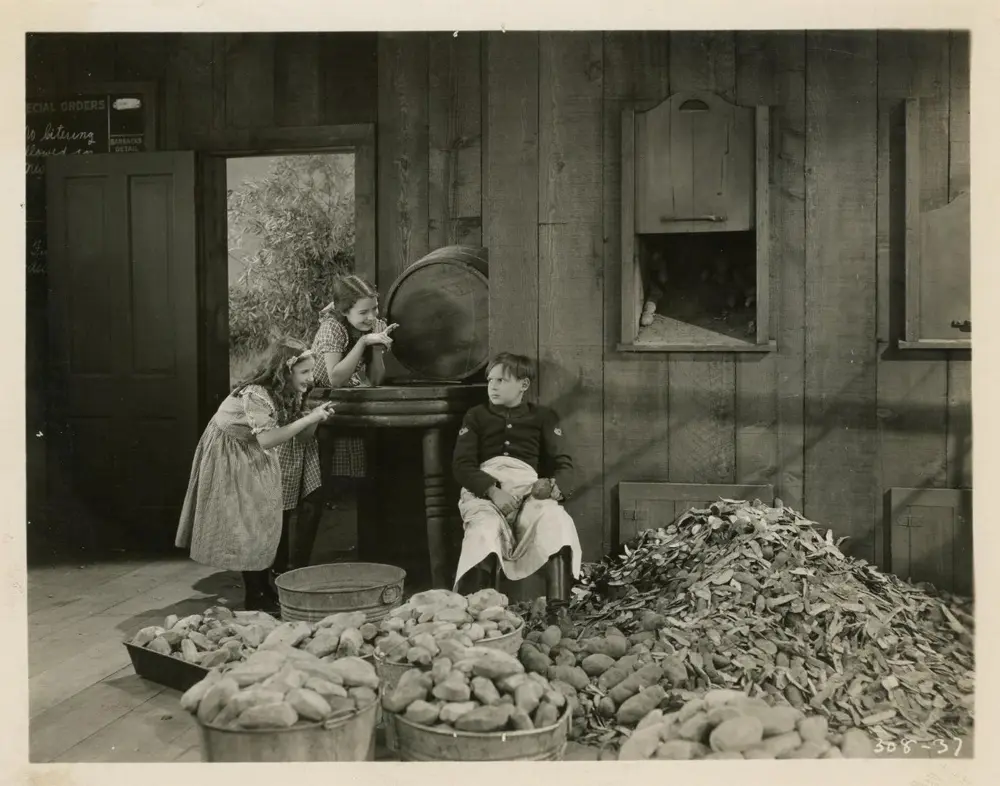
However, for those with an interest in film history, the evolution of storytelling, or the unique artistry of the silent era, 'The Bugle Call' is absolutely worth seeking out. It offers a rare glimpse into the foundational techniques that paved the way for modern cinema. It’s a chance to witness the birth of visual language, to understand how directors and actors communicated complex ideas without a single spoken word.
The film serves as an educational tool, illustrating the power of non-verbal communication and the creative solutions filmmakers devised to engage audiences. It also highlights the cultural values and dramatic sensibilities of the 1920s, offering a historical lens through which to view societal norms and storytelling conventions.
Ultimately, its value lies less in its direct entertainment factor for a broad audience today and more in its profound historical and artistic significance. It works. But it’s flawed. Like many films of its age, it’s a relic that still holds lessons.
‘The Bugle Call’ is more than just a film; it’s a living museum piece, a testament to the ingenuity and passion of early filmmakers. While it may not offer the immediate gratification or sophisticated narrative complexity of modern cinema, its value lies in its historical weight and its unique artistic expression. For those willing to suspend their contemporary expectations and immerse themselves in a different cinematic language, it provides a profoundly rewarding experience. It’s a film that speaks volumes without uttering a single word, echoing the dramatic calls of a time long past.
My stance is clear: this is not a film for everyone, but for its intended audience – those who appreciate the roots of cinema – it is an essential viewing. It challenges us to reconsider what makes a film 'good' and reminds us that storytelling transcends technology. While it might feel like a slow burn compared to the energetic pace of The Love Bug, its quiet dignity and historical significance carve out a niche that few modern films can fill.
It's a film that demands patience but repays it with a deeper understanding of cinematic evolution. Don't go in expecting a thrill ride; go in expecting a lesson in history and art. You might just find yourself captivated by its silent symphony.
IMDb 4
1916
Community
Log in to comment.