DbcultAccessing Vault...
3.1/10
Senior Film Conservator
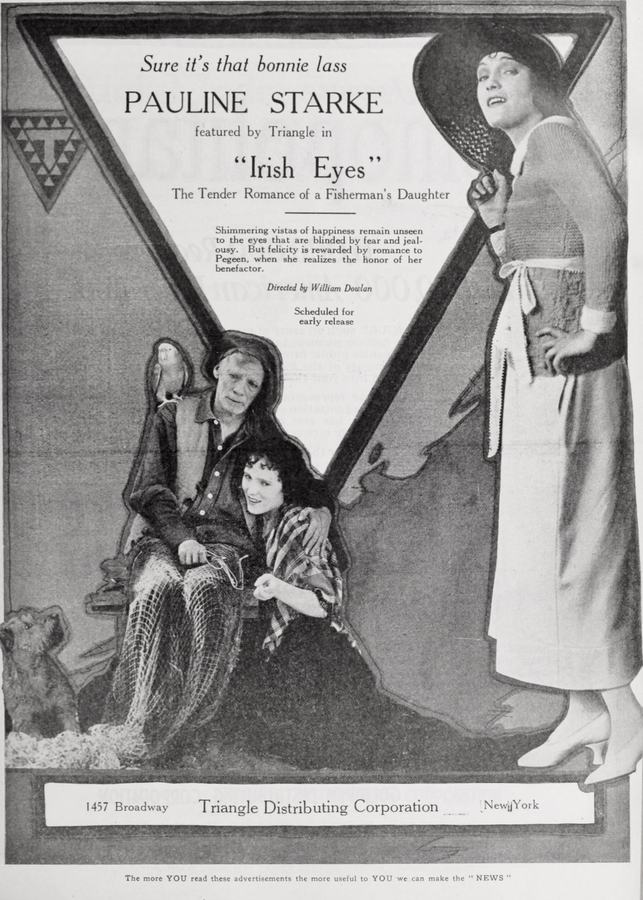
A definitive 3.1/10 rating for a film that redefined the boundaries of cult cinema. Irish Eyes remains a cornerstone of transgressive art.
Stepping back into the annals of early cinema often feels like unearthing a forgotten treasure, and 'Irish Eyes' is precisely that kind of cinematic jewel. Released in an era where storytelling relied solely on the potency of visual narrative and the expressiveness of its players, this film masterfully weaves a tale of innocence, displacement, and the treacherous currents of human nature. It's a poignant reminder of the enduring power of silent film to evoke profound emotion and explore complex societal themes without uttering a single word. The film, penned by the insightful duo Catherine Carr and Daniel Carson Goodman, demonstrates a keen understanding of character psychology, crafting a narrative that resonates far beyond its runtime.
At the heart of 'Irish Eyes' is Pegeen O'Barry, brought to life with striking vulnerability and resilience by Virginia Ware. Her portrayal is a testament to the nuanced acting required in the silent era, conveying a spectrum of emotions through gesture, gaze, and posture. We first encounter Pegeen in a rustic Irish fishing village, a setting painted with the stark realities of poverty, yet imbued with a certain raw, untamed beauty. Her existence is a precarious balance, tethered to a kind but perpetually inebriated father and tormented by the venomous presence of her stepmother, Moll. This initial tableau establishes a world of hardship, where joy is fleeting and sorrow a constant companion. The film doesn't shy away from depicting the harshness of her environment, setting a grounded stage for the dramatic upheaval that is to follow.
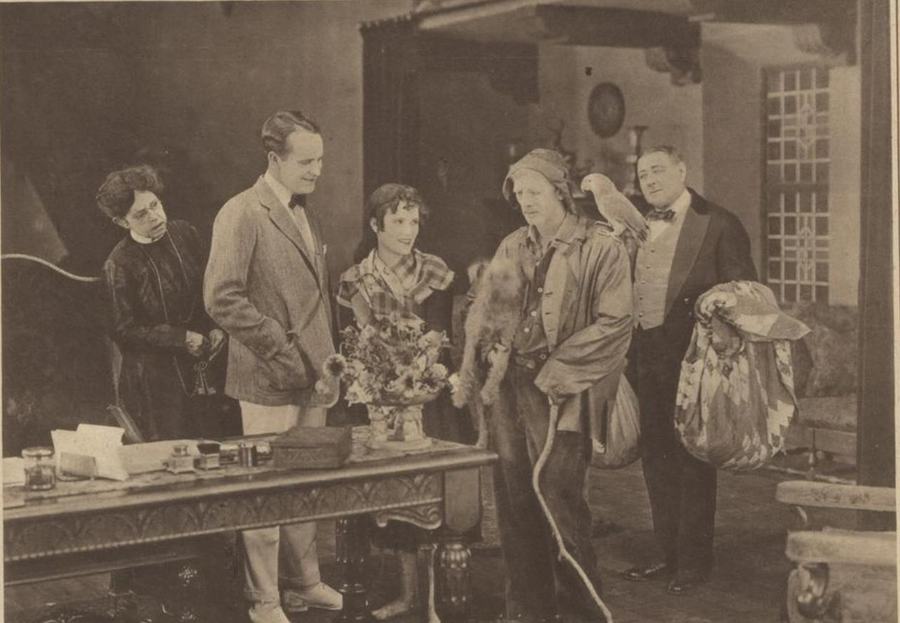
The catalyst for Pegeen's dramatic trajectory arrives swiftly and brutally: her father's untimely death in a drunken brawl. This moment, depicted with a stark realism that belies the sentimentality often associated with the era, plunges Pegeen into an abyss of despair. Ware's performance here is particularly affecting, her grief palpable as she wanders aimlessly to the wild, windswept shore. It is a primal response to loss, a seeking of solace in the vast indifference of nature. This scene, with its powerful visual metaphor of a lone figure against an expansive, tumultuous seascape, speaks volumes about her isolation and vulnerability.
It is at this nadir that fate, in the guise of Sir Arthur Ormsby, intervenes. Played with a benevolent gravitas by Ward Caulfield, Sir Arthur is the quintessential English gentleman, sailing his yacht along the coast, a symbol of privilege and leisure. His gaze falls upon the grieving Pegeen, and in that serendipitous encounter, two vastly different worlds collide. Sir Arthur, perhaps moved by her raw beauty and evident distress, takes a liking to her – a liking that swiftly blossoms into an invitation to his grand estate. This transition, from the squalor of a fishing village to the opulence of an aristocratic manor, is handled with a swiftness that highlights the almost fairy-tale quality of her rescue, yet it also subtly hints at the immense cultural and class chasm Pegeen must now navigate.
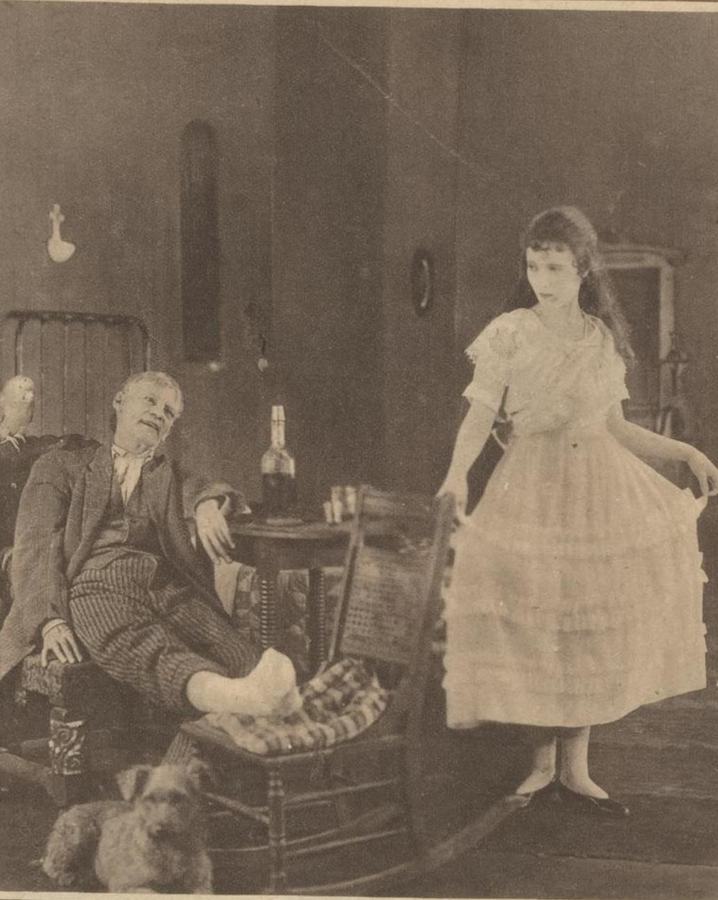
Pegeen's immersion into Sir Arthur's world is initially portrayed as a dream realized. She is clothed in finery, educated, and surrounded by comforts unimaginable in her previous life. The budding romance between her and Sir Arthur is depicted with a tender innocence, a testament to the film's ability to convey affection through unspoken gestures and longing glances. However, the narrative is too sophisticated to allow this idyll to persist untroubled. The arrival of Guy Ormsby, Sir Arthur's wastrel brother, masterfully portrayed by Ray Godfrey, introduces the serpent into this newfound Eden. Godfrey imbues Guy with an insidious charm, a predatory glint in his eye that immediately signals danger. He is the embodiment of aristocratic decadence, a stark contrast to Sir Arthur's noble character and Pegeen's untainted spirit.
Guy's presence serves as a potent narrative device, disrupting the harmonious flow of Pegeen's new life and exposing the vulnerabilities inherent in her position. He represents the darker underbelly of the privileged class, a character type often explored in silent dramas. His motivations are purely self-serving, driven by a desire for power, wealth, or simply to sow discord. This dynamic immediately elevates 'Irish Eyes' beyond a simple rags-to-riches romance, injecting it with elements of psychological drama and social commentary. The film, through Guy's character, subtly questions the benevolence of the upper echelons, suggesting that even within gilded cages, danger lurks.
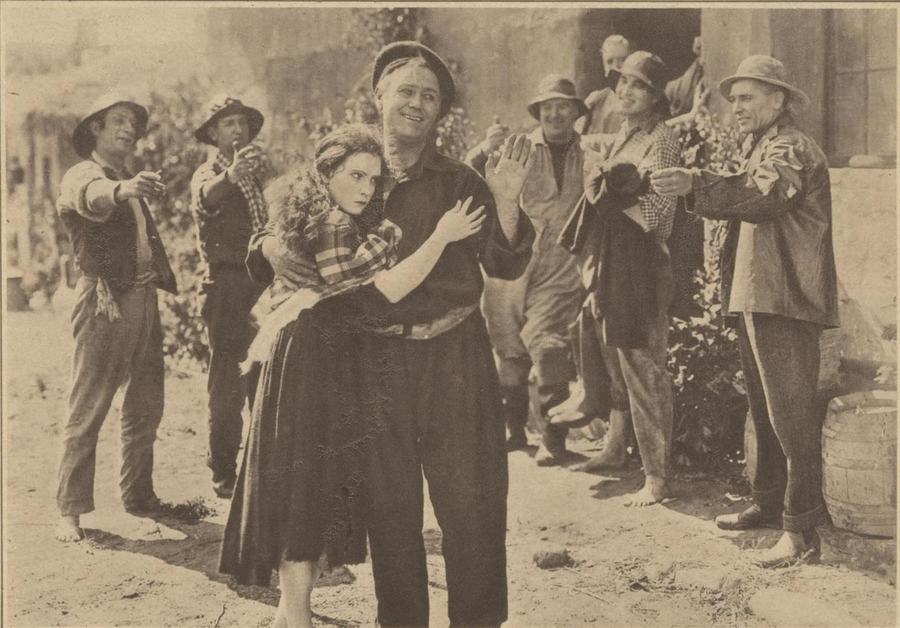
The film excels in its exploration of several enduring themes. The class divide is perhaps the most overt, with Pegeen's journey serving as a powerful lens through which to examine the chasm between the working class and the aristocracy. Her struggle to adapt, her inherent 'Irishness' colliding with English societal norms, provides rich dramatic fodder. This theme is echoed in other films of the era, where the rigid social structures often formed the backbone of compelling narratives. For instance, while different in setting, a film like The Gentleman from Indiana also explores an individual's journey into an unfamiliar social landscape, albeit with a different kind of idealism at its core.
Another pervasive theme is the loss of innocence. Pegeen, initially a pure, unsullied spirit, is forced to confront the harsh realities of betrayal and manipulation. Guy's machinations represent the corrupting influence that wealth and power can wield, a stark contrast to the genuine affection offered by Sir Arthur. This battle between purity and corruption is a timeless narrative, and 'Irish Eyes' handles it with a delicate touch, allowing the audience to witness Pegeen's emotional growth and resilience in the face of adversity. The narrative arc, in some ways, mirrors the dramatic tension found in The False Friend, where betrayal from within a trusted circle drives the central conflict.
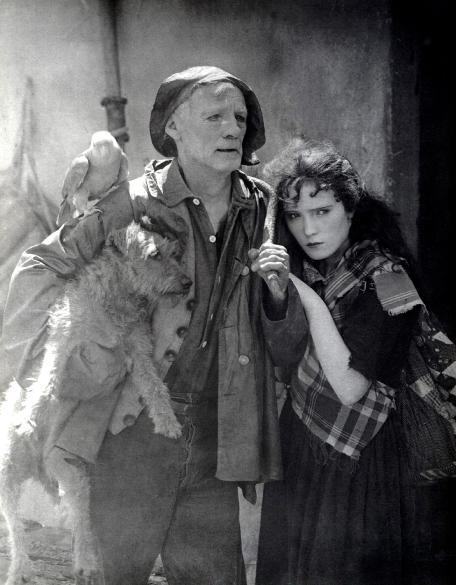
The direction of 'Irish Eyes,' while uncredited in some records, demonstrates a sophisticated understanding of visual storytelling. The use of natural light in the coastal scenes, the opulent yet sometimes claustrophobic interiors of the estate, and the careful framing of characters all contribute to the film's atmospheric depth. Close-ups are employed judiciously to highlight emotional states, drawing the audience into the characters' inner worlds, a technique that was continually refined throughout the silent era. The pacing, too, is a marvel, allowing moments of quiet contemplation to breathe before accelerating into dramatic confrontations. The film's ability to build suspense and convey complex emotional states without dialogue is a testament to the skill of its filmmakers.
Virginia Ware's performance as Pegeen is undoubtedly the cornerstone of 'Irish Eyes.' Her expressive eyes and graceful movements carry the emotional weight of the narrative. She transitions convincingly from a grieving orphan to a woman navigating a world of privilege and peril, maintaining a core of dignity throughout. Ward Caulfield, as Sir Arthur, provides a steady, honorable counterpoint to Guy's villainy. His portrayal of a man genuinely smitten and protective of Pegeen grounds the romantic aspect of the story. Ray Godfrey, as the antagonist Guy, steals scenes with his sneering charisma, making him a truly memorable villain. His presence injects a vital dose of tension, reminding us that not all threats are external; some lurk within the very fabric of one's new sanctuary.
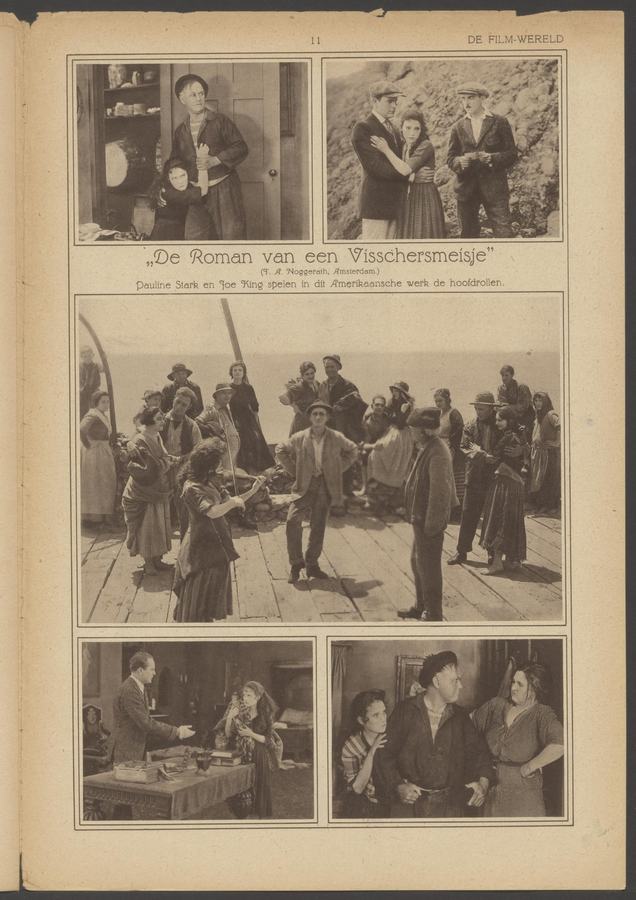
The supporting cast, including Joe King, Eugene Burr, Pauline Starke, and Gus Saville, contribute significantly to the film's rich tapestry. While their roles might be smaller, their presence adds depth and realism to the world Pegeen inhabits. For instance, Pauline Starke, often known for her strong portrayals, likely brings a nuanced performance even in a supporting capacity, adding texture to the social fabric of Sir Arthur's estate. The film effectively uses its ensemble to build a believable environment, from the stoic servants to the judgmental peers, all serving to highlight Pegeen's outsider status and the challenges she faces.
The conflict introduced by Guy's arrival resonates with themes seen in other silent films where moral corruption and the fight for integrity are central. One could draw parallels to the stark choices presented in a film like Gold and the Woman, where a female protagonist often navigates a world of deceit and material temptation, or even the more direct power struggles found in The Boss, although with a different power dynamic. 'Irish Eyes' leverages this universal struggle, making Pegeen's plight both specific to her circumstances and broadly relatable.
'Irish Eyes' stands as a compelling example of early 20th-century cinema's capacity for intricate storytelling and character development. It's a film that, despite its age, feels remarkably current in its exploration of human emotions and societal pressures. The narrative's strength lies in its ability to build empathy for Pegeen, allowing the audience to genuinely root for her survival and happiness against formidable odds. The film's title itself evokes a sense of national identity, and without resorting to stereotypes, it captures the spirit of an Irish lass navigating a foreign, often hostile, environment. This aspect of cultural clash and personal adaptation can be seen in other narratives focusing on individuals transplanted from their familiar settings, much like the thematic undertones one might find in Pierre of the Plains, which often deals with simple folk facing complex challenges.
The writers, Catherine Carr and Daniel Carson Goodman, deserve significant credit for crafting a screenplay that is both engaging and emotionally resonant. Their ability to develop distinct characters and a compelling plot without the aid of spoken dialogue speaks volumes about their talent. They understood the visual language of cinema and how to use it to maximum effect. The narrative structure, with its clear inciting incident, rising action, and eventual climax, is a masterclass in classic storytelling. The tension created by Guy's presence, the gradual unraveling of the initial peace, and the inevitable confrontation are all expertly handled, keeping the audience captivated.
Comparing 'Irish Eyes' to other films of its time reveals its nuanced approach to drama. While some films might have leaned into more melodramatic excesses, 'Irish Eyes' maintains a grounded emotional core. It doesn't shy away from depicting the ugliness of human nature, but it also celebrates resilience and the triumph of spirit. The film's exploration of hidden dangers and deceptive appearances could even be loosely linked to the intrigue of The Dummy, where appearances are not what they seem, or the darker social commentaries found in The Shadows of a Great City, which often exposed the perils lurking beneath urban veneers. The narrative also touches upon the personal 'upheaval' that dramatic changes can bring, making it thematically resonant with films like The Upheaval, where characters grapple with profound shifts in their lives and circumstances.
In conclusion, 'Irish Eyes' is more than just a historical artifact; it's a vibrant, emotionally charged drama that continues to speak to audiences today. It reminds us of the power of cinema to transcend language barriers and connect us through universal human experiences: love, loss, betrayal, and the unyielding hope for a better future. Virginia Ware's Pegeen O'Barry remains a memorable character, a testament to the strength of the human spirit in the face of overwhelming odds. If you have an opportunity to experience this silent classic, do so. It’s a journey worth taking, a window into a bygone era that still shines with relevant truths. It's a film that truly has its own distinctive 'Irish Eyes' on the world, reflecting both its beauty and its inherent dangers.
IMDb —
1920
Community
Log in to comment.