DbcultAccessing Vault...
8/10
Senior Film Conservator
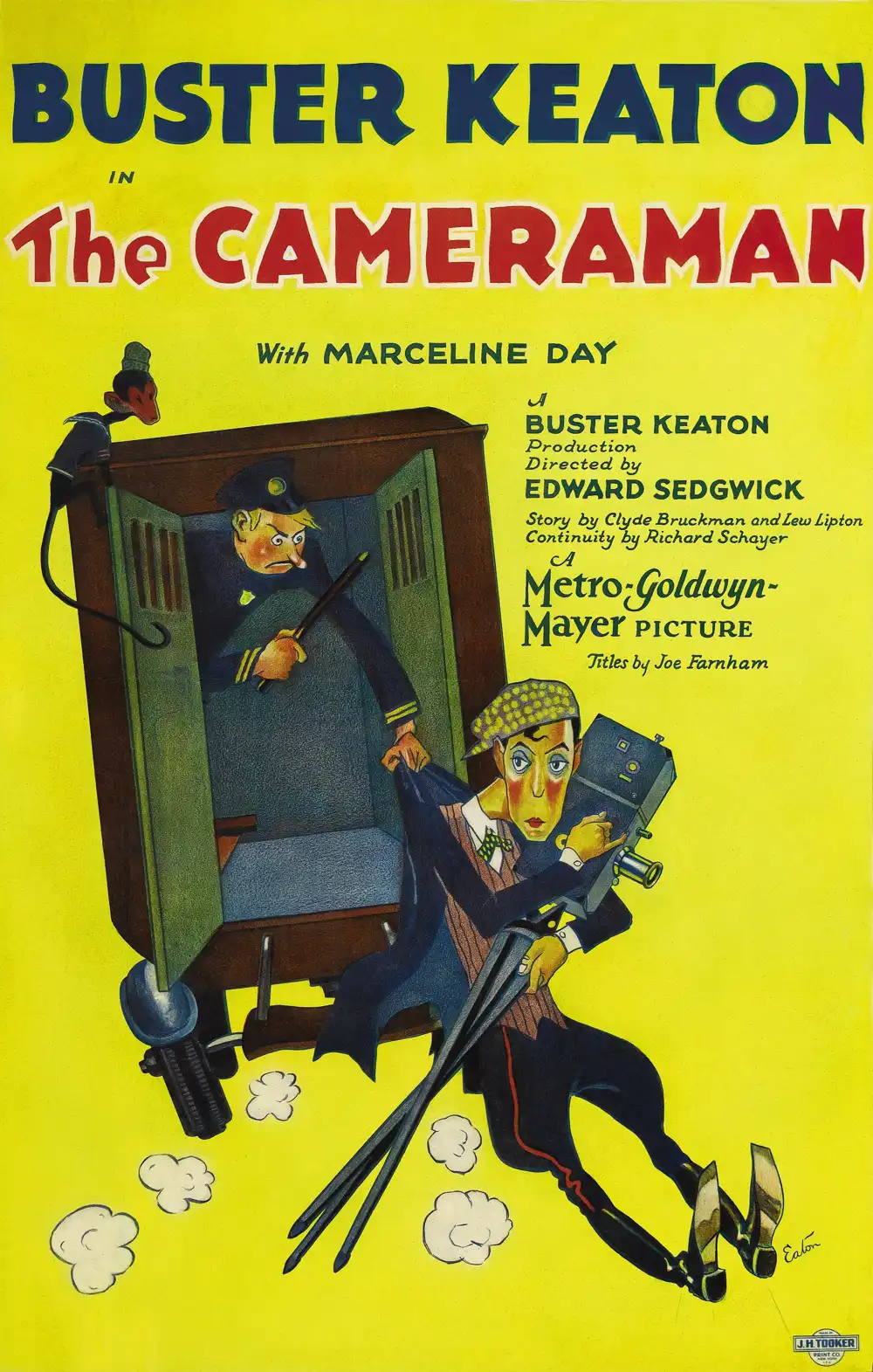
A definitive 8/10 rating for a film that redefined the boundaries of cult cinema. The Cameraman remains a cornerstone of transgressive art.
If you have ever felt like a total failure while trying to impress someone you love, The Cameraman is for you. It is worth watching today not just as a historical artifact, but as a genuinely funny, high-energy comedy that puts most modern physical humor to shame. It’s for anyone who appreciates the craft of 'the gag' and anyone who thinks silent films are just people in makeup waving their arms around. If you can’t stand slapstick or prefer your comedy to be strictly verbal, you might find the extended physical sequences tedious, but you’d be missing out on a masterclass in timing.
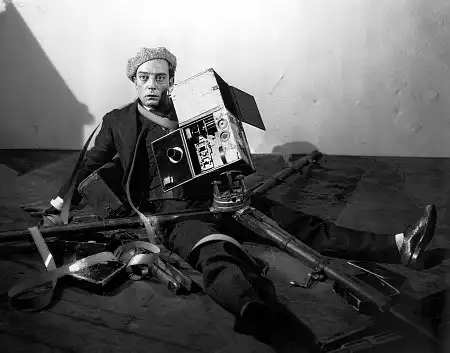
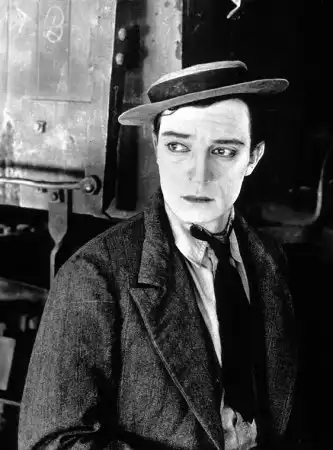
What strikes you immediately about The Cameraman is how Buster Keaton uses space. Unlike many of his contemporaries who stayed centered in the frame, Keaton treats the entire screen like a playground. Look at the early scene where he’s running up and down the stairs of the MGM office. It’s not just about the speed; it’s about the rhythm of his body hitting the landings and the way he barely avoids colliding with the staff. There is a precision here that feels more like choreography than acting.
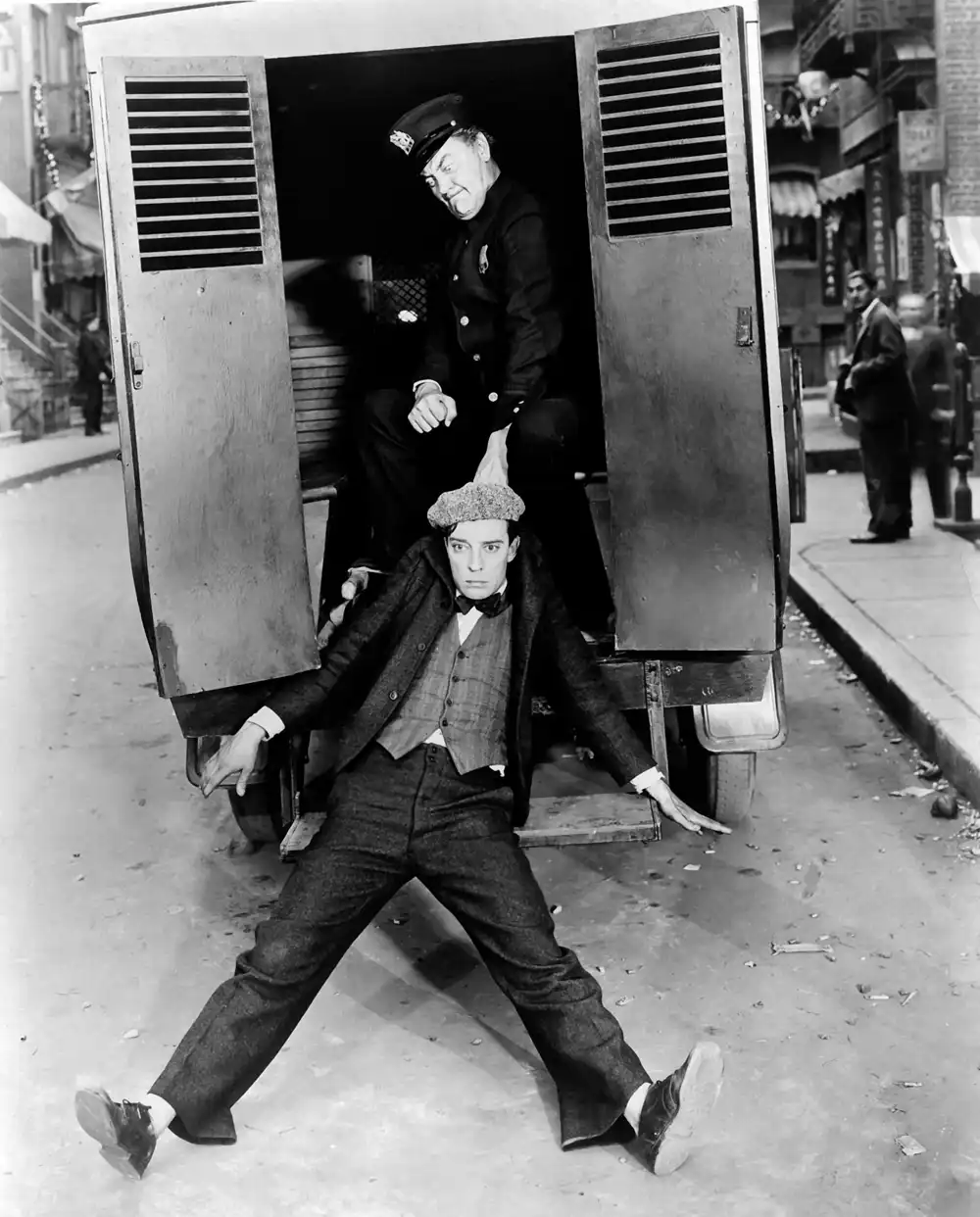
The film’s most famous sequence—the empty Yankee Stadium—is a perfect example of his 'Stone Face' persona working in total isolation. He plays a full game of baseball by himself. There are no fancy edits or CGI tricks. It’s just one man, a vast green field, and a series of invisible teammates. You can see the sweat on his brow and the genuine dirt on his uniform. It’s a quiet, almost melancholic moment that serves as a breather before the chaos of the final act.
If you want to see a scene that defines 'uncomfortable comedy,' look no further than the swimming pool dressing room. Keaton and a massive, barrel-chested man (Edward Brophy) are forced into a tiny, wooden changing stall. The scene is shot from a high angle, looking down into the cramped space. It’s a study in claustrophobia.
The way they tangle limbs, the accidental elbows to the ribs, and the struggle to pull on a swimsuit while another person is trying to do the same is painfully relatable. It’s the kind of physical comedy that relies on physics rather than puns. You can feel the heat and the frustration in that little box. It’s a scene that could have been filmed yesterday and it would still land with the same impact.
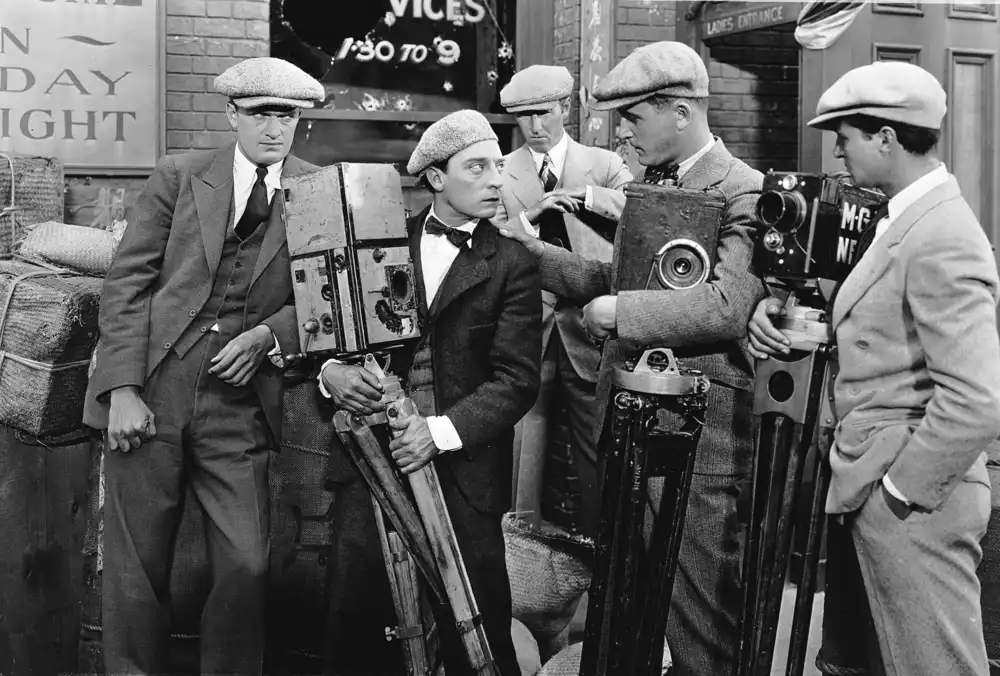
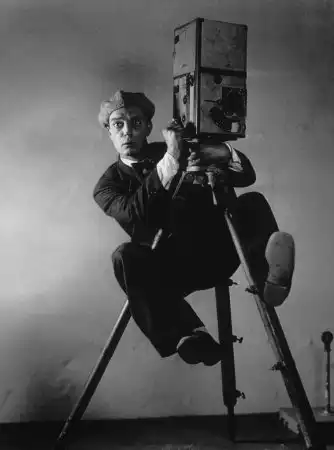
While the film is hilarious, it’s also a surprisingly deep look at the medium of film itself. Buster’s character starts as a terrible cameraman—he double-exposes film, he shoots things out of focus, and he misses the action. There’s a meta-joke when he shows his first 'reel' to the MGM executives; it’s a chaotic mess where battleships seem to sail down Broadway. It looks like an experimental avant-garde film, and the executives hate it.
Then there’s the monkey. Usually, animal sidekicks are a sign that a movie is running out of ideas, but Josephine the monkey is essential here. During the Tong War sequence in Chinatown, the monkey actually ends up 'cranking' the camera when Buster is busy fighting for his life. The joke is that the monkey is a better filmmaker than the human. This sequence is impressively shot, with real-looking crowds and a sense of genuine danger as the riot breaks out. The camera placement during the street fight is remarkably modern, moving with the action rather than just observing it from a distance.
This was Keaton’s first film under his MGM contract, and while it’s a masterpiece, you can see the edges of the 'studio polish' starting to creep in. It’s a bit more sentimental than his earlier independent work like The General. However, because he still had his core creative team—including director Edward Sedgwick and writers like Clyde Bruckman—it still feels like a 'Buster' movie. It lacks the generic, assembly-line feel of comedies like La La Lucille from the same era.
The pacing is nearly perfect. It starts with a slow-burn romance, moves into high-speed physical stunts, and culminates in a high-stakes rescue at sea. The only time the film drags is during a few of the more traditional romantic beats between Buster and Sally (Marceline Day). Day is charming, but her role is mostly to look concerned or impressed, which was standard for the time but feels a bit flat compared to the kinetic energy of the rest of the film.
The Cameraman is a reminder of what is lost when movies rely too heavily on dialogue. It tells a complete, emotionally resonant story through movement and facial expressions. The final scene, where Buster finally gets his parade, is one of the most earned 'happy endings' in cinema history. He doesn't win because he's a hero; he wins because he was persistent enough to keep cranking the handle even when the world was falling apart around him. It is a brilliant, funny, and technically impressive film that remains the gold standard for visual comedy.
IMDb 6.1
1930
Community
Log in to comment.