DbcultAccessing Vault...
Cult Review
Senior Film Conservator
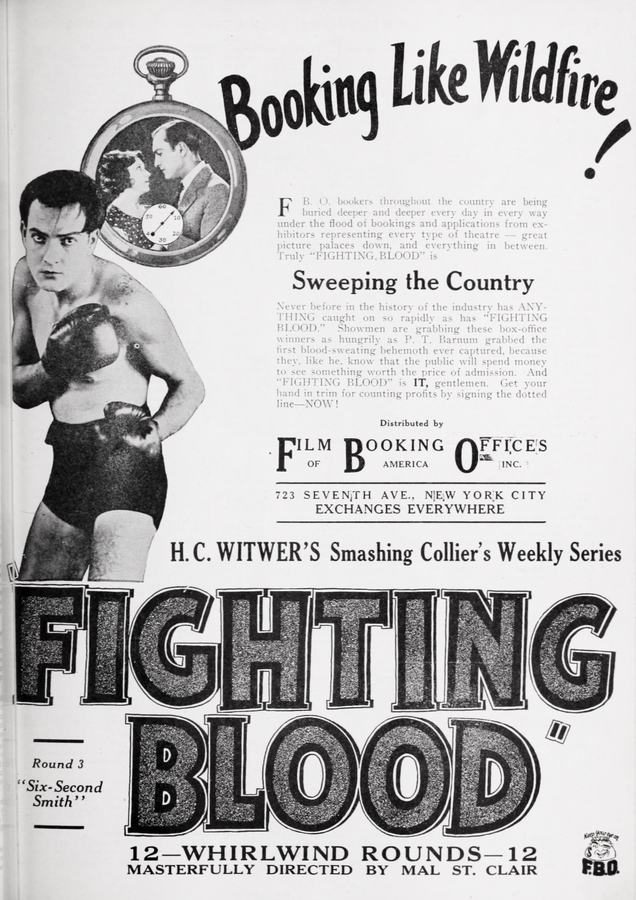
The cinematic landscape of 1924 was a period of frantic evolution, a time when the medium was shedding its theatrical chrysalis to embrace a more kinetic, visceral visual language. In the midst of this transformation, Six Second Smith stands as a testament to the burgeoning power of the sports drama. Directed by the astute Malcolm St. Clair and penned by a collective of luminaries including a young, hungry Darryl F. Zanuck, this film captures the raw, unadulterated essence of the prize ring. Unlike the more melodramatic explorations of the era, such as The House of Silence, this picture prioritizes the physical reality of the punch and the psychological toll of the countdown.
The narrative architecture of the film is deceptively simple, yet it carries a weight that belies its short-form origins. Gale Galen, portrayed with a mixture of wide-eyed vulnerability and steely resolve by Kit Guard, is a character who embodies the American obsession with the underdog. His transition from an amateur to a professional fighter is not merely a career move; it is a rite of passage into a world of legalized violence and high-stakes gambling. When he is matched against a former light-heavyweight champion, the film shifts from a character study into a high-tension thriller. The stakes are palpable, and the cinematography captures the claustrophobia of the ring with a dexterity that was ahead of its time.
One cannot discuss Six Second Smith without acknowledging the fingerprints of Darryl F. Zanuck. Even at this early stage in his career, Zanuck displayed a preternatural understanding of pacing and conflict. The screenplay, co-written with Beatrice Van and H.C. Witwer, avoids the static exposition that plagued many contemporary productions like Boots. Instead, the dialogue (rendered through intertitles) is punchy, cynical, and grounded in the vernacular of the gymnasiums and smoke-filled arenas of the early 20th century. This linguistic authenticity provides a sturdy foundation for the visual pyrotechnics that follow.
The collaboration with Malcolm St. Clair is particularly noteworthy. St. Clair’s direction is characterized by a fluid camera that refuses to remain a passive observer. During the climactic fight, the camera angles are chosen to emphasize the disparity in size and experience between Galen and his formidable adversary. This creates a sense of vertigo for the viewer, mirroring the protagonist's own disorientation. It is a far cry from the more static compositions found in The Girl in Number 29, showcasing a director who understood that movement is the soul of cinema.
Kit Guard’s performance as Gale Galen is a masterclass in silent screen acting. In an era where many actors relied on broad, pantomimic gestures, Guard opts for a more internal approach. His eyes convey the terror of a man facing a legend, while his physical posture suggests a resilience that refuses to be extinguished. This nuance is mirrored in Clara Horton’s performance, which provides the emotional anchor for the film. Her role is not merely that of a decorative love interest; she represents the world outside the ring—the life that Galen is fighting to build. Their chemistry provides a necessary counterpoint to the brutality of the boxing sequences, much like the emotional resonance found in Sweet Alyssum.
The supporting cast, featuring veterans like William Courtright and Al Cooke, adds layers of texture to the film’s universe. Courtright, in particular, brings a weathered gravitas to his role, serving as a bridge between the old world and the new. The inclusion of Leach Cross, a real-life boxer, lends the production a sense of verisimilitude that few sports films of the period could claim. This commitment to realism is what separates Six Second Smith from more fantastical offerings like The Son of a Sheik. Here, the sweat is real, the bruises are earned, and the danger is ever-present.
Visually, the film is a triumph of lighting and shadow. The boxing arena is depicted as a cathedral of light surrounded by an ocean of darkness. This use of chiaroscuro heightens the drama, turning the ring into a stage where life and death struggles are played out for the amusement of the masses. The editing, too, is remarkably modern. The rhythmic cutting during the sparring sessions and the final bout creates a sense of tempo that was quite revolutionary for 1924. It lacks the pastoral serenity of The Legend of Provence, opting instead for a jagged, percussive energy that mirrors the heartbeat of its protagonist.
The film also grapples with the morality of the sport. It does not shy away from the corruption that often lurks in the shadows of the boxing world. There is a sense of impending doom that hangs over Galen’s debut, a feeling that he is being fed to the lions for the sake of a promoter’s profit. This thematic darkness aligns the film with the grittier dramas of the time, such as Desperate Trails, where the hero must navigate a world that is inherently hostile to his survival. The 'six-second' moniker itself becomes a haunting refrain—a reminder of how quickly a life's work can be undone by a single lapse in concentration.
As part of the 'Fighting Blood' series, Six Second Smith was instrumental in codifying the tropes of the boxing movie. From the training montages to the climactic 'come from behind' victory, the DNA of modern classics like Rocky can be traced back to these early shorts. However, it would be a mistake to view this film merely as a historical curiosity. It possesses a vitality and a sense of urgency that many contemporary films lack. The struggle of Gale Galen is universal; it is the struggle of any individual trying to prove their worth in a world that has already decided their fate.
In comparison to other films of the decade, such as the socially conscious Children Not Wanted or the maritime drama Hearts of Oak, Six Second Smith feels remarkably focused. It knows exactly what it wants to achieve and executes its mission with surgical precision. There is no wasted motion, no unnecessary subplot to distract from the central conflict. It is a lean, mean cinematic machine that hits with the force of a heavyweight punch.
Ultimately, Six Second Smith is more than just a movie about boxing; it is a meditation on the human spirit's capacity for endurance. It reminds us that while the fight may be won or lost in a matter of seconds, the preparation for those seconds takes a lifetime of courage. In the annals of silent cinema, it remains a knockout performance that deserves to be rediscovered by a new generation of cinephiles. Whether you are a fan of the sweet science or simply a lover of well-crafted narrative, this film offers a compelling glimpse into the heart of a champion. It stands tall alongside other international works of the era like Le destin est maître or the Danish classic Fattigdrengen, proving that the language of struggle is truly global.
IMDb 5.1
1918
Community
Log in to comment.