DbcultAccessing Vault...
6.5/10
Senior Film Conservator
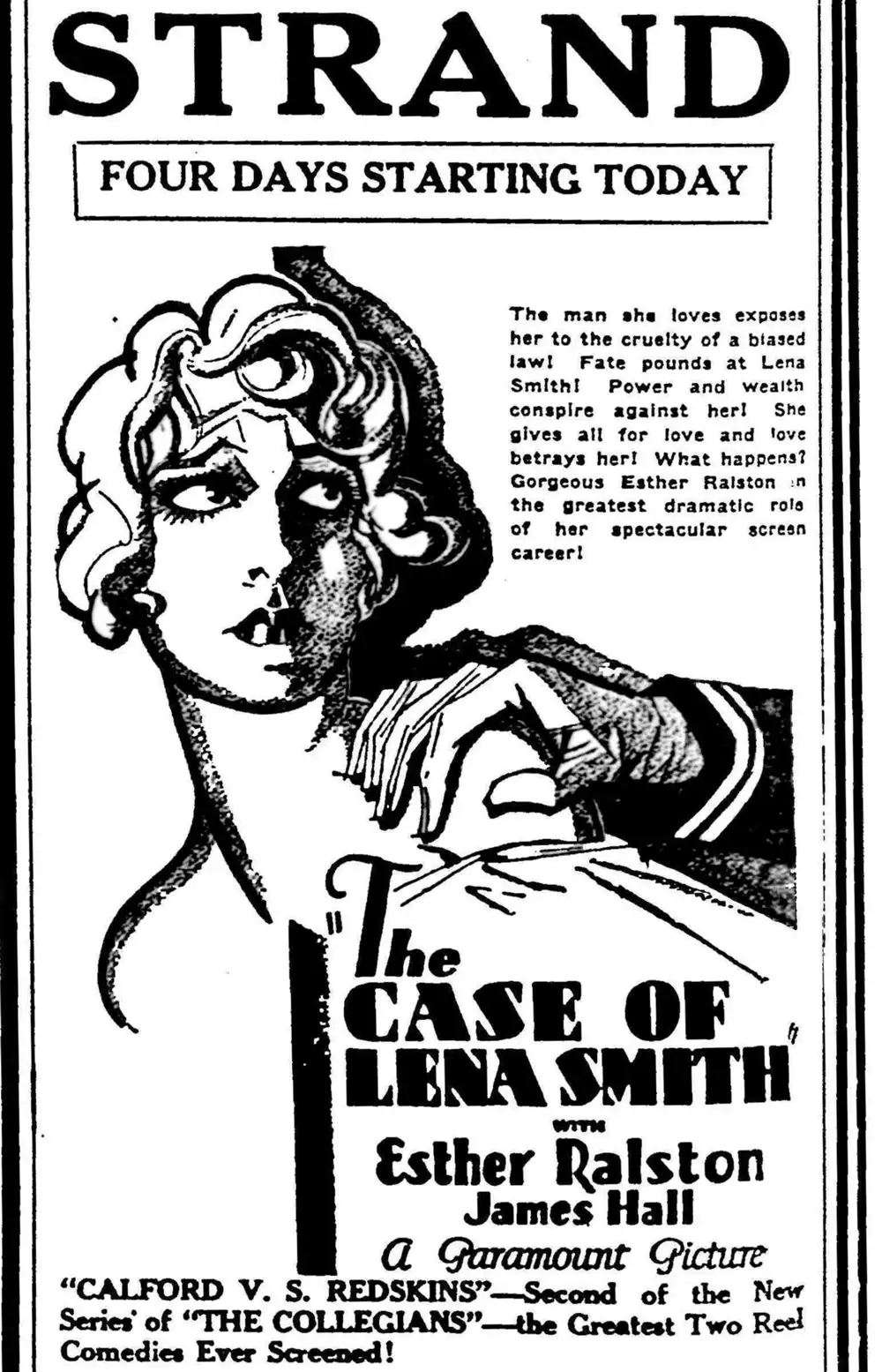
A definitive 6.5/10 rating for a film that redefined the boundaries of cult cinema. The Case of Lena Smith remains a cornerstone of transgressive art.
So, The Case of Lena Smith from way back in 1929. If you’re into silent films, especially those intense melodramas where someone really goes through it, then yeah, this is probably worth digging up. It’s got that raw, dramatic punch these old movies could deliver. But if you're expecting snappy dialogue or anything resembling modern pacing, you might find it a bit of a slog. It’s definitely for those who appreciate the historical weight, the grand gestures, and the sheer audacity of some of these early narratives. Expect to feel things, deeply. 😭
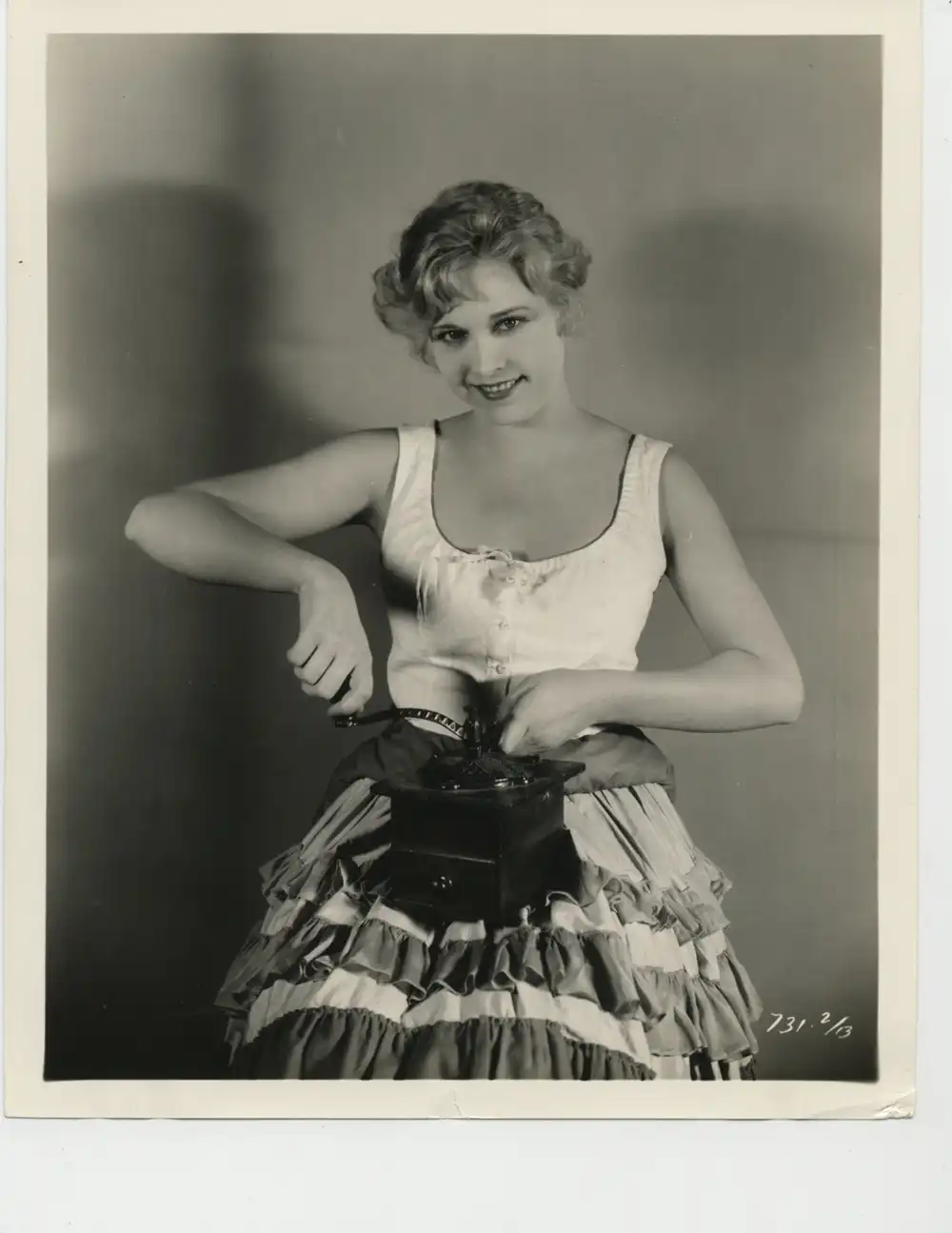
Lena, played by Esther Ralston, is this innocent Hungarian peasant girl, right? And from the jump, you just know things are gonna go bad for her. She falls for a cavalry officer, Franz, who is just a complete cad. The film doesn't waste time painting him as anything else. 😩
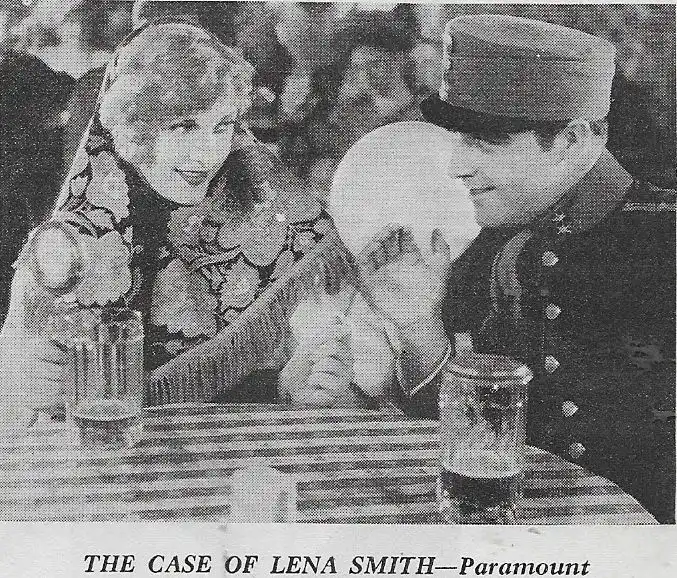
The whole setup feels very much like a morality play. Lena gets pregnant, and then she ends up working in Franz’s own home as a servant, trying to keep her secret from his stern, unsympathetic father. That whole dynamic, her serving the very people who caused her pain, felt particularly squirmy. You can almost taste the injustice.
There's this moment when she’s trying to hide the baby, and the fear in her eyes is just… palpable. You see the stress etched on her face. It’s not just a plot point; it’s right there, a heavy weight. The film really hammers home how utterly trapped she is in her situation. The way the shadows play across her face in those scenes felt deliberate, amplifying her despair.
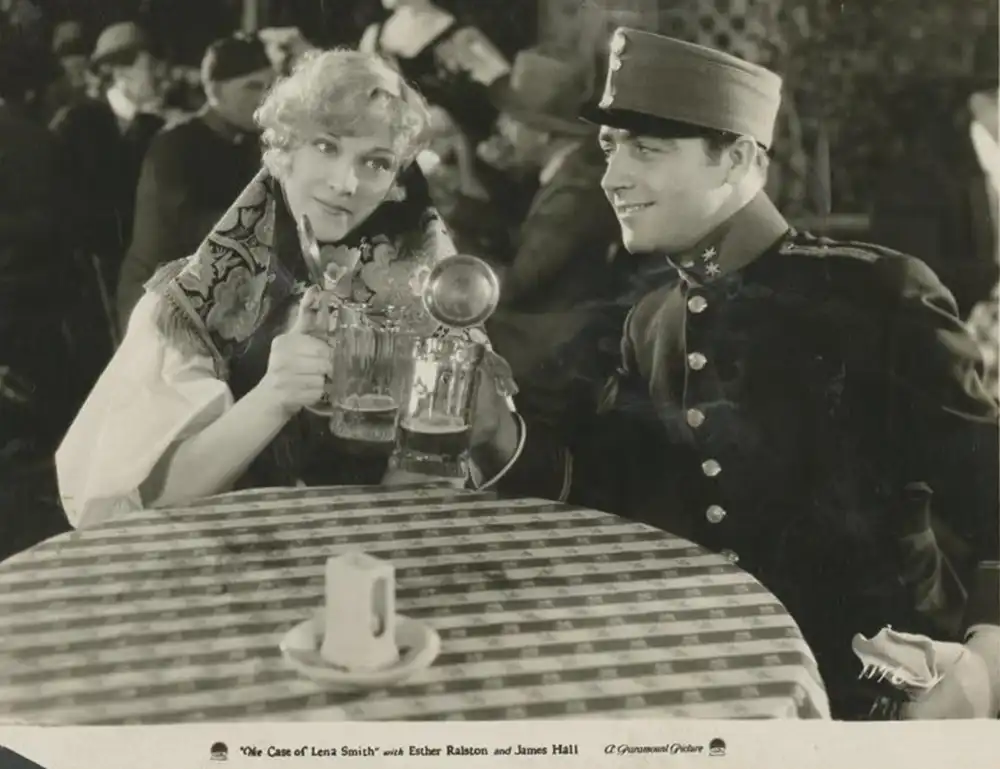
And Franz? Oh man. He’s back to his old ways, being all fancy and neglectful. You can almost feel the movie trying to make you hate him more with every scene he's in. His father, too, is a piece of work. Just utterly cold, every gesture designed to convey disapproval. He’s got this one sneer that really sticks with you. 😠
Then the baby gets taken from her. The first time, it’s a gut punch. You see her desperation, a silent scream. The camera lingers on her for what feels like an eternity, and it just makes you feel every bit of her profound loss. 💔 It’s a classic melodrama move, but effective.
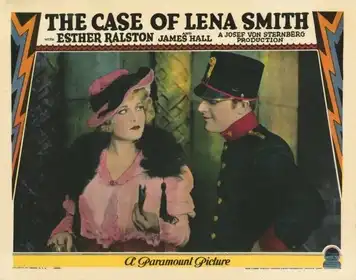
The story jumps forward a bit, and then World War I hits. And wouldn't you know it, that war manages to separate her from her child again. It’s a relentless series of misfortunes for Lena. You start to wonder how much one person can take before they just… break. The movie piles it on, and then some.
There are these scenes of her in prison, and the way they light those cells… it’s stark. It’s not just about her being locked up, but about the isolation and the shame that comes with it. The film really wants you to feel that heavy, oppressive atmosphere. The guards look particularly grim, too, just adding to the bleakness.
One scene, I remember, she's walking through a crowd, and people are just staring at her. The judgment just hangs in the air, thick and palpable. It’s not subtle, this point, but it works for the period, really emphasizing her outcast status. It was a long shot, too, letting you feel the weight of all those eyes.
You’ve got to hand it to Esther Ralston, she carries the entire film. Her performance is really what makes you stick with Lena through all this suffering. Without her, it would just be a series of unfortunate events, but she brings a quiet strength, a kind of stubborn resilience, to it. Her eyes often do most of the talking, and they tell quite a story. She really sells the emotional rollercoaster.
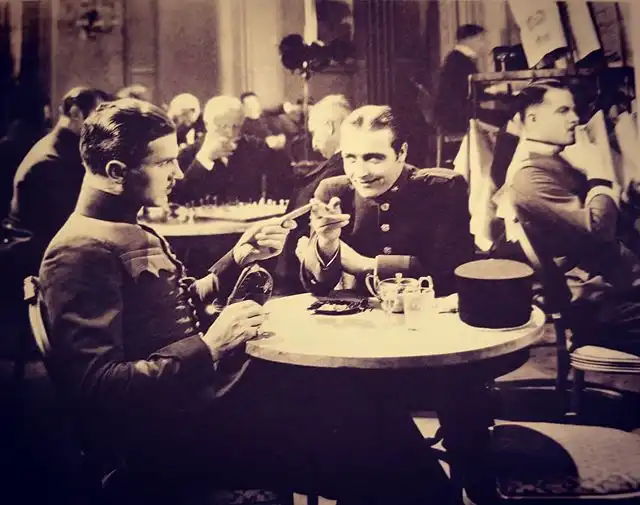
The cinematography, for a silent film, is pretty solid. Vienna looks suitably grand and then later, quite desolate and war-torn. The contrast between the opulent homes of the wealthy and Lena’s struggles in the grimy streets is well-drawn. It helps set the mood, for sure. The set designers did a good job making the poverty feel real, not just stagey.
Some of the supporting performances, well, they are exactly what you'd expect from a silent era villain or a stern father figure. A lot of gesturing, a lot of intense glares. Gustav von Seyffertitz as the father, he’s very good at being awful. You love to hate him. Or just hate him, really. He really leans into the 'bad guy' bit.
The movie really pushes the boundaries of how much anguish one character can endure. It's almost too much at times. You want to yell at the screen for Lena to just catch a break! But that's the point, isn't it? To make you feel that injustice, that overwhelming unfairness. You’re meant to feel uncomfortable.
There’s a small moment, I think it was when she was trying to get a job, and the way the landlady eyed her up and down. Just a quick shot, but it tells you everything about the societal contempt she faced. The small details like that really resonate. It’s a blink-and-you-miss-it thing, but it added to the whole picture.
The ending, without giving anything away, it’s… well, it
IMDb —
1929
Community
Log in to comment.