DbcultAccessing Vault...
Cult Review
Senior Film Conservator
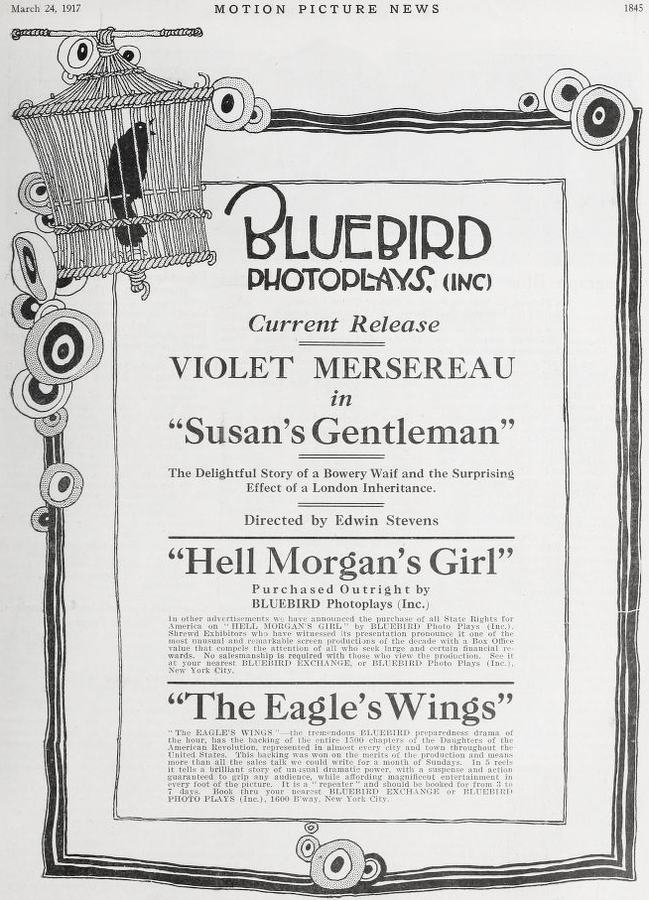
The silent era, a period often romanticized and sometimes unfairly dismissed, produced a rich tapestry of narratives that explored the human condition with an earnestness that still resonates today. Among these cinematic gems, Susan's Gentleman, a 1917 offering from the prolific minds of John C. Brownell and Kate Jordan, stands as a fascinating artifact, a melodrama steeped in the compelling allure of class mobility, family secrets, and the unwavering spirit of a young woman determined to forge her own destiny. Starring the luminous Violet Mersereau, this film invites us into a world where the chasm between the gritty realism of New York's underbelly and the stately grandeur of English aristocracy feels both insurmountable and, remarkably, traversable.
At the heart of this compelling narrative is Susan Flynn, brought to life with a captivating blend of vulnerability and fierce resolve by Violet Mersereau. Born into the stark realities of New York’s slums, Susan is a character who immediately commands empathy, her early life a canvas painted with the harsh strokes of poverty and societal neglect. Yet, within her, there flickers a spark of something more, an innate refinement that hints at a lineage far removed from her immediate surroundings. Mersereau’s portrayal is a masterclass in silent film acting, conveying volumes with a glance, a subtle shift in posture, or the delicate tremor of a hand. She eschews overt theatrics, opting instead for a nuanced performance that allows the audience to truly connect with Susan’s internal struggles and burgeoning hopes. This depth of character is crucial, for Susan’s journey is not merely a geographical one; it is a profound search for identity, a yearning to understand the origins of the quiet dignity she possesses despite her impoverished upbringing.
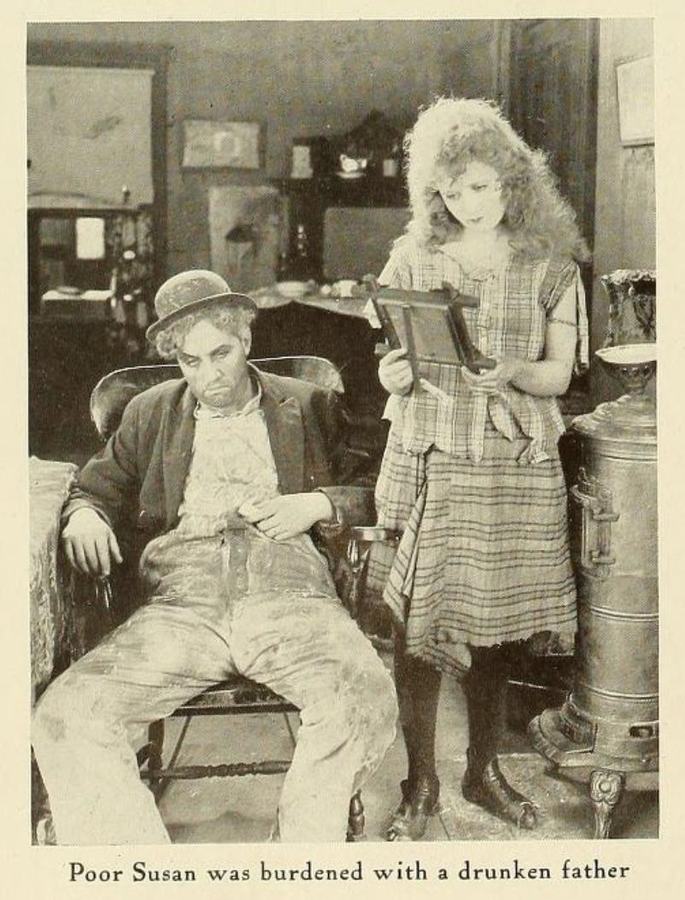
Her decision to abandon the familiar squalor of New York for the uncharted territories of England is an act of audacious courage. It’s a leap of faith into the unknown, driven by the tantalizing possibility of a forgotten aristocratic heritage. This transatlantic quest immediately sets the stage for a classic fish-out-of-water scenario, yet the film handles it with surprising grace. Susan is not merely a wide-eyed ingenue overwhelmed by opulence; she is a keen observer, learning the unspoken rules of a new society with an adaptability born of necessity. Her intelligence and innate charm become her most potent weapons in a world where birthright often trumps merit. Mersereau’s performance here is particularly noteworthy, as she navigates the delicate balance between maintaining Susan’s humble origins and allowing her inherent aristocratic bearing to subtly emerge. It’s a testament to the power of the human spirit, suggesting that true nobility is not solely a matter of lineage, but of character.
Upon her arrival in England, Susan finds herself embroiled in a complex web of familial intrigue and social stratification. The film effectively contrasts the raw, unvarnished existence she left behind with the polished, yet often hypocritical, façade of the English upper crust. The visual language employed by the filmmakers is particularly adept at highlighting these disparities. Shots of bustling, grimy American streets give way to sweeping vistas of grand country estates and meticulously manicured gardens, underscoring the stark differences in Susan’s two worlds. The supporting cast, featuring seasoned performers like James O'Neill and Edwin Stevens, populate this aristocratic landscape with characters ranging from the genuinely benevolent to the subtly malevolent. James O'Neill, in particular, imbues the role of Susan's estranged grandfather with a gravitas and quiet dignity that makes his eventual recognition of Susan all the more impactful. His initial skepticism, slowly eroded by Susan's unwavering spirit and undeniable resemblance to his lost family, forms the emotional bedrock of the film's climactic moments.
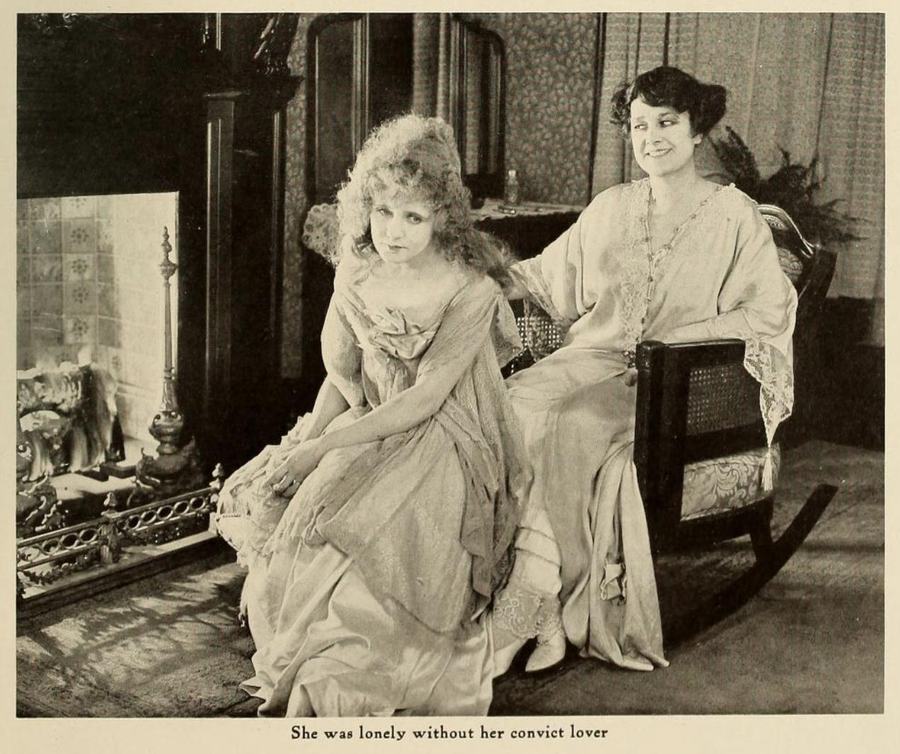
The narrative skillfully navigates the various obstacles Susan encounters. There are the obligatory snobbish relatives, quick to dismiss her humble origins, and the inevitable romantic entanglements that complicate her search for truth. Bradley Barker, as a potential suitor or antagonist (depending on the scene), adds another layer of tension to Susan's journey. These elements, while familiar tropes in melodramas of the era, are handled with a refreshing earnestness that prevents them from feeling overly clichéd. The film understands that the drama lies not just in the external conflicts, but in Susan's internal struggle to maintain her integrity in a world that constantly tests it. Her resilience in the face of adversity is a powerful message, one that transcends the specific historical context of the film and speaks to universal human experiences.
Susan's Gentleman is more than just a rags-to-riches story; it’s a profound meditation on the nature of identity and the enduring power of familial bonds. Susan’s journey forces us to consider whether one’s true self is defined by birth, environment, or the choices one makes. The film subtly argues for the latter, showcasing how Susan’s inherent goodness and strength of character ultimately prevail over the artificial barriers of class. This theme of intrinsic worth overcoming superficial societal distinctions finds echoes in other silent era dramas exploring social mobility, though perhaps with less direct aristocratic focus. One might draw a parallel to The Love Tyrant, another film that explores the complexities of societal expectations and personal desires, albeit through a different lens of power dynamics.
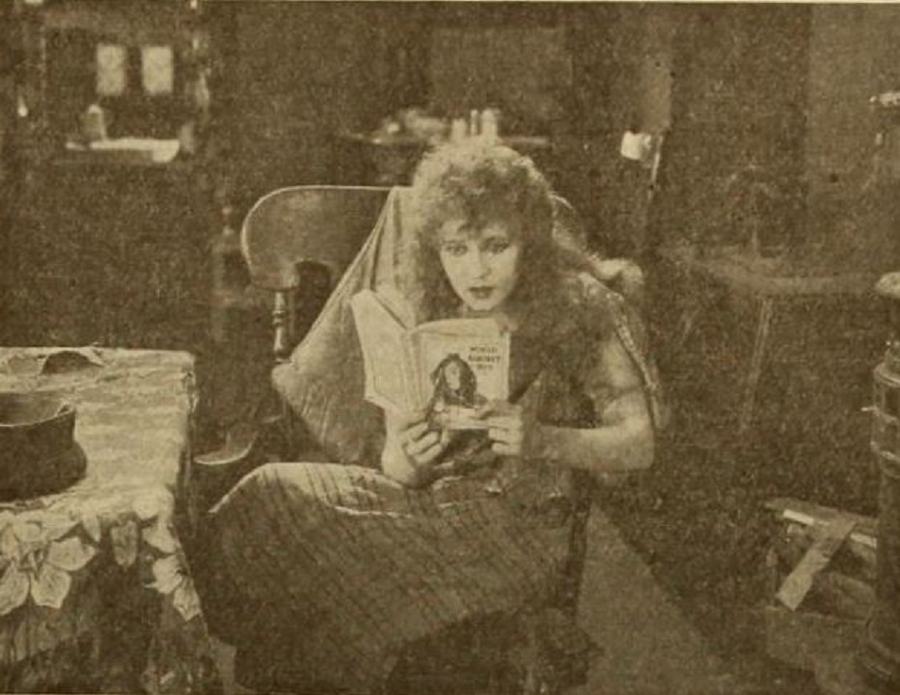
The film also delves into the concept of belonging. Susan, an outsider in both the slums and the stately homes, yearns for a place where she is truly accepted and understood. Her quest for her grandfather is not merely a pursuit of material wealth or social status; it is a primal search for connection, for the validation that comes from being recognized by one’s own. The emotional weight of this search is expertly conveyed by Mersereau, whose silent tears and joyful smiles speak volumes. The narrative, while adhering to the dramatic conventions of its time, manages to imbue these universal themes with a timeless quality, ensuring that Susan’s struggle for acceptance remains relevant even a century later.
The directorial choices in Susan's Gentleman, while perhaps not groundbreaking by today's standards, demonstrate a keen understanding of silent film storytelling. The pacing is deliberate, allowing the emotional beats to register fully with the audience. The use of intertitles is effective, providing necessary exposition without overwhelming the visual narrative. The film relies heavily on its actors to convey emotion and drive the plot, and in this regard, it largely succeeds. Violet Mersereau, as mentioned, carries the film with an extraordinary grace. Her ability to project both resilience and vulnerability is key to the film's success. She embodies the archetype of the virtuous heroine, but with enough grit to make her believable and relatable. James O'Neill, as the grandfather, provides a strong counterpoint, his initial sternness gradually thawing into paternal affection, a transformation that feels earned and deeply moving.
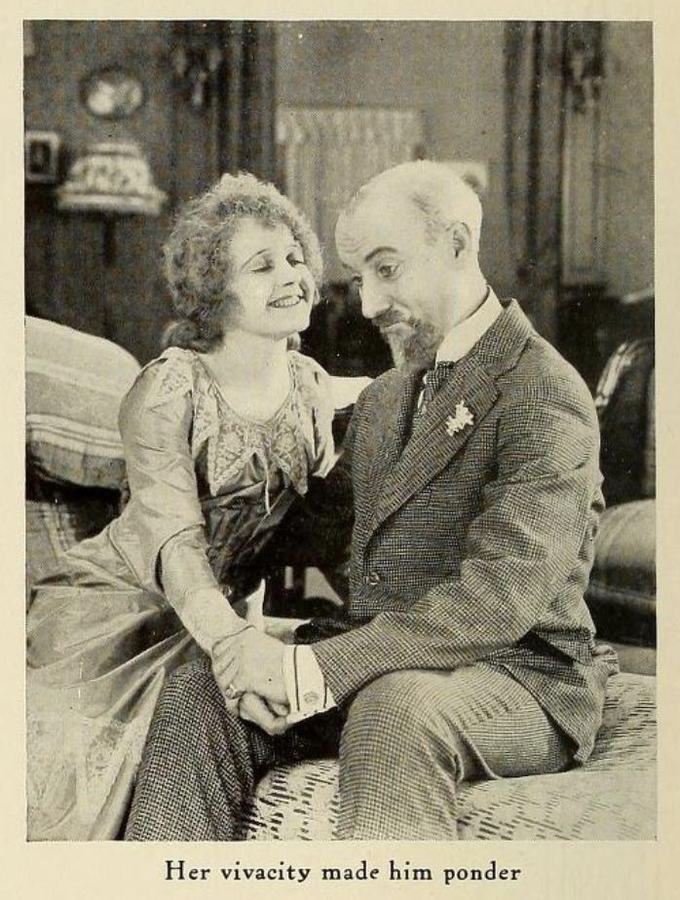
The supporting cast, including Maud Cooling and Sidney Mason, contributes to the overall texture of the narrative, providing necessary dramatic friction and comic relief where appropriate. Edwin Stevens, often known for his villainous or imposing roles, here plays a more ambiguous figure, adding layers to the aristocratic milieu. While the film doesn't boast the grand scale or revolutionary techniques of some of its contemporaries, its strength lies in its meticulous attention to character and its unwavering focus on the emotional core of the story. It's a testament to the fact that compelling storytelling, even without synchronized sound, can captivate an audience when executed with sincerity and skill.
The cinematography, while perhaps not as overtly experimental as some European films of the period like Il Fauno or The Golem and the Dancing Girl, effectively serves the narrative. The contrast between the stark, often cramped settings of Susan's early life and the expansive, opulent environments of the English aristocracy is visually striking. The filmmakers utilize natural light and carefully composed shots to emphasize the mood and atmosphere of each scene. There are moments of genuine visual poetry, particularly in the depiction of the English countryside, which serves as a symbolic backdrop for Susan's burgeoning hope and eventual triumph. The use of close-ups, though not as frequent as in later films, is employed judiciously to highlight key emotional reactions, drawing the audience deeper into Susan’s inner world.
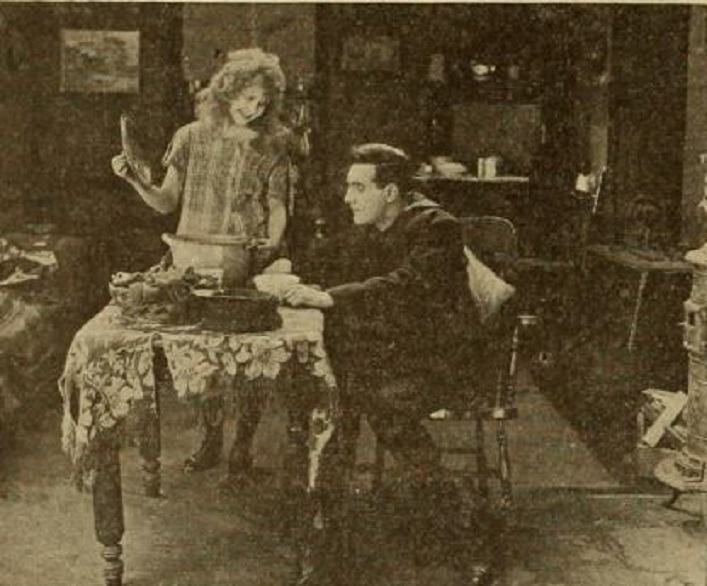
In the broader context of 1917 cinema, Susan's Gentleman fits comfortably within the popular melodramatic tradition. It shares thematic DNA with other films of its time that explored social class and personal ambition, such as Montmartre, which also delved into the struggles of a young woman navigating a challenging social landscape, albeit in a Parisian setting. While it may not possess the overt political commentary of films like The Politicians or the adventurous spirit of A Mexican Mine Fraud; or, The Game That Failed, its strength lies in its focused, character-driven narrative. It’s a film that speaks to the prevailing cultural fascination with inherited status versus earned success, a theme that remained perennially popular throughout the silent era and beyond. It’s a quiet testament to the enduring appeal of a good story, well told, with a compelling protagonist at its core.
The narrative momentum of Susan's Gentleman builds steadily, eschewing overly dramatic twists in favor of a more organic unfolding of events. The emotional climax, when Susan finally confronts her grandfather and her true identity is revealed, is handled with a delicate touch. It’s not a moment of explosive revelation, but rather a profound recognition, a quiet understanding passing between two individuals separated by circumstance and time. The film avoids cheap sentimentality, opting instead for a genuine portrayal of reconciliation and the mending of old wounds. This measured approach allows the audience to fully appreciate the significance of Susan's hard-won victory. Her birthright is not simply handed to her; it is earned through her perseverance, her unwavering spirit, and her inherent good nature. This makes the resolution all the more satisfying, a testament to the idea that character truly is destiny.
The journey to this climax is punctuated by various encounters that test Susan's mettle. From the initial skepticism of the English gentry to the subtle machinations of those who fear her claim, Susan faces a gauntlet of social and emotional challenges. Yet, she navigates these with a quiet determination, never resorting to bitterness or despair. This unwavering moral compass is a defining trait of her character and a key factor in her ultimate success. Comparisons could be drawn to films like The Hunted Woman or Sleeping Fires, where heroines face significant societal obstacles and personal trials, but Susan's journey feels particularly focused on the specific intersection of class, family, and the search for identity.
In an era that often glorified grand gestures and sensational plots, Susan's Gentleman offers a more understated yet equally impactful narrative. It’s a film that celebrates the virtues of resilience, integrity, and the enduring power of family. Violet Mersereau’s performance remains the indelible heart of the picture, her Susan Flynn a character whose quiet strength resonates long after the final frame fades. The film’s exploration of class divides and the search for belonging ensures its continued relevance, offering insights into societal structures that, in many ways, persist even today.
For enthusiasts of early cinema, Susan's Gentleman provides a compelling example of effective storytelling within the silent film medium. It may not possess the epic scope of a D.W. Griffith production or the avant-garde experimentation of some European counterparts, but its charm lies in its sincerity and its well-crafted character arc. It’s a film that reminds us of the power of simple, human stories to transcend time and cultural shifts, proving that sometimes, the most profound dramas are found in the quiet determination of a young woman fighting for her rightful place in the world. Its legacy is not one of bombast, but of a gentle, persistent affirmation of human dignity and the triumph of spirit over circumstance, making it a worthy subject of rediscovery for modern audiences interested in the nuanced artistry of the silent screen.
IMDb 5.7
1937
Community
Log in to comment.