DbcultAccessing Vault...
4.9/10
Senior Film Conservator
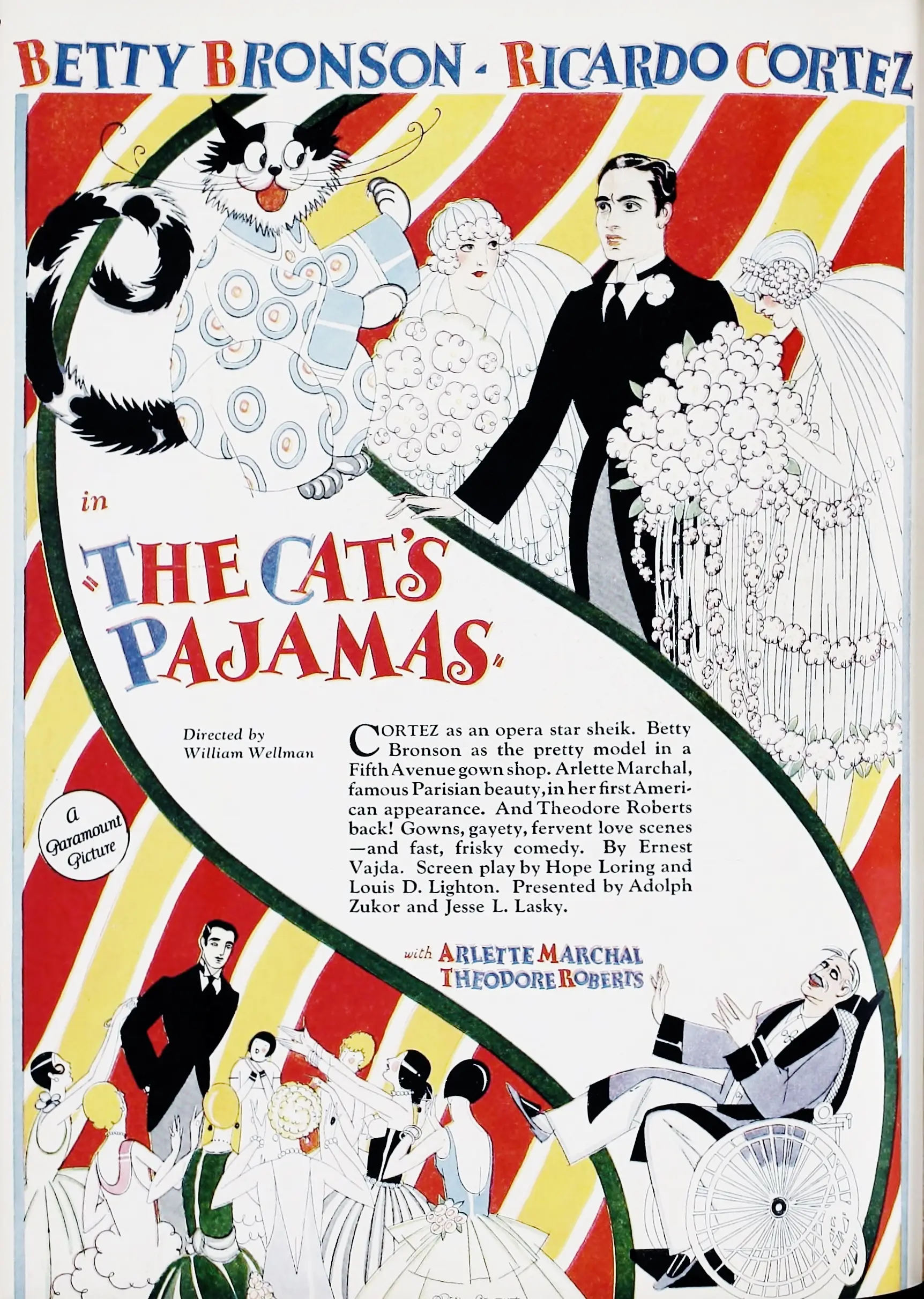
A definitive 4.9/10 rating for a film that redefined the boundaries of cult cinema. The Cat's Pajamas remains a cornerstone of transgressive art.
Is this silent era romp still worth your attention today? Short answer: yes, but primarily as a fascinating cultural artifact of 1920s celebrity worship rather than a narratively groundbreaking experience.
This film is for the silent cinema enthusiast who enjoys lighthearted social satire and the 'modiste' subgenre of the mid-20s. It is absolutely not for those who find the slow pacing of silent-era pantomime tedious or those looking for the dramatic weight found in contemporary classics like The Dream Cheater.
This film works because it captures the specific 1920s fascination with the 'Latin Lover' archetype through a satirical lens that feels surprisingly modern.
This film fails because the third-act resolution relies on a feline-themed gimmick that undermines the genuine emotional growth of the protagonist.
You should watch it if you are interested in how early cinema portrayed the intersection of working-class reality and high-society fantasy.
The Cat's Pajamas is a pleasant, if lightweight, entry into the silent romantic comedy canon. While it lacks the visceral impact of The Moral Sinner, it offers a charming glimpse into the era's aesthetics. If you appreciate the art of the 'Latin Lover' performance and the specific textures of 1920s set design, it is a rewarding watch. However, casual viewers may find the plot thin. It works. But it’s flawed.
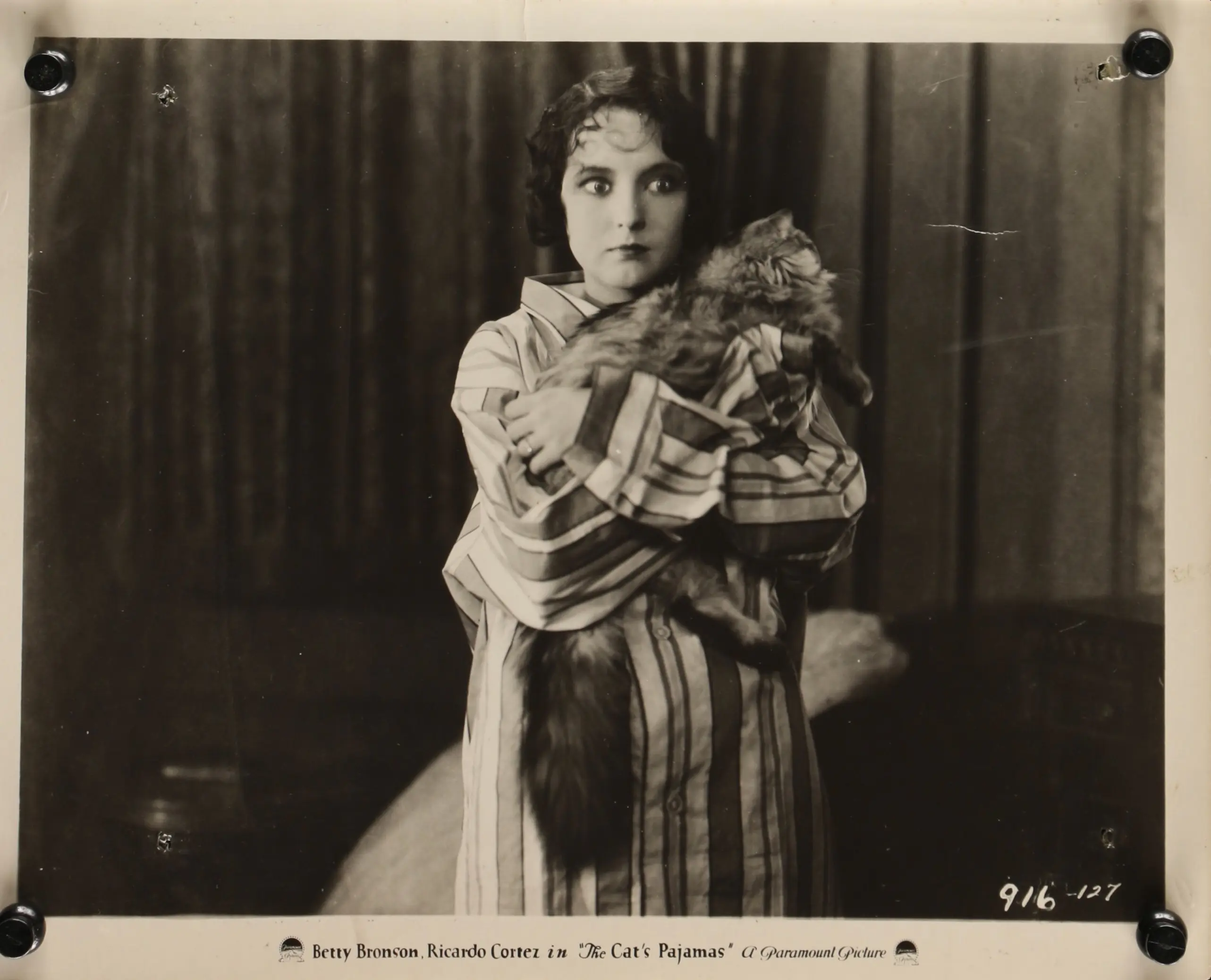
At the center of the film is Sally, played with a delightful mix of vulnerability and pluck by Arlette Marchal. Marchal avoids the over-the-top gesticulation that plagued many of her contemporaries. Instead, she uses her eyes to convey a deep-seated longing for a life beyond the sewing machine. The scenes where she works in the modiste shop are framed with a claustrophobic precision, emphasizing the repetitive nature of her labor.
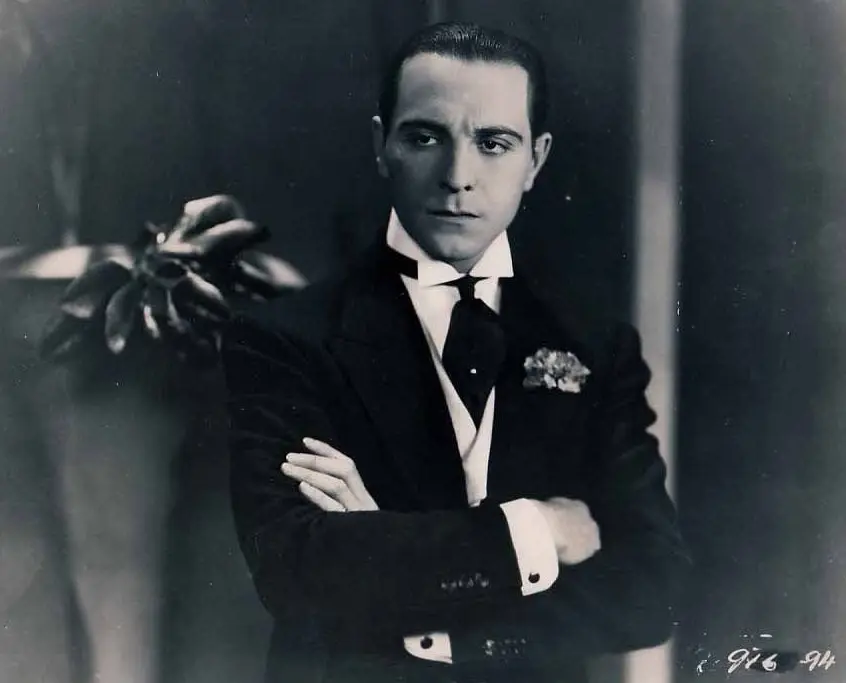
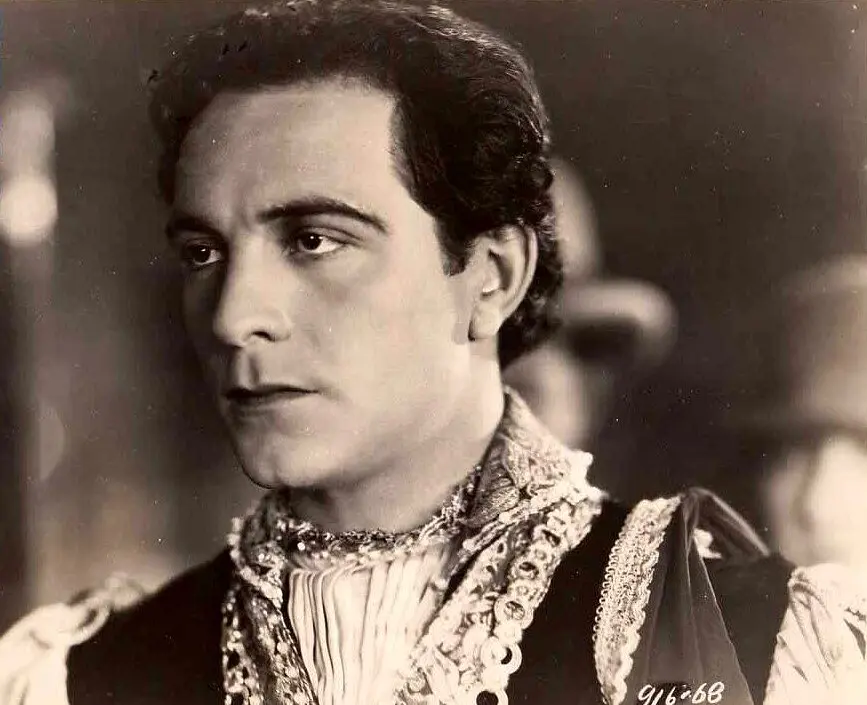
Then there is Ricardo Cortez as Don Cesare Gracco. Cortez was clearly being positioned as a rival to Valentino, and here, he leans into the vanity of the opera singer with infectious energy. His performance is a masterclass in preening. In one specific scene, Cesare ignores Sally's genuine admiration to check his own reflection in a polished silver tray. It’s a small moment that perfectly encapsulates the film's critique of ego.
The contrast between the two male leads is the engine of the plot. While Jack (the taxi driver) represents the 'everyman' that audiences were supposed to root for, he often feels like a secondary thought in the script. The film spends significantly more time on the absurdity of the opera world. This creates a strange imbalance where the 'correct' choice for Sally feels narratively less interesting than the 'wrong' one.
The writing team, including Hope Loring and Louis D. Lighton, brings a sharp wit to the intertitles. The dialogue isn't just functional; it’s frequently biting. For example, when Cesare describes his voice as a 'gift to the heavens,' the dry response from a background character provides a necessary grounding. This level of self-awareness is what keeps the film from descending into pure melodrama like The Other Woman.
The pacing is generally fluid, though the middle section drags as Sally oscillates between her suitors. The cinematography by the uncredited cameraman uses light effectively to distinguish between Sally's two worlds. The home she shares with her father is lit with soft, diffused light, suggesting warmth and domesticity. In contrast, the opera house is a place of harsh spotlights and deep shadows, highlighting the artificiality of Cesare’s world.
One surprising observation: the kitten, Tommy, isn't just a cute prop. The cat acts as a mirror for Sally's own domestic confinement. When the cat is literally 'dressed up' in miniature pajamas, it serves as a visual metaphor for Sally's attempt to fit into a world where she doesn't belong. It’s a bizarre, almost surrealist touch that stands out in an otherwise standard romantic comedy.
Pros:
Cons:
The Cat's Pajamas is at its best when it leans into the absurdity of its era. In the 1920s, the archetype of the 'Latin Lover' was a dominant force in Hollywood, and this film manages to both celebrate and mock it. Ricardo Cortez plays Cesare as a man who is genuinely confused when the world doesn't revolve around him. This provides a level of comedy that is more sophisticated than the slapstick found in Lucky Stars.
The film also touches on the reality of the garment industry. While it’s framed as a romantic comedy, the scenes of Sally working late into the night to support her father provide a necessary weight. It reminds the audience that for every glamorous gown seen on stage, there is a 'Sally' behind it. This subtle social commentary elevates the film above mere fluff, even if it doesn't fully commit to the bit.
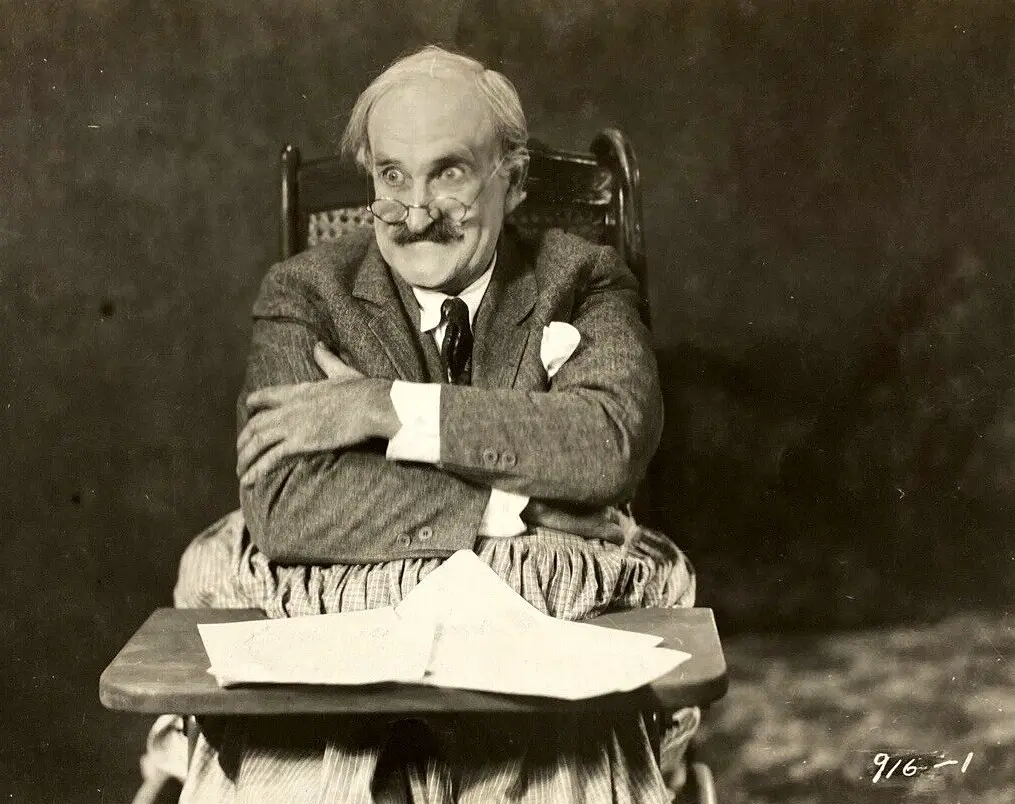
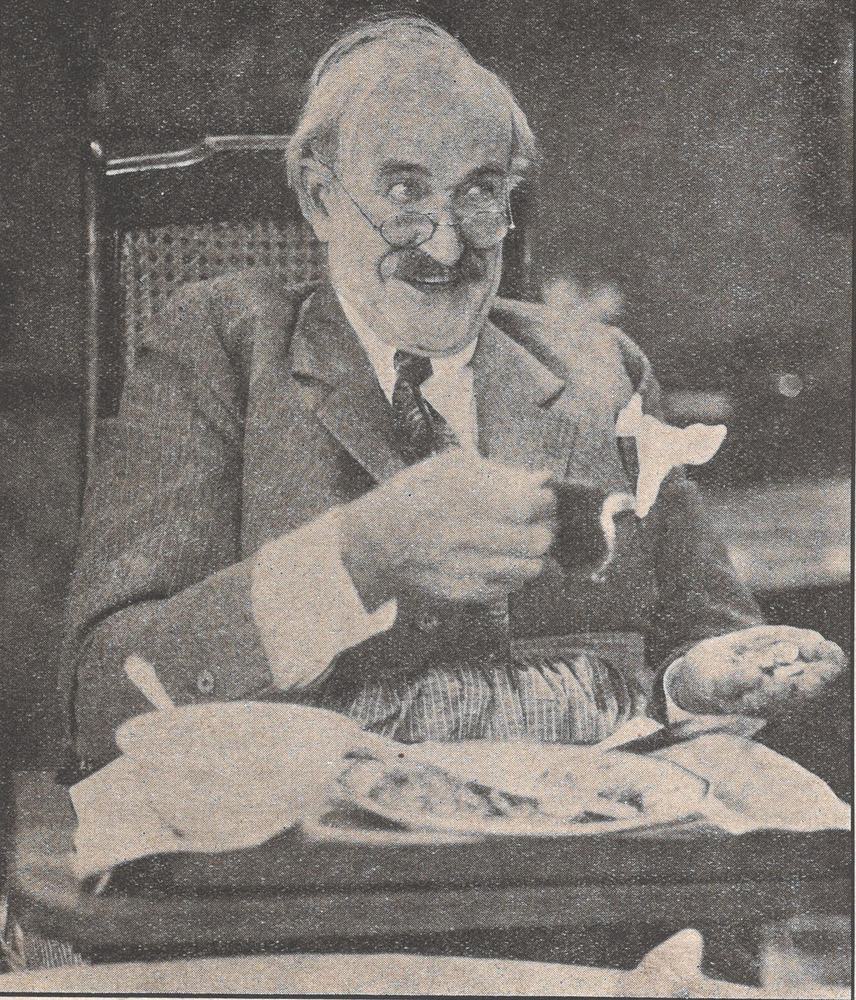
However, I have a debatable opinion: the film would actually be better if it leaned harder into the drama of the father's condition. Theodore Roberts is excellent as the crippled father, but he is often pushed to the side to make room for more scenes of Cesare looking in the mirror. By focusing so much on the vanity of the opera singer, the film misses an opportunity to explore a more profound emotional core.
The Cat's Pajamas is a charming, visually appealing slice of silent cinema that manages to remain relevant through its critique of celebrity culture. While it lacks the narrative complexity of Just Off Broadway, it compensates with personality and style. It is a light meal, but a well-prepared one. If you can look past the occasionally cloying feline-based humor, you'll find a story with a surprising amount of heart and a very sharp wit. It isn't a life-changing experience, but as far as 1920s comedies go, it truly is—in some moments—the cat's pajamas.
IMDb 7
1919
Community
Log in to comment.