DbcultAccessing Vault...
Cult Review
Senior Film Conservator
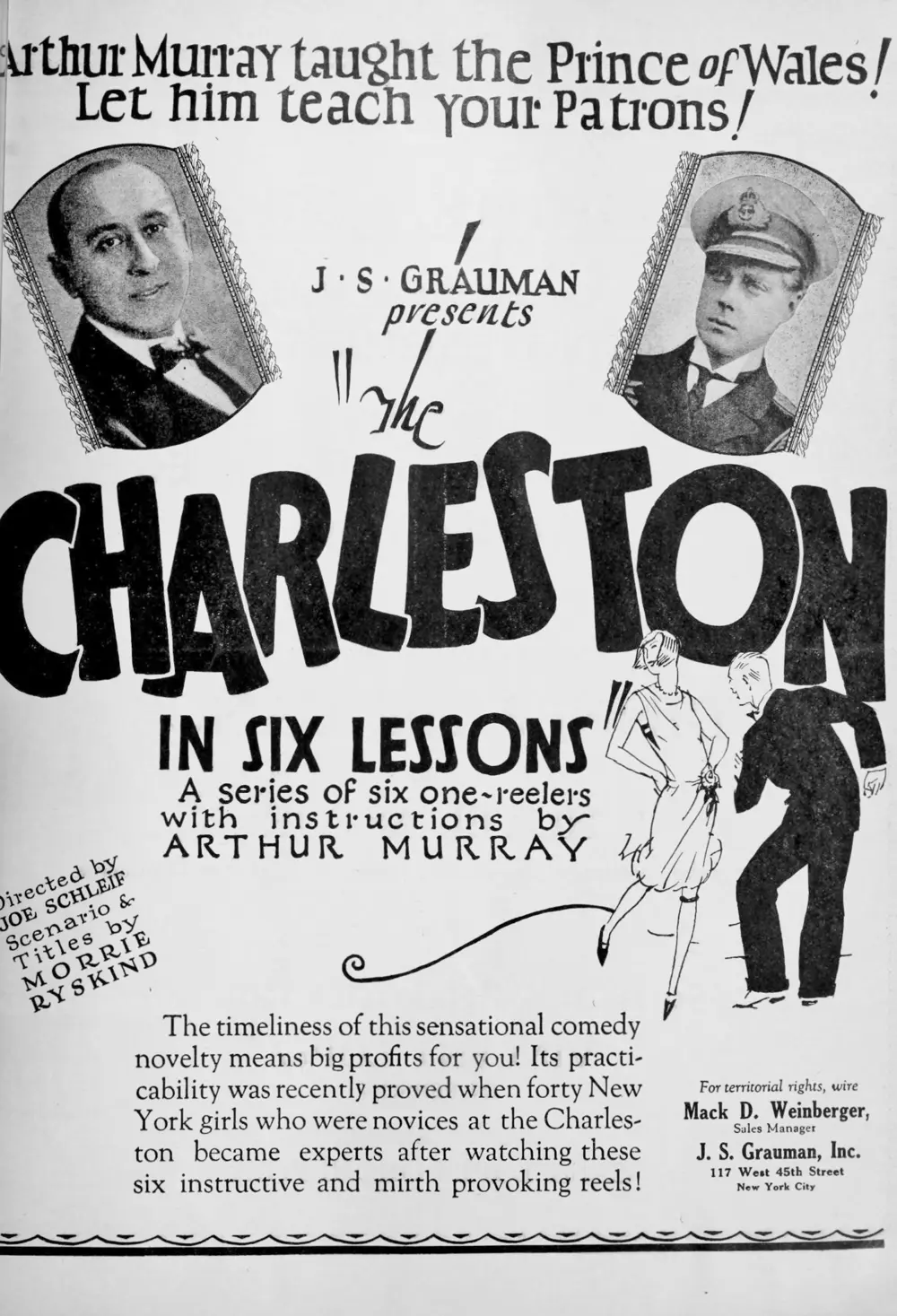
Short answer: Yes, but it requires a specific interest in dance history and cultural shifts of the 1920s. This film is a delightful journey for those who want to understand the Charleston's enduring legacy and its role in shaping society.
This documentary is a unique blend of dance instruction and historical narrative, making it a must-watch for dance enthusiasts, historians, and anyone interested in the cultural impact of dance on society. However, if you're looking for a more traditional historical documentary or a broader cultural critique, you might find the focus on dance too narrow.
The Charleston, a dance craze that swept the world in the 1920s, is the focus of this narrative-driven documentary. The narrative is driven by the personal anecdotes and lessons shared by Arthur Murray, a dance instructor who introduced the dance to the British royal family. The film offers a glimpse into the cultural impact and social changes associated with the dance, blending historical context with personal anecdotes. J.W. Schleiff's cinematography captures the lively and energetic atmosphere, while the engaging narrative makes the technical aspects of dance accessible and entertaining.
The narrative-driven format and the personal anecdotes shared by Arthur Murray make the technical aspects of dance accessible and engaging. This unique blend of history and dance instruction provides a fresh perspective on the cultural impact of the Charleston.
While the film is engaging and well-paced, it can feel too narrow in focus for some viewers. The emphasis on dance and the personal narrative may not appeal to those interested in a broader historical or cultural critique.
Short answer: Yes, but it requires a specific interest in dance history and cultural shifts of the 1920s. This film is a delightful journey for those who want to understand the Charleston's enduring legacy and its role in shaping society.
Short answer: Yes, but it requires a specific interest in dance history and cultural shifts of the 1920s. This film is a delightful journey for those who want to understand the Charleston's enduring legacy and its role in shaping society.
Arthur Murray's narration is the heart of the film, and he delivers it with a mix of enthusiasm and warmth. His personal anecdotes and technical explanations are engaging and make the dance accessible to both experts and novices. One specific scene where Murray demonstrates the Charleston in a lively dance studio is particularly effective in conveying the energy and joy of the dance.
J.W. Schleiff's cinematography is a standout feature of the film. The vibrant and dynamic shots capture the energy of the dance and the lively atmosphere of the dance classes. One scene where Schleiff captures the dancers in mid-air during a complex move is particularly striking, adding a visual clarity to the technical aspects of the dance.
The film maintains a consistent and engaging pace, with a mix of historical context and personal anecdotes that keep the viewer engaged. The tone is generally upbeat and enthusiastic, which complements the lively nature of the dance. However, there are moments where the historical context could have provided more depth, such as when discussing the social changes the dance represented.
The Charleston is a film that caters to a specific audience, namely those with an interest in dance history and cultural shifts of the 1920s. It offers a unique blend of dance instruction and historical narrative, making it a must-watch for dance enthusiasts and those fascinated by the intersection of art and society. The narrative-driven format and the personal anecdotes shared by Arthur Murray make the technical aspects of dance accessible and engaging. However, it can feel too narrow in focus for some viewers, and the emphasis on dance and the personal narrative may not appeal to those interested in a broader historical or cultural critique.
The Charleston is a film that caters to a specific audience, namely those with an interest in dance history and cultural shifts of the 1920s. It offers a unique blend of dance instruction and historical narrative, making it a must-watch for dance enthusiasts and those fascinated by the intersection of art and society. The narrative-driven format and the personal anecdotes shared by Arthur Murray make the technical aspects of dance accessible and engaging. However, it can feel too narrow in focus for some viewers, and the emphasis on dance and the personal narrative may not appeal to those interested in a broader historical or cultural critique.
IMDb —
1920
Community
Log in to comment.