DbcultAccessing Vault...
Cult Review
Senior Film Conservator
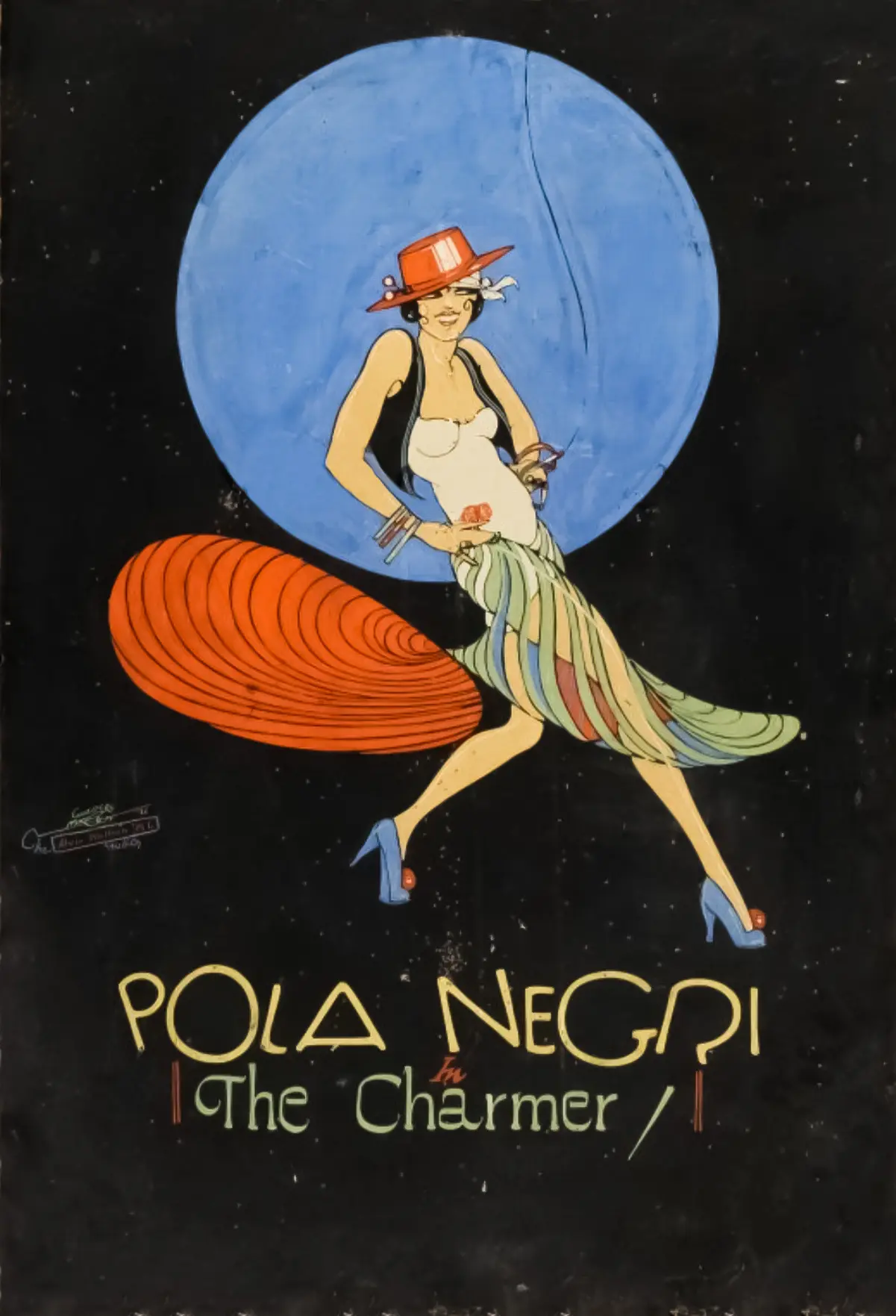
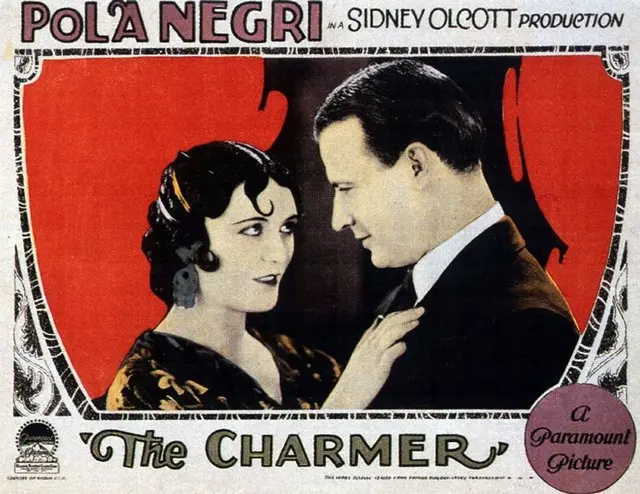
Is The Charmer worth your time in an era defined by high-definition digital polish and rapid-fire editing? The answer is a resounding yes, but with a specific caveat: this film is a feast for those who crave the high-stakes emotionality of silent-era stardom and the sharp social commentary of the 1920s. If you are a devotee of Pola Negri or a student of how early cinema navigated the treacherous waters of class and gender, this is essential viewing. However, if you have no patience for the deliberate pacing of silent melodrama or the theatrical gestures required to convey dialogue without sound, you might find the experience jarring. This is a film for the romanticist who likes a bit of acid in their sugar, and definitely not for those who prefer their protagonists to be passive victims of fate.
Everything in The Charmer revolves around the gravitational pull of Pola Negri. As Mariposa, Negri avoids the trap of playing a 'simple' girl. From the opening scenes in the Seville cafe, her movements are sharp and calculated. She doesn’t just dance for the patrons; she observes them. There is a specific moment early on where she catches the eye of Señor Sprott; Negri uses a subtle tilt of her chin and a hardening of her gaze that tells the audience Mariposa isn't being 'discovered'—she is choosing her exit strategy from poverty. Unlike the more ethereal performances found in films like The Phantom Carriage, Negri’s work here is grounded in a heavy, earthly sensuality.
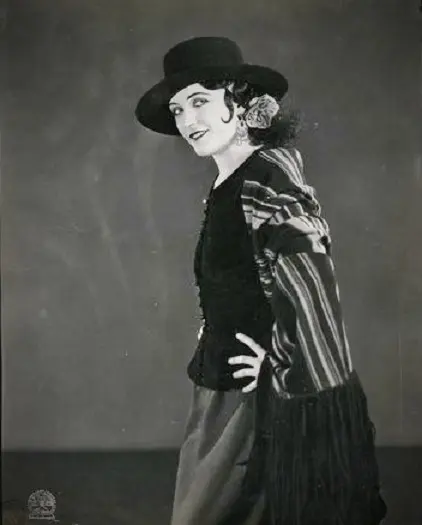
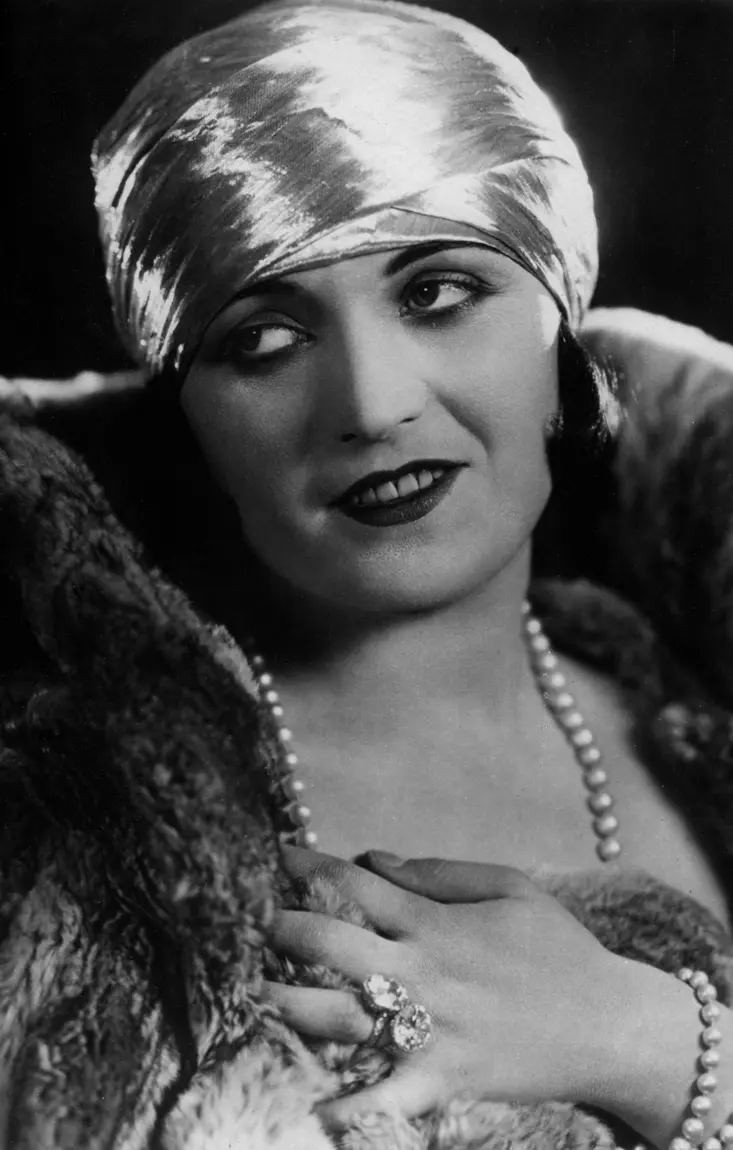
The way she handles the transition to New York is equally fascinating. As she is molded into 'The Charmer,' we see the mask of the celebrity begin to slip. In the scenes where she is being 'prepared' for her debut, Negri portrays a woman who is acutely aware of the artifice. She treats her new costumes not as clothes, but as armor. It is a nuanced performance that anchors the film’s more fantastical plot points in a recognizable human struggle for identity.
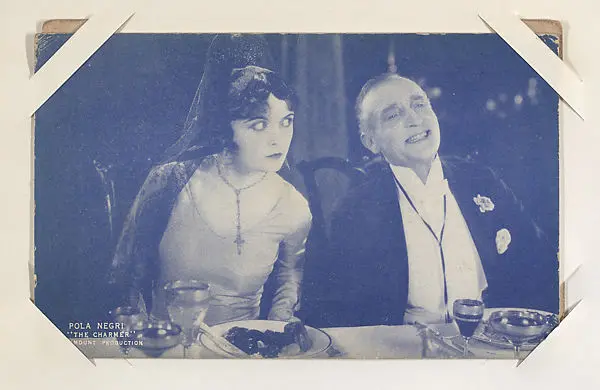
The narrative heart of the film is the weekend party hosted by Mrs. Sedgwick. This is where director Sidney Olcott truly shines, using the set design and blocking to emphasize Mariposa’s isolation. The Sedgwick estate is filmed with a cold, geometric precision that contrasts sharply with the chaotic, warm shadows of the Seville cafe. A particularly striking moment occurs when Mariposa is forced to interact with the high-society women; the camera lingers on the way they look through her, rather than at her. It is a visceral depiction of social erasure.
Mrs. Sedgwick, played with a brittle, terrifying elegance by Mathilde Brundage, serves as the perfect foil. The 'humiliation' plot is a staple of the genre, reminiscent of themes explored in The Heart of a Child, but here it feels more personal. The attempt to make Mariposa look 'out of place' backfires because Negri plays the scene with a defiant lack of shame. She doesn't try to blend in; she leans into her 'otherness,' which is a remarkably modern character choice for a film produced in 1925. This section of the film is a masterclass in tension, proving that a raised eyebrow or a turned back can be as impactful as any action sequence.
The central conflict between Ralph Bayne (the millionaire) and Dan Murray (the chauffeur) provides the film’s most debatable thematic territory. In most films of this era, the wealthy suitor is either the ultimate prize or a cartoonish villain. Ralph Bayne, however, is written with a more insidious kind of charm. He doesn't want to destroy Mariposa; he wants to curate her. When he takes her to his suite with the intention of making her his mistress, the dialogue intertitles are chillingly polite. He treats the proposition like a business merger.
The unconventional observation here is that the 'hero,' Dan Murray, is nearly as problematic as the 'villain.' When Murray arrives at the suite and attempts to force a marriage at gunpoint, the film briefly veers into a darker, more aggressive territory. It is a shocking pivot that disrupts the romantic flow of the movie. Most critics of the time saw this as a chivalrous act, but a modern reading reveals a man trying to exert control over a woman’s future just as much as the millionaire. Mariposa’s ultimate decision to marry Murray isn't a surrender to 'true love' as much as it is a strategic choice of the lesser of two evils—or perhaps a return to a world where she understands the rules of engagement.
Technically, The Charmer is a sophisticated piece of work. The lighting in the New York suite scenes uses high-contrast shadows to mirror the moral ambiguity of the characters. While it lacks the experimental flair of European imports like Whitechapel, it possesses a sturdy, American professionalism that ensures the story never drags. The pacing is remarkably tight for a silent drama, avoiding the long, static takes that often plague its contemporaries.
One cannot overlook the costume design. Mariposa’s evolution from the tattered lace of Seville to the avant-garde sequins of New York tells a story of its own. The 'Charmer' outfit itself is a masterpiece of 1920s excess, designed to emphasize Negri’s physicality while simultaneously making her look like a caged bird. The visual metaphor is clear: the more she earns, the more she is bound by the expectations of her audience and her 'patrons.'
The film’s climax—where Mariposa protects Mrs. Sedgwick’s reputation at the cost of her own—is the most controversial aspect of the script. To a modern audience, this self-sacrifice might feel unearned or even regressive. Why protect the woman who tried to destroy you? However, I would argue that this is Mariposa’s ultimate act of power. By saving the woman who sought to humiliate her, she proves herself to be morally superior to the entire social class that looked down on her. She wins by refusing to play their game.
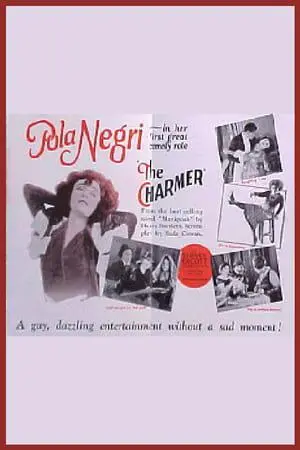
The Charmer is a film that demands to be looked at through a lens of power dynamics rather than just romance. It is a cynical, smart, and ultimately rewarding experience that showcases one of the silent era's greatest icons at her most versatile. It is a film about the cost of the 'American Dream' for those who arrive with nothing but their talent and their skin.
Despite its age, The Charmer remains a compelling watch because it refuses to give its protagonist an easy way out. Mariposa’s journey is one of constant negotiation. Whether she is dancing for pennies or draped in diamonds, she is always fighting for a seat at a table that wasn't built for her. It is a gritty, glamorous, and essential piece of cinema history that proves Pola Negri was far more than just a 'vamp'—she was a storyteller of the highest order.
IMDb —
1930
Community
Log in to comment.