DbcultAccessing Vault...
6.8/10
Senior Film Conservator
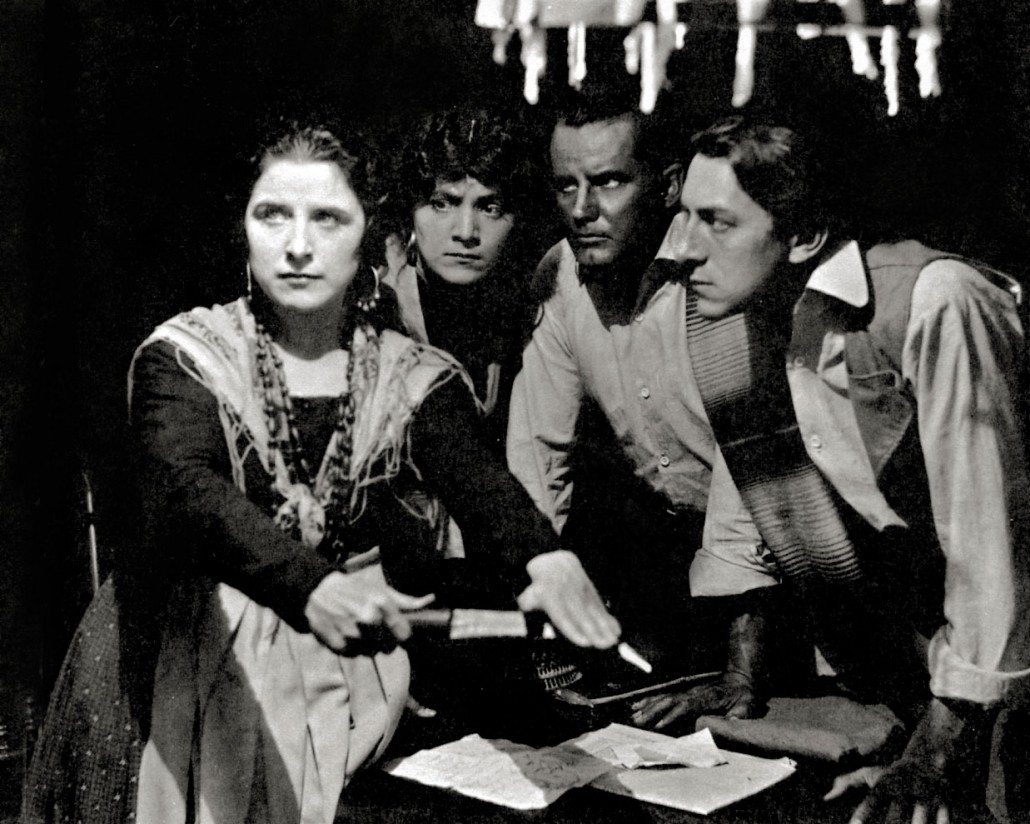
A definitive 6.8/10 rating for a film that redefined the boundaries of cult cinema. Maria Rosa remains a cornerstone of transgressive art.
In the annals of early cinema, few works capture the raw, atavistic pulse of Mediterranean life with as much fervor as the 1916 production of Maria Rosa. This is not merely a film; it is a scorched-earth document of what happens when the human heart is allowed to fester in the shadows of deception. Directed with a burgeoning sense of visual grandiosity, the film serves as a vehicle for the incomparable Geraldine Farrar, whose transition from the operatic stage to the silver screen brought a level of histrionic depth that was, at the time, revolutionary. Unlike the more restrained domesticity found in The Secret Orchard, Maria Rosa leans into the primitive, almost operatic violence of its source material, a play by Àngel Guimerà.
The narrative scaffolding of Maria Rosa is built upon a foundation of absolute moral bankruptcy. Ramon, portrayed with a sinister, brooding energy by Wallace Reid, is a character who defies the typical archetypes of the era. He is not a mustache-twirling villain but a man consumed by a singular, pathological need. When he plunges Andreas's knife into the fisherman Pedro, he isn't just killing a man; he is murdering the future of the woman he claims to love. The sheer audacity of the frame-up sets a tone of existential dread that permeates the first act. We see the gears of the plot turn with the same inexorable gravity found in Herod, where power and lust collide to create a vacuum of morality.
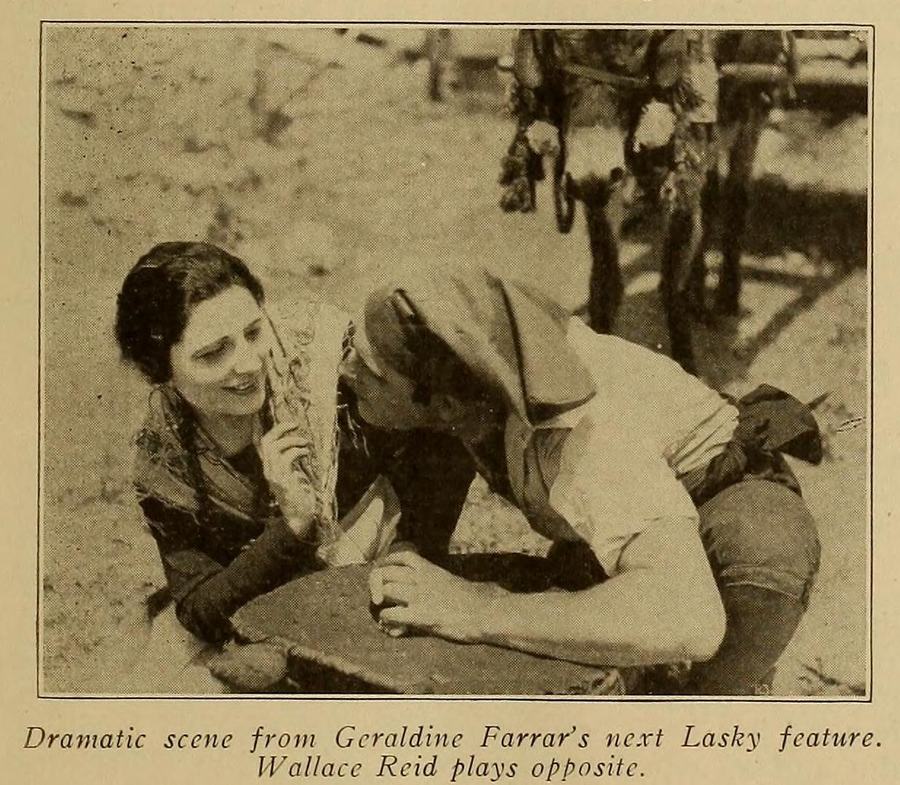
The ten-year gap in the narrative is handled with a sophisticated sense of temporal weight. We feel the erosion of Maria Rosa’s spirit. Farrar conveys this not through grand gestures, but through a tightening of the features, a weariness in the eyes that suggests a soul being slowly hollowed out by grief. This psychological attrition is far more harrowing than the physical violence of the murder. It reminds one of the emotional endurance tests depicted in The Way Back, though here the journey is internal, a trek through the desert of a fabricated widowhood.
Technically, the film is a marvel of its period. The use of natural light to emphasize the harshness of the peasant lifestyle creates a texture that is almost tactile. You can feel the dust of the roads and the salt of the sea spray. The cinematography avoids the flat, stage-like presentations common in films like Emmy of Stork's Nest, opting instead for a more dynamic, immersive approach. The shadows in the tavern scenes are deep and menacing, reflecting the internal state of Ramon as he weaves his web of mendacity.
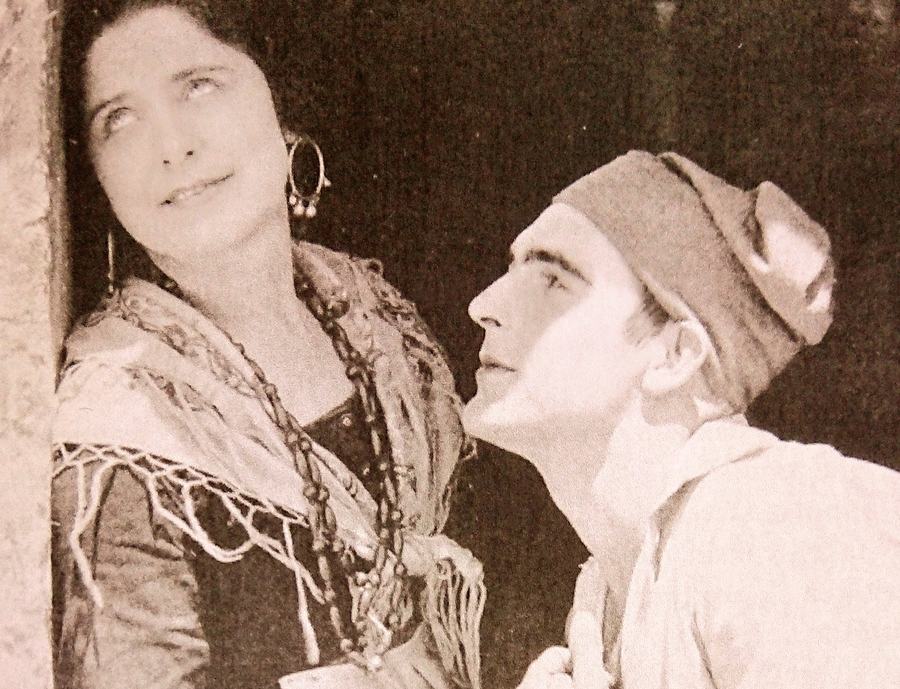
There is a specific shot—a close-up of Farrar as she receives the false news of Andreas’s death—that serves as a masterclass in silent acting. The camera lingers, refusing to look away as her hope collapses into a singular point of despair. It is a moment of pure cinematic intimacy that rivals the character studies in His Picture in the Papers, yet it carries a much heavier dramatic burden. The film understands that the tragedy isn't just in the lie itself, but in the theft of time. Ten years of a life, discarded for the sake of another man's vanity.
The climax of Maria Rosa is a crescendo of tragic irony that feels almost Shakespearean. The wedding day, usually a symbol of renewal and union, is presented here as a funeral for Maria’s integrity. The arrival of the parole notice for Andreas is the ultimate 'deus ex machina' in reverse—it doesn't save the protagonist; it condemns the antagonist and shatters the fragile peace Maria had tried to build. The pacing in this final sequence is relentless, echoing the rhythmic tension of På livets ödesvägar.
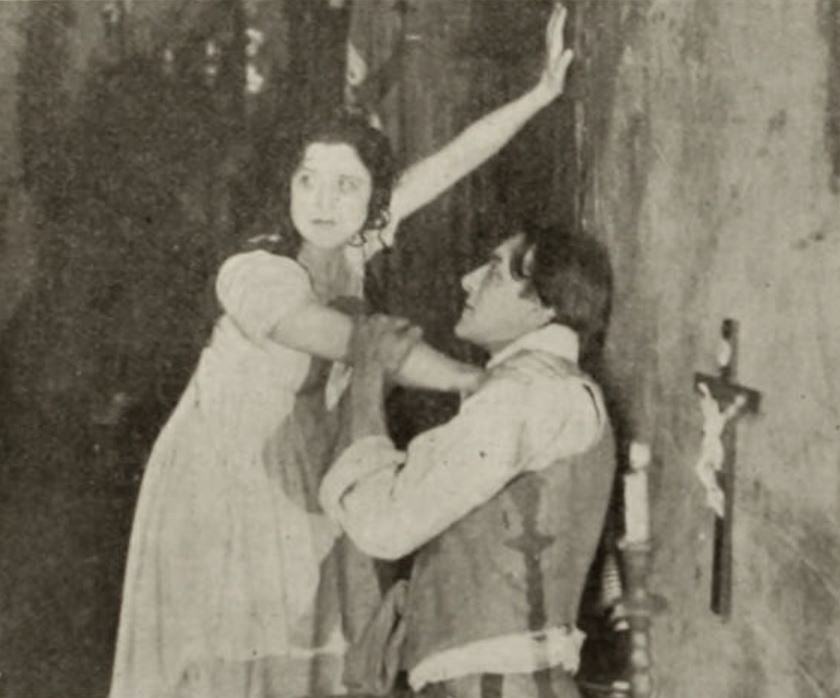
When the truth finally breaks through the surface, the transformation of Maria Rosa is terrifying to behold. This is not the weeping peasant woman we saw earlier; this is a force of nature. The act of stabbing Ramon is not portrayed as a crime of passion, but as a ritualistic cleansing. In that moment, the film transcends its genre, becoming a meditation on the limits of human endurance. The gore is minimal by modern standards, but the psychological impact is immense. It carries the same sense of inevitable retribution found in the epic Chûshingura, albeit on a far more intimate, domestic scale.
Wallace Reid’s performance as Ramon deserves a deeper analysis. Often cast as the dashing hero, his turn here into a calculating murderer is a fascinating detour. He brings a certain charisma to the role that makes his deception even more plausible. You can see why Maria Rosa might eventually succumb to his presence; he is persistent, strong, and seemingly devoted. This nuance is often missing in contemporary works like The Footsteps of Capt. Kidd, where villains are often drawn with much broader strokes. Reid’s Ramon is a man of the earth, driven by a dark, earthy passion.
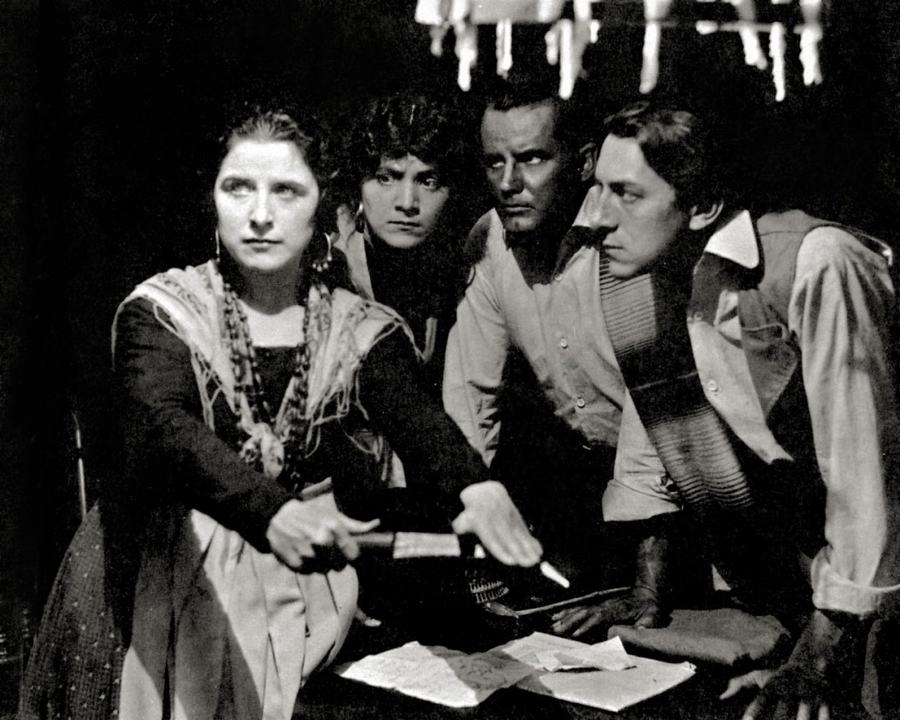
Pedro de Cordoba as Andreas provides the necessary contrast—a man of simple honor whose life is derailed by a single moment of proximity to evil. His return from prison is marked by a hollowed-out physicality that speaks volumes about the conditions of the era's penal system. The chemistry between the three leads is the engine that drives the film, creating a triangle of tension that is far more compelling than the sprawling ensemble casts of Black Fear or the biographical breadth of The Life of Richard Wagner.
What makes Maria Rosa endure is its refusal to offer easy comfort. It explores the 'lost paradise' of a life that could have been, much like the themes in The Lost Paradise, but it adds a layer of sharp, jagged vengeance. It deals with class, labor (the life of the fisherman and the peasant), and the social hierarchies of rural Spain, yet it remains a deeply personal story. It avoids the overt political messaging of The Cub or the industrial critique of The Turmoil, focusing instead on the universal language of betrayal.
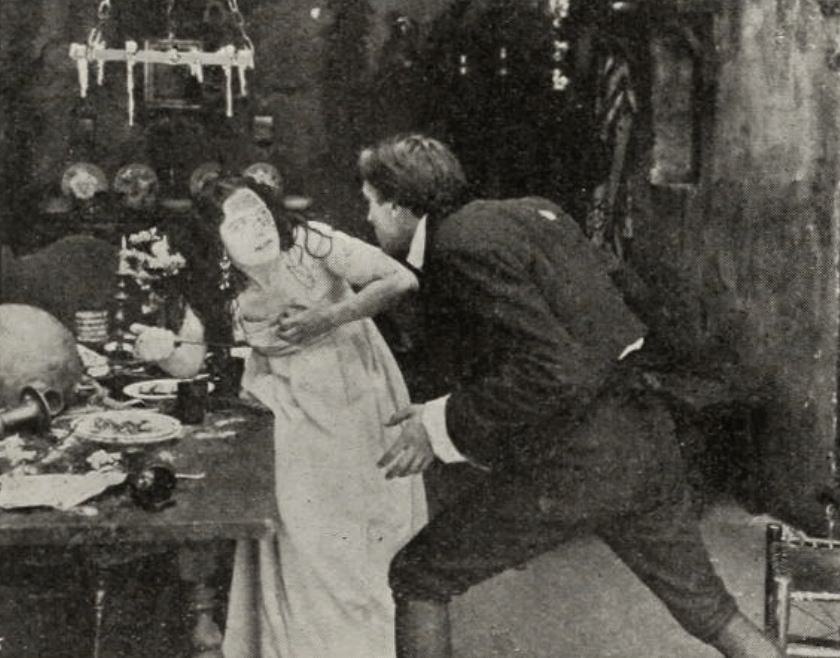
In the context of 1916, where cinema was still finding its narrative voice, Maria Rosa stands out as a sophisticated work of dramatic construction. It doesn't rely on the gimmicks of a mystery, such as those found in A Melbourne Mystery, nor does it seek the levity of comedies like Pufi - Hogyan lett ünnepelt hös egy jámbor pesti férjböl?. Instead, it commits fully to the tragedy of its premise. The final image of the film—Maria Rosa standing over the body of the man she just married, the man who stole a decade of her life—is an indelible mark on the history of the medium. It is a moment of horrific clarity, where the bride's white dress is stained by the reality of her liberation. It is a masterpiece of silent storytelling that demands to be remembered for its uncompromising vision of the human condition.
IMDb —
1923
Community
Log in to comment.