DbcultAccessing Vault...
Cult Review
Senior Film Conservator
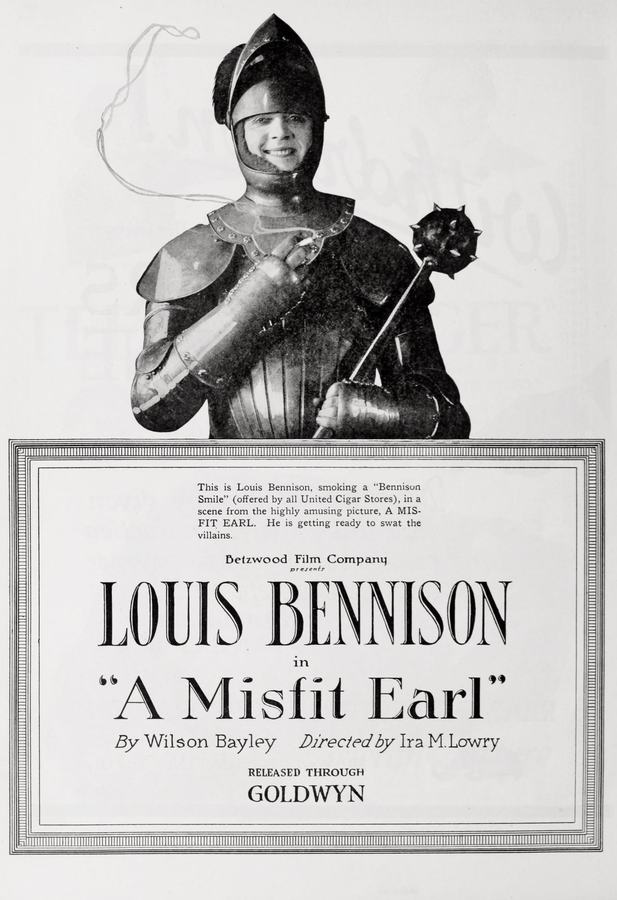
Wilson Bayley’s screenplay for A Misfit Earl reads like a cinematic letter from the Old World to the New, a love‑letter that never quite lands where it intends. The premise—an American cowboy thrust into the rigid corridors of British aristocracy—offers fertile ground for both comedy and social commentary, and the film spends its 78 minutes mining that vein with a mixture of slapstick vigor and surprisingly tender moments.
Louis Bennison, embodying Jim Dunn, delivers a performance that feels less like acting and more like a lived experience. Bennison’s weather‑worn face, honed by years of riding in the dusty plains of Wyoming, translates effortlessly onto the polished parquet of Dunhaven Hall. His swagger is tempered by an underlying vulnerability, especially in scenes where he watches the house’s ancient tapestries, his eyes reflecting a yearning for a place he never asked for.
Opposite him, Barbara Allen as Phyllis Barton provides a quiet counterpoint. Her measured diction and poised demeanor contrast sharply with Bennison’s boisterous drawl, yet the chemistry between them is undeniable. The subtle glances exchanged over tea, the whispered warnings about the Wyndham conspiracy—these moments are the film’s emotional core, reminding viewers that love can bloom in the most unlikely of settings.
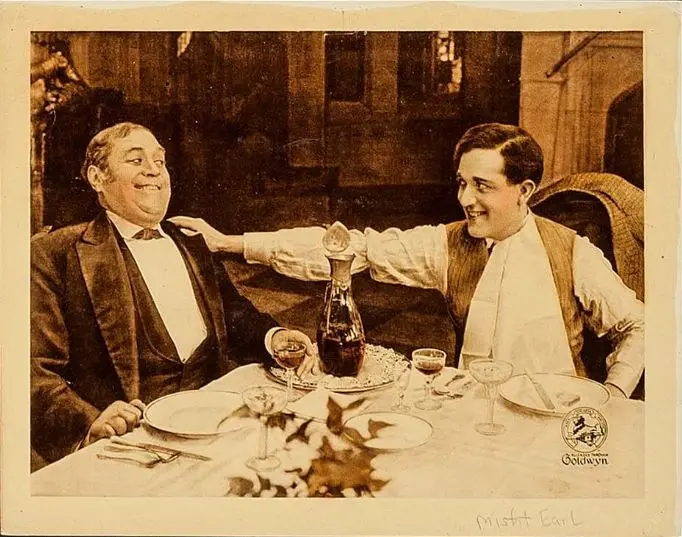
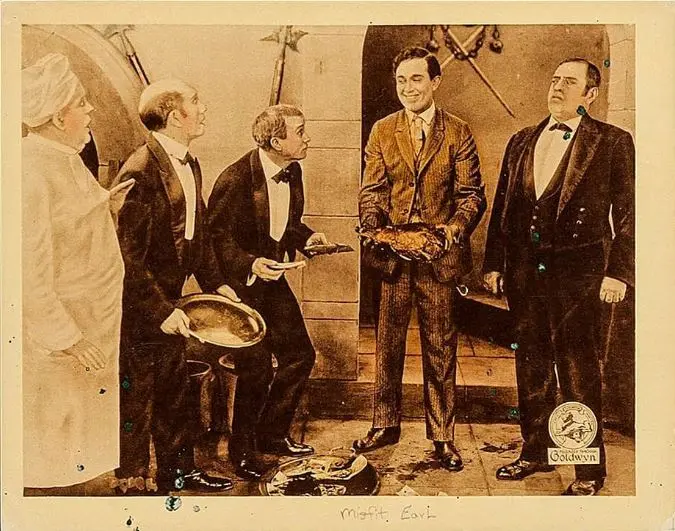
One of the film’s most compelling subplots involves the household staff, who, initially bewildered by Jim’s uncouth habits, gradually adopt his American songs and even his penchant for a hearty breakfast of eggs and bacon. Ida Waterman, playing the matriarch of the servants, delivers a scene where she hums a cowboy ballad while polishing silverware—a visual metaphor for the blending of two worlds. This narrative thread subtly critiques the rigid class structures of the era, suggesting that cultural exchange can erode even the most entrenched hierarchies.
At its heart, A Misfit Earl grapples with the notion of belonging. Jim’s journey from the open ranges of Wyoming to the cloistered halls of Dunhaven Hall is not merely geographical; it is an odyssey of self‑discovery. The film asks whether blood alone can dictate destiny, or whether personal merit and the willingness to adapt hold equal weight. Jim’s eventual decision to abandon the estate—despite having secured his legal claim—underscores a profound rejection of inherited privilege in favor of authentic, self‑chosen happiness.
The screenplay also touches on the American Dream’s darker side. Jim’s pursuit of a home for his nephew Sam is motivated by a desire to provide stability, yet the very act of traveling across the ocean to claim a British title hints at the lingering colonial mindset that success is measured by European validation. The film’s resolution, wherein Jim returns to America with Phyllis and Sam, can be read as a reclamation of agency, a statement that true wealth lies not in titles but in chosen family.
Cinematographer Charles Brandt employs a stark chiaroscuro that mirrors the film’s thematic contrasts. The opulent interiors of Dunhaven are bathed in soft, golden light, emphasizing their artificial warmth, while the exteriors—rolling English countryside and the barren Wyoming plains—are captured in harsher, more natural tones. This visual dichotomy reinforces Jim’s feeling of alienation: the grandeur of the manor feels like a gilded cage, whereas the open skies of America represent freedom.
Brandt’s use of close‑ups during moments of emotional tension—particularly when Jim confronts Guy Wyndham (Neil Moran) over the inheritance—adds an intimate layer often missing in silent era dramas. The camera lingers on Jim’s clenched jaw, the flicker of resolve in his eyes, allowing audiences to read his inner turmoil without the crutch of dialogue.
While A Misfit Earl shares the fish‑out‑of‑water premise with later classics like What the Gods Decree, it predates them by a decade, making its cultural commentary all the more pioneering. Unlike the melodramatic over‑indulgence of Homunculus, 4. Teil - Die Rache des Homunculus, which leans heavily on expressionist visuals, Bayley opts for a more grounded realism, allowing the characters’ interactions to drive the narrative.
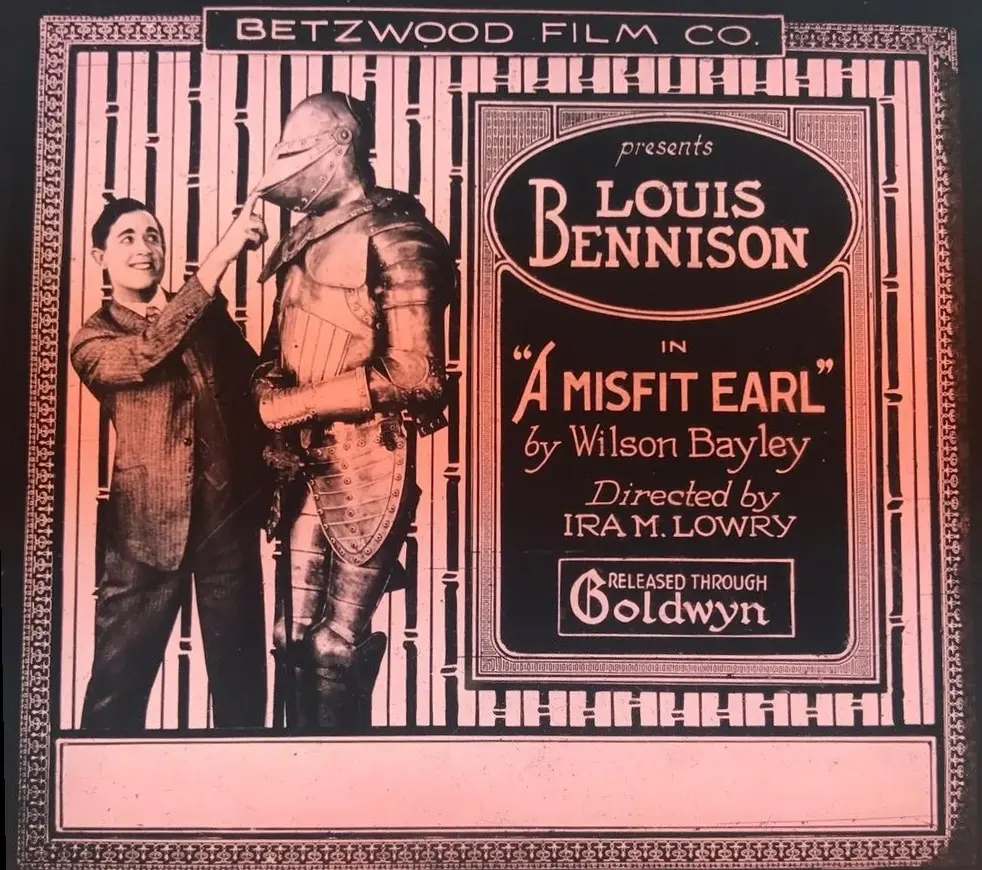
In contrast to the swashbuckling bravado of Don Juan, where heroism is defined by conquest, Jim’s heroism is quiet, rooted in moral steadfastness. The film also diverges from the mystery‑driven structure of The Mystery of the Yellow Room, focusing instead on social intrigue and personal identity.
Though a silent film, the accompanying score—reconstructed from period cue sheets—features a blend of traditional English folk melodies and lively Western fiddle tunes. The juxtaposition of a plaintive harp during Lady Caroline’s (Claire Adams) moments of contemplation with a spirited banjo during Jim’s campfire scenes creates an auditory echo of the visual clash, reinforcing the film’s central dichotomy.
Bennison’s portrayal of Jim is undeniably the film’s anchor, but the supporting cast deserves commendation. Herbert Standing as John Grahame delivers a measured performance, embodying the stoic British solicitor who becomes an unlikely ally. His measured gestures and steady gaze provide a counterbalance to Bennison’s exuberance.
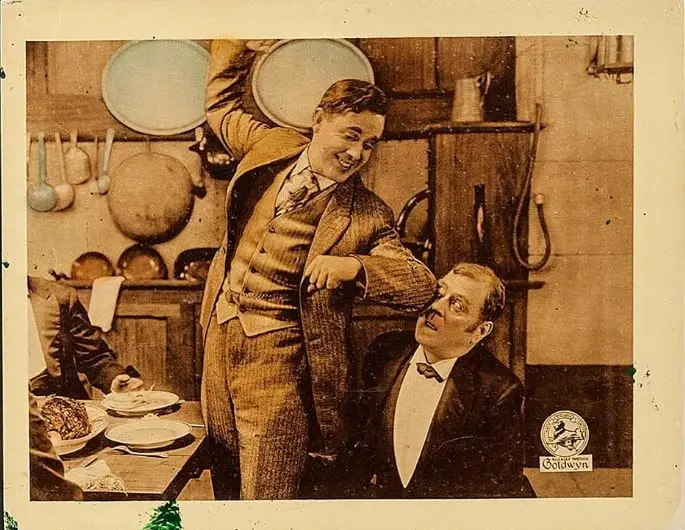
However, the film falters when it leans into caricature. Lady Caroline’s icy demeanor, while effective in establishing class tension, occasionally slides into melodramatic exaggeration, especially in scenes where she scolds the servants for humming “Home on the Range.” This over‑emphasis detracts from the nuanced exploration of class fluidity that the film otherwise pursues.
The screenplay maintains a brisk tempo, with the first act establishing the transatlantic premise, the second act immersing Jim in aristocratic life, and the third act resolving the inheritance conflict. Yet, the midpoint—where Jim teaches the servants American customs—feels like a tonal detour, extending the runtime without adding substantive conflict. Nonetheless, this interlude provides comic relief and deepens the thematic discourse on cultural exchange.
Nearly a century after its debut, A Misfit Earl remains a compelling study of cross‑cultural identity. Its exploration of immigration, class mobility, and the tension between inherited duty and personal desire resonates in today’s globalized society. The film’s subtle critique of aristocratic entitlement anticipates later works such as Queen X, which similarly interrogate power structures.
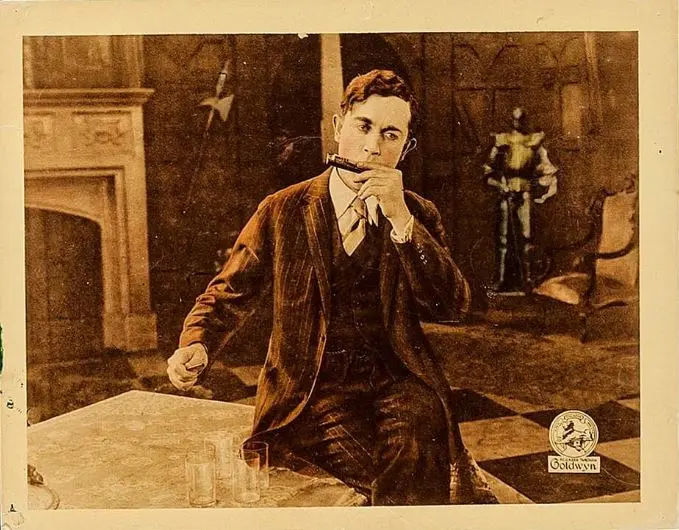
For cinephiles interested in the evolution of the “fish‑out‑of‑water” trope, this silent gem offers a prototype that informs later sound era classics. Its blend of humor, pathos, and social commentary makes it a valuable teaching tool in film studies curricula, illustrating how early cinema could tackle complex themes without spoken dialogue.
In the pantheon of silent cinema, A Misfit Earl may not possess the iconic status of Chaplin’s masterpieces, yet its narrative ambition and visual craftsmanship deserve renewed attention. The film invites viewers to contemplate the meaning of inheritance—both material and cultural—and to question whether true belonging is a matter of bloodline or chosen kinship.
Whether you are drawn to its rustic charm, its critique of class rigidity, or its pioneering transatlantic storytelling, the film offers a rich tapestry of performances, visuals, and themes that reward multiple viewings. Its enduring relevance affirms that even in the silent era, cinema possessed the power to bridge continents, challenge conventions, and speak to the universal human desire for a place to call home.
IMDb —
1919
Community
Log in to comment.