DbcultAccessing Vault...
Cult Review
Senior Film Conservator
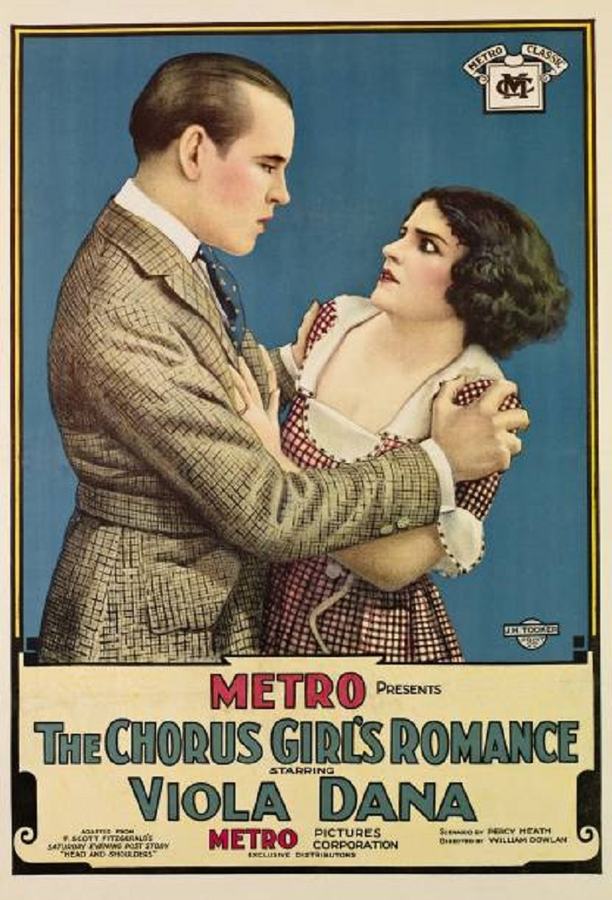
The first time Marcia Meadows’s shimmy detonates across Horace Tarbox’s orderly world, the screen itself seems to hiccup—an iris-in that contracts on Edward Jobson’s startled pupils, then blooms outward like absinthe poured on parchment.
What follows is less a love story than a collision of dialects: the Ivy League’s marble-mouthed Latinate caution versus the Bowery’s nickel-plated vernacular, all scored to a ceaseless foxtrot cymbal. Director William C. deMille—armed with a scenario copped from a freshly minted F. Scott Fitzgerald short—treats class mobility like a trapeze act: exhilarating to watch, lethal to botch. The camera stalks Marcia’s sequined knees through a fog of cigarette powder, then cranes upward to discover Horace’s patrician nostrils flaring at the alien scent of gardenia and gin. In that single tracking shot, the film announces its thesis: desire is a language you can only learn by falling.
Fitzgerald’s original yarn, "The Popular Girl," gets fed through the Hollywood kaleidoscope and emerges prismatic. The inciting prank—Marcia’s daredevil invasion of Horace’s dorm—plays out in a single unbroken take: a drunken fraternity posse shoves her through the oak door; she pirouettes on a Persian rug, bats her ocular fans, and exits trailing laughter like gunsmoke. Horace, framed against a shelf of Horace (the Roman one), experiences something akin to a phonograph needle scraping across marble. Smash-cut to Grand Central, where he pursues her through a swirl of locomotive steam as if chasing the last syllable of a joke he isn’t in on.
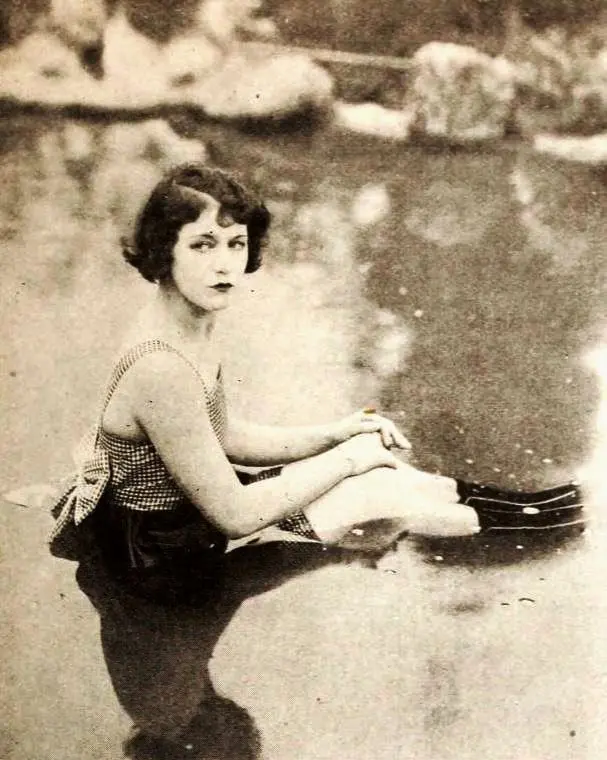
Once in Manhattan, the narrative fractures into parallel hustles: Horace’s quixotic attempts to hock florid prose to pulp rags while Marcia high-kicks her way through the Follies’ meat-grinder. The film’s most caustic intertitle—"Ambition, like a bad tailor, cuts the crotch too tight"—arrives just as Horace’s fifth manuscript is hurled back into his lap, pages fluttering like wounded pigeons. Meanwhile Marcia, shot from the waist down, becomes a metronome of thighs and lamé, her face withheld until the moment she signs her marriage license, a visual gag that reduces her to a pair of legs capable of signing autographs.
The pivot arrives not with moral epiphany but with a savage beating; Horace, attempting to defend Marcia’s honor, is pulverized by a stage-door Lothario whose fists thud like bass drums. The assault is rendered in silhouette—two shadow puppets against a brick wall—then in a disorienting close-up of Horace’s blood diluting a puddle of bootleg whiskey. Cue training montage, 1920 style: medicine balls, rowing machines, and a suspiciously homoerotic coterie of acrobats chalking their palms. Horace’s reinvention as a trapeze artist literalizes Fitzgerald’s obsession with flight: the rich boy must dangle above the crowd to earn his bread, a winged Icarus trading muscle for margin calls.
When he finally soars across the proscenium, the camera pirouettes with him in a 360-degree pan—an astonishing technical feat for the era—revealing the orchestra pit as a carnivorous mouth of upturned faces. The film’s color tinting here shifts from amber to cobalt, as though the very celluloid has grown breathless. One senses the existential glee of a novelist who has flung his alter ego off the page and into the rafters.
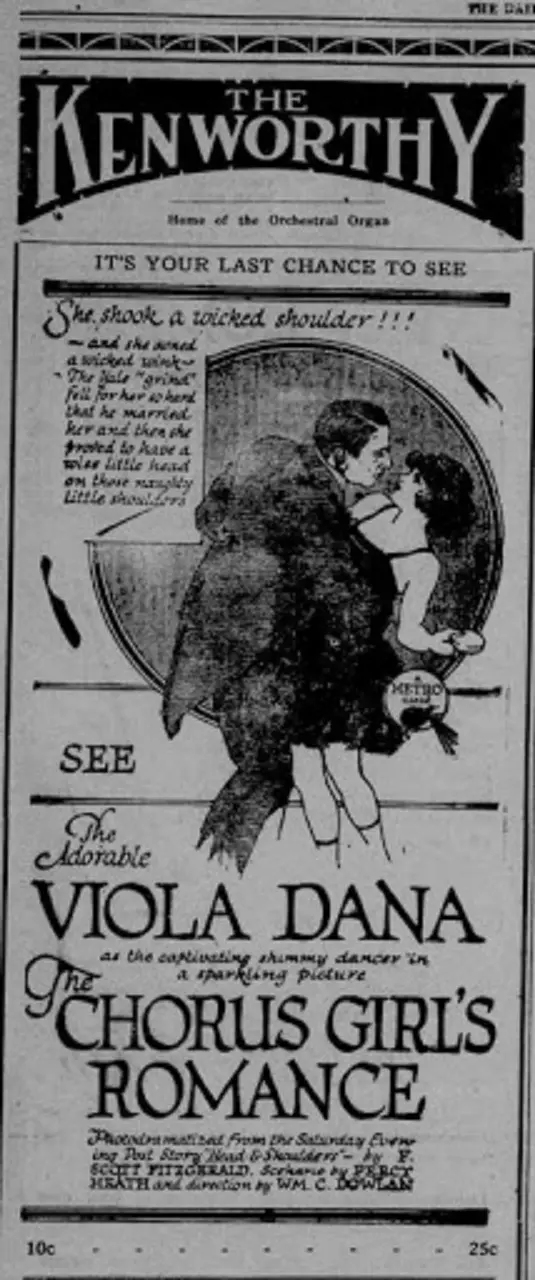
If Horace’s arc is ascent, Marcia’s is authorship. Pregnancy parks her on a divan, restless, nibbling chocolates and eavesdropping on the maid’s slang. What begins as a lark—cataloguing every permutation of "cat’s pajamas"—mutates into a dictionary that scandalizes librarians and titillates flappers. The montage of her composition is a kinetic riot: superimposed typewriter keys hammering over chorus-line legs; ink splotches morphing into black butterflies; a baby rattle clicking in syncopation with the clack-clack of typebars.
Upon publication, the film stages a delicious gender coup: Marcia, now the breadwinner, signs copies while Horace—still in spangles—waits in the wings, nursing their infant daughter. The intertitle reads: "Success, like lipstick, adheres to the mouth that dares apply it." For 1920, the moment is subversive enough to make the temperance league faint into their teacups.
Dorothy Gordon’s Marcia is all kinetic wit, eyebrows cocked like circumflex accents over a grin that promises both sugar and switchblade. She dances not with precision but with delight, each shimmy a syllable of a dirty joke. Listen to the way she pronounces "marriage" as if it were a foreign currency she’s still learning to count.
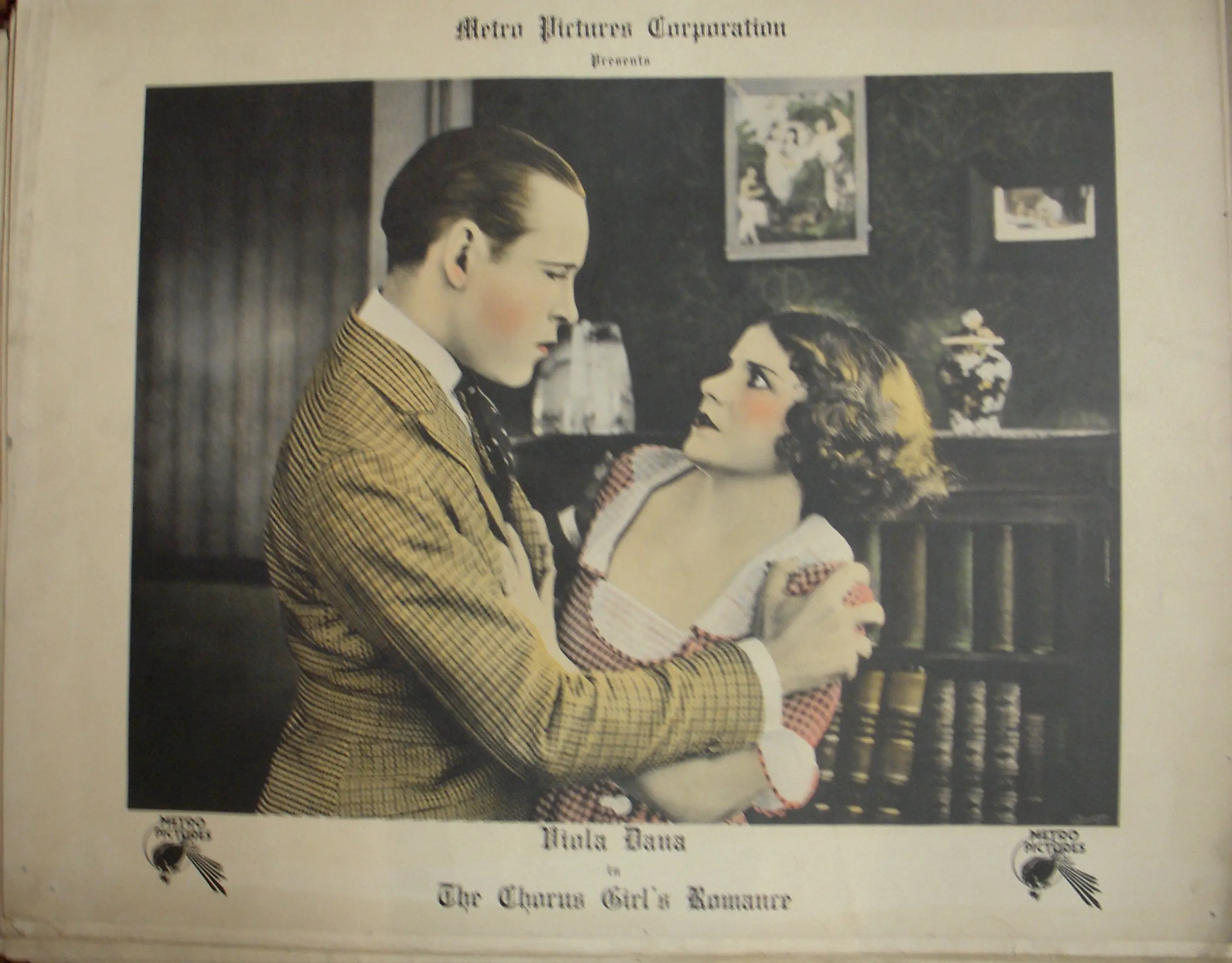
As Horace, Edward Jobson undergoes a metamorphosis from neurasthenic bookworm to bronzed aerialist without ever shedding his bewildered gaze; even in mid-flight, his eyes retain the look of a man who has misplaced the page. The performance is silent-film gold: a body that learns to swagger while the face still registers the ghost of a library.
Supporting laurels go to Lawrence Grant as the dyspeptic patriarch whose reconciliation arrives via telegram—"Congratulations STOP Money en route STOP Return to fold STOP"—read aloud while Horace dangles upside-down, blood rushing to his ears, a literalization of wealth finally turning his world right-side-up.
Cinematographer Faxon M. Dean bathes Yale sequences in honeyed sepia, then drowns Manhattan nights in aquamarine, as though the city were an aquarium of gin. Watch for the moment when Marcia’s green feather boa dissolves against a crimson curtain—a color clash that anticipates the Technicolor extravagance of The Tong Man by a full decade. The trapeze sequences are double-exposed against star-fields, turning the theater into a cosmic arcade where gravity is negotiable.
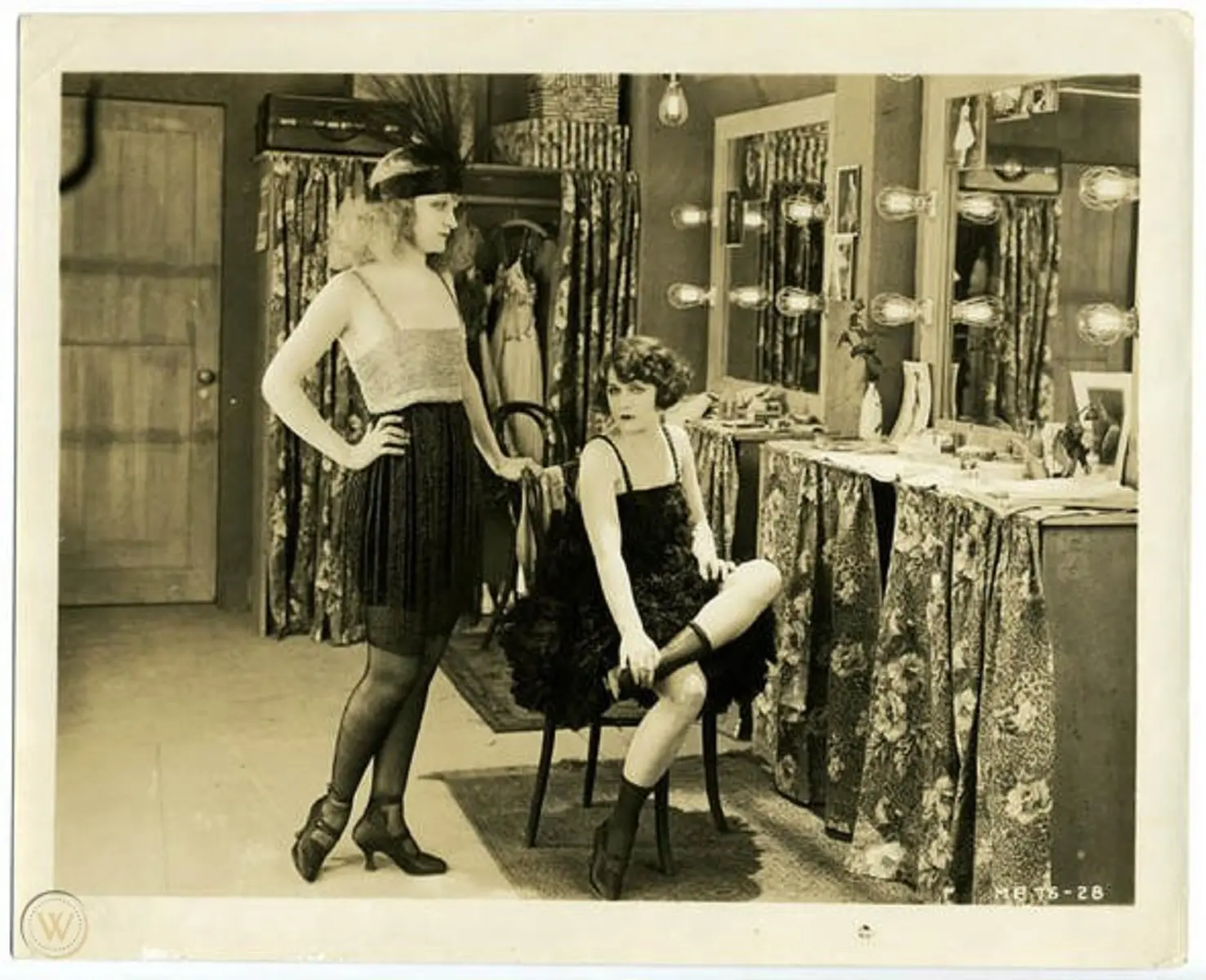
Though mute, the film pulses with jazz. The intertitles—clearly ghost-scribed by Fitzgerald—snap, crackle, and syncopate. "She had a laugh like a mint julep—cool, sweet, and liable to unseat your inhibitions." One can almost hear the cornet’s blue note between the lines. Contemporary reports claim opening-night theaters hired live saxophonists to underscore the climactic swing; if you’re lucky enough to catch a modern revival with a trio, the marriage of image and improvisation feels alchemical.
Cinephiles will spot DNA shared with Her Father’s Gold, where paternal disapproval likewise ricochets through the narrative like a stray bullet. Yet while that film resolves its class tension via prospecting luck, The Chorus Girl’s Romance wagers on cultural capital—literally authoring your way into society. Conversely, The Highest Bid treats marriage as auction block; here it’s a joint-stock startup with baby and lexicon as assets.
Stack it beside Alias Mary Brown and you’ll see both films weaponizing pseudonymous fame, though Marcia’s triumph is public, not clandestine. And if you crave further aerial antics, Bringing Home the Bacon offers stunts minus the class commentary, popcorn without the Prohibition punch.
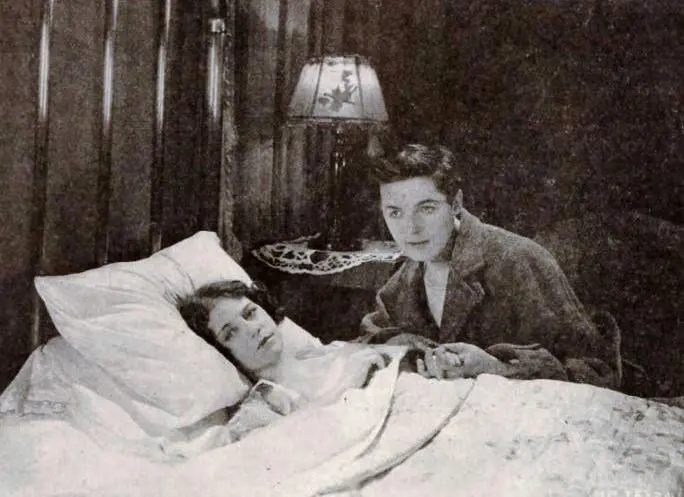
For decades, prints languished in a Pittsburgh warehouse until a 1978 nitrate discovery yielded a near-complete restoration. Today it screens mostly in university archives, yet its DNA replicates in every backstage musical from 42nd Street to Cabaret. Fitzgerald, embarrassed by the film’s sentimental ending, disowned it in letters to Maxwell Perkins, but scholars now read the finale as sly satire: the rich always welcome genius back once it’s profitable.
Stream it if you can track a 35 mm revival; otherwise pray for a boutique Blu-ray. In the interim, read Fitzgerald’s original 1920 story as chaser—then notice how the film’s trapeze leap improves on the page, turning metaphor into muscle.
★★★★☆ One star docked for the pat reconciliation, though even that twist carries a whiff of sarcasm. See it for Gordon’s kinetic grin, for Jobson’s airborne vertigo, for the slang dictionary that cheekily annotates the American idiom. See it, above all, for the rare spectacle of a woman rewriting the dictionary while her husband rewrites his body—proof that in the roaring twenties, language and sinew were the last unregulated currencies.
Tags: The Chorus Girl's Romance, 1920 silent film, F. Scott Fitzgerald adaptation, flapper cinema, Dorothy Gordon, Edward Jobson, William C. deMille, jazz age movies, lost film restored, vaudeville trapeze, slang dictionary, Yale college life, class satire, early feminist film
IMDb 6.4
1924
Community
Log in to comment.