DbcultAccessing Vault...
6.4/10
Senior Film Conservator
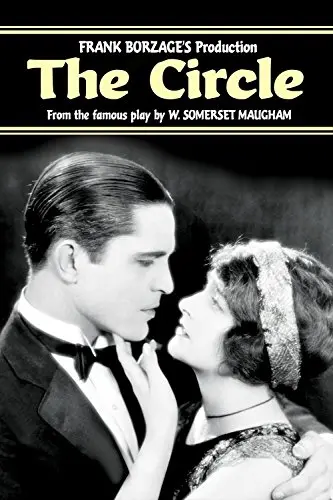
A definitive 6.4/10 rating for a film that redefined the boundaries of cult cinema. The Circle remains a cornerstone of transgressive art.
The Circle, a 1922 silent film, is a thought-provoking exploration of the human experience, delving into the complexities of love, desire, and disillusionment. Directed by Kenneth B. Clarke and W. Somerset Maugham, this cinematic masterpiece presents a nuanced portrait of a woman torn between her stifling marriage and a more exhilarating connection with another man.
The film's narrative is deceptively simple, yet it belies a profound depth that resonates deeply with audiences. The story revolves around a woman, played by Eugenie Besserer, who finds herself trapped in a loveless marriage. Her emotional topography is expertly rendered, as she navigates the treacherous waters of her own desires and the societal expectations placed upon her.
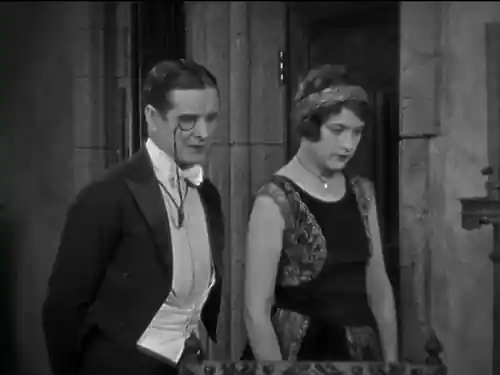
As the protagonist considers abandoning her husband for another man, played by Derek Glynne, the film raises fundamental questions about the nature of love, loyalty, and commitment. This introspective drama is reminiscent of The Greek Interpreter, which also explores the complexities of human relationships, albeit in a more thriller-oriented context.
The Circle's cinematography is noteworthy, with a muted color palette that underscores the protagonist's emotional state. The film's use of lighting and shadow creates a sense of foreboding, underscoring the gravity of the protagonist's decision. This visual storytelling approach is similar to Ballet mécanique, which also employs a avant-garde visual style to convey the emotional intensity of its narrative.
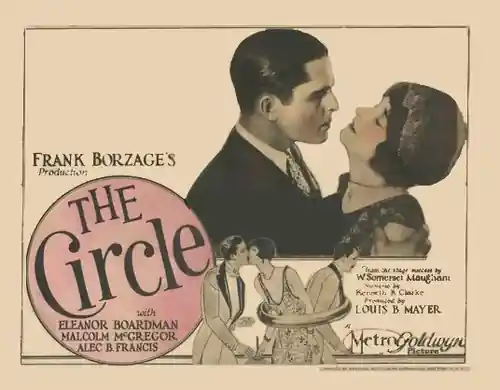
The performances in The Circle are commendable, with Eugenie Besserer delivering a particularly nuanced portrayal of the protagonist. Her character's emotional journey is expertly conveyed through a range of subtle expressions and body language, rendering a deeply humanized performance. The supporting cast, including Malcolm McGregor and Frank Braidwood, provide able performances that add depth to the narrative.
One of the most striking aspects of The Circle is its thematic resonance with contemporary films. The movie's exploration of love, desire, and disillusionment is eerily prescient, recalling films like The Triumph of Love and The Master Cracksman. This thematic continuity underscores the timelessness of The Circle's narrative, which continues to resonate with audiences today.
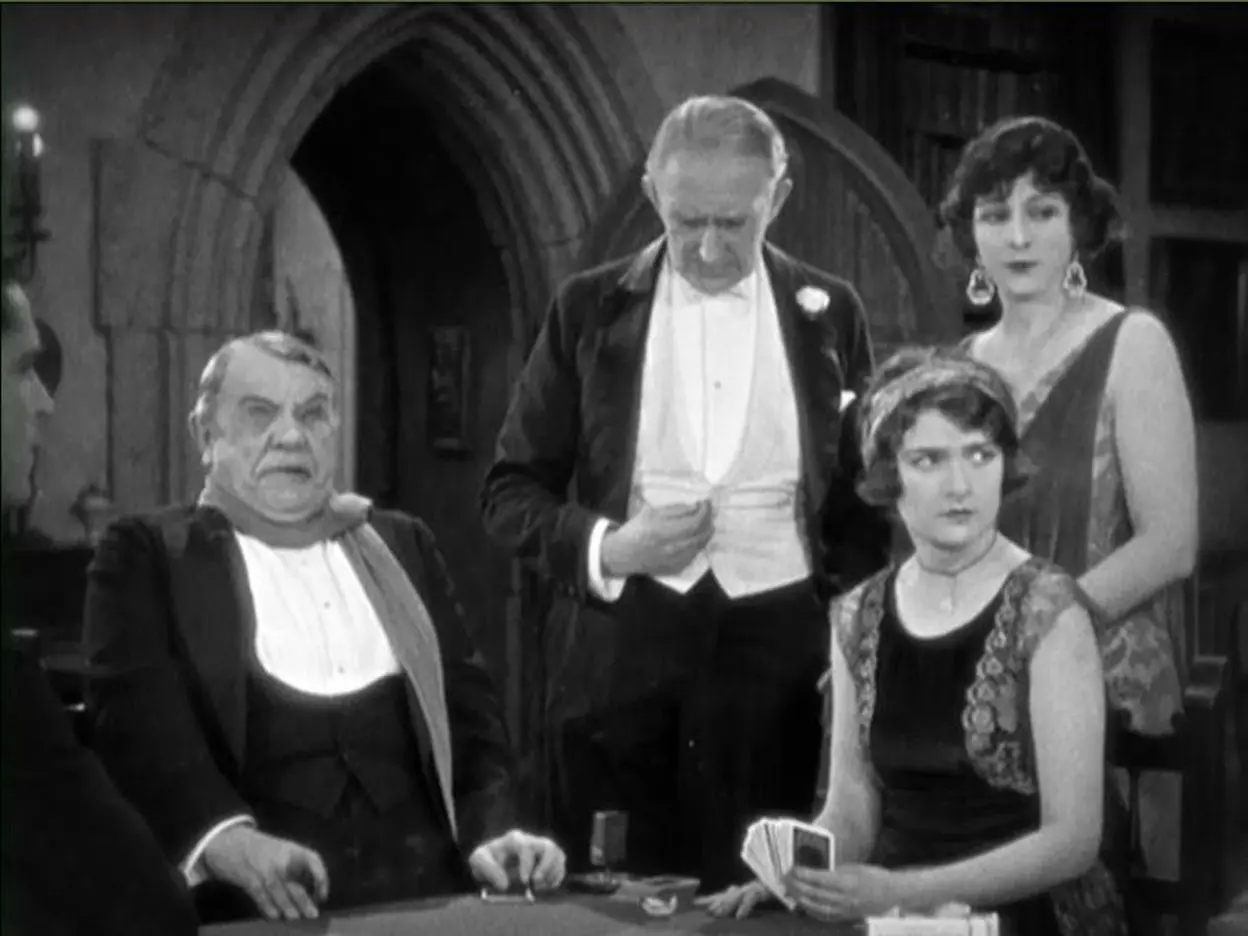
The film's direction is noteworthy, with Clarke and Maugham demonstrating a keen understanding of the medium. Their approach is characterized by a measured pacing, which allows the narrative to unfold with a sense of inevitability. This directorial approach is similar to Unknown Switzerland, which also employs a deliberate pacing to create a sense of tension and unease.
The Circle's score is equally impressive, with a haunting arrangement that complements the on-screen action. The music adds an additional layer of emotional depth to the narrative, underscoring the protagonist's inner turmoil. This use of music is reminiscent of The Sky Hunters, which also employs a evocative score to enhance the emotional impact of its narrative.
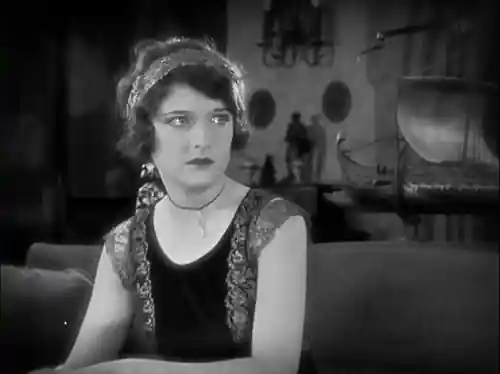
Upon closer examination, The Circle reveals itself to be a film of remarkable complexity, with a narrative that resists easy categorization. It is at once a romance, a drama, and a philosophical treatise on the human condition. This multifaceted approach is similar to The Detectress, which also blends elements of mystery, drama, and social commentary to create a richly textured narrative.
The Circle's exploration of love and desire is both poignant and thought-provoking, raising fundamental questions about the nature of human relationships. The film's portrayal of a woman torn between her duty and her desires is deeply humanized, rendering a nuanced and relatable performance. This thematic focus is reminiscent of When the Devil Drives, which also explores the complexities of human relationships in a context of moral ambiguity.
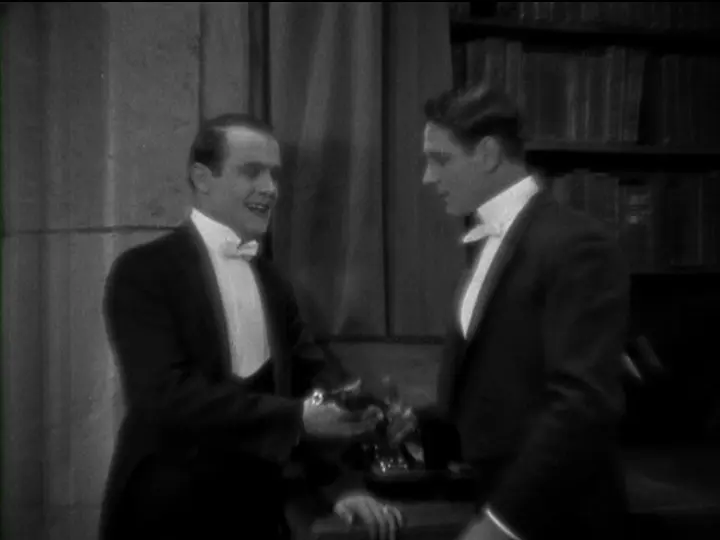
The film's conclusion is both haunting and ambiguous, leaving the audience to ponder the protagonist's ultimate decision. This narrative approach is similar to Miraklet: Tavlor ur det katolska samfundslivet, which also employs a enigmatic conclusion to underscore the complexity of its themes.
The Circle is a film that rewards close attention, with a richly textured narrative that repays multiple viewings. Its exploration of love, desire, and disillusionment is both profound and thought-provoking, rendering a cinematic experience that lingers long after the credits roll. This film is an essential viewing for anyone interested in silent cinema, and its themes and motifs continue to resonate with audiences today.
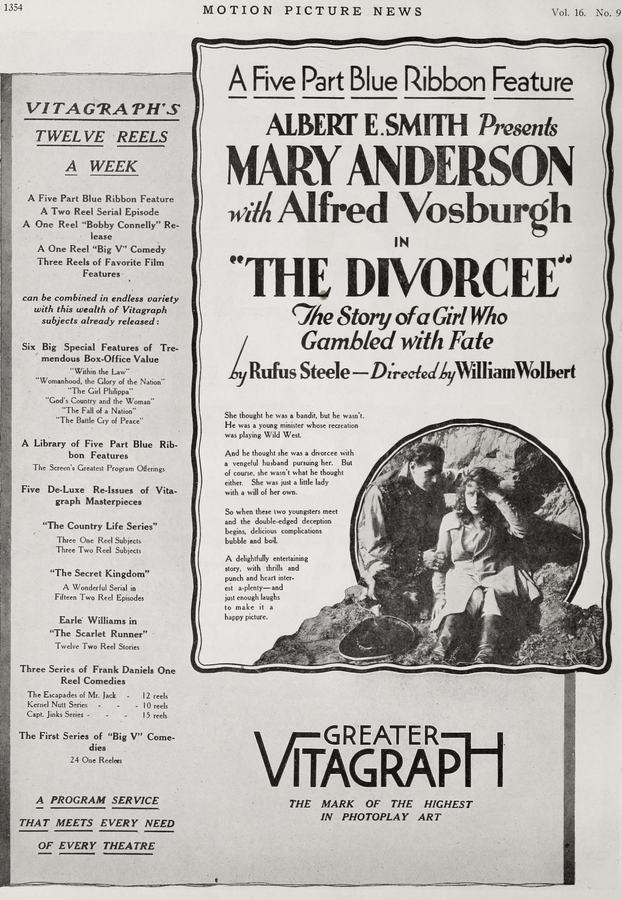
IMDb —
1917
Community
Log in to comment.