DbcultAccessing Vault...
8.1/10
Senior Film Conservator
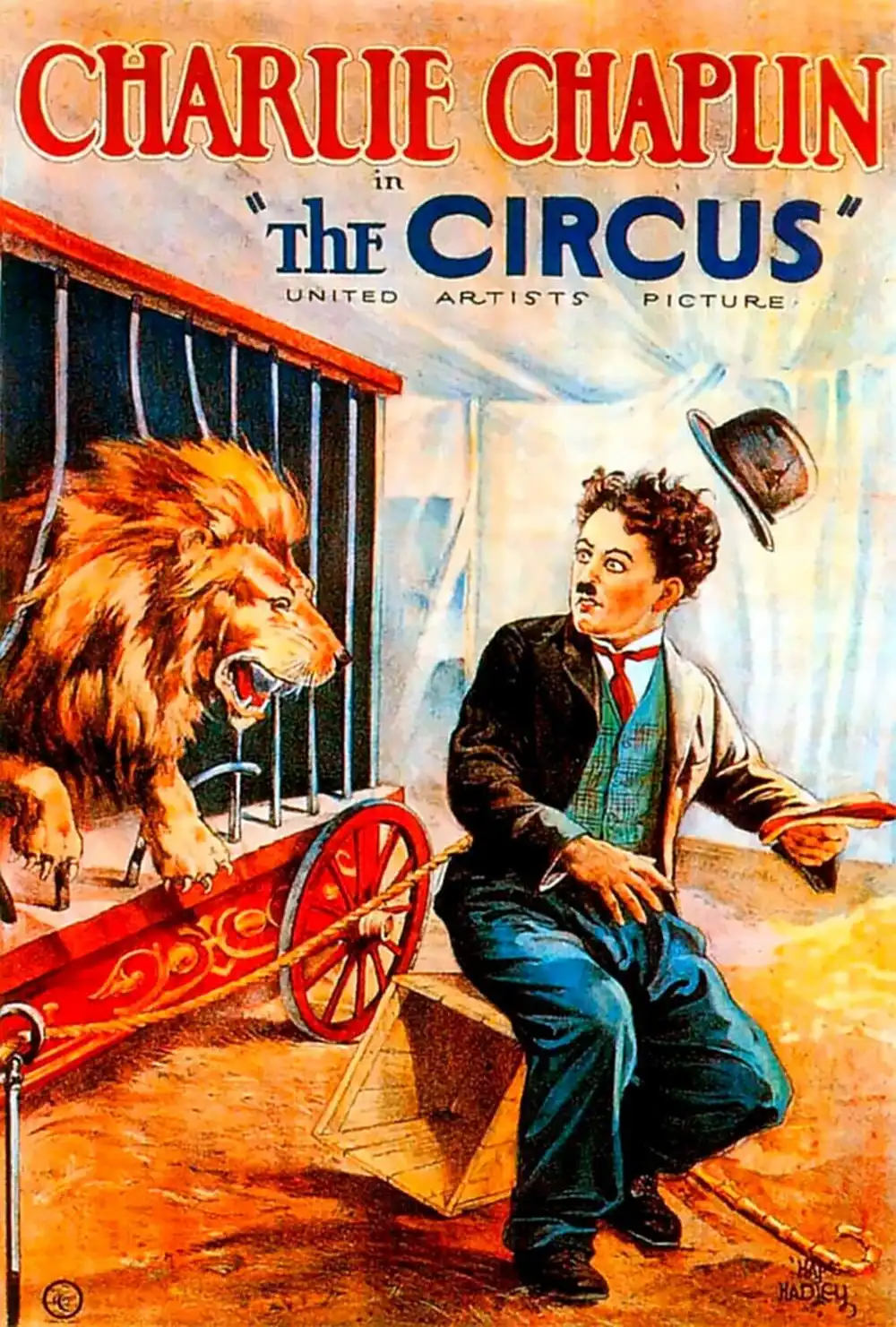
A definitive 8.1/10 rating for a film that redefined the boundaries of cult cinema. The Circus remains a cornerstone of transgressive art.
If you are looking for the exact midpoint between the raw slapstick of the 1910s and the polished sentimentality of the 1930s, The Circus is the film to watch. It is essential viewing for anyone who thinks silent film is just people running around in fast motion; this is a movie of incredible mechanical precision and genuine stakes. It is for those who prefer their comedy with a bit of a mean streak. If you dislike the high-pathos 'weeping' moments of City Lights, you will likely find this refreshing—it is leaner, faster, and significantly more cynical.
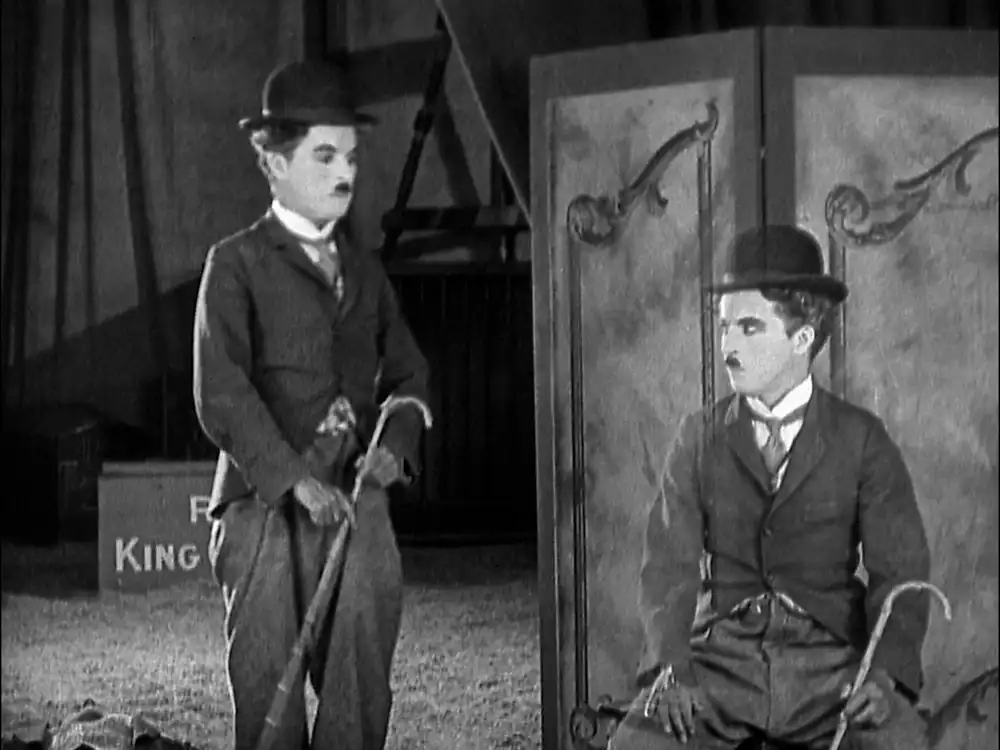
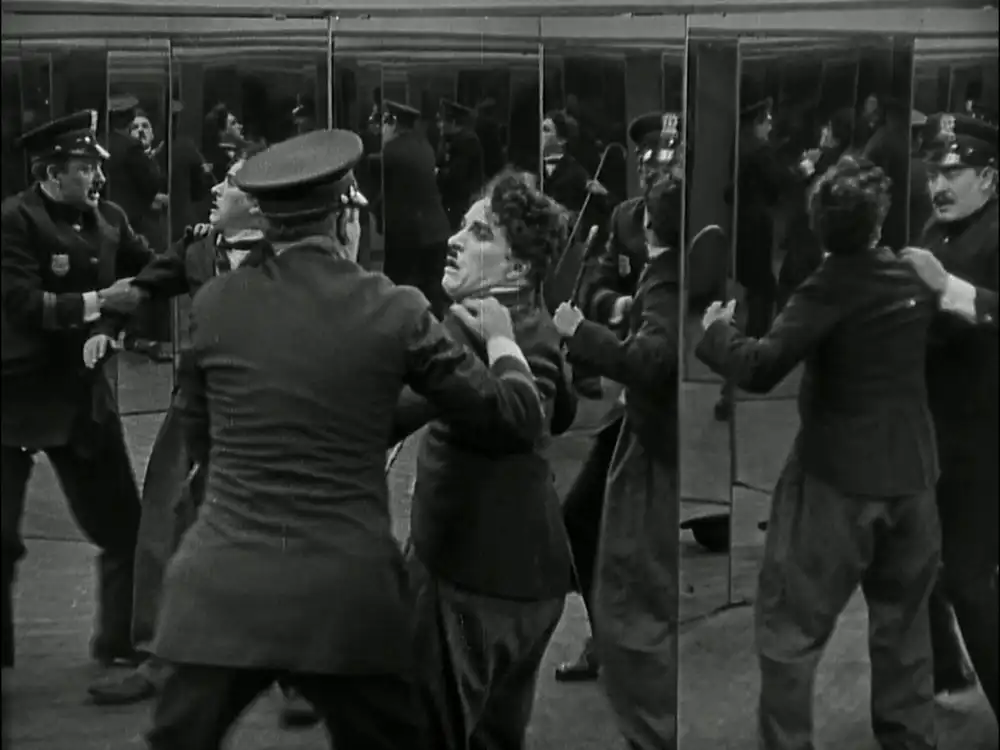
The premise of The Circus is meta-commentary at its best: The Tramp is a terrible intentional clown but a brilliant accidental one. The funniest moments in the film happen when the character is in genuine distress. Take the early sequence in the hall of mirrors. It isn’t just a visual gag about reflections; it’s about the frantic, claustrophobic energy of a man who cannot even trust his own eyes. You can see Chaplin’s physical control here—the way he hits the glass isn’t a soft 'movie' bump; he’s throwing his weight into it to sell the disorientation.
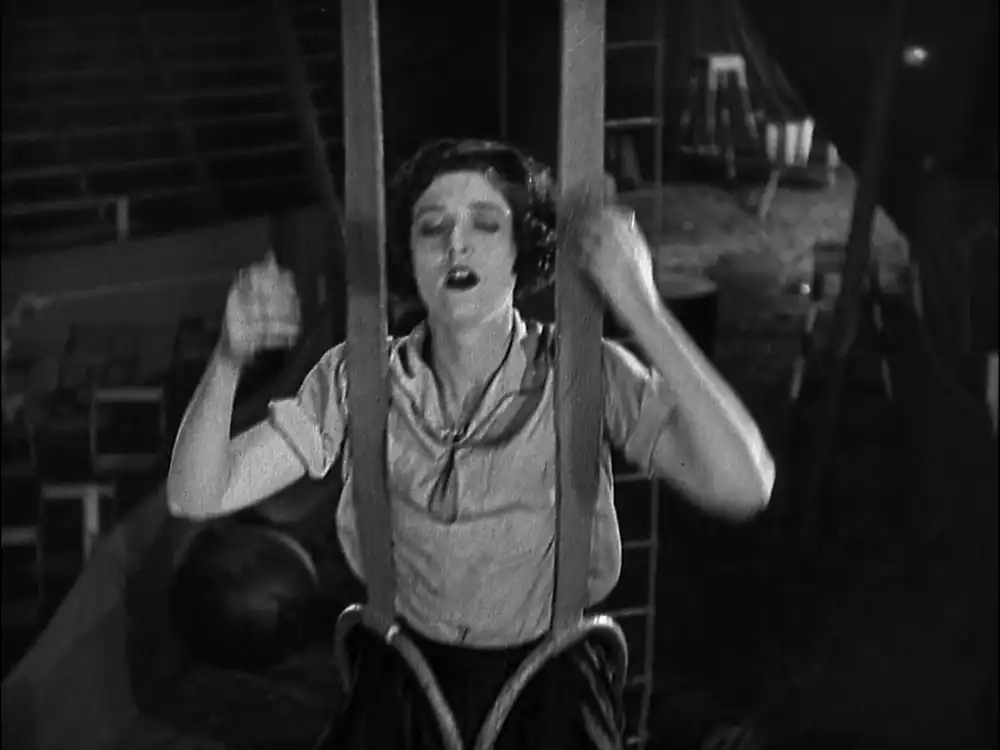
Unlike some of the era's more disposable shorts, such as Walter Tells the Tale, Chaplin uses the feature length to build tension that actually pays off. The film doesn't just jump from gag to gag; it builds toward two massive set pieces that remain some of the best-constructed sequences in cinema history.
The lion’s cage sequence is perhaps the most famous part of the film, and for good reason. What makes it work isn't just the presence of the lion—it’s the dog. The small, yapping terrier outside the cage is the real antagonist. Every time the Tramp manages to settle the lion, the dog barks, the lion stirs, and the cycle of terror begins again. Watch Chaplin’s face during this; there is a specific look of frozen, wide-eyed panic that feels entirely unacted. He spent weeks filming this with real lions, and that underlying sense of danger bleeds through the screen. The moment where a girl (Merna Kennedy) accidentally wakes him up, only for him to realize he’s inches from a predator, is a perfect beat of comedic timing that relies entirely on his stillness rather than his movement.
Al Ernest Garcia plays the Ringmaster with a genuine, low-level villainy that anchors the film. He isn’t a cartoonish bad guy; he’s a boss who realizes he can exploit someone’s misery for profit. This gives the film a darker edge than The Gold Rush. When he denies his stepdaughter (Merna Kennedy) food, the stakes feel real. Kennedy herself gives a performance that is less 'ethereal beauty' and more 'exhausted survivor.' Her chemistry with Chaplin is sweet, but there’s a persistent sadness to her that prevents the film from becoming too sugary.
The supporting cast of clowns is equally interesting. Their failure to be funny is a great running gag. They represent the 'old' way of doing comedy—rehearsed, stiff, and boring—which stands in stark contrast to the Tramp’s chaotic, reactive energy. It’s a subtle jab at the vaudeville traditions Chaplin was moving away from.
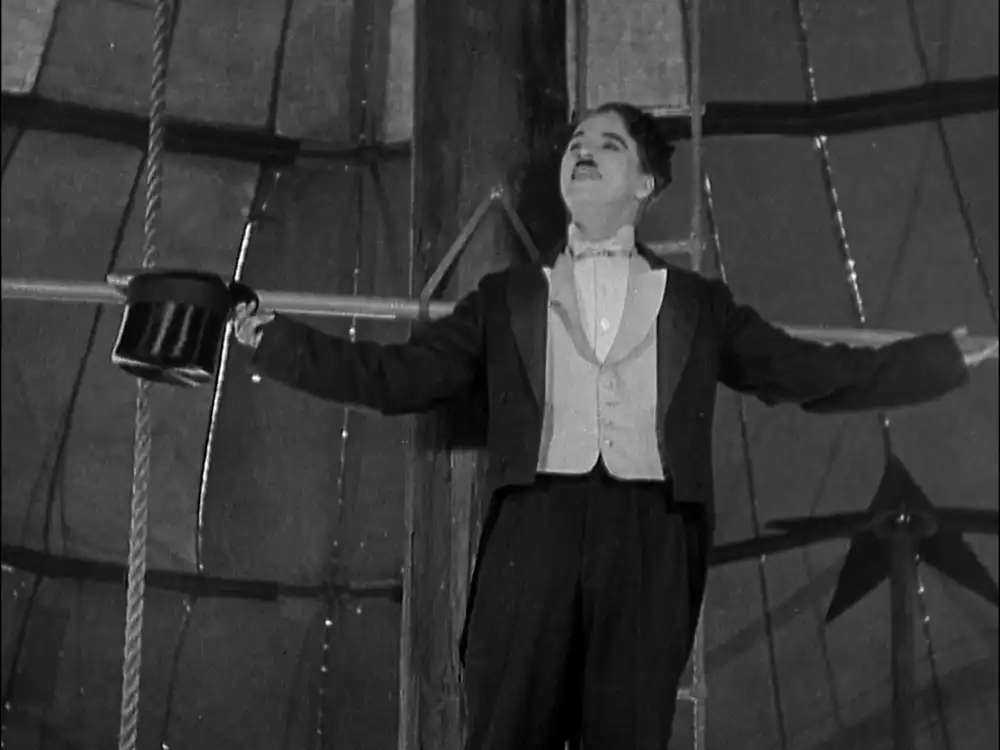
The film’s finale on the tightrope is a miracle of editing and stunt work. Chaplin, suspended high above the ring, has to contend with a broken safety wire, his pants falling down, and a group of escaped monkeys crawling all over his face. The monkeys are chaotic—they bite his nose, they pull his hair, and they generally wreck the scene. It’s a messy, frantic sequence that feels genuinely dangerous. You can see the sweat on Chaplin’s brow, and while there were tricks used to film it, the physical exertion is palpable. The way the camera cuts between the gasping audience and the high-wire struggle creates a rhythm that modern action-comedies still try to emulate.
Visually, the film is cleaner than many of its contemporaries. Chaplin uses the circular geometry of the circus ring to frame his shots, often keeping the camera at a medium distance so we can appreciate the full range of his body language. There are no flashy camera moves here; the focus is entirely on the performance. However, the pacing does hit a slight snag in the middle. The subplot involving Rex, the tightrope walker and the Tramp’s rival for Merna’s affection, feels a bit thin. Rex is a bland character, and while he serves his purpose as a romantic foil, the scenes focusing on him lack the spark of the Tramp’s solo adventures.
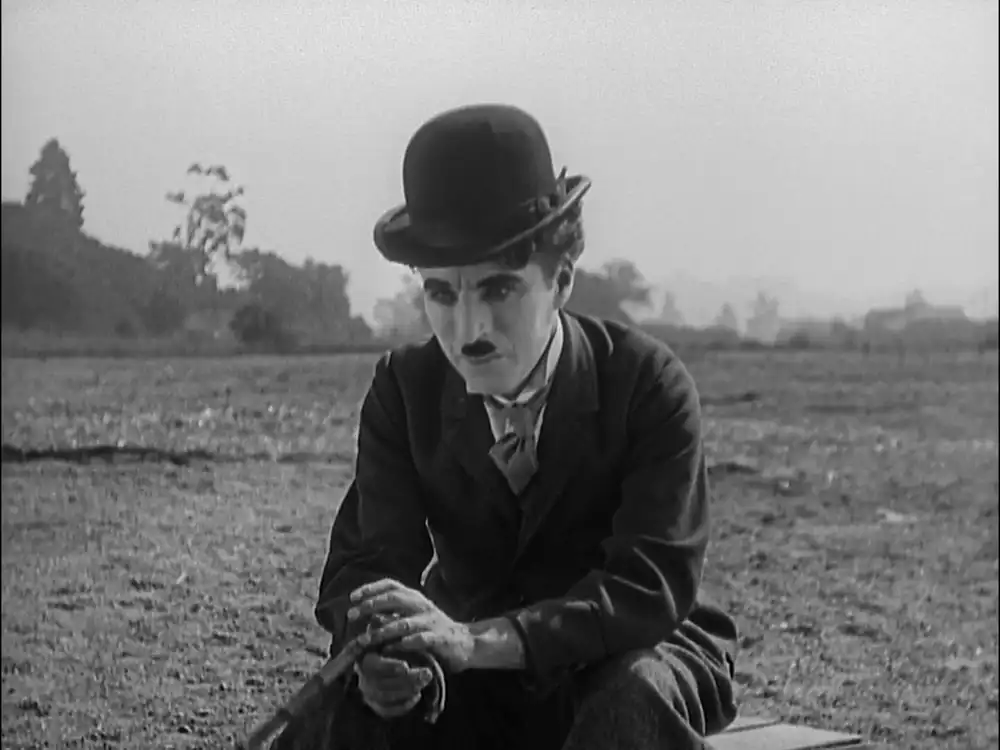
The lighting in the night scenes—particularly when the Tramp is sitting alone outside the wagons—is surprisingly moody. It captures the loneliness of the circus life in a way that feels grounded, not theatrical. It reminds you that despite the bright lights of the ring, these characters are effectively nomads living on the edge of poverty.
The ending of The Circus is what elevates it. Most comedies of this era demanded a wedding or a windfall of cash. Chaplin gives us neither. The final shot—the Tramp standing in the center of the now-vacant circus ring, watching the wagons pull away—is one of the most honest moments in his filmography. He kicks a piece of paper, turns, and walks away into the distance. He hasn't 'won' in the traditional sense, but he has maintained his dignity. It’s a quiet, unsentimental conclusion that respects the character’s nature as a perpetual outsider.
The Circus suffered a troubled production—fires, a messy divorce, and legal battles nearly derailed it—but none of that chaos is visible in the final product. It is a polished, hilarious, and occasionally biting look at the nature of performance and the cruelty of the world. It doesn't have the grand scale of The Great Dictator or the heart-wrenching drama of The Kid, but as a pure comedy, it is arguably Chaplin’s most consistent work. It’s a film that trusts its audience to find humor in the struggle, and it remains remarkably effective nearly 100 years later, a masterclass in the art of the gag.
IMDb 4.8
1930
Community
Log in to comment.